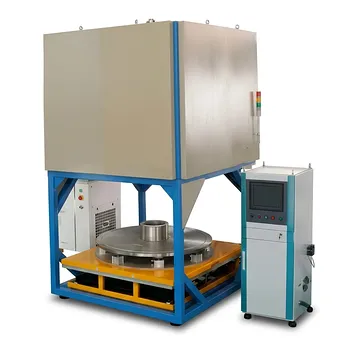
What are the advantages of using a rapid heating box furnace for catalyst precursor transformation in MS-SOECs? Boost Efficiency
Updated 3 months ago
Rapid heating box furnaces are essential for executing "flash roasting," a process that preserves the nanostructured catalyst surface required for high-performance Metal-Supported Solid Oxide Electrolysis Cells (MS-SOECs). By placing infiltrated cells directly into a preheated environment, this method ensures the rapid conversion of nitrate precursors into active oxide phases while preventing the loss of catalytic activity caused by particle growth.
The primary advantage of a rapid heating box furnace lies in its ability to decouple chemical transformation from particle coarsening. By accelerating the transition from liquid precursors to solid oxides, it "freezes" the catalyst in a high-surface-area state that is critical for electrochemical efficiency.
The Role of Flash Roasting in Microstructure Control
Suppressing Nanoparticle Agglomeration
In traditional slow-heating processes, catalyst particles have sufficient time at intermediate temperatures to migrate and merge. Flash roasting in a rapid heating furnace bypasses these windows of high mobility, effectively suppressing the agglomeration and growth of nanoparticles.
Maximizing Catalytic Surface Area
By keeping the catalyst particles at the nanoscale, the furnace preserves a high catalytic surface area. This structural integrity is the fundamental driver for the initial performance and efficiency of the MS-SOEC during electrolysis.
Rapid Nitrate Conversion
The furnace environment facilitates the immediate thermal decomposition of nitrate precursors adsorbed within the electrode pores. This quick transition ensures that the precursors are converted into active metal oxide phases without the detrimental effects of prolonged heat exposure.
Enhancing Support Integration and Longevity
Improving Precursor Wettability
Using a box furnace for pre-oxidation creates a thin, conductive chromium oxide layer on the stainless steel support. This layer significantly improves the wettability of the catalyst precursor solution, ensuring a more uniform distribution within the metal pores.
Intermediate Phase Formation
The box furnace is utilized for medium-temperature calcination (typically around 400°C) to create metal oxide intermediates. This stage prepares the electrode for subsequent high-temperature sintering and reduction, ensuring a stable transition between chemical states.
Extending Service Life
Pre-oxidation in a controlled atmosphere furnace enhances the oxidation resistance of the metal support. By establishing a protective layer early, the furnace helps the MS-SOEC withstand harsh operating environments and extends its total operational lifespan.
Understanding the Trade-offs
Risk of Thermal Shock
The primary trade-off of rapid heating is the potential for thermal shock within the cell components. Rapidly introducing a room-temperature cell into a preheated environment can create internal stresses that may lead to delamination if the materials' thermal expansion coefficients are not well-matched.
Uniformity vs. Speed
While a box furnace allows for quick processing, ensuring thermal uniformity across a large batch of cells can be challenging. Variations in heat absorption can lead to inconsistent catalyst morphology across different areas of the electrode if the furnace load is not carefully managed.
How to Apply This to Your Project
When integrating a rapid heating box furnace into your MS-SOEC fabrication workflow, your specific goals should dictate your furnace parameters.
- If your primary focus is peak initial performance: Prioritize the flash roasting technique to minimize nanoparticle size and maximize the active triple-phase boundary area.
- If your primary focus is long-term durability: Focus on the pre-oxidation settings to ensure a robust chromium oxide protective layer is formed on the stainless steel support before infiltration.
- If your primary focus is manufacturing throughput: Use the box furnace for the intermediate calcination of nitrate precursors to prepare batches for bulk processing in secondary tube furnaces.
By mastering the rapid thermal transition of precursors, you ensure that the delicate nanostructure of the catalyst survives the transition from a liquid solution to a functional solid-state electrode.
Summary Table:
| Key Feature | Flash Roasting (Rapid Heating) | Traditional Slow Heating |
|---|---|---|
| Catalyst Morphology | Preserves Nanostructure | Significant Coarsening |
| Surface Area | Maximized (High Activity) | Reduced (Lower Efficiency) |
| Precursor Transition | Rapid Thermal Decomposition | Potential Particle Migration |
| Support Integration | Improved Pre-oxidation/Wettability | Inconsistent Surface Prep |
| Primary Risk | Thermal Shock | Particle Agglomeration |
Elevate Your Material R&D with THERMUNITS
At THERMUNITS, we understand that achieving precise nanostructural control is critical for high-performance MS-SOECs. As a leading manufacturer of high-temperature laboratory equipment, we provide the specialized thermal solutions required for advanced catalyst transformation and industrial R&D.
Our comprehensive range includes:
- High-Precision Furnaces: Muffle, Vacuum, Atmosphere, Tube, Rotary, and Hot Press Furnaces.
- Advanced Systems: CVD/PECVD systems, Dental Furnaces, and Electric Rotary Kilns.
- Specialized Melting: Vacuum Induction Melting (VIM) Furnaces and high-quality Thermal Elements.
Whether you are refining "flash roasting" techniques or developing durable metal supports, our equipment ensures uniform heat distribution and reliable atmospheric control.
Contact our technical experts today to find the ideal heat treatment solution for your laboratory and accelerate your material science breakthroughs!
References
- Zhikuan Zhu, Michael C. Tucker. Dynamic operation of metal-supported solid oxide electrolysis cells. DOI: 10.1016/j.ijhydene.2024.01.345
Mentioned Products
- High Temperature 1600°C Three Zone Heated Bottom Loading Box Furnace with Rapid Thermal Processing Chamber 72L Volume
- High Temperature Bottom Loading Box Furnace for Rapid Thermal Processing 1700C 40L Capacity
- Three Temperature Zone Fast Heating Furnace 1500C Laboratory High Precision Thermal Processing System
- High Temperature Tube Furnace 1500C with Sliding Flanges and 50mm OD for Rapid Thermal Processing Fast Heating and Cooling
- Compact High Temperature Bottom Loading Furnace 1700C Rapid Heating Cooling System Small Sample Thermal Cycling Equipment
People Also Ask
- What are the advantages of using a Bottom-Loading High-Temperature Furnace in Barium Titanate Fast Firing? Superior Microstructure
- What is the role of a high-temperature box furnace in the solid-state synthesis of Europium-doped M3MgSi2O8 phosphors?
- What is the role of a high-temperature box furnace in Na3MnZr(PO4)3 synthesis? Engineering High-Performance NASICON.
- How does a high-temp box furnace aid rare-earth oxysulfide phosphor synthesis? Enhance Purity & Luminescence
- Why is a high-temperature box furnace required for 1250°C ferrite calcination? Ensure Precise Phase Transformation.

Tech Team · ThermUnits
Last updated on Jun 02, 2026
Related Products
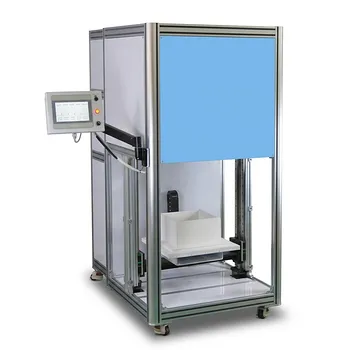
High Temperature 1600°C Three Zone Heated Bottom Loading Box Furnace with Rapid Thermal Processing Chamber 72L Volume
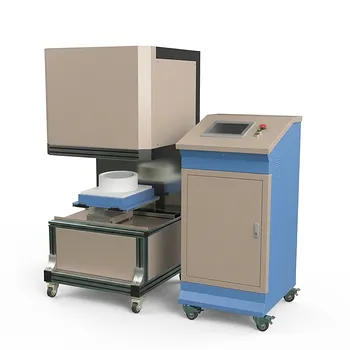
High Temperature Bottom Loading Box Furnace for Rapid Thermal Processing 1700C 40L Capacity
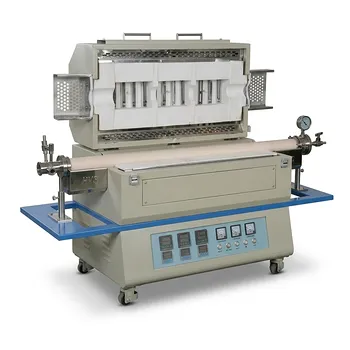
Three Temperature Zone Fast Heating Furnace 1500C Laboratory High Precision Thermal Processing System
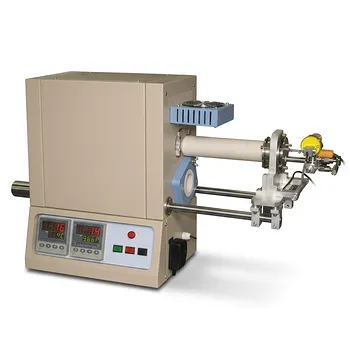
High Temperature Tube Furnace 1500C with Sliding Flanges and 50mm OD for Rapid Thermal Processing Fast Heating and Cooling
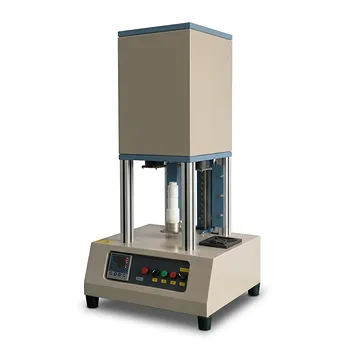
Compact High Temperature Bottom Loading Furnace 1700C Rapid Heating Cooling System Small Sample Thermal Cycling Equipment
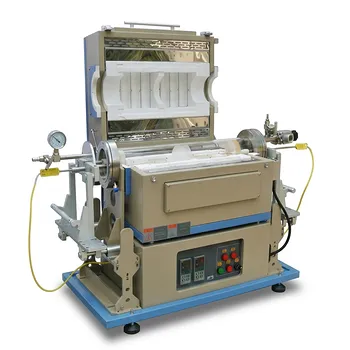
Two Zone IR Heating Rapid Thermal Processing RTP Tube Furnace with 4 Inch ID Quartz Tube and Sliding Sample Holders
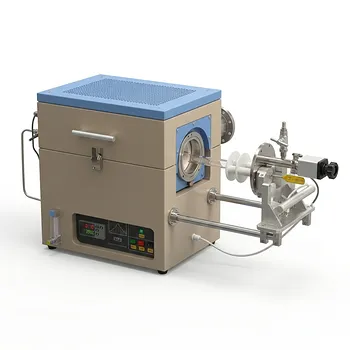
Compact Atmosphere Controlled Rapid Thermal Processing RTP Furnace with 4 Inch ID Quartz Tube 1100C
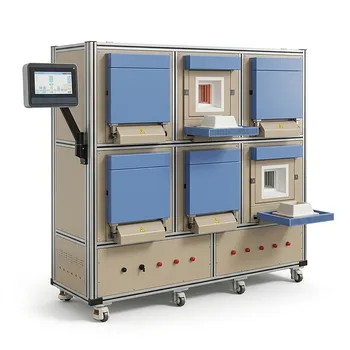
High Temperature 1700℃ Eight Chamber Box Furnace with Automatic Doors for Autonomous Material Research and High Throughput Heat Treatment
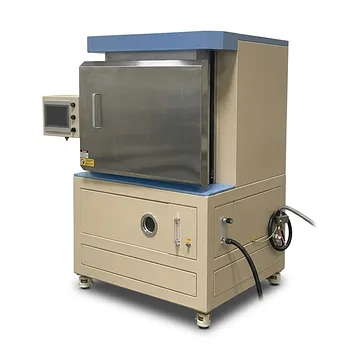
1650C High Temperature Atmosphere Controlled Box Furnace with 65L Chamber for Advanced Material Sintering and Industrial Heat Treatment
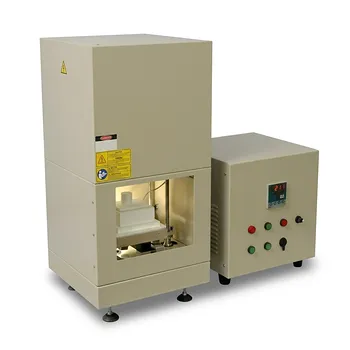
High Temperature Compact Automatic Bottom Loading Furnace with Rapid Cooling for Autonomous Material Research
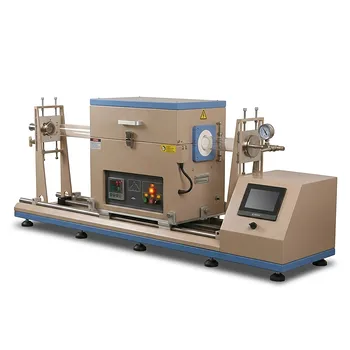
1200C Sliding Tube Furnace for Rapid Thermal Processing and CVD Graphene Growth with 100mm OD Capacity
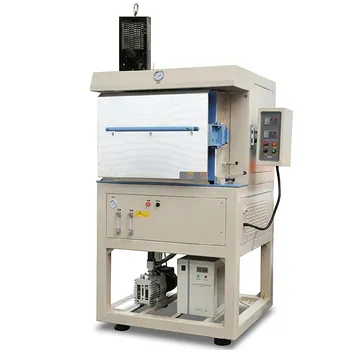
1200C Hydrogen Atmosphere Box Furnace with 5 Heated Sides and 64L Chamber
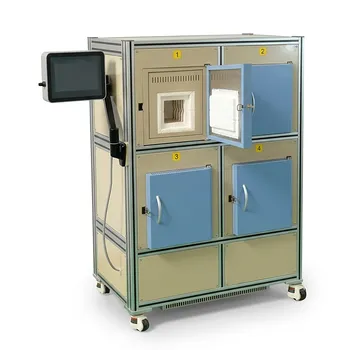
High Temperature Four Chamber Box Furnace for High Throughput Materials Research and Space Saving Thermal Processing
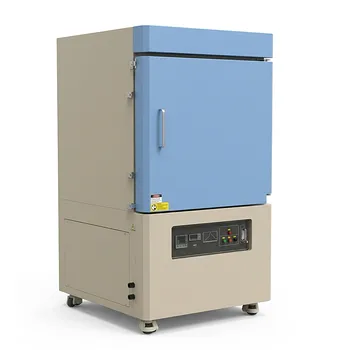
Industrial Large Box Furnace 1700C 216L High Temp Muffle Sintering System
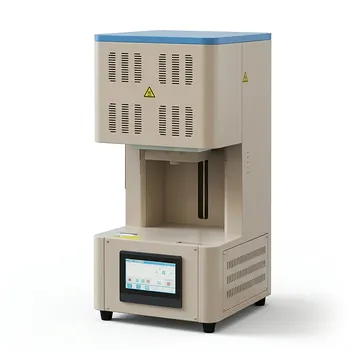
Automated 1700C High Temperature Bottom Loading Box Furnace with PC Software Control and Robotic Integration Capability
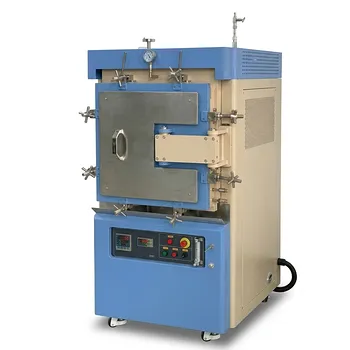
High Temperature Economic Hydrogen Gas Box Furnace 1600C Atmosphere Controlled Thermal Processing System 65L Capacity
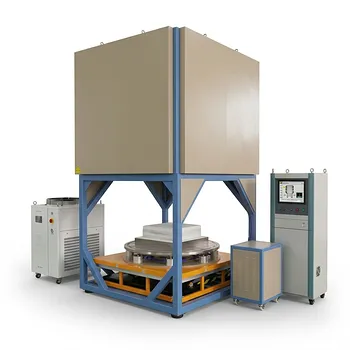
Bottom Loaded Inert Gas Atmosphere Box Furnace 1700C 1300C 216L Large Capacity Industrial Thermal Processing System
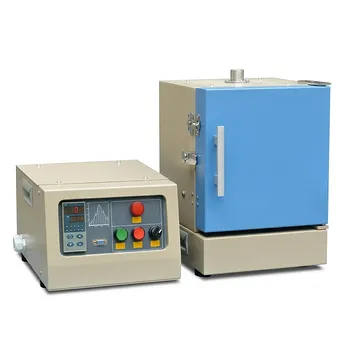
1200C Small Box Muffle Furnace with Separated Programmable Controller and 4.2L Alumina Fiber Chamber
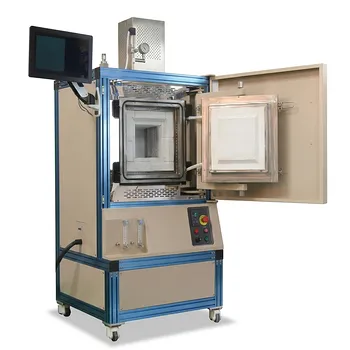
High Temperature Hydrogen Atmosphere Box Furnace 1650C Max Reducing Environment Material Synthesis System 8x8x8 Chamber