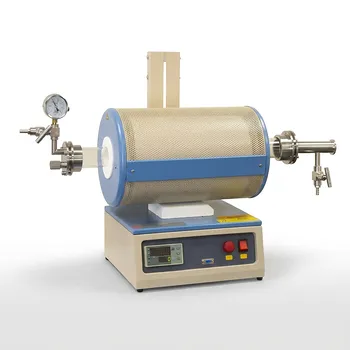
What is the core role of a high-temperature pyrolysis unit? Master the Production of Reclaimed Carbon Black.
Updated 3 months ago
The high-temperature pyrolysis unit acts as the primary reactor for converting waste tires into high-value solid carbon. By maintaining an oxygen-free environment at temperatures typically around 500°C, the unit drives the thermochemical decomposition of rubber. This process ensures that rubber hydrocarbons are fully volatilized into gases or liquids, leaving behind a solid residue of reclaimed carbon black (rCB) characterized by its high carbon content.
The core role of the pyrolysis unit is to facilitate a precise thermal transformation that separates organic volatiles from the carbon skeleton. By strictly controlling the temperature and atmosphere, it ensures the production of a stable, high-purity carbonaceous precursor while preventing the combustion of the material.
The Mechanics of Thermochemical Decomposition
Creating an Oxygen-Free Environment
The unit must operate under sealed, non-oxidizing conditions to prevent the carbon from burning. By eliminating oxygen, the equipment allows the material to reach high temperatures without undergoing combustion, which would otherwise destroy the carbon structure.
Volatilization of Hydrocarbons
At temperatures near 500°C, the rubber hydrocarbons within waste tires begin to break down and convert into gaseous or liquid products. The pyrolysis unit provides the energy necessary to drive these volatiles out of the solid matrix, leaving the carbon backbone intact.
Formation of the Carbon Skeleton
As the volatile components are removed, the remaining solid material is transformed into a stable carbonaceous residue. This residue is the foundation of reclaimed carbon black, which can then be further refined for industrial applications.
Structural Refinement and Porosity Control
Increasing Specific Surface Area
Secondary stages of pyrolysis, often using higher temperatures around 800°C, are used to increase the porosity of the rCB. This is achieved by opening microporous and mesoporous structures, which significantly boosts the BET specific surface area and iodine value.
Inducing Graphitization
Higher thermal energy levels, reaching up to 900°C, facilitate the structural reorganization of the carbon. This process increases the degree of graphitization, creating a more conductive and stable carbon support that is highly resistant to chemical degradation.
Chemical Etching and Activation
By introducing specific process gases like carbon dioxide into the furnace, the unit can etch the carbon surface. This creates a rich pore structure and allows for the adjustment of the material's catalytic performance, turning basic rCB into a functional modified carbon.
Understanding the Trade-offs
Temperature Precision vs. Yield
Lower temperatures (around 400°C) are excellent for removing moisture and volatiles but may result in a "soft" carbon that lacks structural integrity. Conversely, excessively high temperatures can lead to oxidative loss of carbon elements if the inert atmosphere is even slightly compromised, reducing the overall yield.
Atmosphere Integrity and Complexity
Maintaining a strict nitrogen-protected environment increases operational complexity and cost. However, any failure in the atmosphere seal will result in the immediate ash-formation of the carbon black, rendering the entire batch useless for high-end industrial applications.
How to Apply This to Your Process
When configuring a high-temperature pyrolysis unit, your technical specifications should align with the desired characteristics of your final reclaimed carbon black.
- If your primary focus is basic rubber recycling: Operate the unit at approximately 500°C to ensure full volatilization of hydrocarbons while maximizing the solid residue yield.
- If your primary focus is high-porosity materials: Utilize a secondary heating phase at 800°C in a tube furnace to effectively open the pore structures and increase surface area.
- If your primary focus is catalytic or conductive rCB: Aim for temperatures between 850°C and 900°C with nitrogen or CO2 gas flows to induce graphitization and surface etching.
By mastering the thermal field and atmospheric control of the pyrolysis unit, you transform industrial waste into a sophisticated, high-performance carbon resource.
Summary Table:
| Process Stage | Temperature Range | Core Function | Material Outcome |
|---|---|---|---|
| Primary Decomposition | ~500°C | Volatilization of rubber hydrocarbons | Stable carbonaceous precursor |
| Porosity Refinement | ~800°C | Opening of micro/mesopores | High BET specific surface area |
| Graphitization | 850°C - 900°C | Structural reorganization | Enhanced conductivity & stability |
| Surface Activation | 850°C+ | Chemical etching with CO2/gases | Modified functional carbon |
Advanced Thermal Solutions for Carbon Material Research
THERMUNITS is a leading manufacturer of high-temperature laboratory equipment for material science and industrial R&D. We provide the precision tools needed to master reclaimed carbon black production, including Tube, Vacuum, and Atmosphere Furnaces, as well as Rotary Kilns and CVD/PECVD systems. Our equipment ensures the strict atmospheric control and temperature uniformity required to transform industrial waste into high-performance carbon resources.
Ready to enhance your lab's thermal processing efficiency? Contact us today to discuss your custom furnace needs and achieve superior material refinement with THERMUNITS.
References
- M. M. El-Maadawy, Ahmed Taha. Conversion of carbon black recovered from waste tires into activated carbon <i>via</i> chemical/microwave methods for efficient removal of heavy metal ions from wastewater. DOI: 10.1039/d4ra00172a
Mentioned Products
- 1500C Three Zone Vertical Pyrolysis Furnace for Nanoparticle Synthesis and Advanced Oxide Coating
- Gas Pre-Heating Tube Furnace for High Temperature Pyrolysis Reactors and Material Science Research
- High Temperature Bottom Loading Vertical Furnace 1700C Dual Stage Sample Processing System 18L Large Capacity Thermal Treatment Equipment
- High Temperature 1700C Vertical Tube Furnace for Powder Spherification and Material Sintering
- 1200°C High Temperature Muffle Furnace 19L Chamber with 50 Segment Programmable Controller
People Also Ask
- Why is high-precision temperature control essential in a pyrolysis furnace? Master Pd NPs/NO-C Catalyst Synthesis
- Why is Nitrogen (N2) required for 3D carbon electrodes? Ensure material purity and structural integrity.
- What is the technical necessity of multiple high-temperature thermocouples in a pyrolysis furnace? Precision Control
- Why is it necessary to maintain a strict nitrogen (N2) atmosphere during the operation of a pyrolysis furnace? (Pro Tips)
- Why are precise nitrogen supply systems and flow meters necessary in the pyrolysis process? Optimize Purity & Yield.

Tech Team · ThermUnits
Last updated on Jun 02, 2026
Related Products
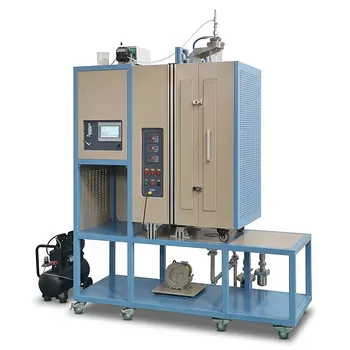
1500C Three Zone Vertical Pyrolysis Furnace for Nanoparticle Synthesis and Advanced Oxide Coating
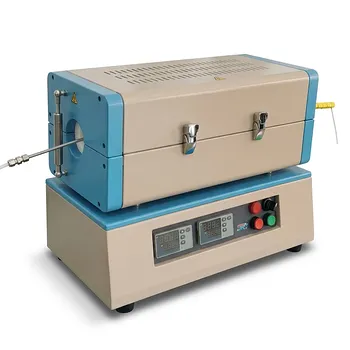
Gas Pre-Heating Tube Furnace for High Temperature Pyrolysis Reactors and Material Science Research
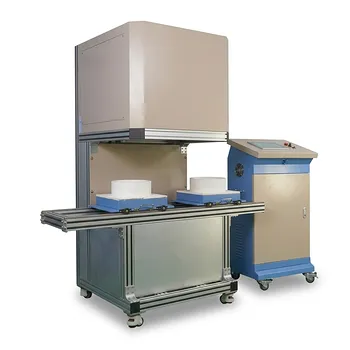
High Temperature Bottom Loading Vertical Furnace 1700C Dual Stage Sample Processing System 18L Large Capacity Thermal Treatment Equipment

High Temperature 1700C Vertical Tube Furnace for Powder Spherification and Material Sintering
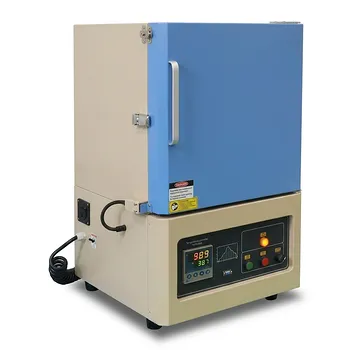
1200°C High Temperature Muffle Furnace 19L Chamber with 50 Segment Programmable Controller

High Temperature Automated 5 Inch Tube Furnace for Autonomous Material Research and Advanced Laboratory R&D
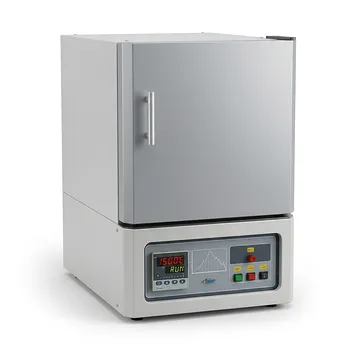
High Temperature 1500C Benchtop Muffle Furnace 3.6L Alumina Fiber Chamber Programmable Controller Sintering Annealing Carbonization Thermal Processing System
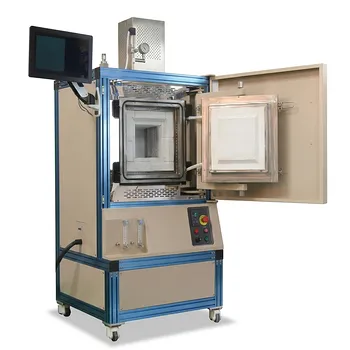
High Temperature Hydrogen Atmosphere Box Furnace 1650C Max Reducing Environment Material Synthesis System 8x8x8 Chamber
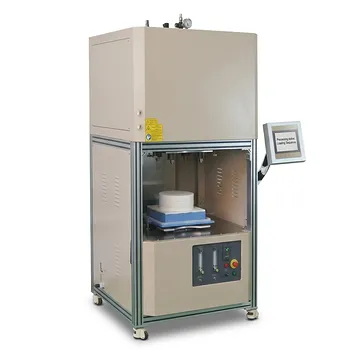
High Temperature Vertical Atmosphere Controlled Furnace with Automatic Bottom Loading and 1700°C Capacity for Advanced Material Research
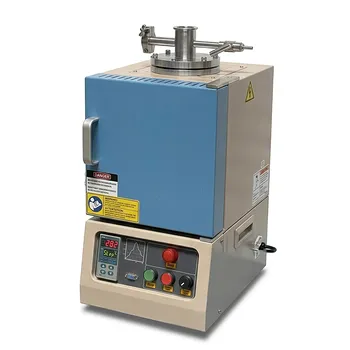
High Temperature Hybrid Muffle and Tube Furnace with Vacuum Capability and PID Control
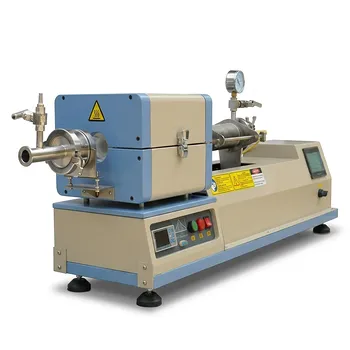
High Temperature 1200C Split Tube Furnace with Internal Travel Mechanism for HPCVD and Crystal Growth Research
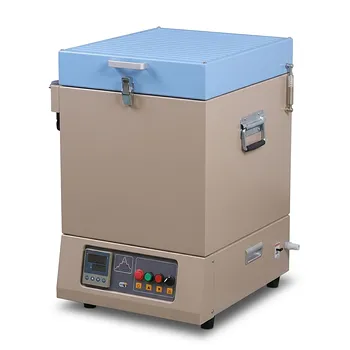
High Temperature Vertical Crucible Furnace with 22L Heating Chamber and 1200C Maximum Temperature
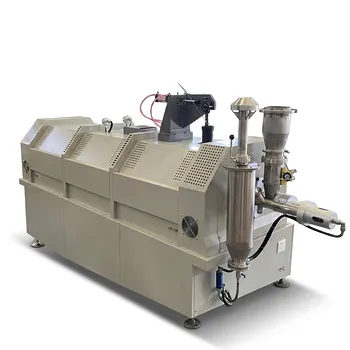
Electric Rotary Kiln Continuous Working Small Rotary Furnace Heating Pyrolysis Plant

High Temperature 1700C Six Zone Split Tube Furnace with Alumina Tube and Water Cooled Flanges
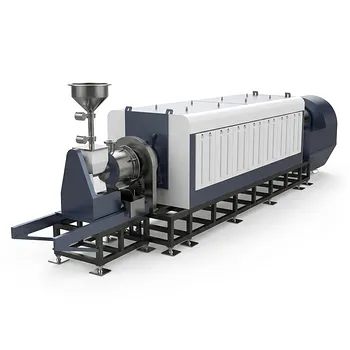
Electric Rotary Kiln Small Rotary Furnace Biomass Pyrolysis Plant
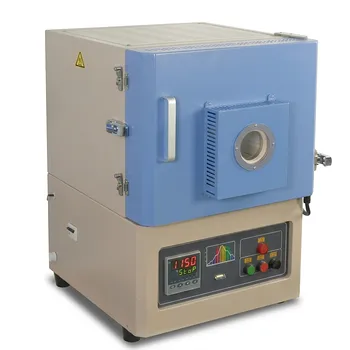
High Temperature Benchtop Muffle Furnace with Quartz Observation Window for Thermal Imaging and Material Analysis

High Temperature 1700C Tube Furnace with High Vacuum Turbomolecular Pump System and Multi Channel Mass Flow Controller Gas Mixer

High Temperature Tube Furnace 1500C with Sliding Flanges and 50mm OD for Rapid Thermal Processing Fast Heating and Cooling
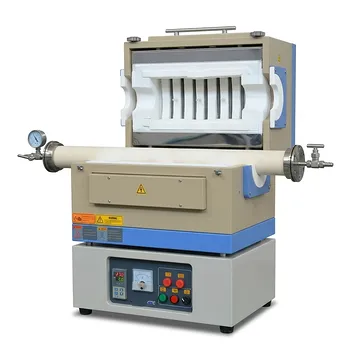
High Temperature 1600C Split Tube Furnace Vacuum Flanges Valves Optional 60mm 80mm Alumina Tube