What is the function of a 99.8% high-purity alumina reaction tube in slag emissivity measurement? Ensuring Data Accuracy
Updated 3 months ago
The 99.8% high-purity alumina reaction tube is the critical containment vessel that ensures experimental integrity by providing a chemically inert, high-temperature-stable environment. In slag emissivity experiments, it acts as a sealed barrier that houses heating elements and samples, isolating them from external contaminants while maintaining mechanical strength at temperatures reaching 1773 K.
Core Takeaway: The reaction tube functions as both a structural backbone and a protective shield, preventing slag erosion and atmospheric interference from compromising the precision of emissivity data.
Maintaining Structural Integrity at Extreme Temperatures
High-Temperature Mechanical Strength
The primary role of the 99.8% alumina tube is to serve as the central support structure for the entire experimental apparatus. Unlike lower-grade materials, high-purity alumina maintains its mechanical rigidity and load-bearing capacity even when subjected to temperatures as high as 1773 K.
Thermal Shock Resistance
Experimental cycles often involve rapid temperature shifts that can shatter standard ceramics. The alumina tube offers superior thermal shock resistance, allowing it to withstand heating and cooling phases without developing structural micro-cracks that would compromise the vacuum or sealed atmosphere.
Housing Internal Components
The tube functions as a protective conduit for internal heating elements and measurement sensors. By providing a stable internal volume, it ensures that sensitive instrumentation is held in a fixed geometry relative to the slag sample, which is vital for reproducible emissivity readings.
Chemical Inertness and Sample Purity
Resisting Corrosive Slag Erosion
Molten slag is highly aggressive, often containing corrosive oxides such as Lead Oxide (PbO), Zinc Oxide (ZnO), and Iron Oxide (FeO). The 99.8% purity level ensures the tube remains chemically inert, preventing these oxides from eating through the vessel walls during measurements between 1473 K and 1623 K.
Preventing Impurity Migration
If the reaction vessel reacts with the slag, it introduces foreign elements into the melt. This contamination would alter the chemical composition and surface properties of the slag, leading to inaccurate emissivity data that does not reflect the "true" nature of the industrial process being studied.
Refractoriness and Stability
The material's high refractoriness means it does not soften or become porous at the measurement temperature. This stability ensures that the tube does not become a source of vapor-phase contaminants that could settle on optical sensors or windows used to measure radiation.
Environmental Isolation and Atmospheric Control
Creating a Sealed Micro-Environment
The reaction tube acts as a sealed container that separates the experiment from the outside world. This isolation is necessary to prevent oxygen or moisture from the ambient air from reacting with the slag or the heating elements inside.
Precise Oxygen Pressure Management
In slag studies, the oxygen partial pressure must be strictly controlled to simulate specific industrial furnace conditions. The alumina tube serves as a dedicated gas flow channel, allowing researchers to pump in specific gas mixtures to maintain a precisely defined atmosphere.
Shielding from Furnace Interference
The tube prevents chemical interference between the melt sample and the various components of the furnace itself. By creating a physical barrier, it ensures that the radiation detected by sensors originates solely from the slag and not from stray reactions occurring elsewhere in the heating chamber.
Understanding the Trade-offs
Brittleness and Handling
While alumina is exceptionally strong at high temperatures, it remains a brittle ceramic. It is highly susceptible to mechanical failure if subjected to physical impact or uneven clamping forces at the seal points.
Cost vs. Purity
Using 99.8% purity represents a significant cost increase over 95% or 99% alumina. However, in emissivity experiments, the higher purity is mandatory because even trace impurities in the ceramic can lower the melting point of the tube or increase its reactivity with the slag.
Thermal Conductivity Limitations
Alumina has moderate thermal conductivity, which can lead to thermal gradients along the tube length. Researchers must carefully design the heating zone to ensure the slag sample is heated uniformly, as temperature non-uniformity is a leading cause of error in emissivity measurement.
How to Apply This to Your Project
When utilizing a high-purity alumina reaction tube for slag measurements, your approach should be dictated by your specific experimental requirements:
- If your primary focus is Chemical Precision: Prioritize the 99.8% purity grade to ensure that corrosive oxides like FeO do not contaminate the melt and skew your emissivity results.
- If your primary focus is Atmospheric Control: Ensure the tube ends are properly ground and fitted with vacuum-tight flanges to maintain a stable oxygen partial pressure environment.
- If your primary focus is Equipment Longevity: Implement a controlled heating and cooling ramp (typically 5-10°C/min) to maximize the lifespan of the tube and avoid failure due to thermal stress.
Selecting the correct alumina purity ensures that the data you collect is a true reflection of the slag's physical properties rather than an artifact of crucible contamination.
Summary Table:
| Feature | Function in Slag Experiments | Key Benefit |
|---|---|---|
| 99.8% Purity | Resists corrosion from aggressive oxides (PbO, FeO) | Prevents sample contamination |
| High Refractoriness | Maintains rigidity up to 1773 K | Ensures structural integrity |
| Sealed Design | Facilitates controlled gas flow/oxygen pressure | Precise atmospheric simulation |
| Thermal Resistance | Withstands rapid heating and cooling cycles | Reduces risk of tube failure/cracking |
| Chemical Inertness | Acts as a barrier between melt and sensors | High-precision emissivity readings |
Elevate Your R&D Precision with THERMUNITS
At THERMUNITS, we understand that high-precision results in material science depend on the quality of your thermal environment. As a leading manufacturer of advanced high-temperature laboratory equipment, we provide a comprehensive range of solutions including Tube, Vacuum, Atmosphere, and Muffle furnaces, as well as specialized CVD/PECVD systems and Thermal Elements.
Whether you are conducting complex slag emissivity measurements or industrial heat treatments, our equipment is engineered to provide the stability, purity, and control your research demands.
Ready to optimize your laboratory efficiency? Contact our expert team today to discuss your specific requirements and find the perfect thermal processing solution for your project.
References
- B. V. Rangavittal, Björn Glaser. Experimental Determination of Slag Emissivities for Enhanced Slag Control by Infrared‐Based Systems. DOI: 10.1002/srin.202400277
Mentioned Products
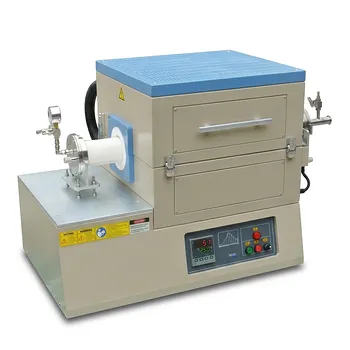
- High Temperature 1700C Benchtop Tube Furnace with 5 Inch Heating Zone High Purity Alumina Tube and Vacuum Sealing Flanges
- 1700C Hydrogen Gas Tube Furnace with 60mm Alumina Process Tube and Integrated Hydrogen Safety Detector
- Vertical Hybrid High Temperature Furnace 1500C Alumina Tube SOFC Fuel Cell Testing Laboratory Heat Treatment Research Equipment
- 1750°C High Temperature Benchtop Vacuum Atmosphere Tube Furnace with Kanthal Super 1800 Heating Elements and 60mm Alumina Processing Tube
- High Temperature Compact Vacuum Tube Furnace 1750C Max 60mm OD Alumina Tube
People Also Ask
- How are high-temperature tube furnaces utilized to repair etching damage? Precision Lattice Restoration Solutions
- What is the function of a high-temperature tube furnace in the synthesis of g-C3N4? Optimize Thermal Polycondensation
- What impact does the heating rate of a tube furnace have on biochar microstructure? Optimize Your Material R&D.
- What is the role of a high-temperature tube furnace in the calcination process of ZnO/In2O3 nanocomposites?
- Conditions for nZVI Synthesis in Tube Furnaces? Learn to Optimize Thermal and Atmospheric Control for High Purity.

Tech Team · ThermUnits
Last updated on Jun 03, 2026
Related Products

High Temperature 1700C Benchtop Tube Furnace with 5 Inch Heating Zone High Purity Alumina Tube and Vacuum Sealing Flanges
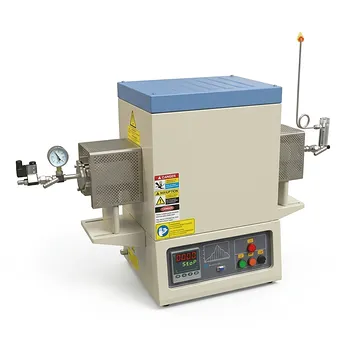
1700C Hydrogen Gas Tube Furnace with 60mm Alumina Process Tube and Integrated Hydrogen Safety Detector
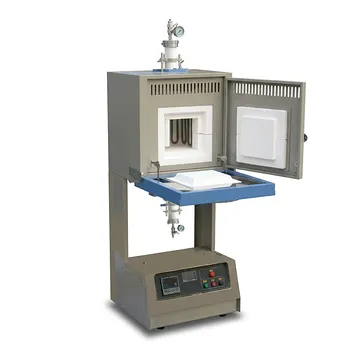
Vertical Hybrid High Temperature Furnace 1500C Alumina Tube SOFC Fuel Cell Testing Laboratory Heat Treatment Research Equipment

1750°C High Temperature Benchtop Vacuum Atmosphere Tube Furnace with Kanthal Super 1800 Heating Elements and 60mm Alumina Processing Tube
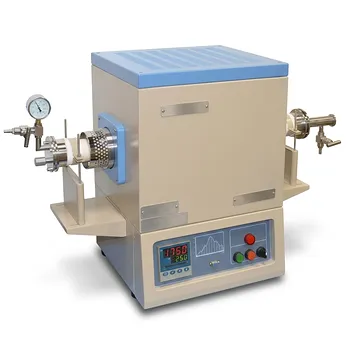
High Temperature Compact Vacuum Tube Furnace 1750C Max 60mm OD Alumina Tube
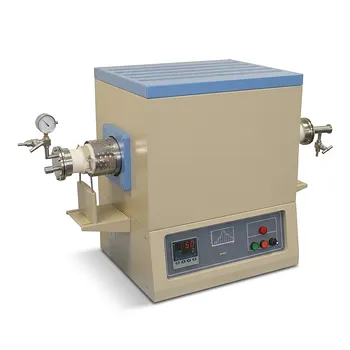
1700C High Temperature Alumina Tube Furnace with 18 Inch Heated Zone and Vacuum Sealing Flanges
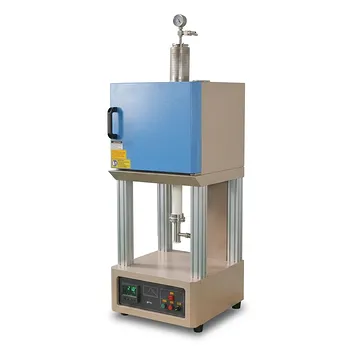
Hybrid High Temperature Tube and Box Furnace 1700C with 2 Inch Alumina Tube for Material Research
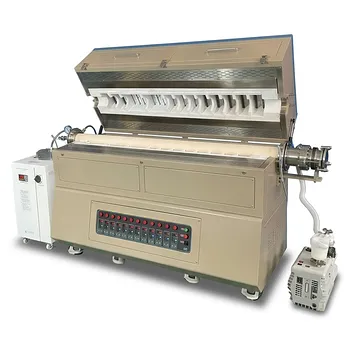
Twelve Zone 1700°C Multi Zone Split Tube Furnace with 100mm Alumina Processing Tube and Independent Temperature Gradient Control
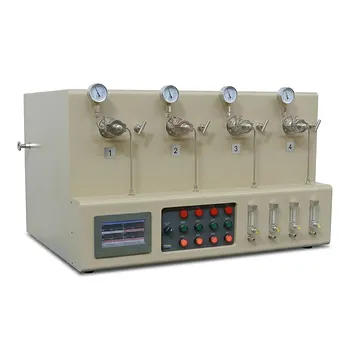
High Temperature 1700C 4 Channel Tube Furnace 1 Inch Alumina Tube for Hi-Throughput Annealing

1800C High Temperature Compact Vacuum Tube Furnace with 60mm OD Alumina Tube and Kanthal MoSi2 Heating Elements

Compact High Temperature 1600C Tube Furnace with 50mm Alumina Tube and Vacuum Flanges for Material Sintering
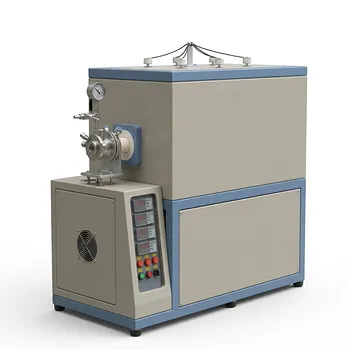
High Temperature 1700C Three Zone Tube Furnace with Alumina Tube 50mm 60mm 80mm OD for Material Research and Industrial Heat Treatment
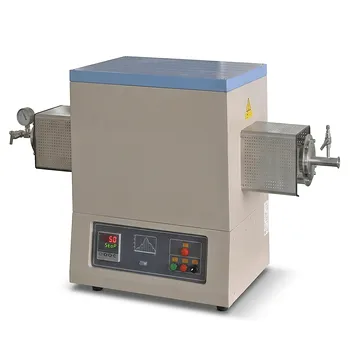
High Temperature 1700C Tube Furnace with 4 Inch OD Alumina Tube and Vacuum Sealing Flanges
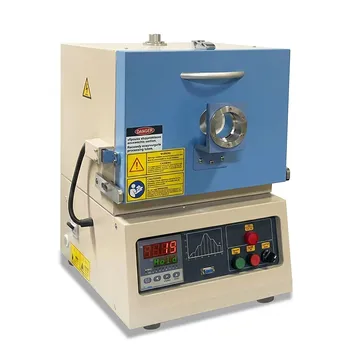
High Temperature Hybrid Muffle and Tube Furnace 1700C Programmable PID Controlled Box System with Vacuum Flange and Alumina Processing Tube

Vertical 1700C Vacuum and Atmosphere Tube Furnace with 80mm Alumina Tube
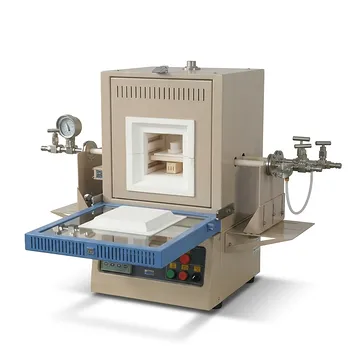
1700C Compact Hybrid Furnace with Dual Layer Box Sintering and Controlled Atmosphere Alumina Tubes
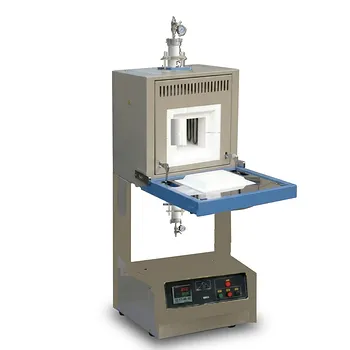
High Temperature Vertical Hybrid Furnace with Alumina Tube and SiC Heating for SOFC Coin Cell Testing and Atmosphere Processing

High Temperature 1700C Six Zone Split Tube Furnace with Alumina Tube and Water Cooled Flanges
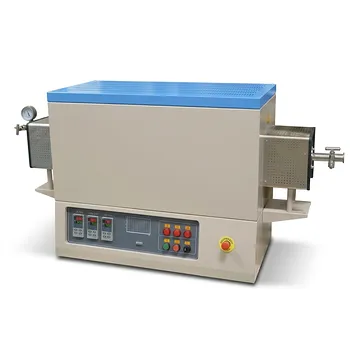
Three Zone Alumina Tube Furnace with Vacuum Flanges High Temperature 1700C Thermal Gradient CVD System