What is the function of a high-power tube furnace in the synthesis of the Ti4AlN3 MAX phase? Optimize Phase Purity.
Updated 3 months ago
The high-power tube furnace serves as the critical reaction chamber for the synthesis of the Ti4AlN3 MAX phase. Its primary function is to provide a sustained, stable 1400 °C environment that facilitates the solid-state reaction between titanium, aluminum, and titanium nitride powders. By integrating precise temperature control with a constant argon gas flow, the furnace prevents the oxidation of these reactive precursors during the intensive 30-hour sintering process.
Core Takeaway: A high-power tube furnace is essential for Ti4AlN3 synthesis because it creates a simultaneous high-temperature and oxygen-free environment, allowing precursor powders to chemically reorganize into a high-purity, layered MAX phase structure.
Driving Solid-State Reaction Kinetics
Achieving the Thermal Threshold
The formation of Ti4AlN3 requires a consistent 1400 °C environment to initiate the migration of atoms between the raw powder materials. This temperature provides the necessary activation energy for the titanium, aluminum, and titanium nitride (TiN) particles to bond and reorganize into the specific hexagonal crystal structure of the MAX phase.
Sustaining Long-Duration Stability
Unlike faster chemical processes, the synthesis of Ti4AlN3 involves a 30-hour sintering cycle. The high-power furnace is designed to maintain thermal equilibrium over these extended periods, ensuring that the solid-state reaction reaches completion without temperature fluctuations that could lead to the formation of undesired intermediate phases.
Controlling Heating and Cooling Rates
Precise control over the thermal curve is vital for managing the structural integrity of the bulk precursors. By regulating the rate of heating (often around 10°C/min) and cooling, the furnace minimizes internal stresses and prevents the cracking of the layered ceramic-metallic material.
Atmospheric Protection and Phase Purity
Prevention of Metallic Oxidation
At temperatures as high as 1400 °C, metallic titanium and aluminum are highly reactive and will readily oxidize if exposed to even trace amounts of oxygen. The tube furnace’s sealed environment allows for the continuous introduction of high-purity argon gas, which displaces oxygen and water vapor to protect the raw materials.
Maintaining Stoichiometric Integrity
By excluding oxygen interference, the furnace ensures that the final product maintains the Ti4AlN3 stoichiometry rather than forming titanium oxides or aluminum oxides. This atmospheric control is the difference between producing a functional MAX phase material and a useless mixture of oxides and unreacted powders.
Removal of Volatile Impurities
In many synthesis setups, the furnace environment also serves to burn off residual binders or space-holder impurities during initial heating stages. This purification process ensures that the final sintered product achieves high chemical stability and phase purity.
Understanding the Trade-offs and Challenges
Thermal Gradients and Uniformity
While tube furnaces provide excellent control, they can suffer from radial and axial temperature gradients. If the precursor powders are not placed within the furnace's "sweet spot" (the zone of maximum thermal uniformity), different parts of the sample may react at different rates, leading to an inhomogeneous final product.
Material Fatigue and Contamination
Operating at 1400 °C for 30 hours places significant stress on the furnace's internal components, particularly the alumina process tube. Over time, these tubes can become brittle or even react slightly with volatile aluminum species, potentially introducing trace contaminants into the MAX phase if the tube is not properly maintained.
Scalability Constraints
The tube furnace is a precision tool designed for high-quality, small-to-medium-scale synthesis. Its throughput is limited by the physical dimensions of the tube, making it more suitable for research and development or specialized precursor production than for massive industrial-scale manufacturing.
How to Apply This to Your Project
Making the Right Choice for Your Goal
- If your primary focus is Phase Purity: Ensure your tube furnace has a high-vacuum capability or a high-sensitivity mass flow controller to maintain an absolute inert argon atmosphere.
- If your primary focus is Structural Integrity: Program the furnace for slow, controlled cooling stages to allow the Ti4AlN3 crystal lattice to stabilize without thermal shock.
- If your primary focus is Maximizing Yield: Identify the precise uniform heating zone of your furnace tube using a secondary thermocouple to ensure all powder samples undergo identical reaction kinetics.
The high-power tube furnace remains the gold standard for Ti4AlN3 synthesis by providing the delicate balance of extreme heat and chemical isolation required to form complex layered materials.
Summary Table:
| Feature | Role in Ti4AlN3 Synthesis | Key Benefit |
|---|---|---|
| 1400°C Thermal Environment | Provides activation energy for solid-state reactions | Facilitates Ti, Al, and TiN atom migration |
| Argon Gas Flow | Displaces oxygen and moisture at high temperatures | Prevents oxidation and ensures stoichiometric purity |
| 30-Hour Sintering Cycle | Maintains thermal equilibrium over long durations | Ensures complete chemical reorganization into MAX phase |
| Precision Cooling Control | Regulates the thermal gradient during ramp-down | Minimizes internal stresses and prevents material cracking |
Maximize Your Research Precision with THERMUNITS
Achieving the perfect Ti4AlN3 MAX phase requires absolute control over temperature and atmosphere. THERMUNITS is a leading manufacturer specializing in high-performance thermal processing solutions for material science and industrial R&D.
Our advanced Tube Furnaces, Vacuum systems, and CVD/PECVD units are engineered to handle the rigorous 1400°C demands of MAX phase synthesis, ensuring high phase purity and structural integrity. From Dental and Muffle furnaces to complex Vacuum Induction Melting (VIM) systems, we provide the tools necessary for cutting-edge heat treatment.
Ready to elevate your laboratory’s capabilities? Contact THERMUNITS today to find your ideal furnace solution!
References
- Cheng-Che Hsiao, Abdoulaye Djire. Switchable Charge Storage Mechanism via in Situ Activation of MXene Enables High Capacitance and Stability in Aqueous Electrolytes. DOI: 10.1021/acsnano.3c12226
Mentioned Products
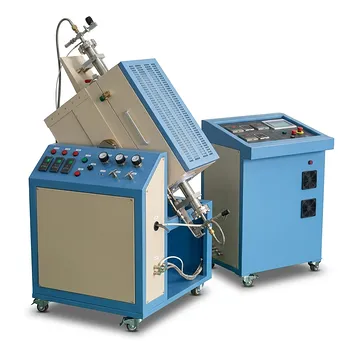
- 1100C High Pressure Rocking Tube Furnace with 2 Inch Super Alloy Processing Tube for Material Synthesis
- Compact High Temperature 1600C Tube Furnace with 50mm Alumina Tube and Vacuum Flanges for Material Sintering
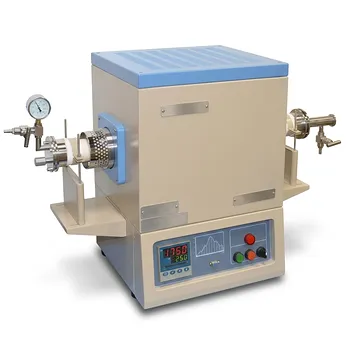
- High Temperature Compact Vacuum Tube Furnace 1750C Max 60mm OD Alumina Tube
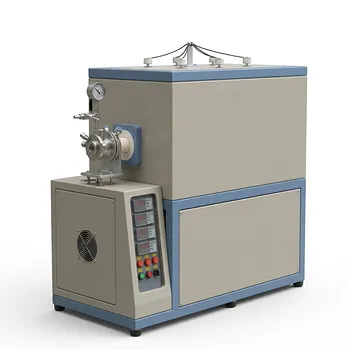
- High Temperature 1700C Three Zone Tube Furnace with Alumina Tube 50mm 60mm 80mm OD for Material Research and Industrial Heat Treatment
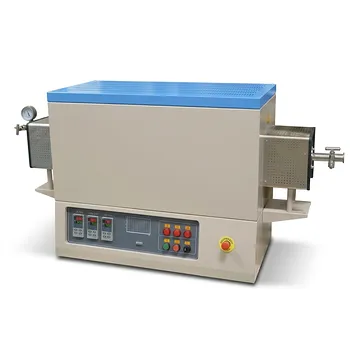
- Three Zone Alumina Tube Furnace with Vacuum Flanges High Temperature 1700C Thermal Gradient CVD System
People Also Ask
- Why is a high-pressure tube furnace required for the nitriding process of Fe-Cr-N alloys? Enhance Phase Stability
- What is the function of a high-temperature tube furnace in the synthesis of graphene oxide? Mastering LPCVD Processes
- Function of tube furnaces in cellulose aerogel carbonization? Achieve High-Performance Materials
- Why must the reduction of Sn@BIBCs be performed in a high-temperature tube furnace with Ar/H2? Master Phase Control.
- What core conditions does a high-temperature tube furnace provide for rGO aerogels? Mastering Precision Synthesis.

Tech Team · ThermUnits
Last updated on Jun 03, 2026
Related Products
1100C High Pressure Rocking Tube Furnace with 2 Inch Super Alloy Processing Tube for Material Synthesis

Compact High Temperature 1600C Tube Furnace with 50mm Alumina Tube and Vacuum Flanges for Material Sintering
High Temperature Compact Vacuum Tube Furnace 1750C Max 60mm OD Alumina Tube
High Temperature 1700C Three Zone Tube Furnace with Alumina Tube 50mm 60mm 80mm OD for Material Research and Industrial Heat Treatment
Three Zone Alumina Tube Furnace with Vacuum Flanges High Temperature 1700C Thermal Gradient CVD System
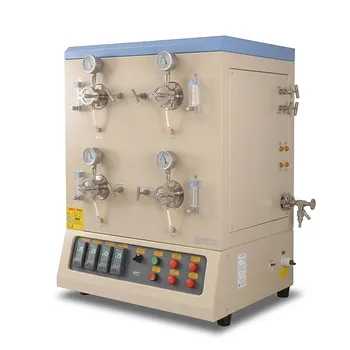
High Temperature 1500C Four Channel Tube Furnace with Alumina Tubes for High Throughput Annealing and Phase Diagram Research
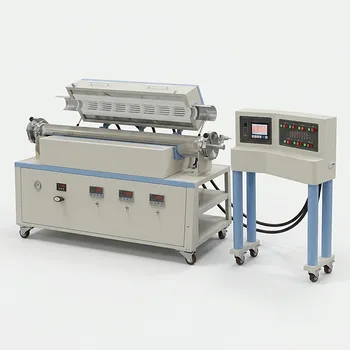
1100C Eight Zone High Pressure Super Alloy Tube Furnace with Integrated High Pressure Gas Control System
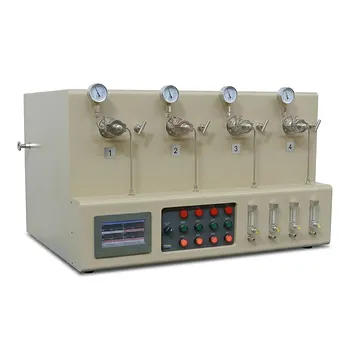
High Temperature 1700C 4 Channel Tube Furnace 1 Inch Alumina Tube for Hi-Throughput Annealing
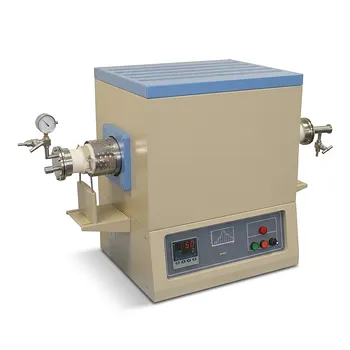
1700C High Temperature Alumina Tube Furnace with 18 Inch Heated Zone and Vacuum Sealing Flanges

High Temperature 1700C Vertical Tube Furnace for Powder Spherification and Material Sintering
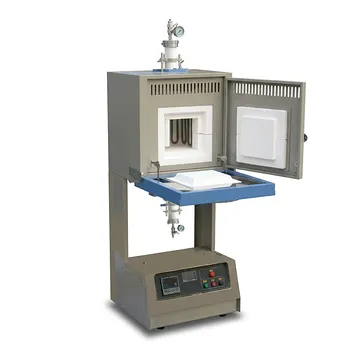
Vertical Hybrid High Temperature Furnace 1500C Alumina Tube SOFC Fuel Cell Testing Laboratory Heat Treatment Research Equipment
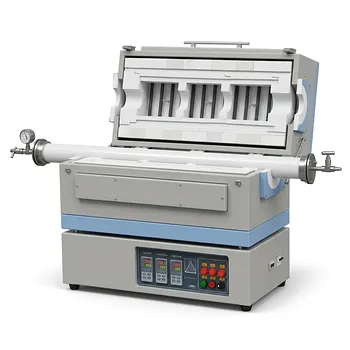
High Temperature 1500C Three Zone Split Tube Furnace with 80mm Alumina Tube and Vacuum Flange
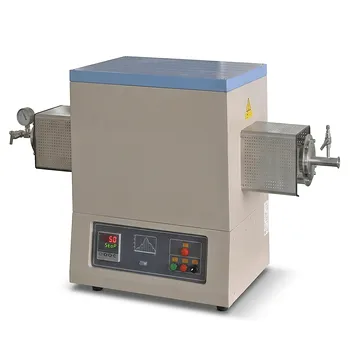
High Temperature 1700C Tube Furnace with 4 Inch OD Alumina Tube and Vacuum Sealing Flanges
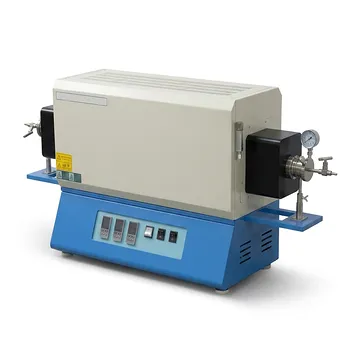
High Temperature Three Temperature Zone Tube Furnace for Advanced Material Science Sintering and Chemical Vapor Deposition Applications

High Temperature 1700C Six Zone Split Tube Furnace with Alumina Tube and Water Cooled Flanges
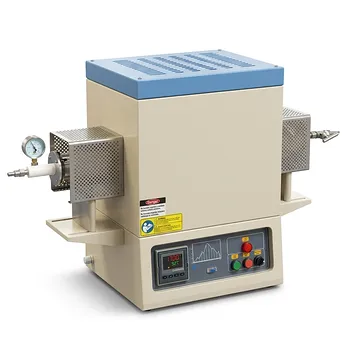
High Temperature Three Zone Tube Furnace 1700C with Alumina Tube and Water Cooled Flanges

High Temperature 1700C Benchtop Tube Furnace with 5 Inch Heating Zone High Purity Alumina Tube and Vacuum Sealing Flanges
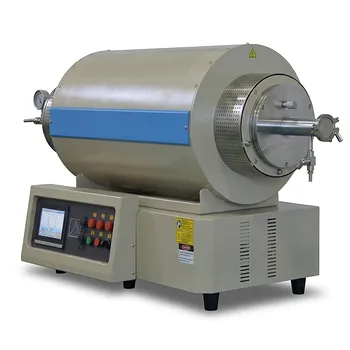
1200C Max Three Zone Tube Furnace 6 Inch OD Max with Tube and Flange

1800C High Temperature Compact Vacuum Tube Furnace with 60mm OD Alumina Tube and Kanthal MoSi2 Heating Elements
