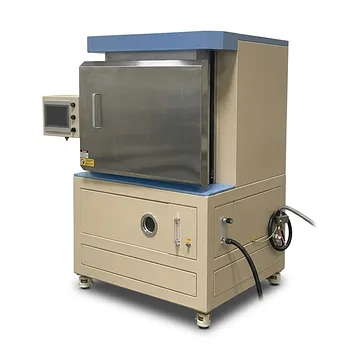
What is the function of a high-temperature annealing furnace in SWCNT pretreatment? Enhance Purity and Lattice Quality
Updated 3 months ago
The primary function of a high-temperature annealing furnace in SWCNT pretreatment is the selective oxidative purification of the raw material. By maintaining a precise thermal environment, typically around 300°C in an air atmosphere, the furnace facilitates the combustion of amorphous carbon impurities. This process significantly increases the purity of the single-walled carbon nanotubes (SWCNTs), creating a clean and high-quality foundation for subsequent chemical transformations, such as the synthesis of graphene oxide nanoribbons.
Core Takeaway: High-temperature annealing acts as a critical "thermal filter" that eliminates non-crystalline carbon debris and prepares the nanotube lattice for advanced processing. It ensures that downstream chemical reactions, like shearing and oxidation, occur uniformly across a pure substrate.
The Mechanisms of Thermal Purification
Selective Oxidation of Amorphous Carbon
The furnace provides the controlled energy required to break the bonds of amorphous carbon without destroying the more stable hexagonal lattice of the SWCNTs. Because amorphous carbon has a lower thermal stability than crystalline nanotubes, it oxidizes and gasifies at lower temperatures. This selective removal is essential for uncovering the true surface area of the nanotubes.
Increasing Material Purity
By eliminating carbonaceous byproducts and organic residues, the annealing process drastically improves the purity levels of the raw nanotubes. This high-purity state is a prerequisite for precision applications where structural integrity is paramount. Without this step, impurities can interfere with the chemical shearing and oxidation reactions used to produce graphene oxide nanoribbons.
Exposing Catalyst Impurities
During air pre-oxidation, the furnace helps convert residual metallic catalysts, such as iron, into iron oxides. This transformation is vital because it "opens up" or exposes these impurity sites. Once oxidized, these metallic remnants are more easily targeted and removed during subsequent deep purification steps.
Structural Refinement and Surface Activation
Repairing Lattice Defects
High-temperature environments provide the thermal energy necessary for the rearrangement of carbon atoms within the nanotube walls. This process can repair defects in the carbon tube walls, leading to improved crystallinity. Enhanced crystallinity directly correlates to better initial electrical conductivity and higher Seebeck coefficients in the final material.
Preparing for Chemical Shearing
For the synthesis of graphene oxide nanoribbons, the SWCNTs must be susceptible to longitudinal unzipping. The annealing furnace ensures the nanotubes are free from protective layers of amorphous carbon that would otherwise block oxidizing agents. This allows chemical shearing reagents to interact directly and uniformly with the nanotube surface.
Improving Interfacial Interactions
A clean, annealed surface facilitates stronger van der Waals interactions and better wetting during subsequent processing. This is particularly important when nanotubes are being integrated into arrays or used as templates. The removal of surface "noise" (impurities) ensures that the nanotubes can be precisely manipulated at the atomic level.
Understanding the Trade-offs
Temperature Sensitivity
The window for effective air annealing is remarkably narrow. If the furnace temperature exceeds the stability threshold of the SWCNTs (often starting around 400°C in air), the nanotubes themselves will begin to oxidize, leading to significant mass loss and structural damage.
Atmosphere Control
While air is used for removing amorphous carbon, many structural refinement processes require a stable inert atmosphere, such as Argon. Switching between these environments is necessary to prevent unwanted total combustion of the carbon sample while still achieving the desired level of "cleaning."
Risk of Structural Over-Processing
Extended soaking times at high temperatures can lead to the unwanted graphitization of impurities or the fusion of individual nanotubes. This can make subsequent chemical dispersion more difficult, as the nanotubes may become bundled or "sintered" together, resisting the shearing forces required for nanoribbon production.
How to Apply This to Your Project
Recommendations Based on Your Goal
- If your primary focus is producing graphene oxide nanoribbons: Utilize air annealing at 300°C to ensure the nanotubes are clean enough for uniform chemical shearing and longitudinal oxidation.
- If your primary focus is enhancing electrical conductivity: Aim for higher temperature treatments in a strictly controlled inert (Argon) environment to repair wall defects and improve the crystalline structure.
- If your primary focus is removing metallic catalysts: Use a two-stage process in the furnace, starting with air oxidation to convert metals to oxides, followed by an acid wash to dissolve the exposed impurities.
By leveraging the precise thermal control of an annealing furnace, you transform a raw, heterogeneous carbon soot into a high-performance technical precursor ready for advanced molecular engineering.
Summary Table:
| Key Function | Primary Benefit | Processing Environment |
|---|---|---|
| Selective Oxidation | Removes amorphous carbon & organic residues | ~300°C in Air Atmosphere |
| Catalyst Exposure | Converts metal impurities into removable oxides | Controlled Oxidative Thermal Cycle |
| Lattice Repair | Improves crystallinity & electrical conductivity | High-Temp Inert Atmosphere (Argon) |
| Surface Activation | Enables uniform chemical shearing & unzipping | Precise Thermal Pretreatment |
Optimize Your Nanomaterial Processing with THERMUNITS
As a leading manufacturer of high-temperature laboratory equipment for material science and industrial R&D, THERMUNITS provides the precision thermal environments necessary for sensitive SWCNT pretreatment. Whether you require Tube furnaces, Atmosphere furnaces, or advanced CVD/PECVD systems, our equipment ensures exact temperature control to prevent structural damage while maximizing purity.
Ready to enhance your lab's efficiency and material quality? Contact our technical experts today to find the perfect thermal processing solution for your nanotubes, graphene, or advanced ceramic research.
References
- Wencheng Liu, Yan Lü. Nitrogen‐Doped Graphene Oxide Nanoribbon Supported Cobalt Oxide Nanoparticles as High‐Performance Bifunctional Catalysts for Zinc–Air Battery. DOI: 10.1002/aesr.202400001
Mentioned Products
- High Temperature Vertical Atmosphere Controlled Furnace with Automatic Bottom Loading and 1700°C Capacity for Advanced Material Research
- Large Bench Top 1700C High Temperature Muffle Furnace with 19L Chamber for Advanced Material Sintering and Annealing
- High Temperature 1000C Vacuum Furnace with 8 Inch ID Chamber for Material Sintering and Research Annealing
- High Temperature Cold Wall Vacuum Furnace for Advanced Material Sintering and Annealing 1600C Heating Area 200x200x300mm
- High Temperature 1500C Benchtop Muffle Furnace 3.6L Alumina Fiber Chamber Programmable Controller Sintering Annealing Carbonization Thermal Processing System
People Also Ask
- What role does atmosphere control play in technical ceramics and glass? Master Material Purity and Precision
- What is the function of a vertical tube furnace in MnOx-SiO2 research? Precision Control & Quenching
- What's the Role of Tube Furnaces in FeCuS-N-C Synthesis? Precision Pyrolysis & Atmosphere Control
- What role does a high-temperature atmosphere furnace play in the direct electrochemical reduction of CO2? - Key Insights
- What is the function of a high-temperature tube furnace with atmosphere control? Optimize Carbonization of Composites

Tech Team · ThermUnits
Last updated on Jun 03, 2026
Related Products
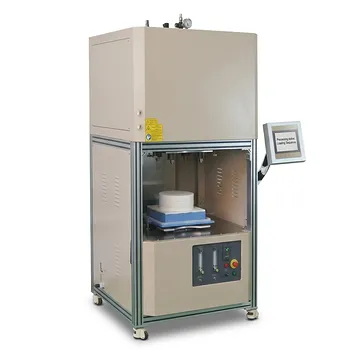
High Temperature Vertical Atmosphere Controlled Furnace with Automatic Bottom Loading and 1700°C Capacity for Advanced Material Research
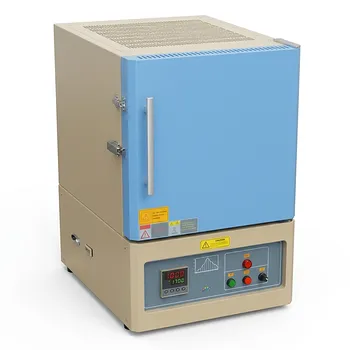
Large Bench Top 1700C High Temperature Muffle Furnace with 19L Chamber for Advanced Material Sintering and Annealing
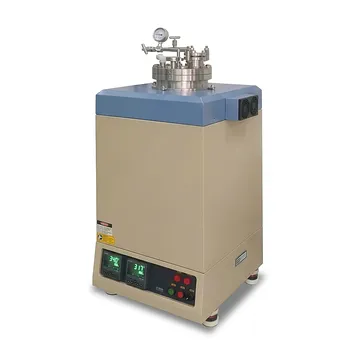
High Temperature 1000C Vacuum Furnace with 8 Inch ID Chamber for Material Sintering and Research Annealing
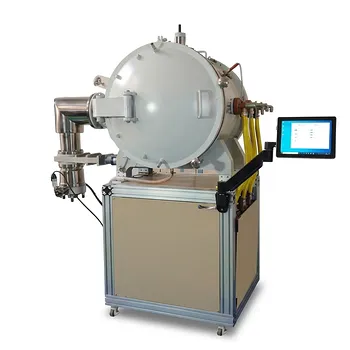
High Temperature Cold Wall Vacuum Furnace for Advanced Material Sintering and Annealing 1600C Heating Area 200x200x300mm
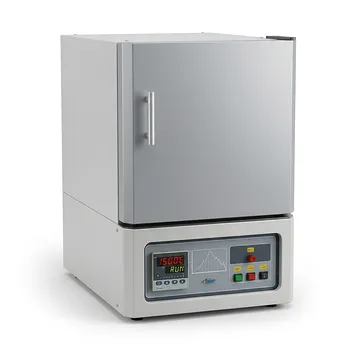
High Temperature 1500C Benchtop Muffle Furnace 3.6L Alumina Fiber Chamber Programmable Controller Sintering Annealing Carbonization Thermal Processing System
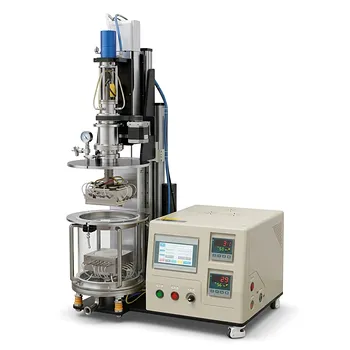
High Temperature 800C Rapid Thermal Processing Furnace with Rotating Sample Holder for Close Spaced Sublimation and Thin Film Solar Cell Research
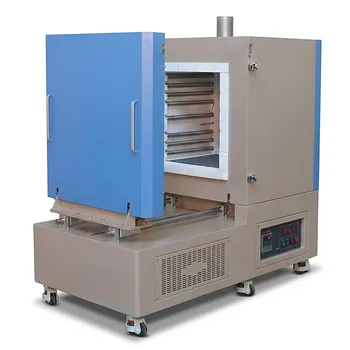
1200C Five Side Heating Muffle Furnace with Sliding Door 125L Volume High Temperature Heat Treatment System for Large Scale Sintering and Annealing
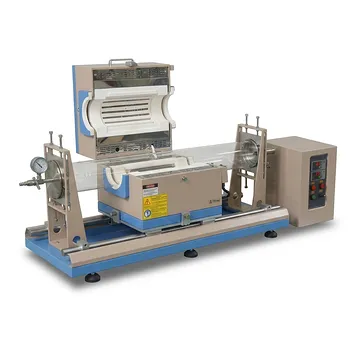
1200C High Temperature 5 Inch Sliding Tube Furnace for Rapid Thermal Processing RTP and Wafer Annealing
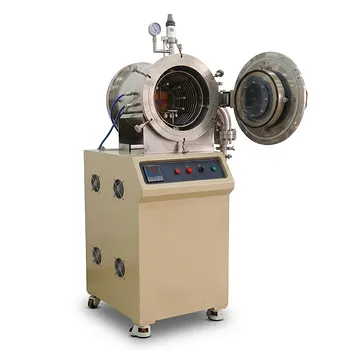
High Temperature Cold Wall High Vacuum Chamber Furnace 1400C for Advanced Material Processing
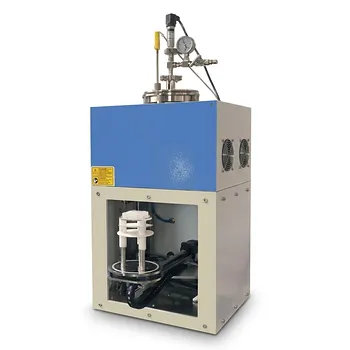
Rapid Thermal Processing Atmosphere Controlled Bottom Loading Furnace 1100C with 50C Per Second Heating Rate for Wafer Annealing
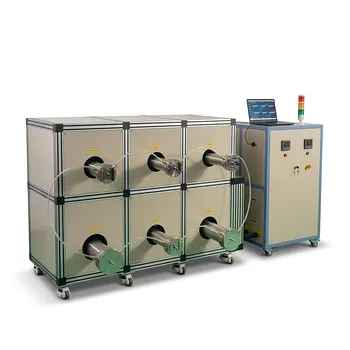
1200C Max 6 Channel High Cleanliness Hydrogen Furnace for High Throughput Annealing

High Temperature 1700C Vertical Tube Furnace for Powder Spherification and Material Sintering
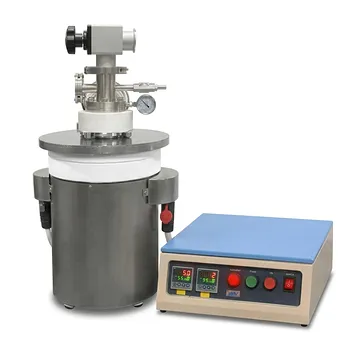
1100C High Temperature Vacuum Crucible Furnace with Quartz Chamber for Thermal Processing and Sintering

High Temperature 1700C Benchtop Tube Furnace with 5 Inch Heating Zone High Purity Alumina Tube and Vacuum Sealing Flanges
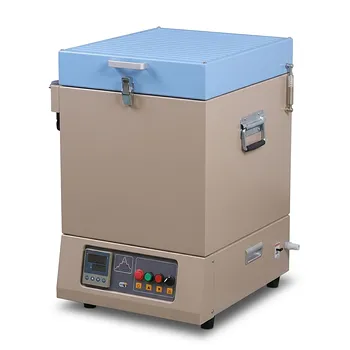
High Temperature Vertical Crucible Furnace with 22L Heating Chamber and 1200C Maximum Temperature
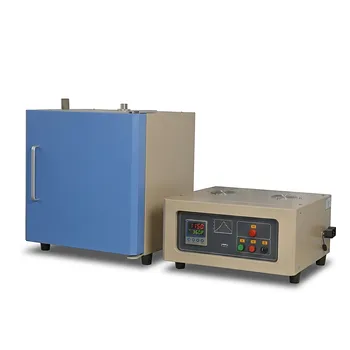
High Temperature Muffle Furnace with Alloy Chamber for Debinding and Sintering Applications
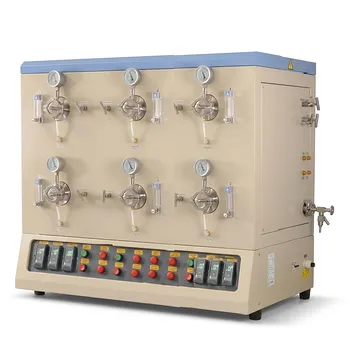
1200C High Throughput Multi Channel Tube Furnace with 50mm Quartz Tubes for Annealing and Material Phase Diagram Research
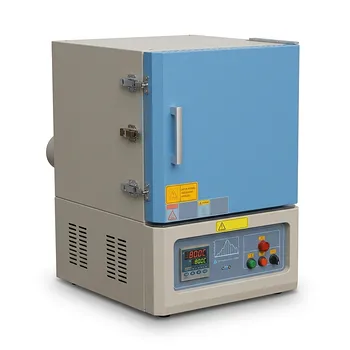
1800C Bench Top Muffle Furnace 18 Liters with Kanthal Super 1900 Heating Elements for High Purity Ceramic Sintering and Material Research
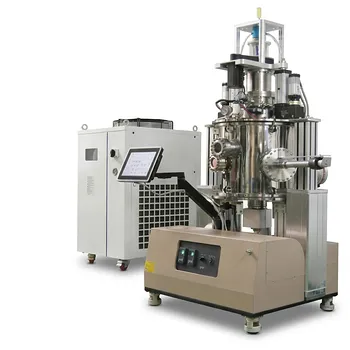
950C Rapid Thermal Processing Furnace for 12 Inch Wafer CSS Coating with Rotating Substrate Holder