Why is a high-temperature tube furnace with atmosphere control needed for CMS membranes? Ensure Pore Precision & Purity
Updated 3 months ago
A high-temperature tube furnace with atmosphere control is the foundational hardware required to transform polymer precursors into functional carbon molecular sieve (CMS) membranes. It serves two non-negotiable roles: it prevents the carbon structure from burning away by excluding oxygen and provides the precise thermal energy needed to engineer sub-nanometer pores essential for high-selectivity gas separation.
The necessity of this system lies in its ability to balance structural preservation with molecular-level pore engineering. Without a strictly controlled inert environment and a precise heating profile, the carbon framework would either oxidize into ash or fail to develop the specific "dead-end" and "through" pores required for effective molecular sieving.
Preventing Oxidative Loss of the Carbon Skeleton
The Role of Oxygen Exclusion
During carbonization, the membrane is heated to extreme temperatures, often between 550°C and 1500°C. At these levels, any trace of oxygen will cause the carbonized samples to undergo combustion reactions, effectively turning the membrane into carbon dioxide gas.
Creating an Inert Shield
Atmosphere control systems introduce a continuous flow of high-purity nitrogen (N2) or argon (Ar). This flow displaces oxygen and creates an inert "blanket" that ensures the carbonization process occurs without loss of mass or structural integrity.
Protecting Chemical Etching Agents
In many CMS processes, etching agents like potassium hydroxide (KOH) are used to create micropores. A strictly controlled atmosphere ensures these agents act precisely on the carbon framework rather than reacting with atmospheric moisture or oxygen, which would ruin the membrane’s chemical stability.
Engineering the Ultramicropore Structure
Regulating Pore Size and Distribution
The primary value of a CMS membrane is its ability to separate gases based on size, such as hydrogen ($H_2$) separation. The tube furnace’s temperature control system allows for specific heating rates, such as 10°C/min, which dictate how the carbon chains rearrange and how many "ultra-micropores" are formed.
Promoting Atomic Rearrangement
High temperatures exceeding 800°C facilitate the elimination of non-carbon elements (like hydrogen, nitrogen, or oxygen originally in the polymer). This "reorganization" of carbon atoms transforms the soft polymer precursor into a high-strength, graphitized carbon skeleton with a high aspect ratio and superior electrical conductivity.
Achieving Uniformity and Consistency
A tube furnace provides a stable and uniform thermal field. This uniformity is critical because even minor temperature fluctuations across the length of the furnace can cause inconsistent pore sizes, leading to "leaky" membranes that fail to achieve the required gas selectivity.
Understanding the Trade-offs and Risks
Atmosphere Leakage and Purity
The most significant risk in CMS carbonization is seal failure. Even a microscopic leak in the tube furnace's flanges can allow enough oxygen to enter to cause "oxidative burnout," resulting in a fragile, brittle, or entirely destroyed membrane.
Heating Rate Sensitivity
While faster heating rates (like 10°C/min) are often used, they represent a trade-off. Rapid heating can lead to internal stresses and macro-cracks in the membrane, while excessively slow heating may result in pores that are too small for the target gas to permeate, reducing overall productivity.
Equipment Contamination
Carbonization releases volatile organic compounds (VOCs) and "tars" as the template agents (like CTAB) decompose. If these are not properly managed by the atmosphere control system’s exhaust, they can re-deposit on the membrane, blocking the very pores the process is designed to create.
Strategic Selection for Your Development Goal
How to Apply This to Your Project
To achieve the best results with your high-temperature tube furnace, you must align the system's capabilities with your specific material objectives.
- If your primary focus is Hydrogen ($H_2$) Separation: Prioritize a furnace with highly precise, multi-stage temperature programming and a stable 10°C/min ramp rate to fine-tune sub-nanometer selectivity.
- If your primary focus is High-Strength Carbon Fibers: Ensure the atmosphere control system can handle high flow rates of nitrogen to effectively strip away non-carbon elements and promote dense carbon chain reorganization.
- If your primary focus is Electromagnetic Interference (EMI) Shielding: Focus on furnaces capable of reaching 1200°C to 1500°C to maximize the degree of graphitization and electrical conductivity.
Precision in both the thermal profile and the chemical environment is the only way to successfully bridge the gap between a raw polymer and a high-performance molecular sieve.
Summary Table:
| Key Feature | Function in CMS Carbonization | Research & Production Benefit |
|---|---|---|
| Oxygen Exclusion | Prevents combustion at 550°C-1500°C | Maintains structural integrity & mass |
| Inert Atmosphere | Displaces O2 with N2 or Argon | Creates a stable environment for pore growth |
| Precise Heating | Regulates pore size & distribution | Optimizes selectivity for H2/gas separation |
| Thermal Uniformity | Ensures consistent heat across the tube | Prevents "leaky" membranes & macro-cracks |
Elevate Your Material Research with THERMUNITS Precision
Are you looking to achieve sub-nanometer precision in your carbon molecular sieve (CMS) membranes? THERMUNITS is a leading manufacturer of high-temperature laboratory equipment specifically designed for material science and industrial R&D. We understand that success in carbonization depends on rigorous atmosphere control and thermal stability.
Our comprehensive range of thermal processing solutions includes:
- High-Temperature Tube Furnaces (Perfect for CMS and Carbon Fiber R&D)
- Vacuum, Atmosphere, and Muffle Furnaces
- CVD/PECVD Systems for advanced coating applications
- Rotary, Hot Press, and Vacuum Induction Melting (VIM) Furnaces
Don't let oxygen contamination or inconsistent heating compromise your research. Partner with THERMUNITS for reliable, high-performance heat treatment equipment tailored to your specific gas separation and EMI shielding goals.
Ready to optimize your carbonization process?
→ Contact Our Experts Today
References
- Leiqing Hu, Haiqing Lin. Hierarchically porous and single Zn atom-embedded carbon molecular sieves for H2 separations. DOI: 10.1038/s41467-024-49961-z
Mentioned Products
- High Temperature Vertical Atmosphere Controlled Furnace with Automatic Bottom Loading and 1700°C Capacity for Advanced Material Research
- 1200°C Atmosphere Controlled Automatic Bottom Loading Furnace with 6 Inch Quartz Tube
- 1650C High Temperature Atmosphere Controlled Box Furnace with 65L Chamber for Advanced Material Sintering and Industrial Heat Treatment
- 1700C High Temperature Alumina Tube Furnace with 18 Inch Heated Zone and Vacuum Sealing Flanges
- High Temperature Oxygen and Inert Atmosphere Controlled Furnace 8 Liter 1700C Sintering System for Advanced Materials RD
People Also Ask
- What role does atmosphere control play in technical ceramics and glass? Master Material Purity and Precision
- What is the function of a vertical tube furnace in MnOx-SiO2 research? Precision Control & Quenching
- What's the Role of Tube Furnaces in FeCuS-N-C Synthesis? Precision Pyrolysis & Atmosphere Control
- What role does a high-temperature atmosphere furnace play in the direct electrochemical reduction of CO2? - Key Insights
- What is the function of a high-temperature tube furnace with atmosphere control? Optimize Carbonization of Composites

Tech Team · ThermUnits
Last updated on Jun 02, 2026
Related Products
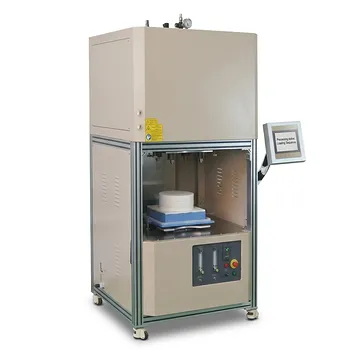
High Temperature Vertical Atmosphere Controlled Furnace with Automatic Bottom Loading and 1700°C Capacity for Advanced Material Research
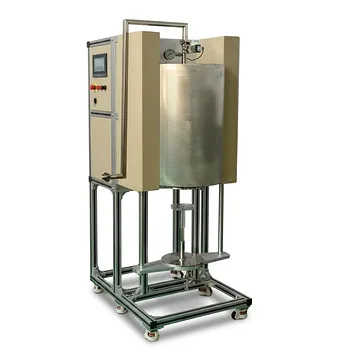
1200°C Atmosphere Controlled Automatic Bottom Loading Furnace with 6 Inch Quartz Tube
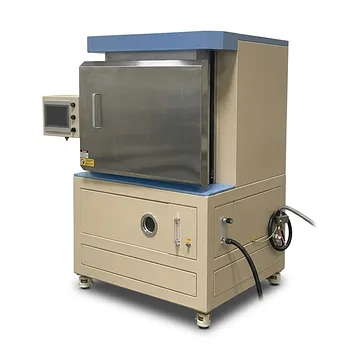
1650C High Temperature Atmosphere Controlled Box Furnace with 65L Chamber for Advanced Material Sintering and Industrial Heat Treatment
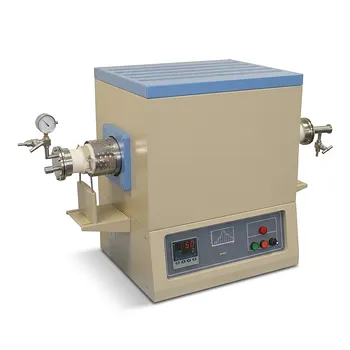
1700C High Temperature Alumina Tube Furnace with 18 Inch Heated Zone and Vacuum Sealing Flanges
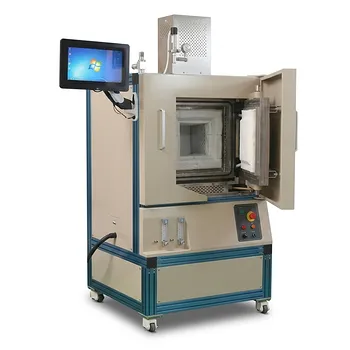
High Temperature Oxygen and Inert Atmosphere Controlled Furnace 8 Liter 1700C Sintering System for Advanced Materials RD
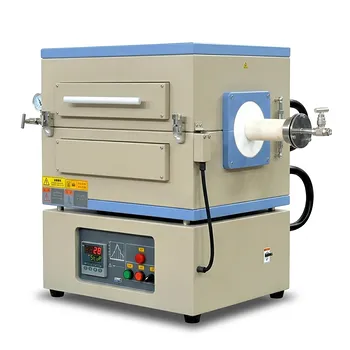
1500°C Split Tube Furnace with Alumina Tube and Vacuum Sealing Flanges for Material Research
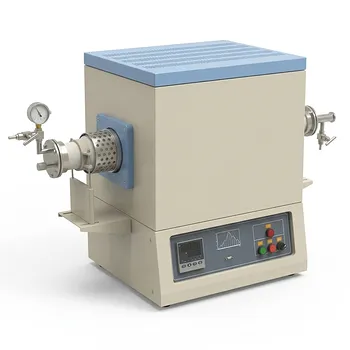
1750°C High Temperature Benchtop Vacuum Atmosphere Tube Furnace with Kanthal Super 1800 Heating Elements and 60mm Alumina Processing Tube

High Temperature 1700C Tube Furnace with High Vacuum Turbomolecular Pump System and Multi Channel Mass Flow Controller Gas Mixer
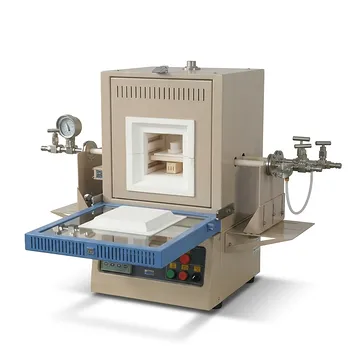
1700C Compact Hybrid Furnace with Dual Layer Box Sintering and Controlled Atmosphere Alumina Tubes
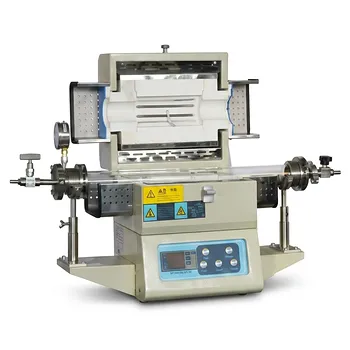
High Temperature 1200C Split Tube Furnace for CVD Research and Vacuum Atmosphere Heat Treatment
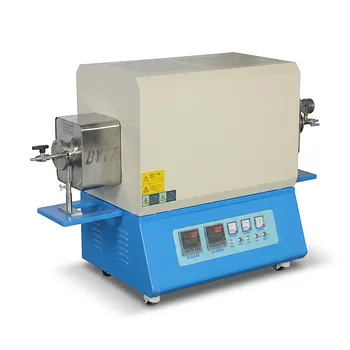
High Temperature Dual Zone Split Tube Furnace for Advanced Atmosphere Sintering and Vacuum CVD Applications
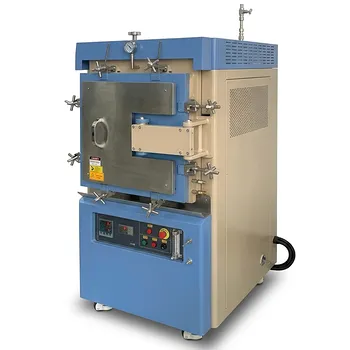
Atmosphere Controlled Muffle Furnace 1700C Maximum Temperature 80L High Capacity Vacuum Inert Gas Box Furnace
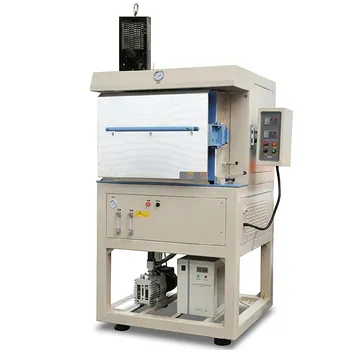
1200C Hydrogen Atmosphere Box Furnace with 5 Heated Sides and 64L Chamber

Vertical 1700C Vacuum and Atmosphere Tube Furnace with 80mm Alumina Tube
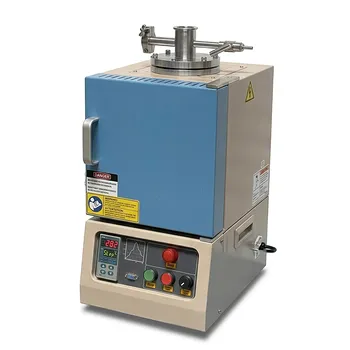
High Temperature Hybrid Muffle and Tube Furnace with Vacuum Capability and PID Control
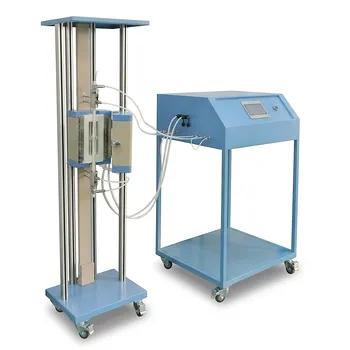
High Temperature Vertical Tube Furnace for Small Solid Oxide Fuel Cell Testing with Four Channel Gas Control
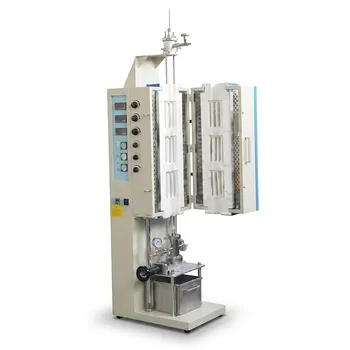
High Temperature Dual Zone Tube Furnace for Material Science Research and Professional Thermal Processing
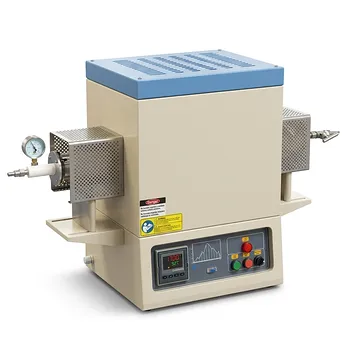
High Temperature Three Zone Tube Furnace 1700C with Alumina Tube and Water Cooled Flanges
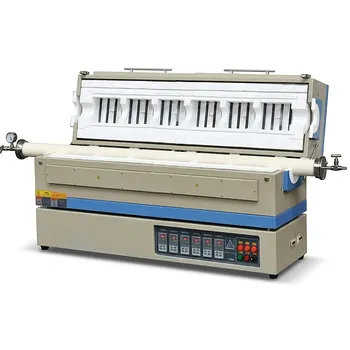
High Temperature 1700C Six Zone Split Tube Furnace with Alumina Tube and Water Cooled Flanges
