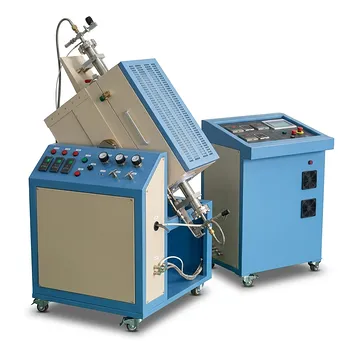
What is the function of a high-temperature tube furnace in converting biomass into iron-based activated carbon?
Updated 3 months ago
A high-temperature tube furnace serves as the central reactor for the simultaneous carbonization of biomass and the chemical reduction of iron precursors. It provides a precisely controlled, oxygen-free thermal environment—typically maintained at 600°C to 800°C—that drives the pyrolysis of raw materials into a carbon-rich skeleton while facilitating the formation of zero-valent iron crystals and a sophisticated pore structure.
Core Takeaway: The tube furnace is the engine of "one-step pyrolysis," where it synchronizes the removal of volatile organic compounds with the metallic reduction of iron, resulting in a magnetic, highly porous, and structurally stable activated carbon.
The Role of Controlled Pyrolysis in Carbon Evolution
Carbonization and Volatile Removal
The primary function of the furnace is to facilitate the thermal degradation of biomass, such as coconut shells or agricultural residues. By heating the material in a controlled manner (often at rates like 5°C or 10°C per minute), the furnace triggers dehydration and degassing.
This process eliminates non-carbon components and volatile impurities. The result is a significant increase in fixed carbon content and the reorganization of the carbon skeleton into a stable, amorphous structure.
Maintaining an Inert Atmosphere
A tube furnace allows for the introduction of protective gases, most commonly nitrogen. This anaerobic environment is critical because it prevents the biomass from simply burning (combustion) in the presence of oxygen.
By shielding the material, the furnace ensures that the biomass undergoes true pyrolysis. This creates the necessary conditions for deep deoxygenation and dehydrogenation, which are essential for forming a high-quality carbon carrier.
Chemical Transformation and Iron Reduction
Synthesizing Zero-Valent Iron
In the production of iron-based activated carbon, the furnace does more than just heat the carbon; it acts as a reduction chamber. At temperatures typically around 600°C, the furnace provides the thermal energy required to convert iron precursors into zero-valent iron crystals.
These metallic crystals are embedded within the carbon matrix during the heating process. This transformation is what gives the final material its specific functional properties, such as magnetism or catalytic activity.
Pore Architecture Development
The furnace is responsible for "thermal activation," where the high-temperature environment encourages the formation of a preliminary microporous structure. This is often enhanced by the presence of chemical activators or the iron precursors themselves, which etch the carbon skeleton.
The precision of the furnace's temperature control—sometimes reaching up to 1600°C for specific hard carbon applications—directly dictates the final surface area. Proper regulation ensures a balance between high porosity and structural integrity.
Understanding the Trade-offs
Temperature Sensitivity and Over-Graphitization
While higher temperatures generally increase carbon purity and conductivity, they can lead to excessive graphitization. If the furnace temperature is too high, the pore structure may collapse, reducing the specific surface area available for adsorption.
Gas Flow and Heating Uniformity
The "tube" geometry requires careful management of gas flow rates and sample placement. If the nitrogen flow is inconsistent or the sample is too densely packed, volatile byproducts may not be efficiently removed, leading to a non-uniform product with localized impurities.
How to Apply This to Your Project
When utilizing a high-temperature tube furnace for biomass conversion, your settings must align with your specific material requirements:
- If your primary focus is high surface area: Prioritize a steady heating rate (e.g., 5°C/min) and a moderate peak temperature around 700°C to 800°C to maximize pore development without structural collapse.
- If your primary focus is metallic iron purity: Ensure the furnace maintains a strictly anaerobic environment at a minimum of 600°C to facilitate the complete chemical reduction of iron precursors.
- If your primary focus is structural stability (Hard Carbon): Utilize higher temperature settings and longer soak times to encourage carbon skeleton reorganization and deoxygenation.
By mastering the thermal and atmospheric variables of the tube furnace, you can precisely engineer the physical and chemical profile of iron-based activated carbon.
Summary Table:
| Furnace Function | Key Chemical Process | Technical Result |
|---|---|---|
| Thermal Reactor | Controlled Carbonization | High-purity fixed carbon skeleton |
| Reduction Chamber | Metal Precursor Reduction | Formation of magnetic zero-valent iron |
| Atmosphere Control | Anaerobic Pyrolysis | Elimination of oxygen to prevent combustion |
| Pore Engineering | Thermal Activation | Development of high-surface-area micropores |
Elevate Your Material Synthesis with THERMUNITS
As a leading manufacturer of high-temperature laboratory equipment, THERMUNITS empowers material science and industrial R&D professionals with precision thermal processing solutions. Whether you are perfecting biomass conversion or developing advanced catalysts, our range of Tube, Muffle, Vacuum, and Atmosphere Furnaces, as well as CVD/PECVD systems and Electric Rotary Kilns, provides the stability and control your research demands.
Why choose THERMUNITS?
- Precision Control: Master your heating rates and peak temperatures for optimal pore structure.
- Atmospheric Integrity: Ensure strictly anaerobic environments for superior iron reduction.
- Versatile Applications: Ideal for everything from dental furnaces to vacuum induction melting (VIM).
Ready to enhance your lab's efficiency and product quality? Contact our experts today to find the perfect thermal solution!
References
- Nhi Thi Kieu Nguyen, Dung Van Nguyen. Valorization of Tropical Almond (<i>Terminalia catappa</i>) Leaves into Iron-Containing Activated Carbon for Rapid Catalytic Degradation of Methylene Blue with Hydrogen Peroxide. DOI: 10.12911/22998993/189672
Mentioned Products
- High Temperature Tube Furnace 1500C with Sliding Flanges and 50mm OD for Rapid Thermal Processing Fast Heating and Cooling
- High Temperature 1700C Vertical Tube Furnace for Powder Spherification and Material Sintering
- Compact High Temperature 1600C Tube Furnace with 50mm Alumina Tube and Vacuum Flanges for Material Sintering
- High Temperature 1700C Tube Furnace with High Vacuum Turbomolecular Pump System and Multi Channel Mass Flow Controller Gas Mixer
- High Temperature Dual Zone Rotating Tube Furnace 1500C Silicon Carbide Heating for Advanced Material Synthesis
People Also Ask
- How are high-temperature tube furnaces utilized to repair etching damage? Precision Lattice Restoration Solutions
- What role does a high-temperature tube furnace play in CVD synthesis of silicon nanowires? Master VLS Growth Precision.
- What core conditions does a high-temperature tube furnace provide for rGO aerogels? Mastering Precision Synthesis.
- What role does a high-temperature tube furnace play in the sulfidation heat treatment of CoS@C/MXene nanocomposites? Guide
- How does precision tube furnace control influence CoFe nanoparticle formation? Master Your Bimetallic Synthesis.

Tech Team · ThermUnits
Last updated on Jun 03, 2026
Related Products

High Temperature Tube Furnace 1500C with Sliding Flanges and 50mm OD for Rapid Thermal Processing Fast Heating and Cooling

High Temperature 1700C Vertical Tube Furnace for Powder Spherification and Material Sintering

Compact High Temperature 1600C Tube Furnace with 50mm Alumina Tube and Vacuum Flanges for Material Sintering

High Temperature 1700C Tube Furnace with High Vacuum Turbomolecular Pump System and Multi Channel Mass Flow Controller Gas Mixer
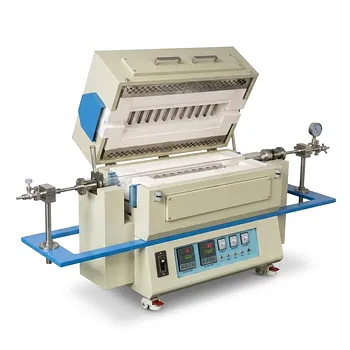
High Temperature Dual Zone Rotating Tube Furnace 1500C Silicon Carbide Heating for Advanced Material Synthesis
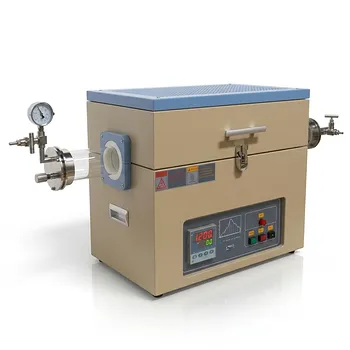
High Temperature 1200C Split Tube Furnace with Optional Quartz Tube Sizes and Vacuum Sealing Flanges for Material Science Research
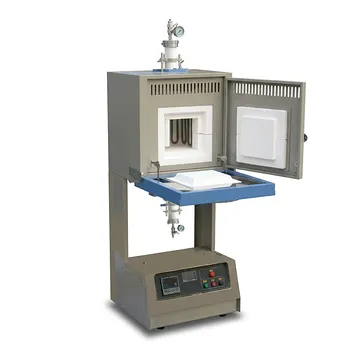
Vertical Hybrid High Temperature Furnace 1500C Alumina Tube SOFC Fuel Cell Testing Laboratory Heat Treatment Research Equipment
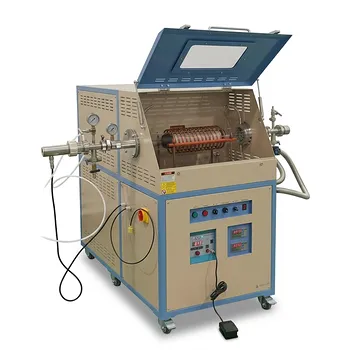
Ultra High Temperature 2300C Induction Heated Graphite Tube Furnace with Infrared Control
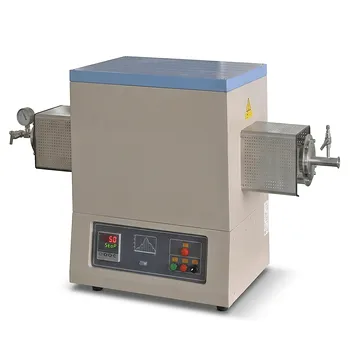
High Temperature 1700C Tube Furnace with 4 Inch OD Alumina Tube and Vacuum Sealing Flanges
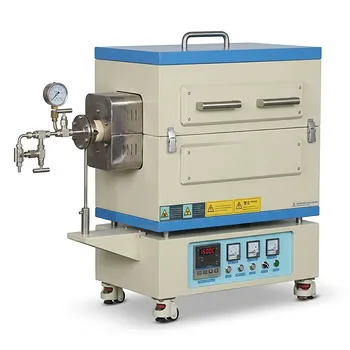
High Temperature Split Tube Furnace 1500C for Material Research Vacuum and Atmosphere Thermal Processing

High Temperature 1700C Benchtop Tube Furnace with 5 Inch Heating Zone High Purity Alumina Tube and Vacuum Sealing Flanges
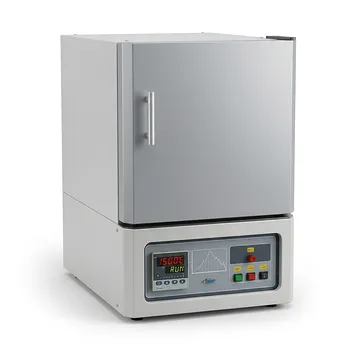
High Temperature 1500C Benchtop Muffle Furnace 3.6L Alumina Fiber Chamber Programmable Controller Sintering Annealing Carbonization Thermal Processing System

High Temperature Automated 5 Inch Tube Furnace for Autonomous Material Research and Advanced Laboratory R&D
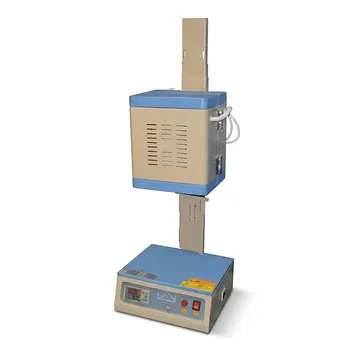
High Temperature Vertical Split Tube Furnace with PID Temperature Controller for 1 and 2 Inch Processing Tubes

1750°C High Temperature Benchtop Vacuum Atmosphere Tube Furnace with Kanthal Super 1800 Heating Elements and 60mm Alumina Processing Tube

1800C High Temperature Compact Vacuum Tube Furnace with 60mm OD Alumina Tube and Kanthal MoSi2 Heating Elements

1100C Tube Furnace with Vacuum Flange and Programmable Temperature Controller for Material Science and Industrial Heat Treatment
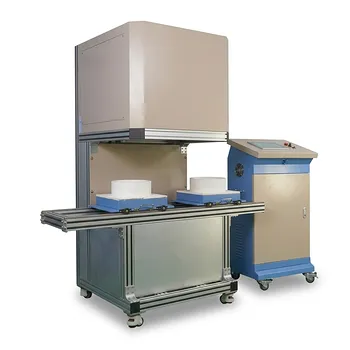
High Temperature Bottom Loading Vertical Furnace 1700C Dual Stage Sample Processing System 18L Large Capacity Thermal Treatment Equipment
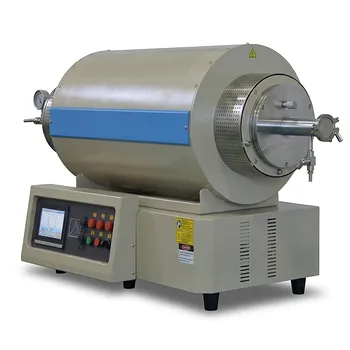
1200C Max Three Zone Tube Furnace 6 Inch OD Max with Tube and Flange