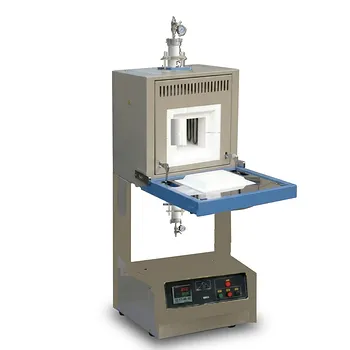
What is the function of a high-temperature tube furnace in Ni/Al2O3 catalyst preparation? Ensure Precise Calcination.
Updated 3 months ago
The high-temperature tube furnace serves as the critical reaction environment where nickel nitrate precursors are thermally decomposed into highly dispersed nickel oxide (NiO) nanoparticles. By providing a controlled air atmosphere and a precise temperature-programmed heat treatment (typically at 600 °C), the furnace ensures that these active components form nano-scale particles within the pores of the γ-Al2O3 support. Its primary function is to achieve uniform chemical conversion while preventing the metal particles from agglomerating, which is vital for maintaining the catalyst's future reactivity.
Core Takeaway: A high-temperature tube furnace is a precision instrument that facilitates the controlled decomposition and phase transformation of catalyst precursors into stable, highly dispersed active sites while preserving the structural integrity of the alumina support.
Chemical Transformation and Phase Conversion
Converting Nitrates to Active Oxides
The most immediate role of the furnace is to drive the thermal decomposition of nickel nitrate. At 600 °C, the furnace provides the energy required to break chemical bonds, releasing nitrogen oxides and leaving behind highly dispersed NiO nanoparticles.
Removal of Volatile Impurities
During calcination, the furnace acts as a purification chamber by eliminating volatile components and residual impurities like nitrates or moisture. This process is essential for cleaning the carrier surface and ensuring that the active metal components have a stable, uncontaminated physical platform to anchor onto.
Support Phase Stabilization
Before the nickel is even loaded, the furnace is often used to pre-calcine the γ-Al2O3 carrier at higher temperatures, such as 850 °C. This step stabilizes the crystal phase structure of the alumina, ensuring it does not undergo unwanted structural changes during the subsequent, lower-temperature metal loading stages.
Microstructural Engineering and Dispersion
Preventing Particle Agglomeration
The furnace's ability to maintain thermal uniformity is critical for preventing "sintering," where small particles merge into larger, less active clumps. By keeping the temperature consistent throughout the tube, the furnace ensures that NiO remains in a nano- or micro-scale state within the alumina pores.
Optimizing Pore Architecture
Controlled heating rates (often measured in degrees per minute) allow for the gradual release of gases, which helps in forming mesoporous structures. These porous pathways are essential for the future diffusion of reactant molecules, such as methane, into the active sites of the catalyst.
Enhancing Atomic Arrangement
The stable thermal environment promotes atomic rearrangement and helps eliminate structural defects within the material. This results in a more crystalline and stable phase, which is necessary for the catalyst to withstand the harsh conditions of industrial chemical reactions.
Understanding the Trade-offs
The Risk of Over-Calcination
While heat is necessary for phase transformation, excessive temperatures or prolonged residence times can lead to pore collapse in the alumina support. This reduces the specific surface area, effectively burying the active nickel components and decreasing the catalyst's overall efficiency.
Atmosphere Sensitivity
The choice of atmosphere—whether controlled air for oxidation or nitrogen protection for anaerobic environments—is a double-edged sword. An incorrect seal or a fluctuation in gas flow can lead to incomplete decomposition or the formation of unintended secondary impurity phases.
Heating Rate Precision
If the heating rate is too aggressive, the rapid escape of volatile gases can create internal pressure that fractures the support material. Conversely, a rate that is too slow may lead to unnecessary thermal aging, highlighting the need for a strictly programmed temperature curve.
How to Optimize Your Calcination Process
Making the Right Choice for Your Goal
To achieve the best results in Ni/Al2O3 preparation, your furnace parameters must align with your specific structural requirements:
- If your primary focus is maximum active surface area: Prioritize a lower calcination temperature (around 600 °C) with a slow heating rate to ensure NiO nanoparticles remain highly dispersed and avoid sintering.
- If your primary focus is long-term thermal stability: Pre-calcine the alumina support at a higher temperature (850 °C) before loading the metal to "lock" the carrier's phase and prevent future structural degradation.
- If your primary focus is consistent catalytic performance: Focus on the furnace's thermal uniformity and ensure a constant air flow to facilitate the complete removal of nitrates and other volatile decomposition products.
The high-temperature tube furnace is ultimately the bridge between a raw chemical mixture and a high-performance, structured catalyst.
Summary Table:
| Key Role | Process Impact | Critical Parameter |
|---|---|---|
| Thermal Decomposition | Converts nickel nitrates into active NiO nanoparticles | Temperature (typically 600°C) |
| Phase Stabilization | Prevents support collapse and locks alumina crystal structure | Pre-calcination (850°C) |
| Microstructure Control | Prevents sintering and ensures high metal dispersion | Heating Rate & Uniformity |
| Impurity Removal | Eliminates volatile nitrates and moisture for clean active sites | Atmosphere Control (Air/N2) |
Elevate Your Material Research with THERMUNITS Precision
Achieving the perfect Ni/Al2O3 catalyst requires more than just heat—it requires the precise thermal control and atmospheric integrity that only industry-leading equipment can provide. THERMUNITS is a premier manufacturer of high-temperature laboratory equipment, dedicated to supporting material science and industrial R&D.
Our comprehensive thermal solutions include:
- Tube & Rotary Furnaces (Perfect for catalyst calcination and CVD/PECVD)
- Muffle, Vacuum, & Atmosphere Furnaces
- Hot Press & Vacuum Induction Melting (VIM) Furnaces
- Dental Furnaces & Electric Rotary Kilns
- High-Quality Thermal Elements
Ready to optimize your heat treatment workflow? Partner with THERMUNITS for uniform heating, stable phase transformations, and superior particle dispersion.
Contact Our Experts Today to find the ideal furnace for your specific research needs!
References
- Yifei Niu, Zichuan Ma. Efficient Toluene Decontamination and Resource Utilization through Ni/Al2O3 Catalytic Cracking. DOI: 10.3390/molecules29204868
Mentioned Products
- 900°C Max Rotary Tube Furnace with 8 Inch 310S Alloy Tube and Optional Multi Zone Heating for Industrial Material Calcination
- High Temperature 1700C Vertical Tube Furnace for Powder Spherification and Material Sintering
- High Temperature Tube Furnace 1500C with Sliding Flanges and 50mm OD for Rapid Thermal Processing Fast Heating and Cooling
- Compact High Temperature 1600C Tube Furnace with 50mm Alumina Tube and Vacuum Flanges for Material Sintering
- 1800C High Temperature Compact Vacuum Tube Furnace with 60mm OD Alumina Tube and Kanthal MoSi2 Heating Elements
People Also Ask
- How does a rotary tube furnace improve the processing of granular materials? Enhance Uniformity and Reaction Kinetics
- Why use a rotary tube furnace for FACS carbonization? Ensure uniform morphology and prevent sphere agglomeration.
- Why is the precise optimization of residence time essential in the catalyst calcination process? Maximize Your Yields.
- In what ways do rotary tube furnaces enhance chemical and specialty mineral processing? Drive Precision and Uniformity.
- What parameters must operators control to maintain product quality in a rotary furnace? Master Your Heat Treatment.

Tech Team · ThermUnits
Last updated on Jun 02, 2026
Related Products
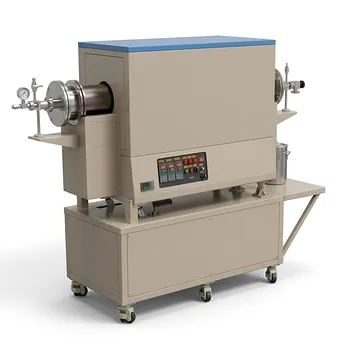
900°C Max Rotary Tube Furnace with 8 Inch 310S Alloy Tube and Optional Multi Zone Heating for Industrial Material Calcination

High Temperature 1700C Vertical Tube Furnace for Powder Spherification and Material Sintering

High Temperature Tube Furnace 1500C with Sliding Flanges and 50mm OD for Rapid Thermal Processing Fast Heating and Cooling

Compact High Temperature 1600C Tube Furnace with 50mm Alumina Tube and Vacuum Flanges for Material Sintering

1800C High Temperature Compact Vacuum Tube Furnace with 60mm OD Alumina Tube and Kanthal MoSi2 Heating Elements

1750°C High Temperature Benchtop Vacuum Atmosphere Tube Furnace with Kanthal Super 1800 Heating Elements and 60mm Alumina Processing Tube

High Temperature 1700C Benchtop Tube Furnace with 5 Inch Heating Zone High Purity Alumina Tube and Vacuum Sealing Flanges
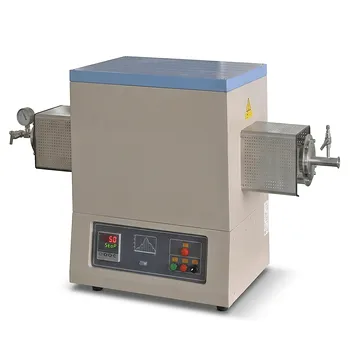
High Temperature 1700C Tube Furnace with 4 Inch OD Alumina Tube and Vacuum Sealing Flanges
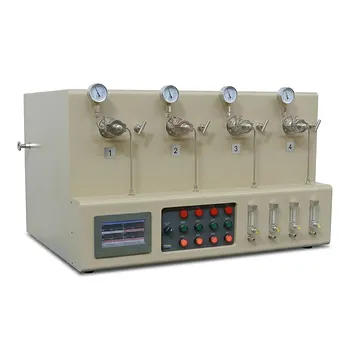
High Temperature 1700C 4 Channel Tube Furnace 1 Inch Alumina Tube for Hi-Throughput Annealing
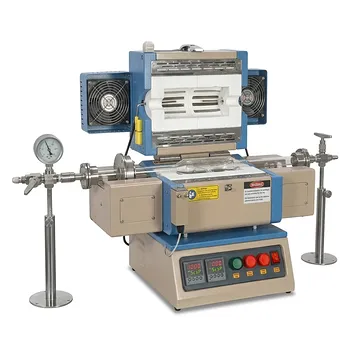
Dual Zone Rotary Tube Furnace for Uniform Powder Calcination 1000C 2 Inch Quartz Tube
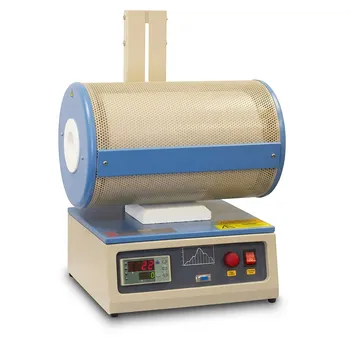
Multi Position Tube Furnace 1100C for Laboratory Material Research and Advanced Industrial Thermal Processing
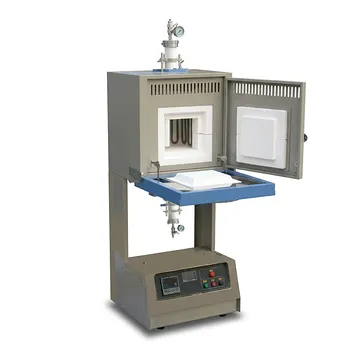
Vertical Hybrid High Temperature Furnace 1500C Alumina Tube SOFC Fuel Cell Testing Laboratory Heat Treatment Research Equipment
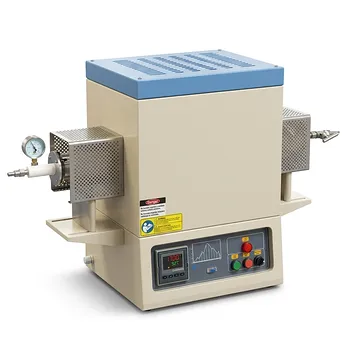
High Temperature Three Zone Tube Furnace 1700C with Alumina Tube and Water Cooled Flanges

High Temperature 1700C Tube Furnace with High Vacuum Turbomolecular Pump System and Multi Channel Mass Flow Controller Gas Mixer
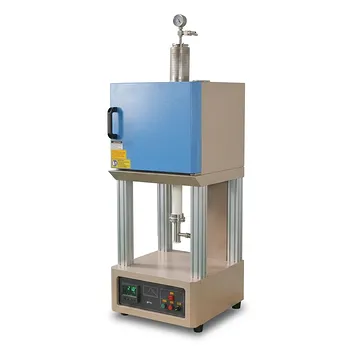
Hybrid High Temperature Tube and Box Furnace 1700C with 2 Inch Alumina Tube for Material Research
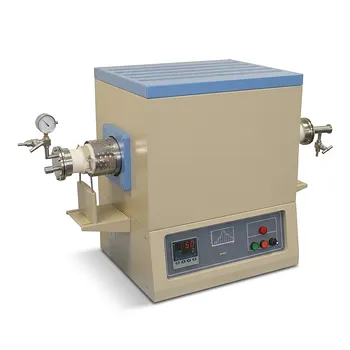
1700C High Temperature Alumina Tube Furnace with 18 Inch Heated Zone and Vacuum Sealing Flanges
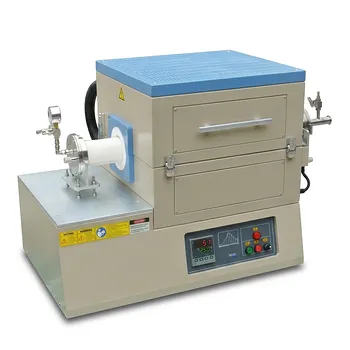
High Temperature 1700C Split Tube Furnace with Vacuum Flanges Valves and 60mm Alumina Tube
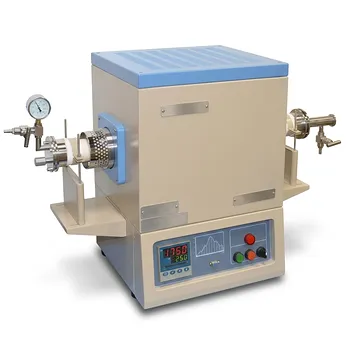
High Temperature Compact Vacuum Tube Furnace 1750C Max 60mm OD Alumina Tube

High Temperature Automated 5 Inch Tube Furnace for Autonomous Material Research and Advanced Laboratory R&D