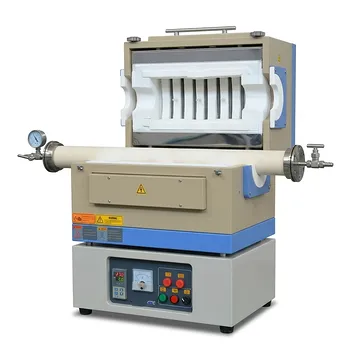
What is the function of a high-temperature tube furnace in SiC wafer bonding? Achieve Atomic-Level Interface Purity
Updated 3 months ago
The high-temperature tube furnace is the fundamental facilitator of atomic-level interface bonding in Silicon Carbide (SiC) processing. It creates a specialized, high-temperature environment that allows for the introduction of high-purity hydrogen gas. This specific combination of heat and chemistry triggers a reducing atmosphere that effectively strips away residual oxide films from the SiC surface, a prerequisite for successful wafer bonding.
The core function of the high-temperature tube furnace is to eliminate surface oxides through hydrogen reduction, thereby enabling the true atomic-level contact required to synthesize laboratory-grade SiC bicrystals with precise stoichiometric ratios.
Achieving Interfacial Purity through Deoxidation
The Role of the Reducing Atmosphere
In SiC wafer bonding, the presence of even a thin layer of native oxide can prevent the formation of a strong, uniform bond. The tube furnace provides the thermal energy necessary for high-purity hydrogen to react with these surface oxides. This chemical reduction transforms solid oxides into volatile byproducts, leaving behind a pristine SiC surface ready for bonding.
Establishing Atomic-Level Contact
By removing the oxide barrier, the furnace allows the two SiC surfaces to meet at the atomic scale. This is critical for creating SiC bicrystals, where the goal is to have the crystal lattices of two separate wafers align and bond as if they were a single continuous structure. Without the furnace's controlled environment, the resulting interface would be contaminated, leading to structural weaknesses and poor electrical performance.
Thermal Energy and Structural Transformation
Bond Reorganization and Stability
Beyond simple deoxidation, the high-temperature environment (often exceeding 1000°C) facilitates the reorganization of chemical bonds at the interface. Thermal energy causes unstable bonds, such as Si-H or C-H, to break and reform into stable Si-C bonds. This transition significantly enhances the mechanical strength and chemical stability of the bonded interface, ensuring it can withstand further processing.
Maintaining Stoichiometric Precision
The tube furnace allows for precise control over the atmospheric composition and pressure during the annealing cycle. This stability is essential for maintaining the specific stoichiometric ratios of the SiC wafers. By preventing unwanted reactions with oxygen or nitrogen, the furnace ensures that the final bicrystal retains the exact material properties required for high-performance power electronics or laboratory research.
Understanding the Technical Trade-offs
Temperature vs. Material Integrity
While higher temperatures accelerate the deoxidation process and bond reorganization, they also increase the risk of thermal stress or unwanted phase transformations. Precise ramp rates and cooling cycles must be programmed into the furnace to prevent wafer cracking or the introduction of lattice defects.
Hydrogen Safety and Gas Purity
Using high-purity hydrogen at extreme temperatures requires sophisticated safety protocols and specialized furnace materials to prevent hydrogen embrittlement of the equipment itself. Furthermore, any trace impurities in the gas stream can lead to new surface contaminants, defeating the purpose of the annealing process and ruining the wafer bond.
Optimizing the Annealing Process for Your Goals
Implementation Recommendations
Selecting the right furnace parameters depends heavily on the specific grade of SiC and the desired interface characteristics.
- If your primary focus is Maximum Bond Strength: Prioritize longer dwell times at peak temperature to ensure complete reorganization of Si-C bonds across the interface.
- If your primary focus is High-Purity Bicrystal Synthesis: Utilize a furnace with high-vacuum capabilities and ultra-high-purity hydrogen delivery systems to eliminate all potential contaminants.
- If your primary focus is Throughput and Efficiency: Optimize the cooling phase using controlled inert gas flows to reduce cycle times without inducing thermal shock in the SiC wafers.
The high-temperature tube furnace remains the indispensable tool for overcoming the chemical and physical barriers to seamless Silicon Carbide wafer integration.
Summary Table:
| Process Step | Furnace Function | Resulting Benefit |
|---|---|---|
| Hydrogen Reduction | Creates a reducing atmosphere to strip oxide films | Pristine, deoxidized SiC surfaces |
| Thermal Activation | Provides energy for bond reorganization (>1000°C) | Formation of stable, high-strength Si-C bonds |
| Atmospheric Control | Maintains high-purity hydrogen environment | Precise stoichiometry & zero contamination |
| Thermal Management | Controls ramp rates and cooling cycles | Prevention of thermal stress and wafer cracking |
Elevate Your SiC Research with THERMUNITS Precision
Achieving seamless atomic-level bonding requires more than just heat; it requires absolute environmental control. THERMUNITS is a leading manufacturer of high-temperature laboratory equipment, providing the specialized thermal solutions needed for advanced material science and industrial R&D.
Our comprehensive range of equipment includes:
- High-Purity Tube & Vacuum Furnaces for hydrogen annealing and SiC synthesis.
- CVD/PECVD Systems for advanced coating and deposition.
- Muffle, Atmosphere, Rotary, and Hot Press Furnaces for versatile heat treatment.
- Vacuum Induction Melting (VIM) & Dental Furnaces for specialized material processing.
Whether you are synthesizing SiC bicrystals or developing high-performance power electronics, our equipment ensures the stoichiometric precision and interfacial purity your project demands.
Ready to optimize your thermal processing? Contact THERMUNITS today to find the perfect solution for your laboratory.
References
- Jianqi Xi, Izabela Szlufarska. Coupling of radiation and grain boundary corrosion in SiC. DOI: 10.1038/s41529-024-00436-y
Mentioned Products
- 1200C High Temperature 5 Inch Sliding Tube Furnace for Rapid Thermal Processing RTP and Wafer Annealing
- High Temperature 1700C 4 Channel Tube Furnace 1 Inch Alumina Tube for Hi-Throughput Annealing
- High Temperature 1800C Atmosphere Tube Furnace for CVD Research and Vacuum Sintering Precision Heat Treatment
- Dual Zone Tube Furnace 1100C with 11 Inch Quartz Tube and Vacuum Flanges for 8 Inch Wafer Processing
- High Temperature Vertical Hybrid Furnace with Alumina Tube and SiC Heating for SOFC Coin Cell Testing and Atmosphere Processing
People Also Ask
- What role does a SiC-coated graphite susceptor play in H2Se selenization? Boost RTP Thermal Uniformity & Film Purity.
- What are the functional advantages of an RTP system for surface deposition? Enhance Heterojunction Interface Integrity
- What critical conditions does an industrial high-temperature tube furnace provide for annealing (GaAl)2O3 thin films?
- What are the advantages of using a Rapid Thermal Annealing (RTA) furnace for Beta-Ga2O3 devices vs. Tube Furnaces?
- What technical advantages does an RTA furnace provide for nanoporous gold? Precision Control of Nanostructures.

Tech Team · ThermUnits
Last updated on Jun 03, 2026
Related Products
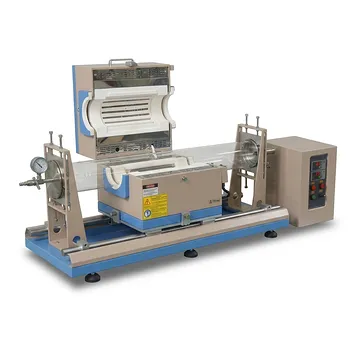
1200C High Temperature 5 Inch Sliding Tube Furnace for Rapid Thermal Processing RTP and Wafer Annealing
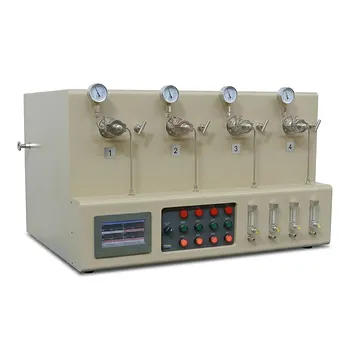
High Temperature 1700C 4 Channel Tube Furnace 1 Inch Alumina Tube for Hi-Throughput Annealing
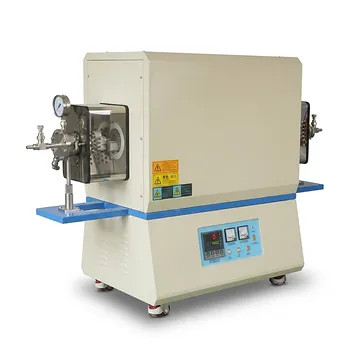
High Temperature 1800C Atmosphere Tube Furnace for CVD Research and Vacuum Sintering Precision Heat Treatment
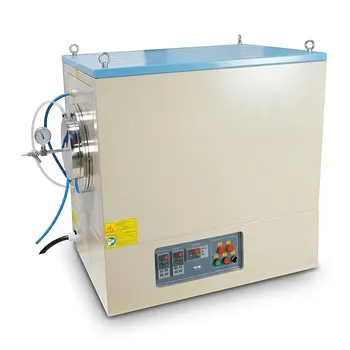
Dual Zone Tube Furnace 1100C with 11 Inch Quartz Tube and Vacuum Flanges for 8 Inch Wafer Processing
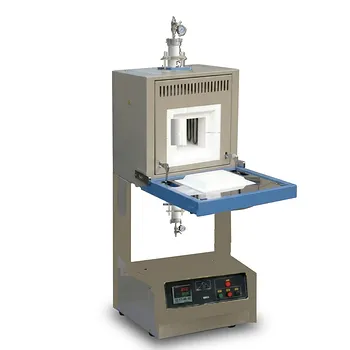
High Temperature Vertical Hybrid Furnace with Alumina Tube and SiC Heating for SOFC Coin Cell Testing and Atmosphere Processing

High Temperature Tube Furnace 1500C with Sliding Flanges and 50mm OD for Rapid Thermal Processing Fast Heating and Cooling
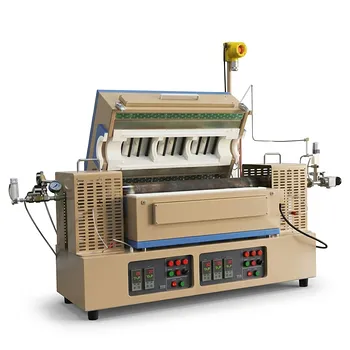
Three Zone Hydrogen Gas Tube Furnace with 82mm Superalloy Tube and Dual Hydrogen Detectors 1200C High Temperature Material Processing System

Compact High Temperature 1600C Tube Furnace with 50mm Alumina Tube and Vacuum Flanges for Material Sintering

High Temperature 1700C Vertical Tube Furnace for Powder Spherification and Material Sintering
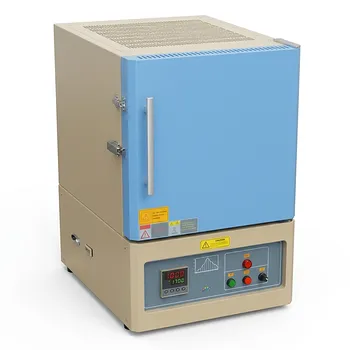
Large Bench Top 1700C High Temperature Muffle Furnace with 19L Chamber for Advanced Material Sintering and Annealing
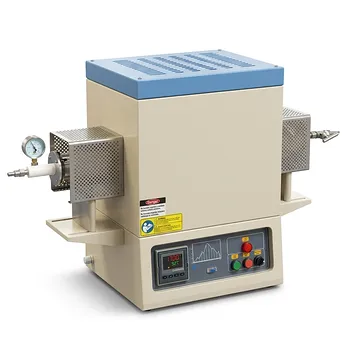
High Temperature Three Zone Tube Furnace 1700C with Alumina Tube and Water Cooled Flanges

High Temperature 1700C Tube Furnace with 4 Inch OD Alumina Tube and Vacuum Sealing Flanges

1700C Hydrogen Gas Tube Furnace with 60mm Alumina Process Tube and Integrated Hydrogen Safety Detector

High Temperature 1700C Benchtop Tube Furnace with 5 Inch Heating Zone High Purity Alumina Tube and Vacuum Sealing Flanges

High Temperature 1700C Tube Furnace with High Vacuum Turbomolecular Pump System and Multi Channel Mass Flow Controller Gas Mixer
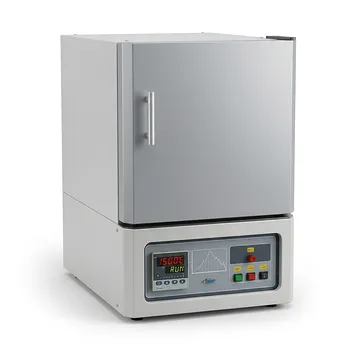
High Temperature 1500C Benchtop Muffle Furnace 3.6L Alumina Fiber Chamber Programmable Controller Sintering Annealing Carbonization Thermal Processing System

1750°C High Temperature Benchtop Vacuum Atmosphere Tube Furnace with Kanthal Super 1800 Heating Elements and 60mm Alumina Processing Tube

1800C High Temperature Compact Vacuum Tube Furnace with 60mm OD Alumina Tube and Kanthal MoSi2 Heating Elements

High Temperature Automated 5 Inch Tube Furnace for Autonomous Material Research and Advanced Laboratory R&D