What are the advantages of using a Rapid Thermal Annealing (RTA) furnace for Beta-Ga2O3 devices vs. Tube Furnaces?
Updated 3 months ago
Rapid Thermal Annealing (RTA) is selected for Beta-Ga2O3 devices primarily because it achieves low-resistance ohmic contacts through high-speed alloying while preventing the destructive deep diffusion of impurities. Unlike traditional tube furnaces that operate over hours, RTA completes thermal cycles in seconds or minutes, preserving the integrity of ultra-thin channels and gate dielectrics that would otherwise degrade under prolonged heat exposure.
Core Takeaway: RTA provides the "thermal surgical precision" required to facilitate interfacial reactions and dopant activation without triggering the material decomposition or uncontrolled diffusion common in slow-heating traditional furnaces.
Optimizing Interfacial Kinetics and Contact Resistance
Facilitating the Ohmic Transition
RTA is essential for converting Schottky contacts into low-resistance ohmic contacts. By precisely controlling heating at temperatures around 450°C for metallic stacks like Ti/Au, RTA facilitates moderate solid-phase reactions at the metal/Beta-Ga2O3 interface.
Maximizing Charge Transport
The instantaneous thermal treatment allows for a controlled alloying reaction. This leads to significantly lower contact resistance and more efficient charge transport, which directly reduces the total power loss of the final device.
Preventing Interface Degradation
Traditional furnaces often subject the material to vacuum environments for extended periods, risking interface performance degradation. RTA minimizes this exposure, ensuring that the Beta-Ga2O3 ultra-thin channel remains physically intact and electronically stable.
Preserving Structural Integrity and Chemical Stability
Suppressing Deep Impurity Diffusion
Because Beta-Ga2O3 devices often utilize ultra-thin layers, preventing the migration of impurity atoms is critical. RTA’s short duration effectively suppresses the deep diffusion of these impurities, protecting the delicate gate dielectric and channel layers from contamination.
Inhibiting Material Decomposition
Beta-Ga2O3 is highly sensitive to high temperatures and can decompose into volatile suboxides or metallic gallium if heated for too long. The rapid heating and cooling cycles of RTA inhibit the volatilization of these components, maintaining the stoichiometric balance of the crystal.
Regulating Phase Formation
RTA regulates the kinetics of the annealing process to prevent the growth of harmful secondary phases. By minimizing high-temperature exposure, it ensures that only the desired reactions occur, avoiding the formation of thick, resistive layers at the electrode interface.
Lattice Repair and Dopant Activation
Restoring Single-Crystal Structure
Following processes like ion implantation, the crystal lattice often contains point defects and secondary phases. RTA can reach temperatures above 1100°C almost instantly, providing enough energy to collapse these secondary phases and rearrange point defects like silicon interstitials.
Enhancing Dopant Activation
The high-energy, short-duration pulse of an RTA system is more effective at activating dopant atoms within the Beta-Ga2O3 lattice. This process restores the material to a high-quality single-crystal structure without the grain growth issues associated with traditional long-duration sintering.
Understanding the Trade-offs
While RTA offers superior kinetic control, it introduces technical challenges that must be managed. The extremely high heating rates (often using infrared elements) can induce thermal shock or stress in the wafer if not ramped correctly.
Furthermore, traditional tube furnaces—particularly Ultra-High Vacuum (UHV) compatible models—provide better control over the oxygen partial pressure (pO2) over long durations. While RTA is faster, the stability of the atmosphere during those few seconds is critical; any fluctuation in nitrogen or oxygen levels during the pulse can lead to inconsistent dopant activation across a single wafer.
How to Apply RTA to Your Device Project
- If your primary focus is forming low-loss electrodes: Use RTA at approximately 450°C for short durations to drive the Ti/Au alloying reaction without damaging the underlying channel.
- If your primary focus is repairing lattice damage from implantation: Target high-temperature RTA (1100°C+) to activate dopants and recombine point defects while minimizing the window for material decomposition.
- If your primary focus is preserving ultra-thin gate dielectrics: Prioritize RTA over traditional furnaces to prevent the deep diffusion of metal ions into the dielectric layer, which would otherwise cause device leakage.
By shifting from equilibrium heating to rapid kinetic control, you ensure the high-power performance and structural longevity of Beta-Ga2O3 electronics.
Summary Table:
| Feature | Rapid Thermal Annealing (RTA) | Traditional Tube Furnace |
|---|---|---|
| Processing Time | Seconds to minutes | Several hours |
| Ohmic Contact | Excellent (fast alloying) | Poor (high resistance) |
| Diffusion Control | Suppresses deep diffusion | High risk of migration |
| Material Stability | Inhibits Ga2O3 decomposition | High risk of suboxide loss |
| Lattice Repair | High energy, precise repair | Risk of unwanted grain growth |
Optimize Your Semiconductor R&D with THERMUNITS
Achieving the perfect ohmic contact and lattice integrity in Beta-Ga2O3 devices requires precise thermal control that only industry-leading equipment can provide. THERMUNITS is a premier manufacturer of high-temperature laboratory equipment specifically designed for material science and industrial R&D.
Whether you need specialized Rapid Thermal Processing (RTP/RTA) capabilities or a comprehensive range of thermal solutions—including Vacuum, Atmosphere, Tube, Rotary, and Hot Press furnaces, CVD/PECVD systems, and Vacuum Induction Melting (VIM) furnaces—we deliver the performance your research demands.
Ready to enhance your lab’s efficiency and device performance?
Contact our technical experts today to find the ideal furnace solution for your specific heat treatment requirements.
References
- Zhenyu Qu, Xin Ou. Extremely Low Thermal Resistance of β-Ga<sub>2</sub>O<sub>3</sub> MOSFETs by Co-integrated Design of Substrate Engineering and Device Packaging. DOI: 10.1021/acsami.4c08074
Mentioned Products
- Rapid Thermal Processing Atmosphere Controlled Bottom Loading Furnace 1100C with 50C Per Second Heating Rate for Wafer Annealing
- Rapid Thermal Processing Furnace 1100C Atmosphere Controlled Bottom Loading RTP System for Wafer Annealing and Catalysis Research
- Compact Atmosphere Controlled Rapid Thermal Processing RTP Furnace with 4 Inch ID Quartz Tube 1100C
- 900 ºC Max Sliding RTP Tube Furnace with Rapid IR Heating and 4 Inch OD Quartz Tube
- High Temperature 800C Rapid Thermal Processing Furnace with Rotating Sample Holder for Close Spaced Sublimation and Thin Film Solar Cell Research
People Also Ask
- What role does a SiC-coated graphite susceptor play in H2Se selenization? Boost RTP Thermal Uniformity & Film Purity.
- What are the advantages of using a Bottom-Loading High-Temperature Furnace in Barium Titanate Fast Firing? Superior Microstructure
- What are the functional advantages of an RTP system for surface deposition? Enhance Heterojunction Interface Integrity
- Why is an atmosphere-controlled annealing furnace required for the post-treatment of synthesized KTiOPO4 thin films? KTP
- What is the purpose of coating ceramic sheets with platinum paste? Achieve Stable High-Temp Ohmic Contacts

Tech Team · ThermUnits
Last updated on Jun 03, 2026
Related Products
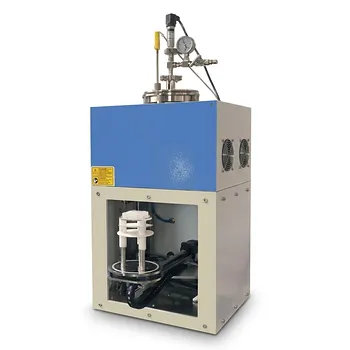
Rapid Thermal Processing Atmosphere Controlled Bottom Loading Furnace 1100C with 50C Per Second Heating Rate for Wafer Annealing
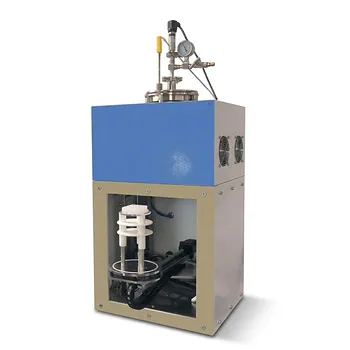
Rapid Thermal Processing Furnace 1100C Atmosphere Controlled Bottom Loading RTP System for Wafer Annealing and Catalysis Research
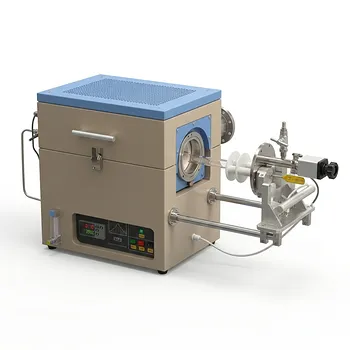
Compact Atmosphere Controlled Rapid Thermal Processing RTP Furnace with 4 Inch ID Quartz Tube 1100C
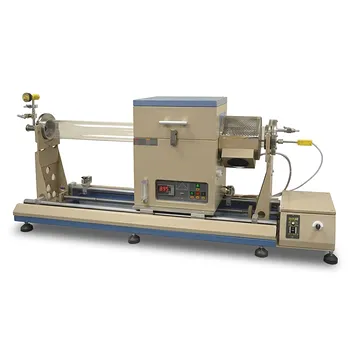
900 ºC Max Sliding RTP Tube Furnace with Rapid IR Heating and 4 Inch OD Quartz Tube
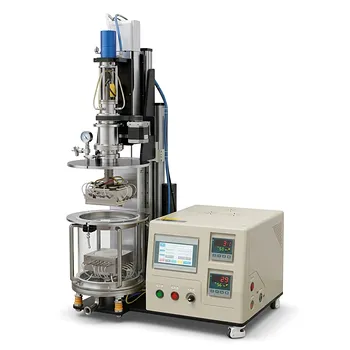
High Temperature 800C Rapid Thermal Processing Furnace with Rotating Sample Holder for Close Spaced Sublimation and Thin Film Solar Cell Research
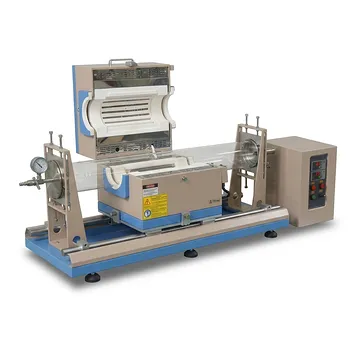
1200C High Temperature 5 Inch Sliding Tube Furnace for Rapid Thermal Processing RTP and Wafer Annealing
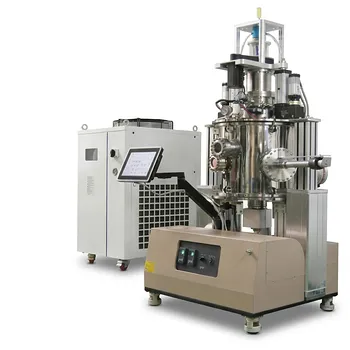
950C Rapid Thermal Processing Furnace for 12 Inch Wafer CSS Coating with Rotating Substrate Holder
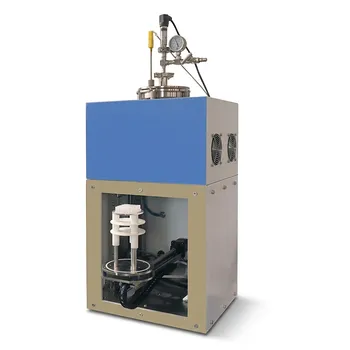
Rapid Thermal Processing RTP Atmosphere Controlled Bottom Loading Furnace 1100C High Throughput 50C per Second Heating Rate
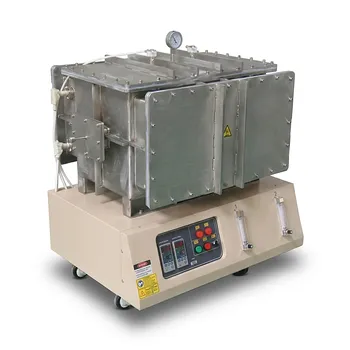
1500°C Atmosphere Controlled Rapid Heating Furnace for Material Science and Battery Powder Sintering
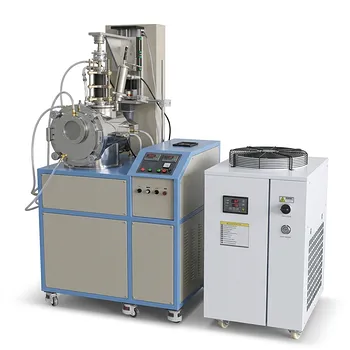
High Temperature Ultrafast Heating Pressing Furnace 2900C Max 100kgf Rapid Thermal Processing System
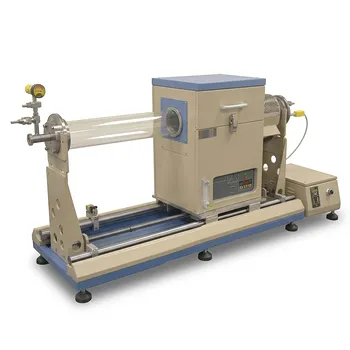
Rapid Thermal Processing Sliding Tube Furnace with 4 Inch OD Quartz Tube and 900C IR Heating
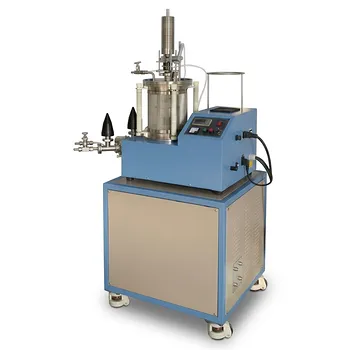
Ultrafast Thermal Pressing Furnace 2900C Max Temperature 200K per Second Heating Rate Vacuum Atmosphere Rapid Processing System
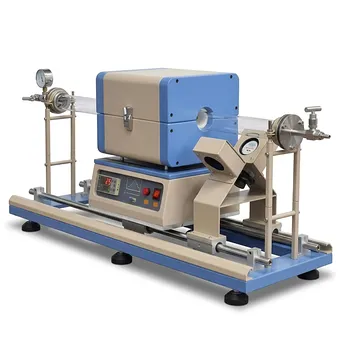
Automated Sliding Tube Furnace for Fast Heating and Cooling 2 Inch OD 1100C Max

High Temperature Tube Furnace 1500C with Sliding Flanges and 50mm OD for Rapid Thermal Processing Fast Heating and Cooling

Compact Vertical Split Quartz Tube Furnace with Stainless Steel Vacuum Flanges for Rapid Thermal Quenching and Controlled Atmosphere Material Processing
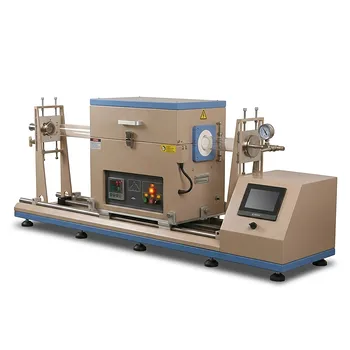
1200C Sliding Tube Furnace for Rapid Thermal Processing and CVD Graphene Growth with 100mm OD Capacity
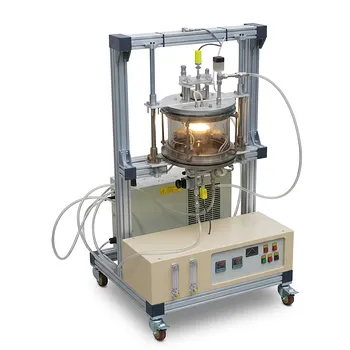
Two Zones CSS Furnace for Rapid Thermal Processing Thin Film Coating 3 Inch Diameter 650C
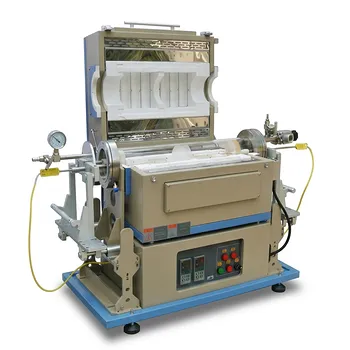
Two Zone IR Heating Rapid Thermal Processing RTP Tube Furnace with 4 Inch ID Quartz Tube and Sliding Sample Holders
Large Bench Top 1700C High Temperature Muffle Furnace with 19L Chamber for Advanced Material Sintering and Annealing