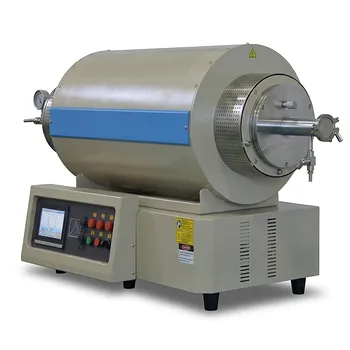
What is the function of a tube atmosphere furnace in the preparation of fibrous carbon cloth? Mastering Carbonization
Updated 3 months ago
The tube atmosphere furnace serves as the primary thermal reactor for the controlled carbonization of fibrous materials. By providing a strictly oxygen-free environment and precise heating cycles, it transforms organic precursors—such as 100% cotton or biomass—into a conductive carbon fiber skeleton. This process ensures the material gains high electrical conductivity, chemical stability, and a high specific surface area while preventing the fiber from burning.
Core Takeaway: A tube atmosphere furnace enables the structural metamorphosis of organic cloth into high-performance carbon substrates by isolating the material from oxygen and applying exact thermal energy to facilitate uniform pyrolysis and graphitization.
Maintaining a Controlled Chemical Environment
Prevention of Oxidative Combustion
The furnace’s primary role is to provide a strictly controlled inert gas environment, typically using high-purity argon (Ar) or nitrogen (N₂). This atmosphere is critical because it prevents the carbon material from undergoing oxidative combustion at high temperatures, which would otherwise destroy the fibrous structure.
Chemical Functionalization and Doping
Beyond simple protection, the atmosphere furnace allows for the introduction of reactive gases like ammonia (NH₃). By switching between inert and reactive gases, researchers can achieve nitrogen-functionalized doping, which modifies the chemical properties of the carbon cloth for applications like fuel cell components.
Removal of Volatile Components
During the heating process, the furnace facilitates the thermal degradation of non-carbon components and volatile impurities. A continuous flow of inert gas carries these byproducts away, increasing the overall elemental carbon content and initiating the formation of a preliminary microporous structure.
Precise Thermal Programming for Structural Integrity
Multi-Stage Heating and PID Control
Modern tube furnaces utilize integrated PID control systems to manage complex, multi-stage heating programs. This precision allows for stabilizing at lower temperatures to prevent thermal overshoot before reaching the final carbonization temperature, ensuring the fibers undergo uniform pyrolysis.
Managing the Degree of Graphitization
The furnace operates across a wide range of temperatures, from 400°C for initial degradation to 1500°C for high-temperature graphitization. Precise control over these temperatures determines the final degree of graphitization, which directly impacts the electrical conductivity and mechanical robustness of the carbon cloth.
Facilitating Chemical Activation
In the preparation of porous carbon frameworks, the furnace provides the heat necessary for redox reactions between activators (like KOH) and the carbon matrix. This specific thermal environment allows for the release of metallic vapors that expand micropores and mesopores, resulting in a hierarchical structure with a high specific surface area.
Understanding Technical Trade-offs and Pitfalls
Gas Flow and Pressure Balance
While high gas flow rates ensure an oxygen-free environment, excessively high flow can lead to thermal gradients inside the tube. This may cause uneven carbonization across the cloth, resulting in inconsistent electrical properties or structural brittle spots.
Heating Rate Limitations
Rapid heating rates (e.g., exceeding 10°C/min) can cause the rapid release of volatile gases, potentially rupturing the delicate fiber walls. Conversely, a rate that is too slow may be energy-inefficient and lead to different pore size distributions than intended.
Sealing Integrity Risks
The superior performance of a tube furnace depends entirely on its sealing performance. Even minute oxygen leaks at temperatures above 600°C can lead to partial oxidation, which significantly reduces the high aspect ratio and conductive foundation of the carbon skeleton.
Optimizing the Process for Specific Material Goals
To achieve the best results in your preparation process, consider the following strategic focuses:
- If your primary focus is electrical conductivity: Target higher temperatures (above 1000°C) and longer dwelling times to maximize the graphitization of the carbon fibers.
- If your primary focus is surface area and porosity: Use a multi-stage heating program with chemical activators to expand the micropore network while maintaining structural stability.
- If your primary focus is structural uniformity: Utilize lower heating rates and ensure high-purity argon purging to prevent any localized oxidation or thermal shock to the fibers.
By mastering the balance of atmosphere and temperature, you can transform simple organic cloth into a sophisticated substrate for advanced electrochemical applications.
Summary Table:
| Key Function | Technical Mechanism | Impact on Material |
|---|---|---|
| Inert Atmosphere | Ar/N₂ purging to isolate oxygen | Prevents combustion; preserves fiber structure |
| Thermal Precision | Multi-stage PID heating (up to 1500°C) | Controls graphitization and conductivity |
| Chemical Doping | Introduction of reactive gases (e.g., NH₃) | Modifies surface chemistry for functionalization |
| Impurity Removal | Continuous flow of carrier gases | Increases carbon purity and expands micropores |
| Sealing Integrity | Vacuum-tight tube environment | Ensures uniform pyrolysis and prevents brittle spots |
Elevate Your Material Research with THERMUNITS Precision
As a leading manufacturer of high-temperature laboratory equipment, THERMUNITS provides the advanced thermal processing solutions required for cutting-edge material science and industrial R&D. Whether you are preparing fibrous carbon cloth or developing next-generation catalysts, our equipment ensures the precision and reliability your work demands.
Our Comprehensive Thermal Solutions Include:
- Advanced Furnaces: Tube, Atmosphere, Vacuum, Muffle, Rotary, and Hot Press furnaces.
- Specialized Systems: CVD/PECVD systems, Dental Furnaces, and Vacuum Induction Melting (VIM) furnaces.
- Components: High-performance Thermal Elements and various electric rotary kilns.
Why Choose THERMUNITS? We empower researchers to achieve uniform pyrolysis, precise graphitization, and superior material integrity. Don't let thermal inconsistency hinder your innovation.
Contact our technical experts today to find the perfect heat treatment solution for your laboratory needs!
References
- Ian P. Seetoh, Chang Quan Lai. Enhanced photoelectrochemical water splitting using carbon cloth functionalized with ZnO nanostructures <i>via</i> polydopamine assisted electroless deposition. DOI: 10.1039/d4nr00761a
Mentioned Products
- Vertical 1700C Vacuum and Atmosphere Tube Furnace with 80mm Alumina Tube
- 1200C Hybrid Muffle and Tube Furnace for Material Research with Dual Atmosphere Control Quartz Tubes
- Compact Vertical Split Quartz Tube Furnace with Stainless Steel Vacuum Flanges for Rapid Thermal Quenching and Controlled Atmosphere Material Processing
- Compact Hybrid Muffle and Tube Furnace for 1000C Controlled Atmosphere Laboratory Material Sintering
- 1200°C Atmosphere Controlled Automatic Bottom Loading Furnace with 6 Inch Quartz Tube
People Also Ask
- How is an industrial-grade vertical tube furnace utilized in smelting leaching residues? Enhance Metal Recovery Efficiency
- What is the function of a laboratory-grade vertical tube furnace in fast pyrolysis? Optimize Composite Research.
- How does a vertical tube furnace facilitate thermoelectric alloy melting? Precision synthesis for material homogeneity.
- Why is a thermocouple sensor indispensable for monitoring the vertical tube furnace during gallium oxide nanowire production? Optimize VLS Growth
- What are the advantages of using a vertical tube furnace for crucible experiments simulating steel-slag interactions?

Tech Team · ThermUnits
Last updated on Jun 03, 2026
Related Products

Vertical 1700C Vacuum and Atmosphere Tube Furnace with 80mm Alumina Tube
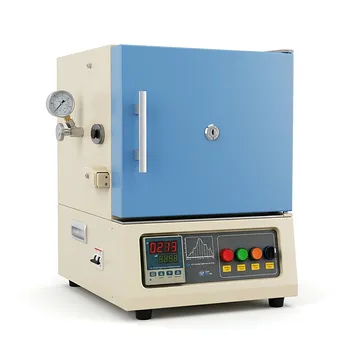
1200C Hybrid Muffle and Tube Furnace for Material Research with Dual Atmosphere Control Quartz Tubes

Compact Vertical Split Quartz Tube Furnace with Stainless Steel Vacuum Flanges for Rapid Thermal Quenching and Controlled Atmosphere Material Processing
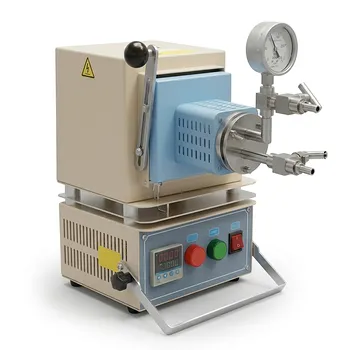
Compact Hybrid Muffle and Tube Furnace for 1000C Controlled Atmosphere Laboratory Material Sintering
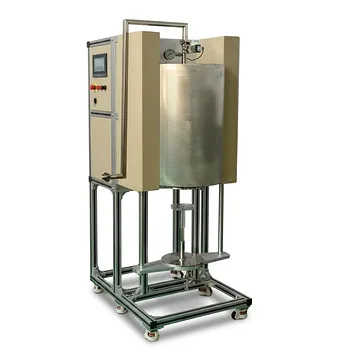
1200°C Atmosphere Controlled Automatic Bottom Loading Furnace with 6 Inch Quartz Tube

Three Zone Tube Furnace with 11 Inch or 15 Inch Quartz Tube and Hinged Flanges for Vacuum Atmosphere Heat Treatment

1200°C 5 Inch Vertical Quartz Tube Furnace with Stainless Steel Vacuum Flanges
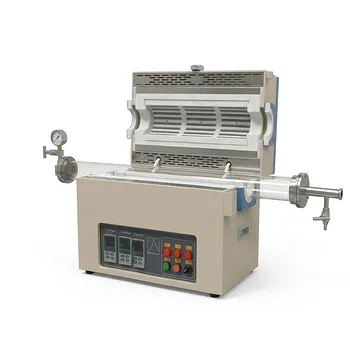
1200°C Three Zone Split Tube Furnace with 18 Inch Heating Length and Vacuum Flanges
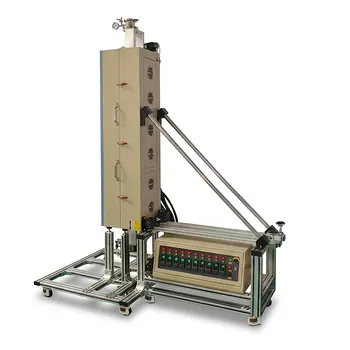
1200°C 10-Zone Split Tube Furnace with Horizontal and Vertical Mounting for Multi-Zone Thermal Gradients and Large Diameter Material Processing
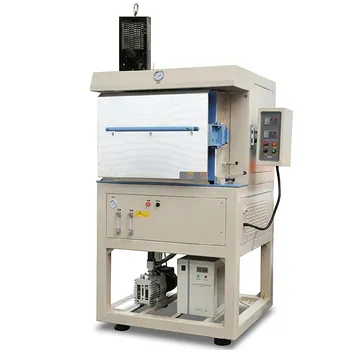
1200C Hydrogen Atmosphere Box Furnace with 5 Heated Sides and 64L Chamber

High Temperature 1700C Tube Furnace with High Vacuum Turbomolecular Pump System and Multi Channel Mass Flow Controller Gas Mixer

1700C Hydrogen Gas Tube Furnace with 60mm Alumina Process Tube and Integrated Hydrogen Safety Detector

High Temperature 1700C Vertical Tube Furnace for Powder Spherification and Material Sintering

High Temperature 1700C Six Zone Split Tube Furnace with Alumina Tube and Water Cooled Flanges
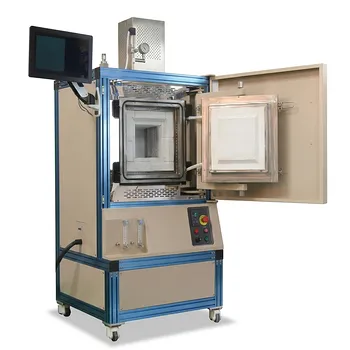
High Temperature Hydrogen Atmosphere Box Furnace 1650C Max Reducing Environment Material Synthesis System 8x8x8 Chamber
1100C Dual Zone Hydrogen Gas Tube Furnace with Quartz Tube and Integrated H2 Leak Detection System

1800C High Temperature Compact Vacuum Tube Furnace with 60mm OD Alumina Tube and Kanthal MoSi2 Heating Elements

High Temperature 1700C Benchtop Tube Furnace with 5 Inch Heating Zone High Purity Alumina Tube and Vacuum Sealing Flanges

High Temperature Automated 5 Inch Tube Furnace for Autonomous Material Research and Advanced Laboratory R&D