What is the function of high-temperature annealing in Ag8SiS6 single crystal production? Ensure Structural Stability
Updated 3 months ago
Controlled high-temperature annealing is the critical stabilization phase in Ag8SiS6 single crystal production. This process, typically conducted at 640 °C for a duration of 72 hours, serves to release internal thermal stresses that accumulate during the crystallization phase. By maintaining this specific thermal environment, manufacturers prevent the crystal from cracking and ensure the atoms settle into a stable orthorhombic structure.
The annealing process acts as a structural stabilizer that mitigates the destructive effects of thermal gradients. It is the bridge between the high-heat melting phase and a room-temperature crystal that is both structurally sound and chemically ordered.
The Mitigation of Internal Thermal Stress
Releasing Residual Strain
During the crystallization of Ag8SiS6, significant temperature gradients develop within the material. These gradients generate internal thermal stresses that, if left unaddressed, will cause the crystal to fracture or "shatter" during the cooling process.
Controlled Cooling Mechanics
Annealing provides the thermal energy necessary for the material to relax at a microscopic level. By holding the crystal at 640 °C, the internal lattice has enough mobility to dissipate strain without losing its solid form.
Structural Stabilization and Atomic Ordering
Achieving the Orthorhombic Phase
The primary goal of Ag8SiS6 production is to achieve a specific orthorhombic crystal structure. High-temperature annealing provides the window of time required for atoms to migrate into their ideal positions within the lattice.
Optimization of Atomic Arrangement
A 72-hour hold ensures that the atomic arrangement is optimized for long-term stability. This extended duration allows for chemical homogenization, ensuring that the silver, silicon, and sulfur atoms are distributed correctly throughout the single crystal.
The Context of the Synthesis Profile
Managing Exothermic Reactions
Before reaching the annealing stage, the synthesis must be carefully managed with a heating rate of 50 °C/h. An initial hold at 450 °C allows for a full reaction between sulfur, silver, and silicon, preventing rapid increases in sulfur vapor pressure that could lead to tube explosions.
Melting and Homogenization
After the initial reaction, the temperature is increased to 1015 °C for melting. This ensures the melt is chemically uniform before it is cooled down to the 640 °C annealing zone for final stabilization.
Understanding the Trade-offs and Pitfalls
The Risk of Insufficient Annealing Time
If the annealing period is shorter than the recommended 72 hours, the internal stresses may not fully dissipate. This often results in "micro-cracking," which compromises the electrical and structural integrity of the single crystal.
Precision in Temperature Zones
Using a dual-zone furnace is essential for maintaining the specific 640 °C environment in the lower section. Deviating from this temperature can lead to phase impurities or the failure to stabilize the orthorhombic structure, rendering the crystal useless for precision applications.
How to Apply These Principles to Your Process
Making the Right Choice for Your Goal
- If your primary focus is crystal durability: You must strictly adhere to the 72-hour annealing window at 640 °C to eliminate the threat of cooling-induced fractures.
- If your primary focus is phase purity: Ensure the multi-stage heating profile is followed precisely, including the 450 °C hold, to prevent unreacted elements from contaminating the final lattice.
- If your primary focus is safety and yield: Maintain a slow heating rate of 50 °C/h to manage vapor pressure and prevent the quartz ampoule from exploding during the melting phase.
By meticulously controlling the thermal environment through high-temperature annealing, you transform a volatile chemical reaction into a stable, high-performance single crystal.
Summary Table:
| Process Stage | Temperature | Key Objective |
|---|---|---|
| Initial Reaction | 450 °C | Manage sulfur vapor pressure and prevent tube explosions. |
| Melting Phase | 1015 °C | Achieve complete chemical homogenization of the melt. |
| Annealing Stage | 640 °C | Release internal thermal stresses and stabilize orthorhombic structure. |
| Cooling Phase | Controlled Rate | Prevent fractures by managing temperature gradients. |
Achieve Perfection in Your Crystal Growth Research
Success in Ag8SiS6 synthesis depends on the absolute precision of your thermal profile. THERMUNITS is a leading manufacturer of high-temperature laboratory equipment specifically designed for material science and industrial R&D. We provide the high-stability Tube Furnaces, Vacuum Systems, and Atmosphere Furnaces essential for maintaining the rigorous 72-hour annealing windows required for structural stabilization.
Whether you are working on chemical homogenization or complex CVD/PECVD applications, our comprehensive range—including Muffle, Rotary, and Hot Press furnaces—ensures your materials achieve maximum phase purity without structural defects.
Ready to elevate your lab's performance? Contact THERMUNITS today to discuss your specific heat treatment needs and discover how our advanced furnace technology can optimize your production yield.
References
- A.I. Pogodin, Ruslan Mariychuk. Particularities of optical behavior of Ag8SiS6 single crystal. DOI: 10.15407/spqeo27.03.280
Mentioned Products
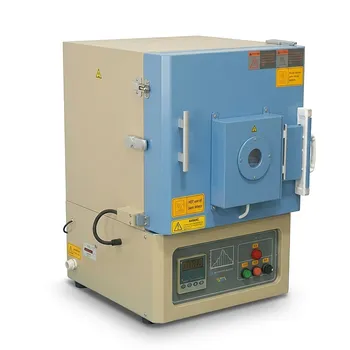
- Large Bench Top 1700C High Temperature Muffle Furnace with 19L Chamber for Advanced Material Sintering and Annealing
- High Temperature 1000C Vacuum Furnace with 8 Inch ID Chamber for Material Sintering and Research Annealing
- High Temperature Cold Wall Vacuum Furnace for Advanced Material Sintering and Annealing 1600C Heating Area 200x200x300mm
- High Temperature 1500C Benchtop Muffle Furnace 3.6L Alumina Fiber Chamber Programmable Controller Sintering Annealing Carbonization Thermal Processing System
- High Temperature Vertical Atmosphere Controlled Furnace with Automatic Bottom Loading and 1700°C Capacity for Advanced Material Research
People Also Ask
- What is the function of a high-temp muffle furnace in Ni-V oxide synthesis? Optimize your material's performance.
- What is the purpose of using muffle or tube furnaces in glass synthesis? Achieve Precise Melt-Quenching & Homogeneity
- What role does a high-temperature muffle furnace play in evaluating the mineral composition of rock samples? LOI & XRF Guide
- What is the function of a high-temperature muffle furnace in phosphorus-modified zeolite catalyst preparation?
- What is the function of a muffle furnace in aluminoborosilicate glass prep? Stabilize Raw Materials for Superior Purity

Tech Team · ThermUnits
Last updated on Jun 02, 2026
Related Products
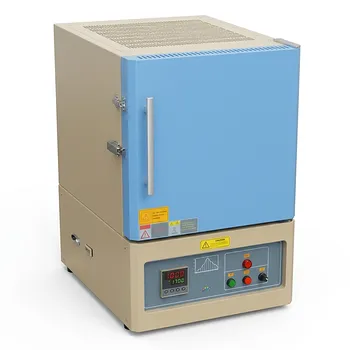
Large Bench Top 1700C High Temperature Muffle Furnace with 19L Chamber for Advanced Material Sintering and Annealing
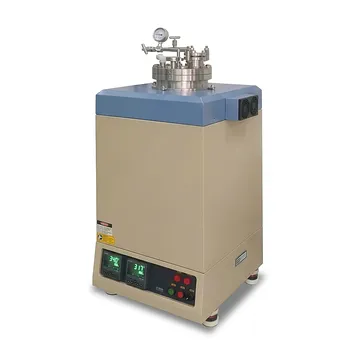
High Temperature 1000C Vacuum Furnace with 8 Inch ID Chamber for Material Sintering and Research Annealing
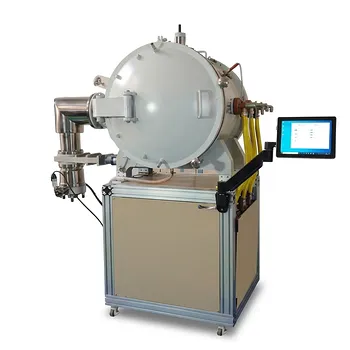
High Temperature Cold Wall Vacuum Furnace for Advanced Material Sintering and Annealing 1600C Heating Area 200x200x300mm
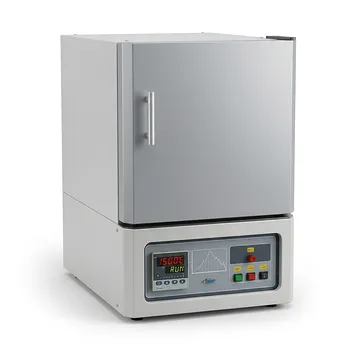
High Temperature 1500C Benchtop Muffle Furnace 3.6L Alumina Fiber Chamber Programmable Controller Sintering Annealing Carbonization Thermal Processing System
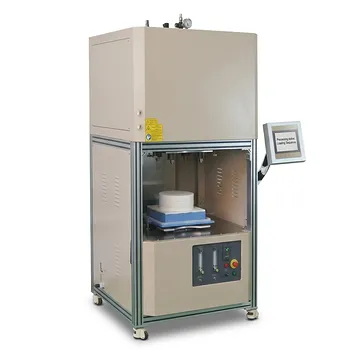
High Temperature Vertical Atmosphere Controlled Furnace with Automatic Bottom Loading and 1700°C Capacity for Advanced Material Research
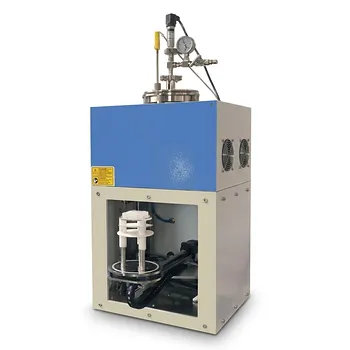
Rapid Thermal Processing Atmosphere Controlled Bottom Loading Furnace 1100C with 50C Per Second Heating Rate for Wafer Annealing
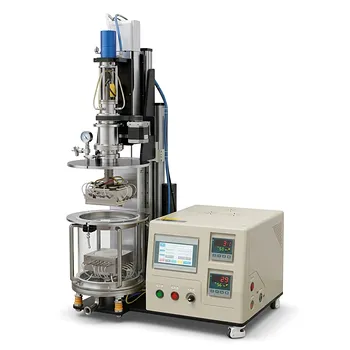
High Temperature 800C Rapid Thermal Processing Furnace with Rotating Sample Holder for Close Spaced Sublimation and Thin Film Solar Cell Research
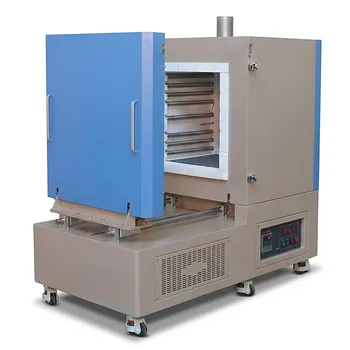
1200C Five Side Heating Muffle Furnace with Sliding Door 125L Volume High Temperature Heat Treatment System for Large Scale Sintering and Annealing
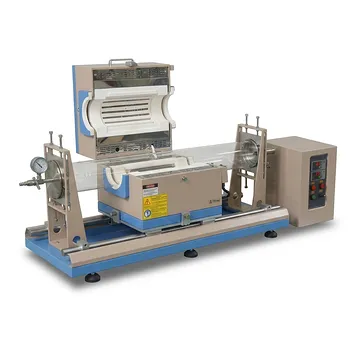
1200C High Temperature 5 Inch Sliding Tube Furnace for Rapid Thermal Processing RTP and Wafer Annealing
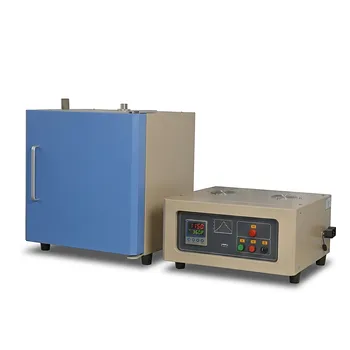
High Temperature Muffle Furnace with Alloy Chamber for Debinding and Sintering Applications
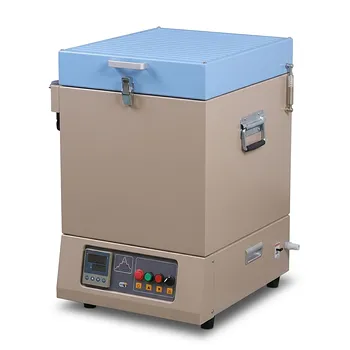
High Temperature Vertical Crucible Furnace with 22L Heating Chamber and 1200C Maximum Temperature
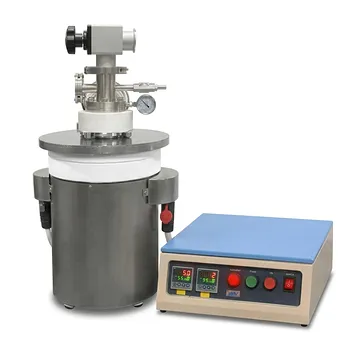
1100C High Temperature Vacuum Crucible Furnace with Quartz Chamber for Thermal Processing and Sintering
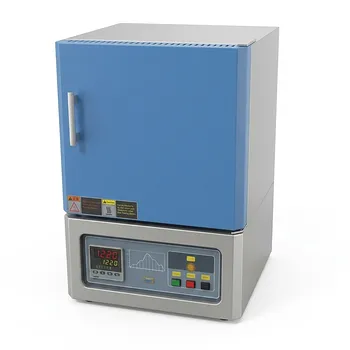
High Temperature Benchtop Muffle Furnace 1700C 10L Chamber Alumina Fiber Insulation MoSi2 Heating Elements
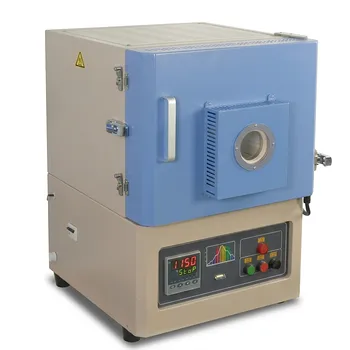
High Temperature Benchtop Muffle Furnace with Quartz Observation Window for Thermal Imaging and Material Analysis
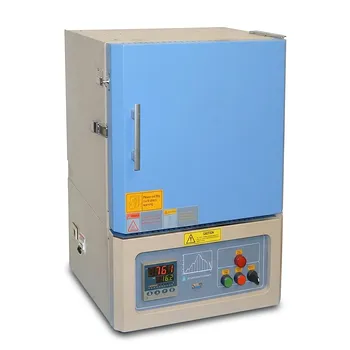
High Temperature 1700C Bench Top Muffle Furnace with Alumina Fiber Insulation and 3.6L Chamber Capacity for Precision Sintering and Heat Treatment

High Temperature Tube Furnace 1500C with Sliding Flanges and 50mm OD for Rapid Thermal Processing Fast Heating and Cooling
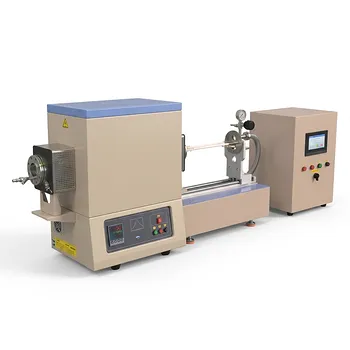
High Temperature Horizontal Electrical Assisted Sintering Furnace with 3KW Programmable Power Source for Advanced Ceramic Materials
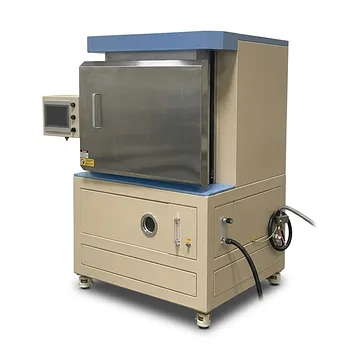
1650C High Temperature Atmosphere Controlled Box Furnace with 65L Chamber for Advanced Material Sintering and Industrial Heat Treatment

1750°C High Temperature Benchtop Vacuum Atmosphere Tube Furnace with Kanthal Super 1800 Heating Elements and 60mm Alumina Processing Tube