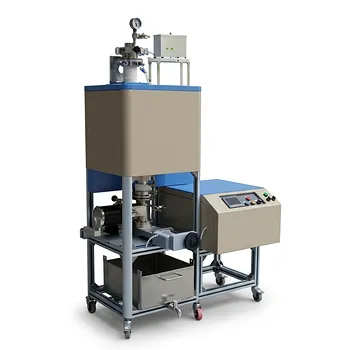
What is the function of high-precision Mass Flow Controllers (MFC) in a tube furnace? Ensure Precise Kinetic Stability.
Updated 6 months ago
High-precision Mass Flow Controllers (MFC) are the specialized components responsible for regulating the exact velocity, volume, and molar proportions of gases entering a tube furnace. By ensuring a stable and repeatable flow, they prevent minor fluctuations from disrupting thermal convection and the concentration of volatiles, which are critical variables in determining accurate thermal decomposition kinetics.
Core Takeaway: The MFC transforms a tube furnace from a simple heater into a precision reactor by providing absolute control over the chemical atmosphere and gas dynamics, ensuring that experimental data reflects true material behavior rather than flow-induced artifacts.
Ensuring Kinetic and Thermal Stability
Regulating Thermal Convection and Heat Transfer
In thermal decomposition studies, the rate of mass loss is highly sensitive to the convective heat transfer between the gas and the sample. MFCs maintain a constant flow velocity, ensuring that the thermal energy delivered to the sample remains consistent throughout the heating cycle. Inconsistent flow rates can lead to erratic temperature gradients, which compromise the calculation of pyrolysis kinetics and auto-ignition temperatures.
Managing Volatile Accumulation and the "Sweep" Effect
As a sample decomposes, it releases volatile species that accumulate in the boundary layer immediately above the material. A high-precision MFC regulates the "sweep gas" that carries these volatiles away, preventing reabsorption or secondary reactions that would skew mass loss data. Strict control over this flow rate allows researchers to isolate the primary decomposition pathway from secondary gas-phase interactions.
Controlling Residence Time and Space Velocity
In flow-through systems like drop tube furnaces, the residence time—how long a reactant remains in the hot zone—is dictated by the gas flow rate. MFCs allow for the precise adjustment of Weight Hourly Space Velocity (WHSV), which is fundamental for optimizing contact time between reactants. This precision ensures that reactions, such as plastic hydrogasification, are steered toward desired products like methane rather than unwanted byproducts.
Atmospheric Simulation and Chemical Precision
Precise Control of Oxygen Partial Pressure
Many thermal studies require specific redox conditions, ranging from highly reducing to standard oxidizing environments. By mixing gases such as CO and CO2 or Oxygen and Argon in exact ratios, MFCs allow researchers to quantitatively adjust oxygen fugacity (logf O2). This is essential for validating thermodynamic models and observing the electrical or phase responses of minerals and metals under varying reduction levels.
Replicating Complex Industrial Atmospheres
MFCs enable the simulation of harsh industrial environments by mixing multiple trace gases like SO2, HCl, and CO2. This is critical for studying superheater corrosion or biomass combustion, where the specific molar volume ratio of flue gases dictates the degradation of materials. High-precision units can manage these flows with minimal error, often within plus or minus 2 cc/min, providing high-fidelity replication of real-world conditions.
Maintaining Stable Atmospheric Pressure
Throughout the heating and combustion process, the MFC ensures that the oxidizing atmosphere adheres to set pressure levels despite temperature changes. As gas expands with heat, the controller adjusts the mass flow to maintain a constant molar environment within the tube. This stability is the primary physical prerequisite for evaluating the sintering and aggregation of ash particles or the desulfurization of ores.
Understanding the Trade-offs
Calibration and Gas Compatibility
High-precision MFCs are typically calibrated for specific gases (e.g., Nitrogen or Air) based on their thermal conductivity. If a researcher switches to a gas with significantly different properties, such as Hydrogen or Sulfur Dioxide, the device may require a conversion factor or physical recalibration. Failure to account for gas-specific properties can lead to significant errors in the actual versus reported flow rates.
Sensitivity to System Backpressure
While MFCs are designed to be precise, they can be sensitive to significant changes in downstream pressure or blockages in the furnace. In studies involving heavy soot or ash formation, the buildup of material can create backpressure that may stress the control valve. Regular maintenance of the furnace's exhaust and filtration system is necessary to ensure the MFC functions within its optimal linear range.
How to Apply This to Your Project
Recommendations for Research Goals
- If your primary focus is Pyrolysis Kinetics: Prioritize an MFC with high repeatability to ensure that the boundary layer of volatiles is removed at a consistent rate across all trial runs.
- If your primary focus is Redox or Corrosion Studies: Use a multi-channel MFC system to precisely mix reactive and inert gases, allowing for the fine-tuning of oxygen partial pressure.
- If your primary focus is Combustion Efficiency: Opt for controllers that allow for rapid adjustment of air flow rates to simulate different stages of the combustion cycle and fuel residence times.
By masterfully controlling the gas environment, the high-precision MFC ensures that every microgram of mass loss is a result of the programmed thermal cycle rather than an atmospheric inconsistency.
Summary Table:
| Feature | Function in Tube Furnace | Impact on Research |
|---|---|---|
| Flow Regulation | Ensures constant gas velocity & heat transfer | Improves thermal decomposition kinetics accuracy |
| Sweep Effect | Removes volatiles from sample boundary layer | Prevents reabsorption & secondary gas reactions |
| Residence Time | Controls reactants' duration in the hot zone | Optimizes contact time for specific product yields |
| Atmosphere Mixing | Adjusts oxygen partial pressure & redox states | Replicates complex industrial/corrosive conditions |
| Pressure Stability | Adjusts for gas expansion during heating | Maintains a constant molar environment for sintering |
Maximize Your Research Precision with THERMUNITS
High-fidelity data in thermal decomposition requires more than just heat—it requires absolute atmospheric control. As a leading manufacturer of high-temperature laboratory equipment, THERMUNITS provides the advanced technology needed for rigorous material science and industrial R&D.
Our comprehensive range of thermal solutions, including Tube, Vacuum, Atmosphere, Rotary, and CVD/PECVD furnaces, can be integrated with high-precision MFC systems to meet your exact specifications for flow rate and chemical stability. Whether you are studying pyrolysis kinetics or superheater corrosion, our equipment—from Muffle and Hot Press furnaces to Vacuum Induction Melting (VIM) units—is designed for durability and repeatability.
Ready to elevate your lab's capabilities? Contact our engineering team today to discuss a customized furnace solution tailored to your research goals.
References
- Karen De Lannoye, Lukas Arnold. Effect of flow velocity, atmosphere and sample thickness on the mass loss rate of PMMA in the tube furnace. DOI: 10.1088/1742-6596/2885/1/012024
Mentioned Products
- High Temperature Tube Furnace 1500C with Sliding Flanges and 50mm OD for Rapid Thermal Processing Fast Heating and Cooling
- Vertical 1700C Vacuum and Atmosphere Tube Furnace with 80mm Alumina Tube
- 1100C Tube Furnace with Vacuum Flange and Programmable Temperature Controller for Material Science and Industrial Heat Treatment
- Compact High Temperature 1600C Tube Furnace with 50mm Alumina Tube and Vacuum Flanges for Material Sintering
- 900°C Max Rotary Tube Furnace with 8 Inch 310S Alloy Tube and Optional Multi Zone Heating for Industrial Material Calcination
People Also Ask
- How are high-temperature tube furnaces utilized to repair etching damage? Precision Lattice Restoration Solutions
- What role does a high-temperature tube furnace play in the sulfidation heat treatment of CoS@C/MXene nanocomposites? Guide
- How does precision tube furnace control influence CoFe nanoparticle formation? Master Your Bimetallic Synthesis.
- What core conditions does a high-temperature tube furnace provide for rGO aerogels? Mastering Precision Synthesis.
- What role does a high-temperature tube furnace play in CVD synthesis of silicon nanowires? Master VLS Growth Precision.

Tech Team · ThermUnits
Last updated on Apr 14, 2026
Related Products
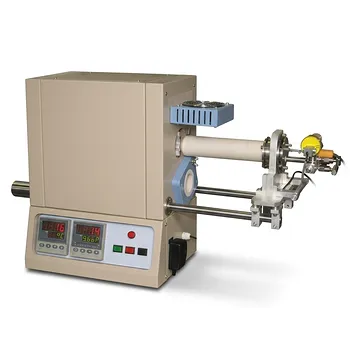
High Temperature Tube Furnace 1500C with Sliding Flanges and 50mm OD for Rapid Thermal Processing Fast Heating and Cooling
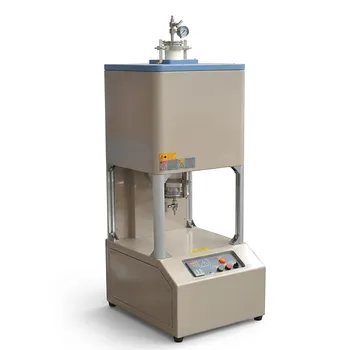
Vertical 1700C Vacuum and Atmosphere Tube Furnace with 80mm Alumina Tube
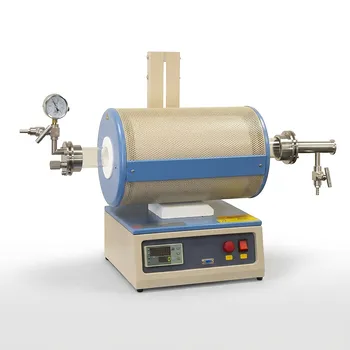
1100C Tube Furnace with Vacuum Flange and Programmable Temperature Controller for Material Science and Industrial Heat Treatment
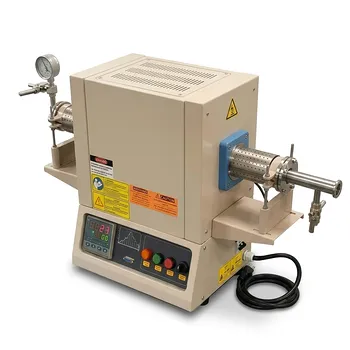
Compact High Temperature 1600C Tube Furnace with 50mm Alumina Tube and Vacuum Flanges for Material Sintering
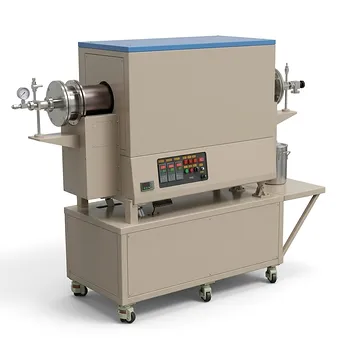
900°C Max Rotary Tube Furnace with 8 Inch 310S Alloy Tube and Optional Multi Zone Heating for Industrial Material Calcination
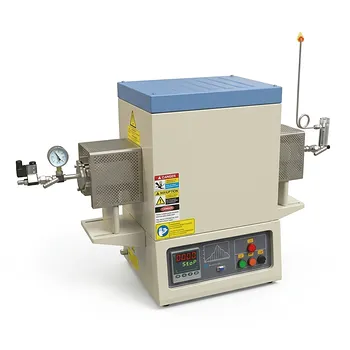
1700C Hydrogen Gas Tube Furnace with 60mm Alumina Process Tube and Integrated Hydrogen Safety Detector
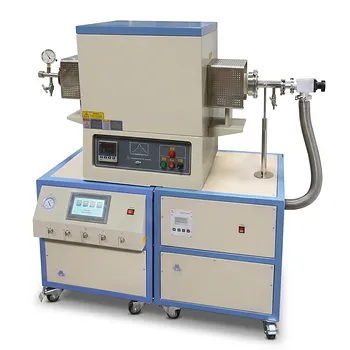
High Temperature 1700C Tube Furnace with High Vacuum Turbomolecular Pump System and Multi Channel Mass Flow Controller Gas Mixer
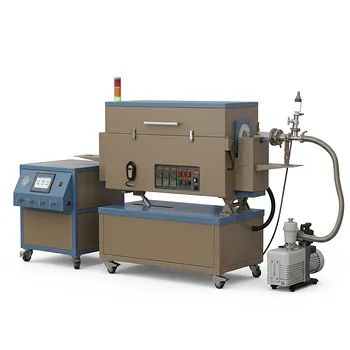
5 Inch Three Zone Rotary Tube Furnace with Integrated Gas Delivery System and 1200C Capability for Advanced Material CVD Processing
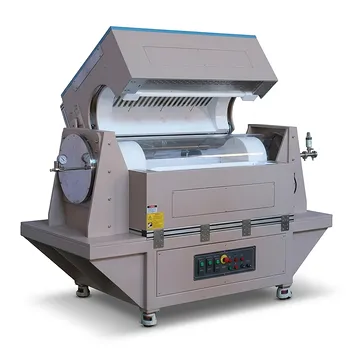
Three Zone Tube Furnace with 11 Inch or 15 Inch Quartz Tube and Hinged Flanges for Vacuum Atmosphere Heat Treatment
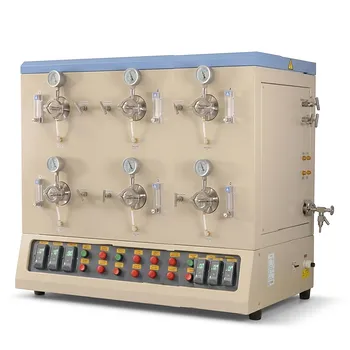
1200C High Throughput Multi Channel Tube Furnace with 50mm Quartz Tubes for Annealing and Material Phase Diagram Research
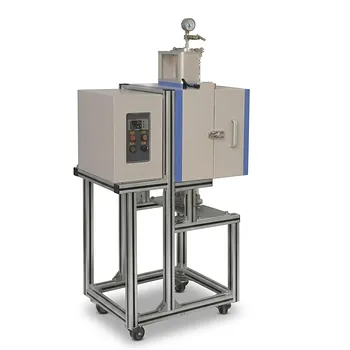
1200°C 5 Inch Vertical Quartz Tube Furnace with Stainless Steel Vacuum Flanges
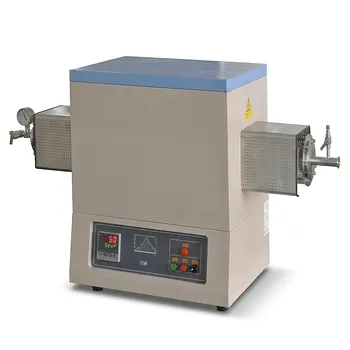
High Temperature 1700C Tube Furnace with 4 Inch OD Alumina Tube and Vacuum Sealing Flanges
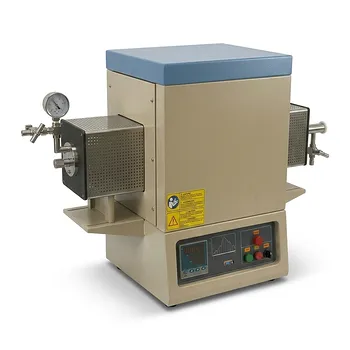
High Temperature 1700C Benchtop Tube Furnace with 5 Inch Heating Zone High Purity Alumina Tube and Vacuum Sealing Flanges
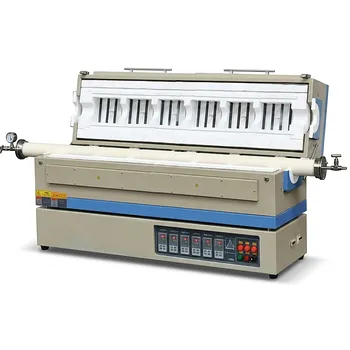
High Temperature 1700C Six Zone Split Tube Furnace with Alumina Tube and Water Cooled Flanges
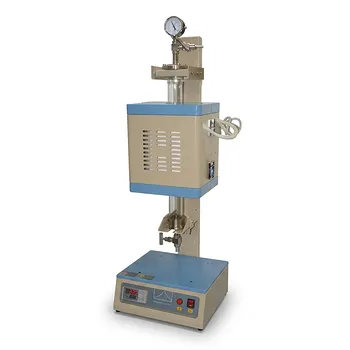
Compact Vertical Split Quartz Tube Furnace with Stainless Steel Vacuum Flanges for Rapid Thermal Quenching and Controlled Atmosphere Material Processing
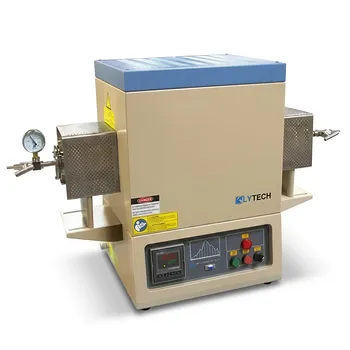
1800C High Temperature Compact Vacuum Tube Furnace with 60mm OD Alumina Tube and Kanthal MoSi2 Heating Elements
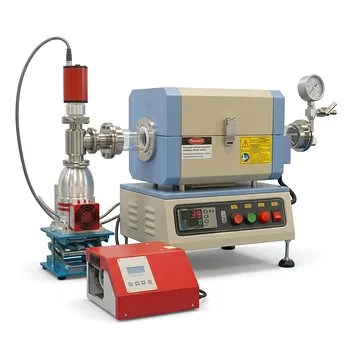
High Vacuum Compact Tube Furnace 1200C with Integrated Turbo Pump System and 8 Inch Heating Zone
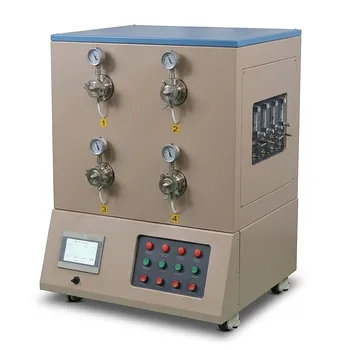
High Throughput 1200C Four Channel Tube Furnace with 3 Inch Quartz Tubes for Multi Zone Annealing and Material Research
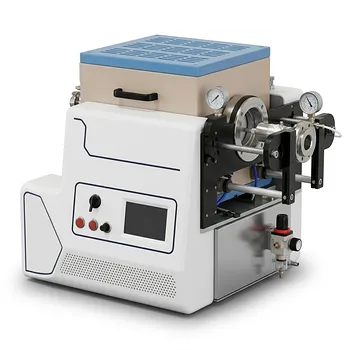
High Temperature Automated 5 Inch Tube Furnace for Autonomous Material Research and Advanced Laboratory R&D