What is the function of high-purity fused quartz tubes in SnP2Se6 synthesis? Key Roles for Crystal Growth
Updated 6 months ago
High-purity fused quartz tubes serve as the primary containment vessels for the synthesis of $SnP_2Se_6$ semiconductors. They provide a chemically inert, vacuum-sealed environment capable of withstanding temperatures exceeding 500°C. By isolating reactive precursors like tin, phosphorus, and selenium from external contaminants and preventing reactions with the vessel itself, these tubes ensure the growth of high-purity single crystals with precise stoichiometry.
The central role of fused quartz in $SnP_2Se_6$ synthesis is to create a controlled, high-vacuum micro-environment that maintains chemical stability and prevents oxidation during prolonged thermal processing.
The Structural and Chemical Role of Quartz Vessels
Maintaining Chemical Purity and Inertness
The synthesis of $SnP_2Se_6$ involves highly reactive precursors, particularly phosphorus and selenium. High-purity fused quartz is selected for its exceptional chemical inertness, which prevents the container from reacting with these elements during the heating process. This ensures that no unwanted silicon or metallic impurities leach into the growing semiconductor crystal.
Providing Thermal Stability at High Temperatures
The growth of $SnP_2Se_6$ single crystals via Chemical Vapor Transport (CVT) or flux methods requires sustained heat, often exceeding 500°C. Quartz tubes maintain their structural integrity and vacuum seals at these elevated temperatures without softening or deforming. This thermal resilience is critical for experiments that may last several days or weeks.
Protecting the Reaction Environment
Isolation from Atmospheric Contaminants
Chalcogenide compounds are highly sensitive to oxygen and moisture, which can cause unwanted oxidation of the tin or selenium components. The vacuum-sealed nature of the quartz tube (maintaining levels around $3 \times 10^{-3}$ mbar) effectively isolates the reactants from the external atmosphere. This isolation is mandatory for maintaining the ferroelectric and electronic properties of the semiconductor.
Stoichiometric Control and Vapor Management
Many precursors used in semiconductor synthesis, such as phosphorus and sulfur/selenium-based compounds, are highly volatile. The sealed quartz vessel confines these vapors, preventing the loss of material through volatilization. By keeping all components within a closed system, the tube ensures the final crystal matches the intended chemical stoichiometry.
Understanding the Trade-offs and Limitations
Risk of Devitrification and Pressure Failures
While quartz is robust, it is susceptible to devitrification—a process where the glass transitions into a crystalline state—if exposed to certain impurities or repeated thermal cycling. Furthermore, if the internal vapor pressure of the phosphorus or selenium becomes too high, the tube can explode. Operators must carefully calculate the "load" and temperature to ensure the internal pressure does not exceed the mechanical limits of the quartz wall.
Purity Grade Sensitivity
Not all quartz tubes are equal; "high-purity" specifically refers to tubes with extremely low hydroxyl (OH) content and minimal metallic traces. Using lower-grade quartz can introduce trace contaminants that act as dopants in the $SnP_2Se_6$ lattice, fundamentally altering its electrical characteristics. The cost of high-purity fused quartz is a necessary trade-off for achieving research-grade crystal quality.
How to Optimize Quartz Tube Use for Synthesis
Recommendations for Crystal Growth Success
- If your primary focus is crystalline perfection: Ensure the tube is cleaned with aqua regia and vacuum-baked before loading precursors to remove all surface contaminants.
- If your primary focus is stoichiometry: Use thick-walled quartz tubes (2mm or greater) to safely handle the high vapor pressures generated by phosphorus and selenium at peak temperatures.
- If your primary focus is large-scale synthesis: Monitor the furnace gradient closely, as the transparency of the quartz tube allows for visual inspection of the transport process and crystal nucleation.
The high-purity fused quartz tube is not merely a container, but a critical tool that defines the purity, stability, and chemical identity of the $SnP_2Se_6$ semiconductor.
Summary Table:
| Key Function | Benefit to SnP2Se6 Synthesis | Technical Requirement |
|---|---|---|
| Chemical Inertness | Prevents metallic leaching and impurity doping | Ultra-low hydroxyl (OH) content |
| Thermal Stability | Maintains integrity at 500°C+ during long cycles | High-grade fused silica |
| Vacuum Sealing | Prevents oxidation and moisture contamination | Pressure levels ~ $3 \times 10^{-3}$ mbar |
| Vapor Containment | Ensures precise stoichiometry of volatile P and Se | Thick-walled quartz (≥ 2mm) |
Elevate Your Semiconductor Research with THERMUNITS
Precise crystal growth for materials like SnP2Se6 requires more than just high-quality quartz; it demands the most reliable thermal environments. THERMUNITS is a leading manufacturer of high-temperature laboratory equipment, providing the precision and stability needed for advanced material science and industrial R&D.
Our comprehensive range of solutions includes:
- Tube Furnaces & CVD/PECVD Systems: Perfect for controlled vapor transport and semiconductor synthesis.
- Vacuum & Atmosphere Furnaces: Ensuring the oxygen-free environments critical for chalcogenide purity.
- Specialized Equipment: Including Muffle, Rotary, Hot Press, and Vacuum Induction Melting (VIM) furnaces.
Whether you are scaling up synthesis or conducting high-purity research, our expert-engineered heat treatment solutions ensure consistent, repeatable results.
Ready to optimize your thermal processing?
Contact THERMUNITS today to discuss your specific laboratory requirements with our technical team!
References
- Vinod K. Sangwan, Mercouri G. Kanatzidis. Bulk photovoltaic effect and high mobility in the polar 2D semiconductor SnP <sub>2</sub> Se <sub>6</sub>. DOI: 10.1126/sciadv.ado8272
Mentioned Products
- 1200C Four Zone Split Tube Furnace with Touch Screen Control and High Purity Quartz Tube and Vacuum Sealing Flanges
- High Throughput 1200C Four Channel Tube Furnace with 3 Inch Quartz Tubes for Multi Zone Annealing and Material Research
- High Temperature 1200C Split Tube Furnace with Hinged Vacuum Flanges and 4 Inch Quartz Tube for Laboratory Research
- 1100°C High Temperature Quartz Chamber Furnace 8 Inch OD with 7.6 Liter Capacity and Vacuum Atmosphere Capability
- High Temperature Rocking Tube Furnace with Quartz Tube and Vacuum Flange for Materials Synthesis
People Also Ask
- What are the functions of a high-purity quartz tube in IF-MoS2 sulfurization? Ensure Purity and Precise Thermal Control
- What are the primary functions of a high-purity quartz tube furnace during the molten salt treatment of MXene? Expert Guide
- What are the technical advantages of using a multi-zone independently controlled tube furnace in the modified USP process?
- Why is a quartz tube furnace necessary for phosphorus-doped MoS2/GO preparation? Ensure Purity & Precise Synthesis
- What functions do quartz tube furnaces perform in NMC111 calcination? Enhance material purity and performance.

Tech Team · ThermUnits
Last updated on Apr 14, 2026
Related Products
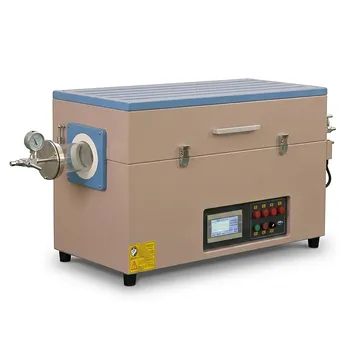
1200C Four Zone Split Tube Furnace with Touch Screen Control and High Purity Quartz Tube and Vacuum Sealing Flanges
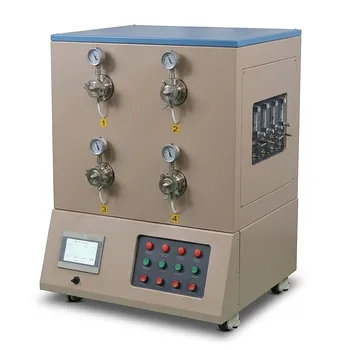
High Throughput 1200C Four Channel Tube Furnace with 3 Inch Quartz Tubes for Multi Zone Annealing and Material Research
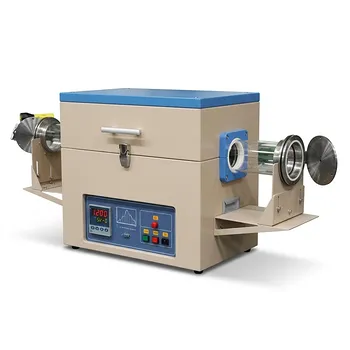
High Temperature 1200C Split Tube Furnace with Hinged Vacuum Flanges and 4 Inch Quartz Tube for Laboratory Research
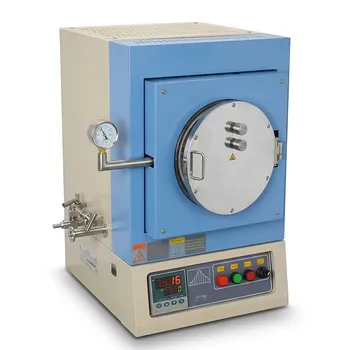
1100°C High Temperature Quartz Chamber Furnace 8 Inch OD with 7.6 Liter Capacity and Vacuum Atmosphere Capability
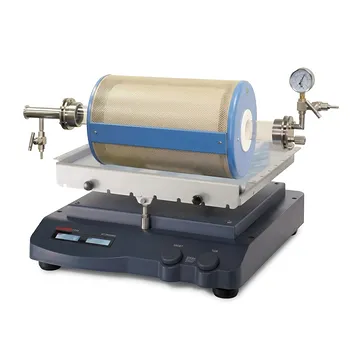
High Temperature Rocking Tube Furnace with Quartz Tube and Vacuum Flange for Materials Synthesis
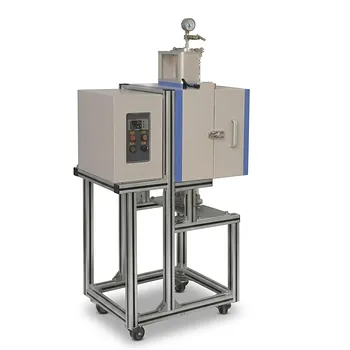
1200°C 5 Inch Vertical Quartz Tube Furnace with Stainless Steel Vacuum Flanges
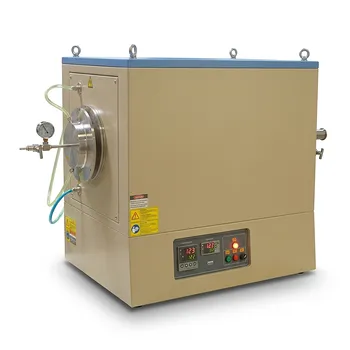
1100°C Large Diameter Quartz Tube Furnace with 24 Inch Heating Zone and Water Cooled Flanges
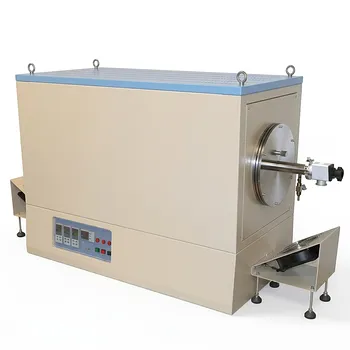
1100°C Three Zone Tube Furnace with 8.5 to 11 Inch OD Quartz Tube and Vacuum Flanges for Large Wafer Processing
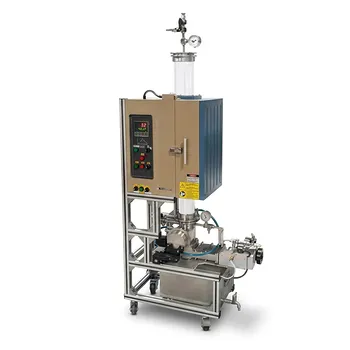
1200C High Temperature Atmosphere Controlled Vertical Quenching Tube Furnace with 4 Inch Quartz Tube
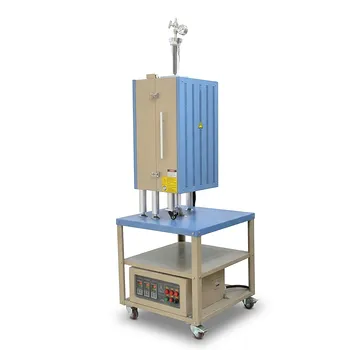
1200C Three Zone Vertical Tube Furnace with 2 Inch Quartz Tube and Vacuum Flanges
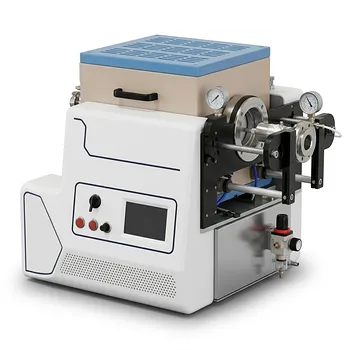
High Temperature Automated 5 Inch Tube Furnace for Autonomous Material Research and Advanced Laboratory R&D
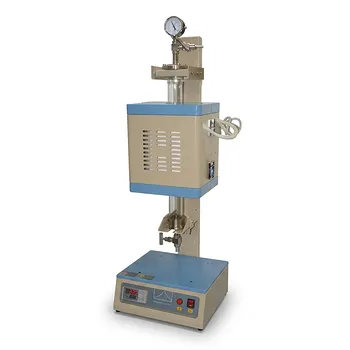
Compact Vertical Split Quartz Tube Furnace with Stainless Steel Vacuum Flanges for Rapid Thermal Quenching and Controlled Atmosphere Material Processing
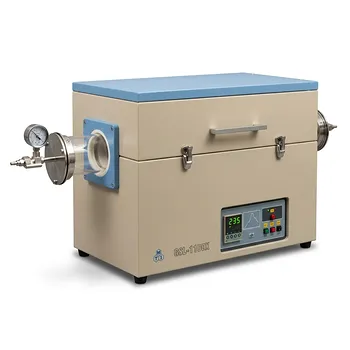
Single Zone Tube Furnace 5 Inch Quartz Tube 36 Inch Heating Zone Vacuum Flanges
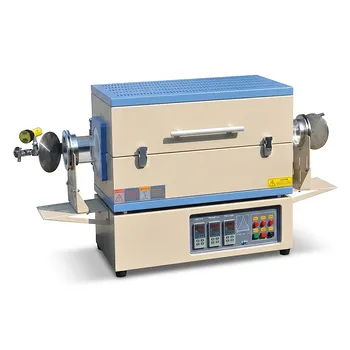
Three Zone Tube Furnace with 24 Inch Heating Length and Hinged Flange Quartz Tube System
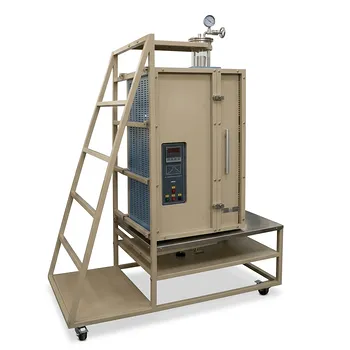
Split Vertical Tube Furnace with 1200C Quartz Tube and Stainless Steel Vacuum Flanges for Rapid Thermal Processing
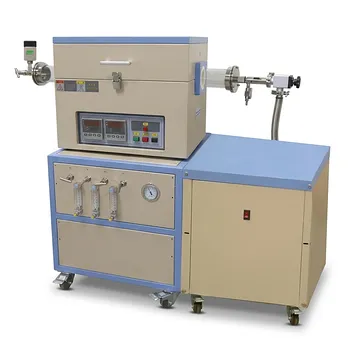
Dual Zone Quartz Tube Furnace with 80mm Diameter 1200C Max Temperature 3 Channel Gas Mixer and Vacuum Pump System
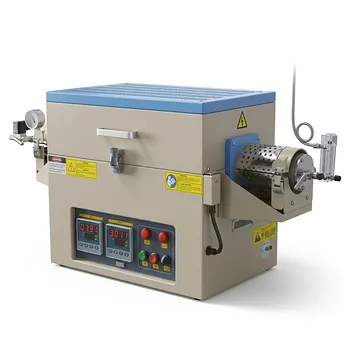
1100C Dual Zone Hydrogen Gas Tube Furnace with Quartz Tube and Integrated H2 Leak Detection System
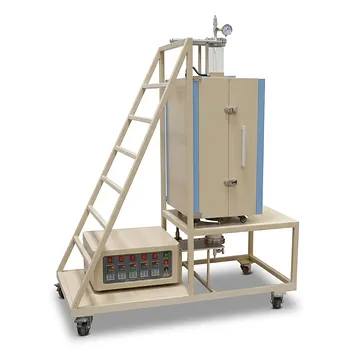
Five Zone Split Vertical Tube Furnace 1200C Max with 4 Inch Quartz Tube and Stainless Steel Vacuum Flanges
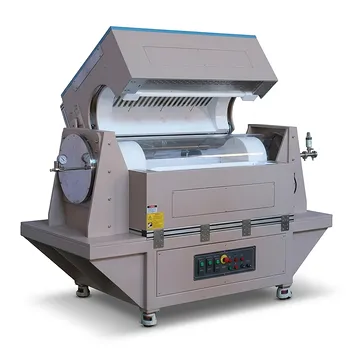
Three Zone Tube Furnace with 11 Inch or 15 Inch Quartz Tube and Hinged Flanges for Vacuum Atmosphere Heat Treatment