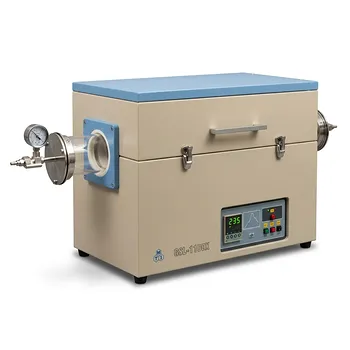
What is the function of multi-point K-type thermocouples in a tube furnace during biomass pyrolysis? Optimize Kinetics
Updated 3 months ago
Multi-point K-type thermocouples are the critical sensory network of a tube furnace. They provide the real-time thermal data necessary to map temperature distribution across the reactor and furnace walls simultaneously. This data acts as a continuous feedback loop for control programs, ensuring that specific heating rates—such as 20 °C/min—are executed with high precision to maintain the integrity of the thermochemical process.
The primary function of multi-point K-type thermocouples is to provide a comprehensive thermal map of both the biomass sample and the furnace environment. This dual-layered monitoring enables closed-loop control systems to maintain uniform heating, preventing local overheating and ensuring consistent biochar quality.
Mapping Thermal Distribution and Gradients
Monitoring Internal and External Temperature Fields
Multi-point thermocouples allow researchers to monitor the temperature field distribution within the reactor and along the furnace walls in real-time. By tracking multiple locations, the system can identify axial temperature gradients that naturally occur in non-equilibrium heating environments.
Preventing Local Overheating
Thermocouples positioned on the external furnace walls are essential for monitoring heat uniformity. This oversight prevents local hotspots that could lead to inconsistent biochar quality or damage to the furnace tube itself.
Validating Temperature Control Accuracy
In complex thermal experiments, a redundant measurement design helps validate the accuracy of the heating zones. This ensures that the thermal fluctuations during the experiment are captured and recorded, providing a reliable dataset for the transition of material states.
Precision Control of Pyrolysis Kinetics
Enabling Closed-Loop Feedback
Thermocouples directly inserted into the biomass layer provide the necessary feedback for closed-loop temperature control systems. These systems adjust heating power in real-time to ensure the furnace strictly follows preset temperature programs, such as specific rates of 10 °C/min or 20 °C/min.
Managing Biomass Degradation Stages
Precise temperature control is vital for the thermochemical degradation of hemicellulose, cellulose, and lignin. By maintaining constant heating rates and specific residence times at temperatures like 400 °C, the furnace maximizes solid biochar yield.
Identifying Material Reactivity
Advanced configurations use a dual-channel setup to compare the ambient chamber temperature against the sample core temperature. This allows technicians to identify the inflection point where the sample temperature exceeds the chamber temperature, signaling spontaneous combustion or high material reactivity.
Understanding the Trade-offs and Challenges
Sensor Placement Sensitivity
The accuracy of a multi-point system is highly dependent on the physical placement of each probe. If a thermocouple is slightly offset from the specimen axis or sample core, it may provide a reading that does not reflect the actual kinetic state of the biomass.
Environmental Degradation of Sensors
K-type thermocouples are robust, but continuous exposure to high temperatures (between 1173 K and 1373 K) and volatile pyrolysis gases can lead to sensor drift. Over time, this degradation can compromise the precision required for sensitive nitrogen conversion pathway studies.
Data Complexity and Processing
While multi-point monitoring provides a richer dataset, it increases the complexity of the control logic. Managing multiple data streams requires sophisticated software to prevent "chatter" in the heating elements as the system attempts to balance conflicting temperature readings across different zones.
How to Apply This to Your Project
Recommendations for Implementation
- If your primary focus is biochar consistency: Prioritize thermocouples placed directly in the biomass layer to ensure the heating rate matches the internal temperature of the material.
- If your primary focus is furnace longevity: Focus on monitoring the external furnace wall temperatures to prevent hot spots that lead to tube fatigue or failure.
- If your primary focus is kinetic research: Utilize a multi-point axial array to map the exact temperature gradients the sample experiences as it moves through the reaction zone.
- If your primary focus is safety and reactivity: Implement a dual-channel configuration to detect the exact moment of spontaneous combustion by comparing core and ambient temperatures.
Effective pyrolysis relies on the synergy between high-precision sensing and reactive control to transform raw biomass into consistent, high-quality products.
Summary Table:
| Function | Key Benefit | Research Application |
|---|---|---|
| Thermal Mapping | Eliminates axial temperature gradients | Ensures consistent biochar quality |
| Closed-Loop Feedback | Maintains precise heating rates (e.g., 20°C/min) | Accurate kinetic degradation studies |
| Safety Monitoring | Prevents local hotspots and tube fatigue | Extends furnace and reactor longevity |
| Reactivity Tracking | Detects sample vs. ambient temp shifts | Identifies spontaneous combustion points |
Elevate Your Research Precision with THERMUNITS
At THERMUNITS, we specialize in providing high-performance thermal processing solutions designed for the rigors of material science and industrial R&D. Our advanced Tube Furnaces, CVD/PECVD systems, and Rotary Kilns are engineered with precision multi-point sensing to give you complete control over your thermochemical processes.
Why partner with THERMUNITS?
- Comprehensive Range: From Muffle and Vacuum furnaces to Hot Press and Vacuum Induction Melting (VIM) systems.
- Precision Engineering: Reliable thermal elements and sensors for accurate biomass pyrolysis and heat treatment.
- Expert Support: Solutions tailored to your specific laboratory or production requirements.
Ready to enhance your lab's efficiency and data reliability?
Contact Our Experts Today to find the perfect furnace for your project!
References
- Márcia Santos, L.A.C. Tarelho. Characteristics of Biochar Obtained by Pyrolysis of Residual Forest Biomass at Different Process Scales. DOI: 10.3390/en17194861
Mentioned Products
- Multi Position Tube Furnace 1100C for Laboratory Material Research and Advanced Industrial Thermal Processing
- Ten Zone Multi Orientation Laboratory Tube Furnace for 1200C High Temperature Gradient Thermal Processing
- 1200C Max Four Zone Split Tube Furnace with Optional Large Diameter Quartz Tubes
- Two Zone IR Heating Rapid Thermal Processing RTP Tube Furnace with 4 Inch ID Quartz Tube and Sliding Sample Holders
- High Temperature Dual Zone Tube Furnace for Material Science Research and Professional Thermal Processing
People Also Ask
- Why use a tube furnace for oxygen annealing LaCrO3/LaMnO3? Optimize Phase Transition & Magnetic Performance.
- What key role does a laboratory high-temperature tube furnace play in the production of carbon nanofibers? Guide
- How is a laboratory high-temperature tube furnace utilized to research the products of aluminothermic reduction? Advanced Metallurgical Solutions
- What is the role of a laboratory tube furnace in the carbonization process of porous carbon foam (PCF)? Master 3D Synthesis
- What role does a laboratory tube furnace play in the pyrolysis and carbonization of biomass? Optimize Thermal Research.

Tech Team · ThermUnits
Last updated on Jun 02, 2026
Related Products
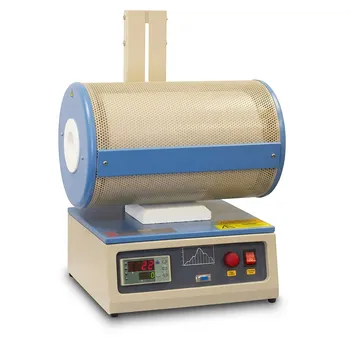
Multi Position Tube Furnace 1100C for Laboratory Material Research and Advanced Industrial Thermal Processing
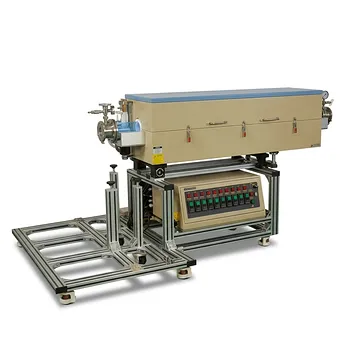
Ten Zone Multi Orientation Laboratory Tube Furnace for 1200C High Temperature Gradient Thermal Processing
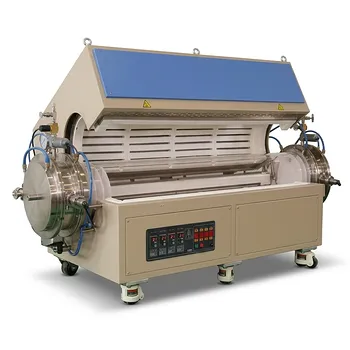
1200C Max Four Zone Split Tube Furnace with Optional Large Diameter Quartz Tubes
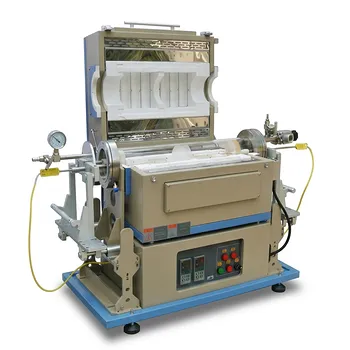
Two Zone IR Heating Rapid Thermal Processing RTP Tube Furnace with 4 Inch ID Quartz Tube and Sliding Sample Holders
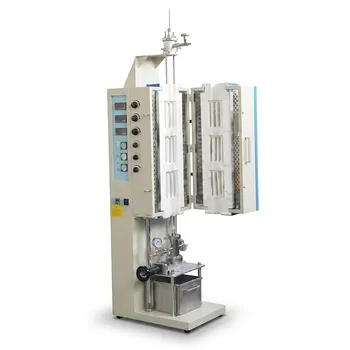
High Temperature Dual Zone Tube Furnace for Material Science Research and Professional Thermal Processing
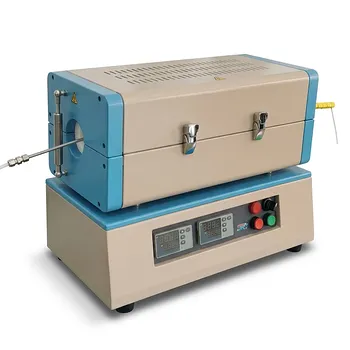
Gas Pre-Heating Tube Furnace for High Temperature Pyrolysis Reactors and Material Science Research
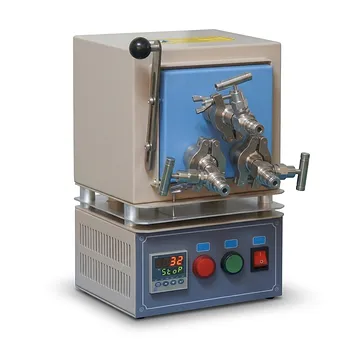
Triple Tube Compact Hybrid Muffle Furnace 1000C High Vacuum Thermal Processing System
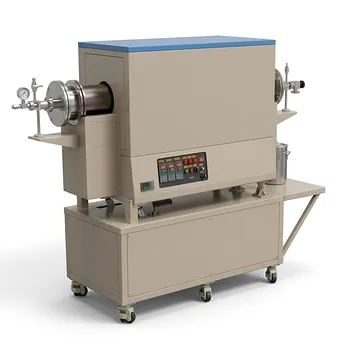
900°C Max Rotary Tube Furnace with 8 Inch 310S Alloy Tube and Optional Multi Zone Heating for Industrial Material Calcination
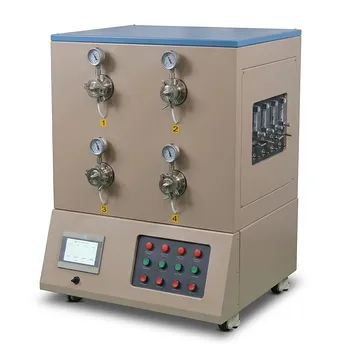
High Throughput 1200C Four Channel Tube Furnace with 3 Inch Quartz Tubes for Multi Zone Annealing and Material Research
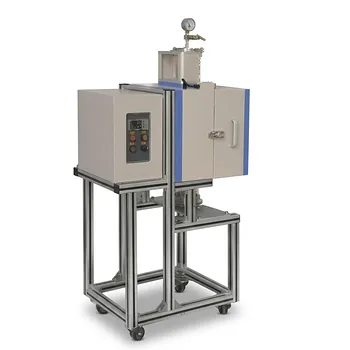
1200°C 5 Inch Vertical Quartz Tube Furnace with Stainless Steel Vacuum Flanges
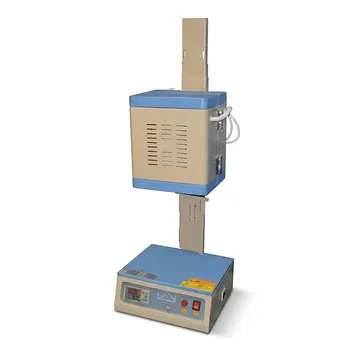
High Temperature Vertical Split Tube Furnace with PID Temperature Controller for 1 and 2 Inch Processing Tubes
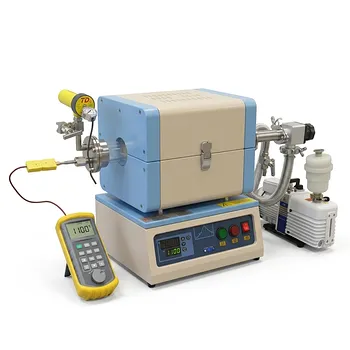
Compact Split Tube Furnace with Insertable Temperature Calibrator and Integrated Vacuum System
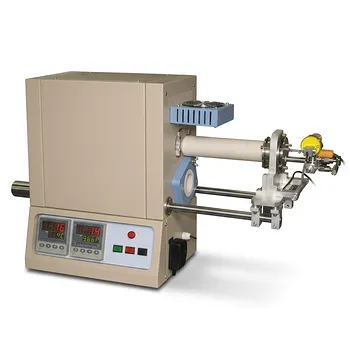
High Temperature Tube Furnace 1500C with Sliding Flanges and 50mm OD for Rapid Thermal Processing Fast Heating and Cooling

Compact High Temperature 1600C Tube Furnace with 50mm Alumina Tube and Vacuum Flanges for Material Sintering

1800C High Temperature Compact Vacuum Tube Furnace with 60mm OD Alumina Tube and Kanthal MoSi2 Heating Elements
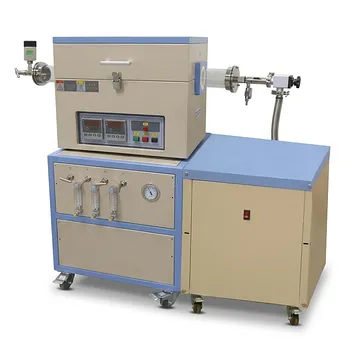
Dual Zone Quartz Tube Furnace with 80mm Diameter 1200C Max Temperature 3 Channel Gas Mixer and Vacuum Pump System
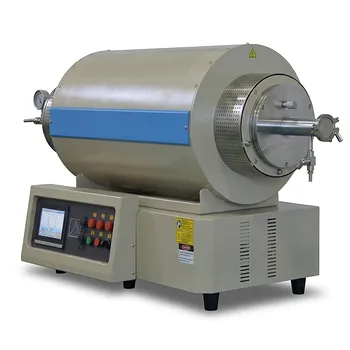
1200C Max Three Zone Tube Furnace 6 Inch OD Max with Tube and Flange
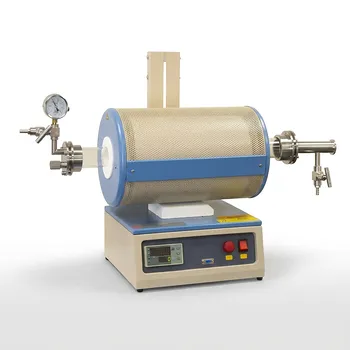
1100C Tube Furnace with Vacuum Flange and Programmable Temperature Controller for Material Science and Industrial Heat Treatment
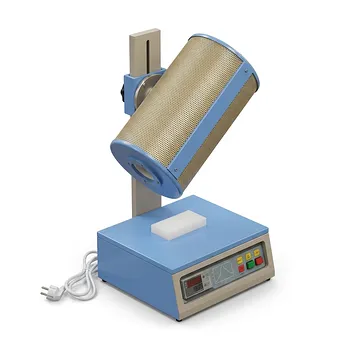
1100°C Vertical Laboratory Furnace for DIY Tubular Reactors with PID Temperature Controller