What is the mechanism of using a high-temperature atmosphere furnace for the secondary activation of carbon at 700 °C?
Updated 3 months ago
The secondary activation of carbon at 700 °C is a thermochemical process where a high-temperature atmosphere furnace facilitates an intense chemical etching reaction between an activator and the carbon matrix. This mechanism systematically removes carbon atoms to develop a dense network of micropores and mesopores, drastically increasing the material's specific surface area and adsorption capacity.
The core mechanism involves a furnace-driven redox reaction—typically using potassium hydroxide (KOH)—that etches the carbon skeleton and releases gases to create an interconnected porous structure. This process requires a strictly controlled, oxygen-free environment to prevent sample combustion while maximizing the formation of high-surface-area nanosheets.
The Chemical Etching Mechanism at 700 °C
The Role of Thermochemical Redox Reactions
At 700 °C, the furnace provides the thermal energy necessary to trigger a vigorous redox reaction between the activator (such as KOH) and the carbon precursor. This temperature is the "sweet spot" where the activator becomes highly reactive, stripping carbon atoms from the matrix to form potassium carbonate and metallic potassium.
Gas Evolution as a Pore-Creating Agent
As the etching progresses, the reaction generates gases like hydrogen (H2), carbon monoxide (CO), and carbon dioxide (CO2). These gases act as internal "exfoliating agents," physically pushing apart carbon layers and creating a complex, interconnected network of micropores and mesopores.
Formation of Carbon Nanosheets
The intense etching doesn't just create holes; it can reshape the carbon morphology into ultra-thin nanosheets. These structures are characterized by an extremely high specific surface area, which is the primary driver for enhanced energy storage and chemical adsorption.
The Critical Function of the Atmosphere Furnace
Maintaining a Non-Oxidizing Environment
The most vital role of the atmosphere furnace is providing a strictly inert environment, usually using nitrogen (N2) or argon. Without this protection, the carbon would simply undergo a combustion reaction with oxygen at 700 °C, turning your precursor into ash rather than activated carbon.
Temperature Uniformity and Process Precision
A high-quality furnace ensures that the 700 °C heat is distributed evenly throughout the entire specimen. This uniformity is a decisive factor in achieving a consistent degree of activation, which prevents "dead spots" of unactivated material or over-etched regions that lose structural integrity.
Controlled Heating Curves
The furnace allows for precise control over the heating rate and "soak time" at the target temperature. This precision is critical for determining the final interlayer spacing and the ratio of micropores to mesopores in the finished product.
Understanding the Trade-offs and Risks
Material Loss vs. Surface Area
In secondary activation, there is a direct trade-off between the yield of the final product and its surface area. The more aggressive the chemical etching (to increase porosity), the more carbon atoms are removed, which can lead to a lower total mass of the final material.
Corrosive Damage to Equipment
Chemical activators like KOH become extremely aggressive at 700 °C and can damage the internal lining or heating elements of the furnace. Using protective crucibles or specialized furnace liners is often necessary to extend the lifespan of the equipment.
Structural Stability Limitations
While higher temperatures or longer activation times can create more pores, they can also weaken the carbon skeleton. If the etching is too intense, the interconnected walls of the pores may collapse, actually reducing the usable surface area and mechanical strength.
How to Apply This to Your Project
Maximizing Your Activation Results
To achieve the best results in carbon activation, your approach should be dictated by your specific performance requirements.
- If your primary focus is Maximum Surface Area: Utilize a higher activator-to-carbon ratio (e.g., 4:1 KOH to carbon) and ensure the furnace maintains a stable 700 °C for at least 1–2 hours to allow for full chemical etching.
- If your primary focus is Electrical Conductivity: Optimize the furnace atmosphere to be strictly inert and consider a brief post-activation heat treatment at higher temperatures to remove residual oxygen-containing functional groups.
- If your primary focus is Structural Consistency: Prioritize a furnace with high temperature uniformity (such as a tube furnace) and use a slow heating ramp-up to ensure even activation throughout the bulk of the material.
By precisely controlling the thermal and chemical environment at 700 °C, you can transform raw carbon into a high-performance material tailored for advanced filtration or energy storage.
Summary Table:
| Process Component | Role in Activation | Key Result |
|---|---|---|
| Redox Reaction | Activator (KOH) etches the carbon skeleton | Removal of carbon atoms/formation of K2CO3 |
| Gas Evolution | Release of H2, CO, and CO2 gases | Creation of interconnected micropores & mesopores |
| Inert Atmosphere | Prevents sample combustion (using N2 or Ar) | Preservation of carbon structure vs. ash formation |
| Thermal Uniformity | Even heat distribution at 700 °C | Consistent porosity and structural integrity |
Elevate Your Material Research with THERMUNITS
Are you looking to achieve precise, high-yield results in your secondary carbon activation processes? THERMUNITS is a leading manufacturer of high-temperature laboratory equipment specifically designed for material science and industrial R&D.
Our advanced thermal processing solutions—including Atmosphere, Tube, Vacuum, and Muffle furnaces, as well as CVD/PECVD systems and Vacuum Induction Melting (VIM) units—provide the unmatched temperature uniformity and atmosphere control required for delicate chemical etching and pore development.
Why choose THERMUNITS for your lab?
- Precision Control: Master your heating curves for consistent micropore ratios.
- Durability: Specialized liners to protect equipment from aggressive activators like KOH.
- Versatility: Solutions ranging from dental furnaces to industrial-scale rotary kilns.
Don't let equipment limitations hinder your innovation. Contact us today to discuss how our heat treatment expertise can drive your next breakthrough!
References
- Ibrahim Hotan Alsohaimi. Novel Synthesis of Polystyrenesulfonate@AC Based on Olive Tree Leaves Biomass for the Photo-Degradation of Methylene Blue from Aqueous Solution. DOI: 10.3390/polym16233321
Mentioned Products
- 1650C High Temperature Atmosphere Controlled Box Furnace with 65L Chamber for Advanced Material Sintering and Industrial Heat Treatment
- High Temperature Vertical Atmosphere Controlled Furnace with Automatic Bottom Loading and 1700°C Capacity for Advanced Material Research
- High Temperature Oxygen and Inert Atmosphere Controlled Furnace 8 Liter 1700C Sintering System for Advanced Materials RD
- 1750°C High Temperature Benchtop Vacuum Atmosphere Tube Furnace with Kanthal Super 1800 Heating Elements and 60mm Alumina Processing Tube
- High Temperature Hydrogen Atmosphere Box Furnace 1650C Max Reducing Environment Material Synthesis System 8x8x8 Chamber
People Also Ask
- What role does atmosphere control play in technical ceramics and glass? Master Material Purity and Precision
- What role does a high-temperature atmosphere furnace play in the direct electrochemical reduction of CO2? - Key Insights
- What is the role of a high-temperature box furnace in the solid-state synthesis of Europium-doped M3MgSi2O8 phosphors?
- What is the role of a high-temperature box furnace in Na3MnZr(PO4)3 synthesis? Engineering High-Performance NASICON.
- What physical conditions does a high-temperature atmosphere furnace provide for MXene exfoliation? Process Guide

Tech Team · ThermUnits
Last updated on Jun 02, 2026
Related Products
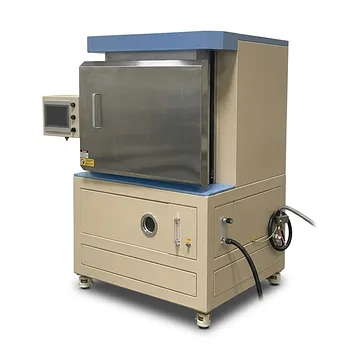
1650C High Temperature Atmosphere Controlled Box Furnace with 65L Chamber for Advanced Material Sintering and Industrial Heat Treatment
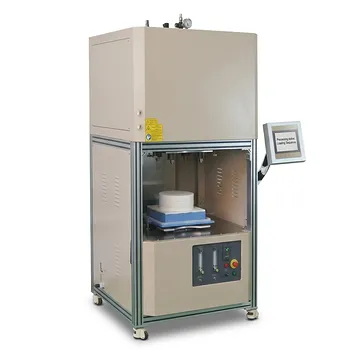
High Temperature Vertical Atmosphere Controlled Furnace with Automatic Bottom Loading and 1700°C Capacity for Advanced Material Research
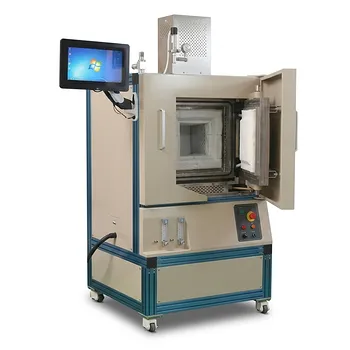
High Temperature Oxygen and Inert Atmosphere Controlled Furnace 8 Liter 1700C Sintering System for Advanced Materials RD

1750°C High Temperature Benchtop Vacuum Atmosphere Tube Furnace with Kanthal Super 1800 Heating Elements and 60mm Alumina Processing Tube
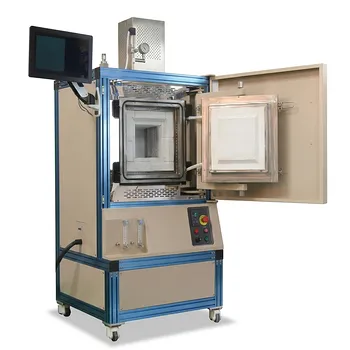
High Temperature Hydrogen Atmosphere Box Furnace 1650C Max Reducing Environment Material Synthesis System 8x8x8 Chamber
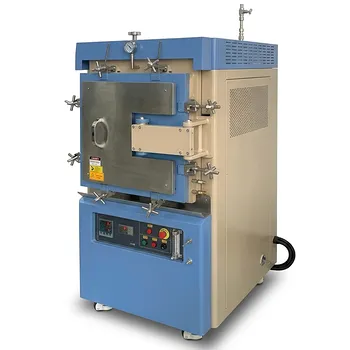
Atmosphere Controlled Muffle Furnace 1700C Maximum Temperature 80L High Capacity Vacuum Inert Gas Box Furnace
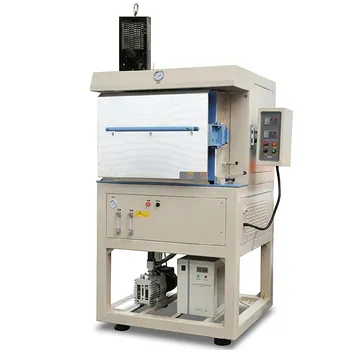
1200C Hydrogen Atmosphere Box Furnace with 5 Heated Sides and 64L Chamber
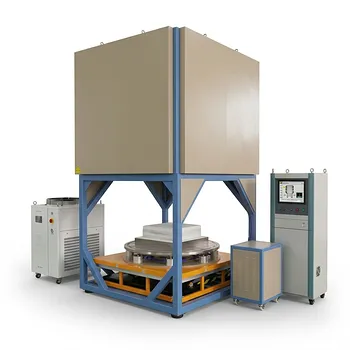
Bottom Loaded Inert Gas Atmosphere Box Furnace 1700C 1300C 216L Large Capacity Industrial Thermal Processing System
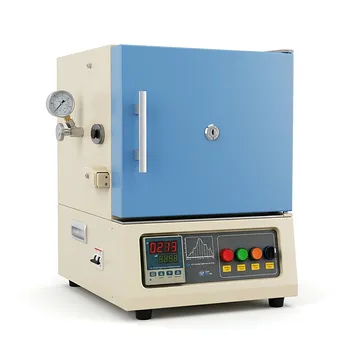
1200C Hybrid Muffle and Tube Furnace for Material Research with Dual Atmosphere Control Quartz Tubes
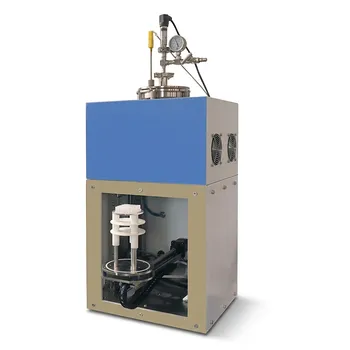
Rapid Thermal Processing RTP Atmosphere Controlled Bottom Loading Furnace 1100C High Throughput 50C per Second Heating Rate

Vertical 1700C Vacuum and Atmosphere Tube Furnace with 80mm Alumina Tube
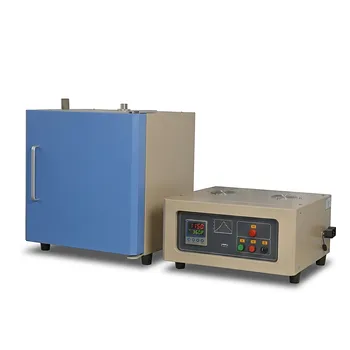
High Temperature Muffle Furnace with Alloy Chamber for Debinding and Sintering Applications

High Temperature 1500C Benchtop Muffle Furnace 3.6L Alumina Fiber Chamber Programmable Controller Sintering Annealing Carbonization Thermal Processing System
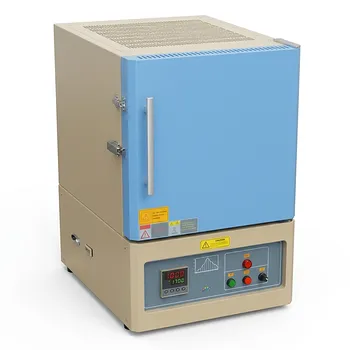
Large Bench Top 1700C High Temperature Muffle Furnace with 19L Chamber for Advanced Material Sintering and Annealing
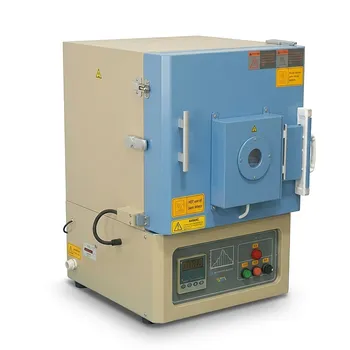
High Temperature Benchtop Muffle Furnace 1500C with 3.6L Chamber and Quartz Observation Window

High Temperature 1700C Tube Furnace with High Vacuum Turbomolecular Pump System and Multi Channel Mass Flow Controller Gas Mixer
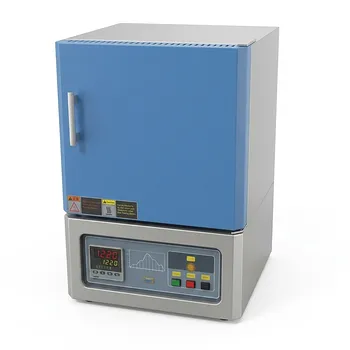
High Temperature Benchtop Muffle Furnace 1700C 10L Chamber Alumina Fiber Insulation MoSi2 Heating Elements
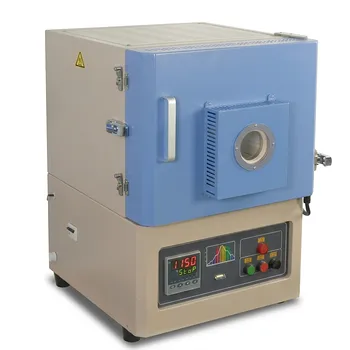
High Temperature Benchtop Muffle Furnace with Quartz Observation Window for Thermal Imaging and Material Analysis
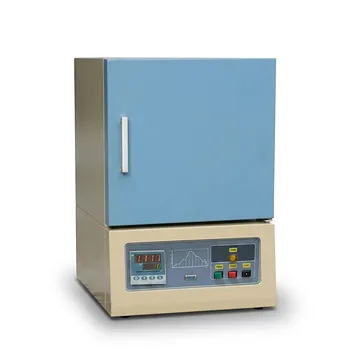
Ultra High Temperature Bench Top Muffle Furnace 1750C Sintering System with Kanthal Super Heating Elements and Precision Digital Control
