What is the primary function of a tube furnace in the carbonization process of seaweed-based biochar? Expert Guide
Updated 3 months ago
The primary function of a tube furnace in seaweed-based biochar production is to provide a precisely controlled, oxygen-free thermal environment for carbonization. By maintaining a stable temperature—often ranging from 400°C to 1000°C—within an inert nitrogen atmosphere, the furnace ensures that organic precursors are fully decomposed into a stable carbon framework. This process, known as pyrolysis, prevents the biomass from combusting while removing volatile components to establish the material's initial pore structure.
Core Takeaway: A tube furnace acts as a specialized reactor that facilitates anaerobic thermal decomposition, allowing biomass to transform into a high-carbon, stable biochar structure while enabling precise control over chemical doping and structural integrity.
Creating the Ideal Pyrolysis Environment
Precise Temperature Regulation
The tube furnace allows researchers to maintain constant temperatures for extended periods, such as 400°C for four hours or higher levels like 700°C. This level of precision is critical because the specific temperature determines the degree of carbonization and the final properties of the biochar.
Establishing the Carbon Framework
During heating, the furnace facilitates the thermal decomposition of cellulose fibers and seaweed residues. This process effectively removes volatile components and "fixed carbon," laying the foundation for a high-carbon material that can be used in subsequent activation or material science applications.
Managing Heating Rates
High-precision furnaces allow for specific heating rates, such as 10°C per minute, which are vital for consistent results. Controlled heating ensures that the devolatilization of organic components occurs predictably, which is essential for forming the initial pore structure of the biochar.
Atmospheric Control and Chemical Synthesis
Maintaining Anaerobic Conditions
The most critical role of the tube furnace is the exclusion of oxygen through a continuous flow of high-purity nitrogen. This inert atmosphere prevents the biomass from burning (combustion) and instead forces it to undergo pyrolysis, which is the chemical breakdown of the material in the absence of oxygen.
Facilitating Elemental Doping
For advanced applications like electrocatalysis, the furnace environment allows for the effective doping of elements like boron and nitrogen into the carbon framework. These elements are integrated into the biochar during the heating process to create active sites that improve performance in carbon dioxide reduction or conductivity.
Driving Material Conversion
At higher temperatures (up to 1000°C), the tube furnace can drive the conversion of chemical additives, such as iron salts, into metallic iron or iron carbide nanocrystals. This transformation provides the resulting biochar with specialized electrical conductivity and catalytic activity that would be impossible to achieve in a standard furnace.
Understanding the Trade-offs
Precision vs. Scalability
While tube furnaces offer exceptional control over temperature and atmosphere, they are typically limited in throughput. They are ideal for high-quality, small-batch synthesis and research, but scaling the same level of atmospheric purity to industrial volumes presents significant engineering challenges.
Temperature Uniformity
In a horizontal tube furnace, there is often a "sweet spot" in the center where the temperature is most stable. Material placed near the ends of the tube may experience thermal gradients, potentially leading to inconsistent carbonization if the sample is too large or poorly positioned.
Gas Flow Dynamics
The continuous injection of nitrogen is necessary for an inert environment, but the flow rate must be carefully balanced. If the flow is too low, volatile byproducts may linger and contaminate the biochar; if it is too high, it may cause excessive cooling or disturb the precursor materials.
How to Apply This to Your Project
Making the Right Choice for Your Goal
- If your primary focus is structural stability: Operate the furnace at a consistent 400°C to 500°C to ensure slow pyrolysis and a well-defined carbon framework.
- If your primary focus is electrical conductivity: Target higher temperatures, such as 700°C to 1000°C, to facilitate graphitization and the formation of metallic nanocrystals.
- If your primary focus is catalytic performance: Use the inert atmosphere to precisely manage the doping of nitrogen or boron during the initial heating phase.
By mastering the thermal and atmospheric variables of the tube furnace, you can transform raw seaweed residue into a sophisticated, high-performance carbon material.
Summary Table:
| Key Feature | Role in Seaweed Carbonization | Benefit to Biochar Quality |
|---|---|---|
| Atmosphere Control | Continuous Nitrogen (Inert) flow | Prevents combustion; ensures anaerobic pyrolysis |
| Temperature Range | Precise heating (400°C - 1000°C) | Controls carbonization degree and pore structure |
| Heating Rate | Controlled ramping (e.g., 10°C/min) | Ensures consistent devolatilization of organic fibers |
| Chemical Doping | Facilitates N, B, or Metal integration | Enhances electrical conductivity and catalytic activity |
Optimize Your Material Research with THERMUNITS Precision
Achieving the perfect carbon framework requires uncompromising thermal control. THERMUNITS is a leading manufacturer of high-temperature laboratory equipment, providing the specialized tools material scientists need for advanced R&D.
From high-precision Tube and Atmosphere furnaces for seaweed pyrolysis to CVD/PECVD systems and Vacuum Induction Melting (VIM) units, our comprehensive range of thermal solutions—including Muffle, Rotary, and Hot Press furnaces—is designed to meet the rigorous demands of industrial and academic research.
Ready to elevate your heat treatment results? Contact our engineering team today to discuss your specific requirements and find the ideal furnace solution for your laboratory.
References
- Taymour A. Hamdalla, Syed Khasim. PEDOT: PSS Doped Activated Biochar as a Novel Composite Material for Photocatalytic and Efficient Energy Storage Application. DOI: 10.3390/catal14090630
Mentioned Products
- High Temperature 1700C Vertical Tube Furnace for Powder Spherification and Material Sintering
- Compact High Temperature 1600C Tube Furnace with 50mm Alumina Tube and Vacuum Flanges for Material Sintering
- Compact Hybrid Muffle and Tube Furnace for 1000C Controlled Atmosphere Laboratory Material Sintering
- 5 Inch Rotary Tube Furnace with Automatic Feeding and Receiving System 1200C Three Zone CVD Powder Processing
- High Temperature Tube Furnace 1500C with Sliding Flanges and 50mm OD for Rapid Thermal Processing Fast Heating and Cooling
People Also Ask
- What role does a high-temperature vertical tube furnace play in simulating high-carbon ferromanganese slag formation?
- What functions does a vertical high-temperature tube furnace perform? Master Industrial Sintering & R&D Simulation
- What is the primary function of a high-temperature tube furnace in Cu1-N-C synthesis? Precision Thermal Control.
- High-Temp Tube Furnace Role in Converting Microbial Proteins to Iron Single-Atom Sites: Expert Synthesis Guide
- What impact does the heating rate of a tube furnace have on biochar microstructure? Optimize Your Material R&D.

Tech Team · ThermUnits
Last updated on Jun 02, 2026
Related Products

High Temperature 1700C Vertical Tube Furnace for Powder Spherification and Material Sintering

Compact High Temperature 1600C Tube Furnace with 50mm Alumina Tube and Vacuum Flanges for Material Sintering
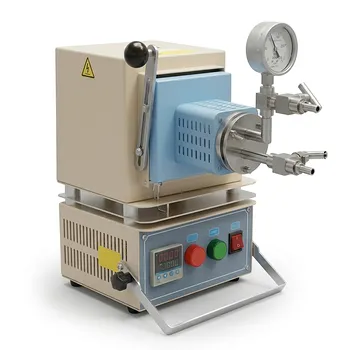
Compact Hybrid Muffle and Tube Furnace for 1000C Controlled Atmosphere Laboratory Material Sintering
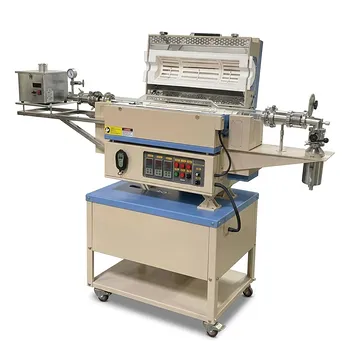
5 Inch Rotary Tube Furnace with Automatic Feeding and Receiving System 1200C Three Zone CVD Powder Processing

High Temperature Tube Furnace 1500C with Sliding Flanges and 50mm OD for Rapid Thermal Processing Fast Heating and Cooling

High Temperature Automated 5 Inch Tube Furnace for Autonomous Material Research and Advanced Laboratory R&D
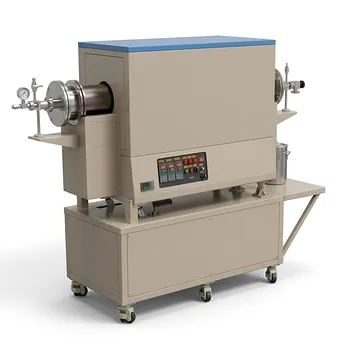
900°C Max Rotary Tube Furnace with 8 Inch 310S Alloy Tube and Optional Multi Zone Heating for Industrial Material Calcination
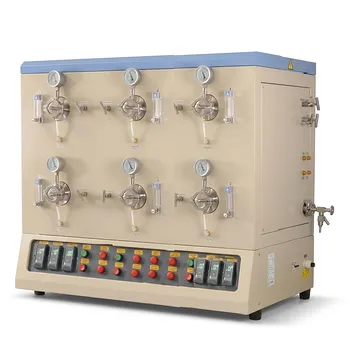
1200C High Throughput Multi Channel Tube Furnace with 50mm Quartz Tubes for Annealing and Material Phase Diagram Research
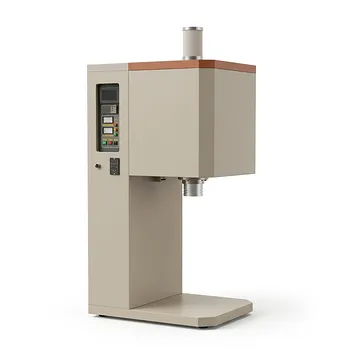
Vertical Openable Tube Furnace 0-1700c High Temperature Laboratory System for CVD and Vacuum Heat Treatment
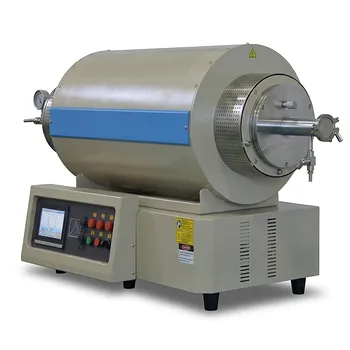
1200C Max Three Zone Tube Furnace 6 Inch OD Max with Tube and Flange
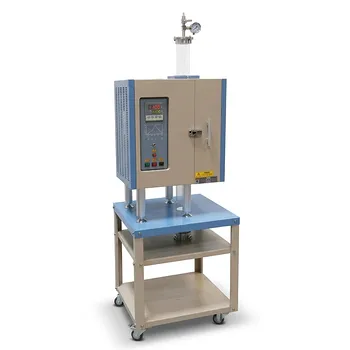
1100°C Split Vertical Tube Furnace with 80mm Quartz Tube and Stainless Steel Vacuum Flanges

Vertical 1700C Vacuum and Atmosphere Tube Furnace with 80mm Alumina Tube
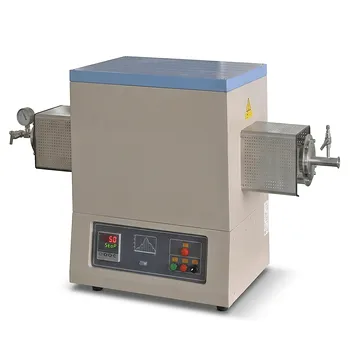
High Temperature 1700C Tube Furnace with 4 Inch OD Alumina Tube and Vacuum Sealing Flanges

1200°C 5 Inch Vertical Quartz Tube Furnace with Stainless Steel Vacuum Flanges

1800C High Temperature Compact Vacuum Tube Furnace with 60mm OD Alumina Tube and Kanthal MoSi2 Heating Elements
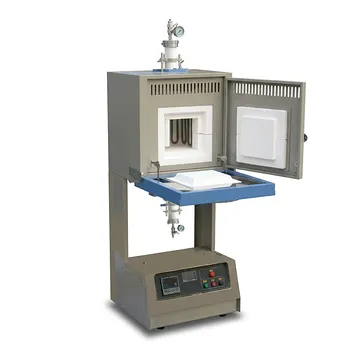
Vertical Hybrid High Temperature Furnace 1500C Alumina Tube SOFC Fuel Cell Testing Laboratory Heat Treatment Research Equipment

High Temperature 1700C Tube Furnace with High Vacuum Turbomolecular Pump System and Multi Channel Mass Flow Controller Gas Mixer

1100C Tube Furnace with Vacuum Flange and Programmable Temperature Controller for Material Science and Industrial Heat Treatment
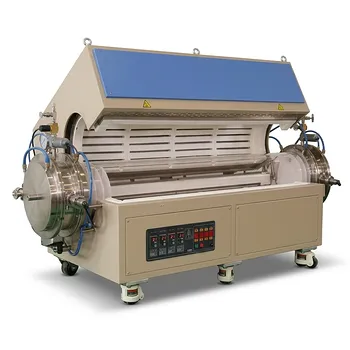
1200C Max Four Zone Split Tube Furnace with Optional Large Diameter Quartz Tubes
