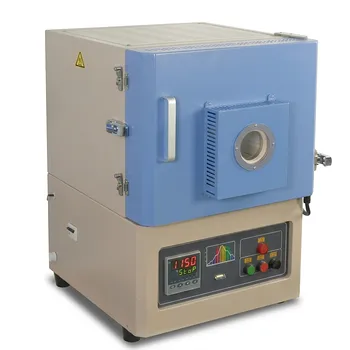
What is the function of furnaces in PiSG thermal debinding? Ensure Structural Integrity & High-Purity Brown Bodies
Updated 3 months ago
The primary function of precise temperature-controlled heat treatment furnaces in PiSG manufacturing is to execute thermal debinding by meticulously managing heating rates and holding times. This controlled environment ensures that organic polymer binders, such as Polyvinyl Butyral (PVB), decompose and outgas in a slow, uniform manner to produce a structurally sound and chemically pure "brown body" ready for sintering.
Precision thermal control is the safeguard against structural failure during the transition from a green body to a sintered component. By stabilizing the thermal field, these furnaces allow for the complete removal of binders without compromising the material's integrity or chemical profile.
The Role of Controlled Thermal Fields in Binder Removal
Managing Organic Decomposition
The furnace must carefully navigate the temperature ranges where polymer binders like PVB or PVA undergo pyrolysis or evaporation. If the temperature rises too quickly, the rapid gas evolution can create internal pressure, leading to cracks or bloating.
Precise control allows the furnace to maintain specific holding times at critical decomposition stages. This ensures that every molecule of the binder has sufficient time to escape the silica-phosphor matrix before the structure begins to densify.
Creating the "Brown Body"
The result of a successful debinding phase is the brown body, a porous structure held together by weak physical forces rather than polymer glue. The furnace must provide a perfectly stable thermal field to prevent localized overheating, which could cause premature sintering in some areas while others are still outgassing.
This uniformity is critical for maintaining the geometrical accuracy of the part. Any thermal gradient across the furnace chamber can lead to non-uniform shrinkage or warped components.
Ensuring Chemical Purity and Pore Architecture
Preventing Carbon Residue and Oxidation
Beyond structural integrity, the furnace environment is vital for the chemical purity of the final glass-phosphor composite. If binder decomposition is incomplete or uneven, residual carbon atoms can become trapped, potentially degrading the optical properties or mechanical strength of the PiSG.
Using a controlled atmosphere or inert gas environment within the furnace prevents the oxidation of sensitive components during the heat cycle. This ensures that the transition to the pre-sintering stage occurs in a chemically neutral environment.
Establishing Channels for Sintering
The debinding process creates a network of clean pore channels throughout the material. These channels are essential for the final densification process, allowing any remaining volatile species to escape before the "necks" form between particles.
Precise temperature management ensures these pores remain open and interconnected until the sintering phase begins. This facilitates a high-quality final product with minimal internal voids or inclusions.
Understanding the Trade-offs: Speed vs. Structural Integrity
The Risks of Rapid Heating
While increasing heating rates might seem to improve throughput, it significantly raises the risk of structural defects. Localized overheating causes rapid gas expansion that the material's internal porosity cannot accommodate, leading to catastrophic failure or micro-cracking.
The Cost of Precision
Maintaining a high-precision thermal environment requires sophisticated control systems and high-quality heating elements. While this increases the initial capital expenditure and operational complexity, it is the only way to ensure a high yield of defect-free PiSG components.
How to Apply Thermal Control to Your Production Goal
Making the Right Choice for Your Goal
To achieve the best results in PiSG manufacturing, your furnace strategy must align with your specific material requirements:
- If your primary focus is Optical Clarity: Prioritize a furnace with exceptional atmosphere control and long holding times to ensure zero carbon residue remains in the matrix.
- If your primary focus is Geometric Precision: Invest in a furnace with a multi-zone control system to ensure a perfectly uniform thermal field, preventing warped "brown bodies."
- If your primary focus is High Throughput: Implement a multi-stage heating curve that uses rapid heating only during non-critical temperature zones, while slowing down significantly during the binder's peak decomposition range.
By mastering the precise thermal dynamics of the debinding phase, you transform a fragile green body into a robust, high-performance optical component.
Summary Table:
| Debinding Aspect | Furnace Function | Key Benefit |
|---|---|---|
| Binder Removal | Controlled Pyrolysis | Prevents internal pressure & bloating |
| Brown Body Phase | Stable Thermal Field | Ensures geometric accuracy & no warping |
| Chemical Purity | Atmosphere Control | Eliminates carbon residue & oxidation |
| Pore Architecture | Precise Heat Curves | Maintains channels for final densification |
Optimize Your PiSG Production with THERMUNITS
Partner with THERMUNITS, a leading manufacturer of high-temperature laboratory equipment, to master the complexities of the thermal debinding phase. Our advanced Muffle, Vacuum, Atmosphere, Tube, and CVD/PECVD systems are engineered for the precise requirements of material science and industrial R&D.
By choosing THERMUNITS, you benefit from:
- Exceptional Thermal Uniformity: Preventing structural defects in fragile brown bodies.
- Advanced Atmosphere Control: Guaranteeing chemical purity and zero carbon contamination.
- Sophisticated Control Systems: Tailored for complex multi-stage heating curves.
Contact us today to discover how our high-performance heat treatment solutions can enhance your lab's efficiency and product yield!
References
- Moushira. A. Mohamed, Jianrong Qiu. High‐Throughput Fabrication of Phosphor‐In‐Silica Glass via Injection Molding. DOI: 10.1002/adom.202400323
Mentioned Products
- High Temperature Dual Zone Tube Furnace for Material Science Research and Professional Thermal Processing
- High Temperature Muffle Furnace with Alloy Chamber for Debinding and Sintering Applications
- 1650C High Temperature Atmosphere Controlled Box Furnace with 65L Chamber for Advanced Material Sintering and Industrial Heat Treatment
- 1200C High Temperature 125L Muffle Furnace 5 Side Heating for Large Batch Sintering with Optional Alloy Debinding Chamber
- 1200C Five Side Heating Muffle Furnace with Sliding Door 125L Volume High Temperature Heat Treatment System for Large Scale Sintering and Annealing
People Also Ask
- Why is it necessary to place MoS2 devices in a dual-zone tube furnace for annealing? Optimize Lattice Repair & Doping
- What is the primary function of an industrial-grade dual-zone tube furnace? Mastering CuInP2S6 CVT Crystal Growth
- What are the advantages of using a dual-zone tube furnace for MoS2 CVD? Optimize Precursor Control and Material Quality
- What are the technical advantages of using a dual-zone tube furnace for growing large PdCoO2 crystals via CVT? Expert Tips
- Why is a dual-zone tube furnace necessary for ReO3-doped Cu2Te CVD? Essential for precise precursor synchronization.

Tech Team · ThermUnits
Last updated on Jun 02, 2026
Related Products
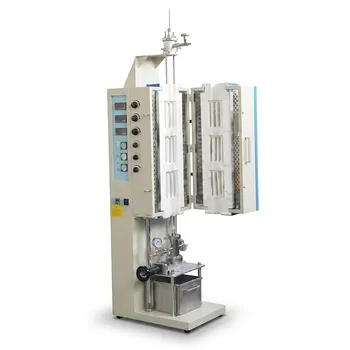
High Temperature Dual Zone Tube Furnace for Material Science Research and Professional Thermal Processing
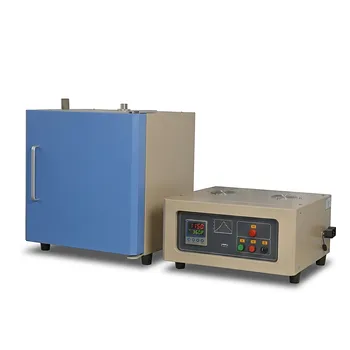
High Temperature Muffle Furnace with Alloy Chamber for Debinding and Sintering Applications
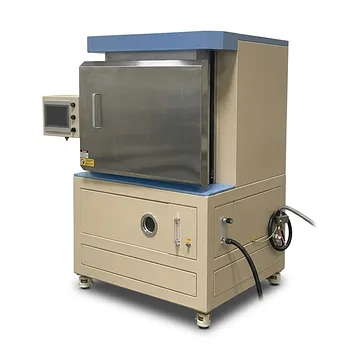
1650C High Temperature Atmosphere Controlled Box Furnace with 65L Chamber for Advanced Material Sintering and Industrial Heat Treatment
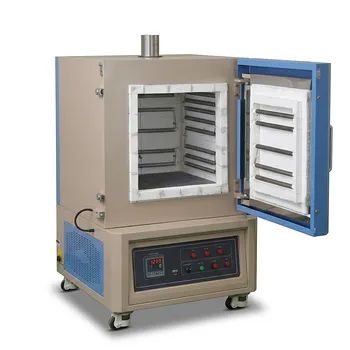
1200C High Temperature 125L Muffle Furnace 5 Side Heating for Large Batch Sintering with Optional Alloy Debinding Chamber
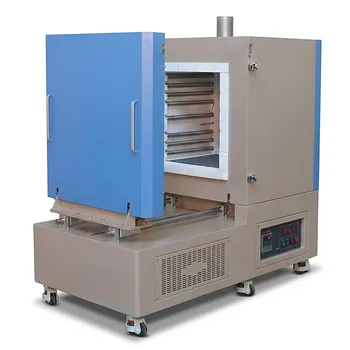
1200C Five Side Heating Muffle Furnace with Sliding Door 125L Volume High Temperature Heat Treatment System for Large Scale Sintering and Annealing
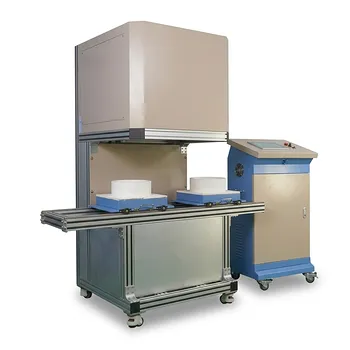
High Temperature Bottom Loading Vertical Furnace 1700C Dual Stage Sample Processing System 18L Large Capacity Thermal Treatment Equipment

High Temperature Tube Furnace 1500C with Sliding Flanges and 50mm OD for Rapid Thermal Processing Fast Heating and Cooling
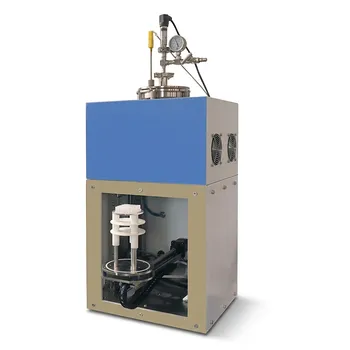
Rapid Thermal Processing RTP Atmosphere Controlled Bottom Loading Furnace 1100C High Throughput 50C per Second Heating Rate
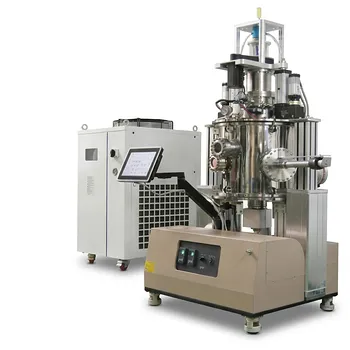
950C Rapid Thermal Processing Furnace for 12 Inch Wafer CSS Coating with Rotating Substrate Holder
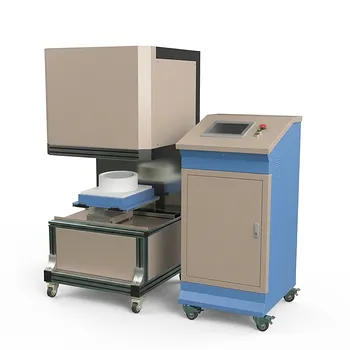
High Temperature Bottom Loading Box Furnace for Rapid Thermal Processing 1700C 40L Capacity
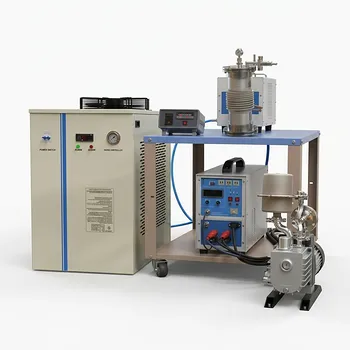
Induction Heating System with Temperature Control for High Temperature Vacuum Sintering and Melting
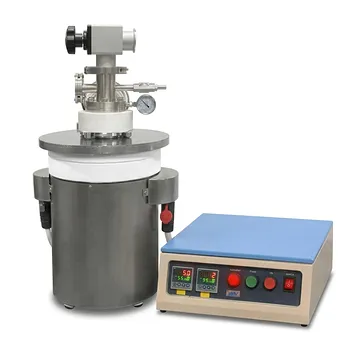
1100C High Temperature Vacuum Crucible Furnace with Quartz Chamber for Thermal Processing and Sintering
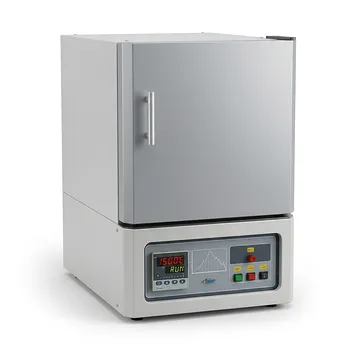
High Temperature 1500C Benchtop Muffle Furnace 3.6L Alumina Fiber Chamber Programmable Controller Sintering Annealing Carbonization Thermal Processing System
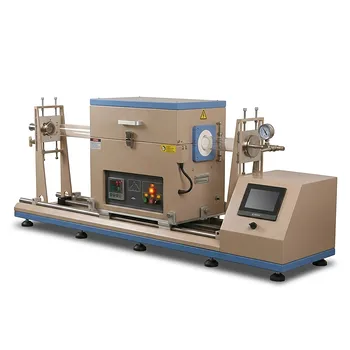
1200C Sliding Tube Furnace for Rapid Thermal Processing and CVD Graphene Growth with 100mm OD Capacity
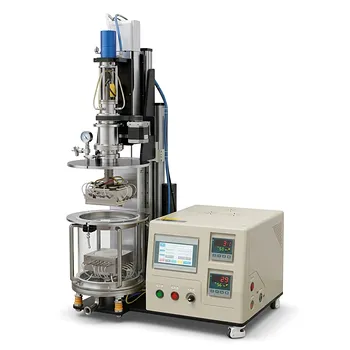
High Temperature 800C Rapid Thermal Processing Furnace with Rotating Sample Holder for Close Spaced Sublimation and Thin Film Solar Cell Research
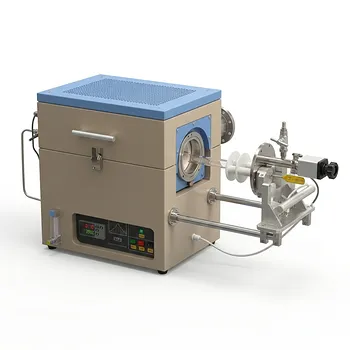
Compact Atmosphere Controlled Rapid Thermal Processing RTP Furnace with 4 Inch ID Quartz Tube 1100C
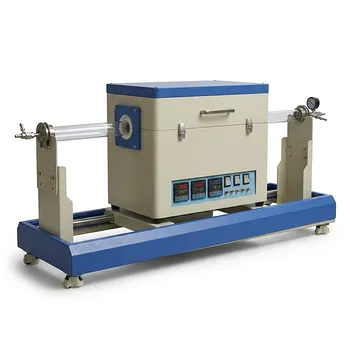
Double Temperature Zone Double Cover Tube Furnace for High Temperature CVD and Vacuum Annealing
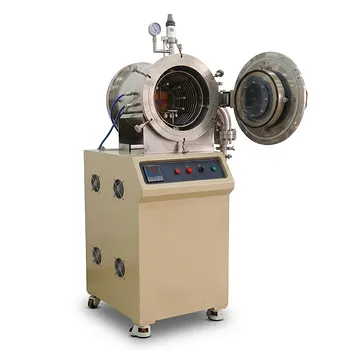
High Temperature Cold Wall High Vacuum Chamber Furnace 1400C for Advanced Material Processing
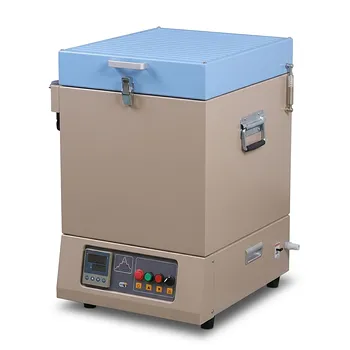
High Temperature Vertical Crucible Furnace with 22L Heating Chamber and 1200C Maximum Temperature