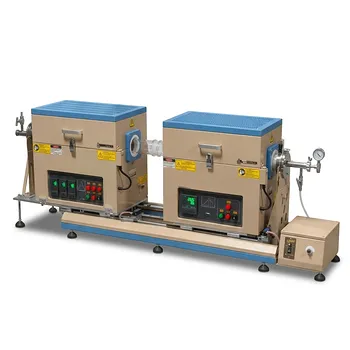
What is the function of vacuum-sealed quartz tubes in WTe2 synthesis? Key to High-Purity Crystal Growth.
Updated 3 months ago
The primary function of vacuum-sealed high-purity quartz tubes in $WTe_2$ synthesis is to create a chemically isolated, oxygen-free environment that prevents the oxidation of reactive powders and maintains structural stability at temperatures exceeding 800°C. By evacuating the tube to a high vacuum, researchers eliminate atmospheric contaminants that would otherwise degrade the purity and crystallinity of the resulting Tungsten Ditelluride single crystals.
Vacuum-sealed quartz tubes serve as a critical barrier that protects highly reactive raw materials from oxidation while providing the thermal and chemical stability necessary to grow high-quality, low-defect crystals under extreme conditions.
Atmospheric Isolation and Oxidation Prevention
Elimination of Reactive Gases
The most immediate role of the vacuum-sealed tube is the removal of oxygen and moisture. At the elevated temperatures required for $WTe_2$ growth, both tungsten (W) and tellurium (Te) powders are highly susceptible to oxidation. The vacuum environment ensures that these raw materials react only with each other, rather than forming unwanted oxides that would introduce defects.
Preservation of High Purity
High-purity quartz is selected specifically because it does not introduce non-target impurities into the reaction. In materials like $WTe_2$, which are sensitive to their electronic environment, even trace amounts of external contaminants can significantly alter their intrinsic transport properties. The tube acts as a "clean room" on a microscopic scale, locking out any elements that could compromise the crystal lattice.
Thermal and Mechanical Stability
High-Temperature Resistance
Tungsten Ditelluride synthesis typically requires thermal processing at temperatures exceeding 800°C. Quartz is one of the few materials capable of maintaining its structural integrity and chemical inertness at these levels without softening or reacting with the flux. This allows for the long-duration heating cycles necessary for the slow cooling and growth of large single crystals.
Internal Pressure Regulation
As the temperature rises, the internal pressure within the sealed tube can change significantly due to the vapor pressure of the components. The mechanical strength of the quartz tube ensures that the environment remains stable and balanced during these transitions. Maintaining this pressure balance is essential for synthesizing high-quality, low-defect bulk single crystals.
Maintaining Stoichiometric Integrity
Prevention of Component Volatilization
Tellurium is a relatively volatile element that can easily escape as vapor if the reaction vessel is not perfectly sealed. The vacuum-sealed environment ensures that the mass of the raw materials remains constant throughout the growth process. This prevents "weight loss" of the metal components, ensuring the final crystal matches the intended chemical ratio.
Controlled Chemical Environment
By sealing the reaction, the tube forces the materials to reach a state of chemical equilibrium within a fixed volume. This is particularly important in the self-flux method, where the excess tellurium acts as the solvent for the tungsten. The sealed nature of the quartz tube keeps the flux-to-solute ratio consistent, which is the foundation for repeatable crystal quality.
Understanding the Trade-offs and Limitations
Pressure Limits and Explosion Risks
While quartz is strong, it has a finite tolerance for internal pressure, especially when exposed to high temperatures for days. If the vapor pressure of the tellurium exceeds the tube's burst pressure, the vessel can explode, leading to sample loss and equipment damage. Researchers must carefully calculate the "free volume" left in the tube to mitigate these risks.
Chemical Compatibility Challenges
Although quartz is highly inert, it is not universally compatible with all flux materials at extreme temperatures. In certain high-temperature regimes, some reactive elements can eventually etch or "devitrify" the quartz surface. This can lead to the tube becoming brittle or, in rare cases, introducing silicon contamination if the reaction is prolonged beyond safe limits.
Implementing Quartz Sealing for Crystal Growth
How to Apply This to Your Project
To achieve the highest quality $WTe_2$ crystals, the sealing process must be handled with technical precision.
- If your primary focus is Maximum Purity: Ensure the vacuum level reaches at least $10^{-3}$ Pa before sealing to completely exclude moisture and oxygen.
- If your primary focus is Stoichiometric Accuracy: Use a high-precision torch to create a thick, uniform seal that can withstand the internal vapor pressure of tellurium without leaking.
- If your primary focus is Crystal Size: Use the highest grade of synthetic quartz to ensure no surface nucleation sites are created by impurities in the tube wall itself.
Properly executed vacuum sealing is the fundamental prerequisite for transforming raw metallic powders into high-performance quantum materials.
Summary Table:
| Function | Benefit | Technical Necessity |
|---|---|---|
| Atmospheric Isolation | Prevents oxidation of W and Te powders | High vacuum levels (10^-3 Pa) |
| Stoichiometry Control | Stops Te volatilization for exact chemical ratios | Hermetic sealing of quartz tube |
| Thermal Stability | Maintains integrity at temperatures >800°C | High-purity quartz material |
| Purity Preservation | Prevents external contamination/defects | Chemically inert reaction environment |
Optimize Your Crystal Growth with THERMUNITS Precision Equipment
At THERMUNITS, we understand that high-performance materials like Tungsten Ditelluride require uncompromising thermal and atmospheric control. As a leading manufacturer of high-temperature laboratory equipment for material science, we provide the specialized tools you need for successful synthesis, including:
- Tube & Vacuum Furnaces: Perfect for the precise heating cycles required in quartz tube sealing and crystal growth.
- CVD/PECVD & Hot Press Systems: For advanced thin-film and material processing.
- Comprehensive Thermal Solutions: From Muffle and Rotary furnaces to Thermal Elements and Vacuum Induction Melting (VIM).
Ready to achieve superior heat treatment results? Contact THERMUNITS today to discuss your project requirements!
References
- P. M. Rafailov, Vera Marinova. Polarized Raman Study of First-Order Phonons in Self-Flux Grown Single-Crystalline WTe2. DOI: 10.3390/nano14151256
Mentioned Products
- Compact Vertical Split Quartz Tube Furnace with Stainless Steel Vacuum Flanges for Rapid Thermal Quenching and Controlled Atmosphere Material Processing
- High Temperature 1700C Vertical Split Tube Furnace for Material Quenching and Single Crystal Growth
- 1100°C Three Zone Tube Furnace with 8.5 to 11 Inch OD Quartz Tube and Vacuum Flanges for Large Wafer Processing
- 1200°C 5 Inch Vertical Quartz Tube Furnace with Stainless Steel Vacuum Flanges
- Split Vertical Tube Furnace with 1200C Quartz Tube and Stainless Steel Vacuum Flanges for Rapid Thermal Processing
People Also Ask
- Why integrate a vertical split tube furnace with hydraulic loading for HSECC? Essential for In-Situ Fire Simulation.
- What is the role of a split vertical tube furnace during flash sintering of 8YSZ and 20SDC? Master Ultra-Fast R&D
- What is the primary engineering purpose for using a customized ventilation hood when operating a split tube furnace? RCF Safety
- Why is a quartz tube furnace necessary for phosphorus-doped MoS2/GO preparation? Ensure Purity & Precise Synthesis
- What is the primary function of a Quartz Tube Furnace in ZnO VLS growth? Master High-Precision Nanowire Synthesis

Tech Team · ThermUnits
Last updated on Jun 02, 2026
Related Products
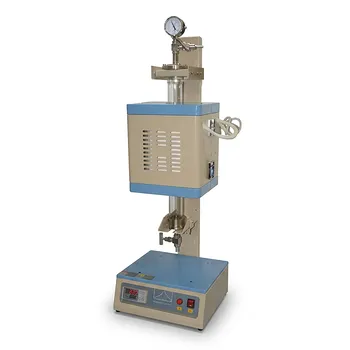
Compact Vertical Split Quartz Tube Furnace with Stainless Steel Vacuum Flanges for Rapid Thermal Quenching and Controlled Atmosphere Material Processing
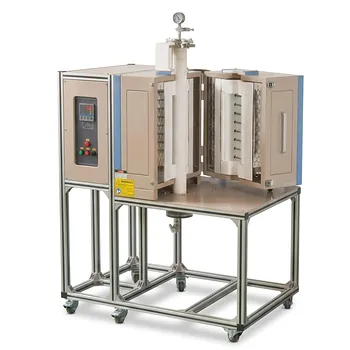
High Temperature 1700C Vertical Split Tube Furnace for Material Quenching and Single Crystal Growth
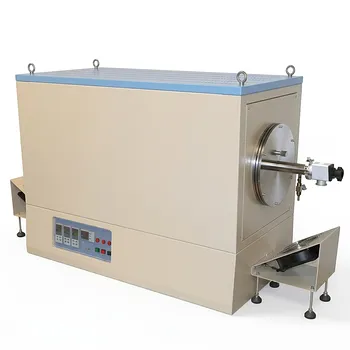
1100°C Three Zone Tube Furnace with 8.5 to 11 Inch OD Quartz Tube and Vacuum Flanges for Large Wafer Processing
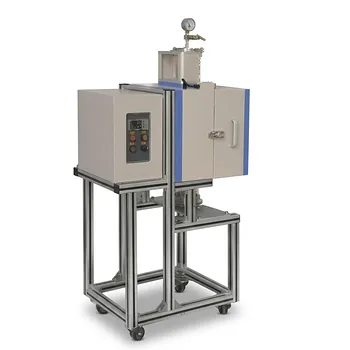
1200°C 5 Inch Vertical Quartz Tube Furnace with Stainless Steel Vacuum Flanges
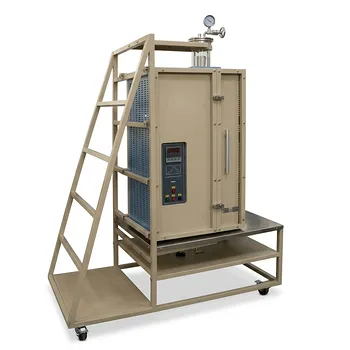
Split Vertical Tube Furnace with 1200C Quartz Tube and Stainless Steel Vacuum Flanges for Rapid Thermal Processing
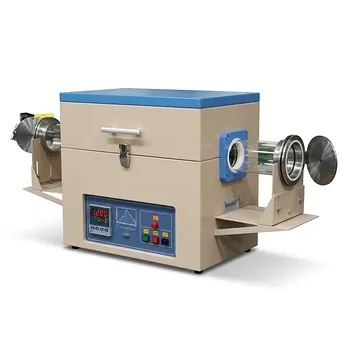
High Temperature 1200C Split Tube Furnace with Hinged Vacuum Flanges and 4 Inch Quartz Tube for Laboratory Research
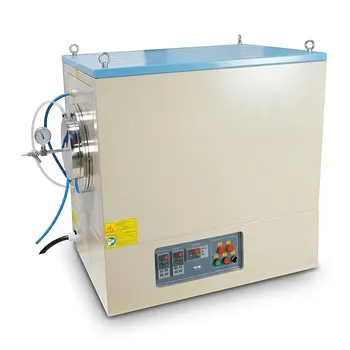
Dual Zone Tube Furnace 1100C with 11 Inch Quartz Tube and Vacuum Flanges for 8 Inch Wafer Processing
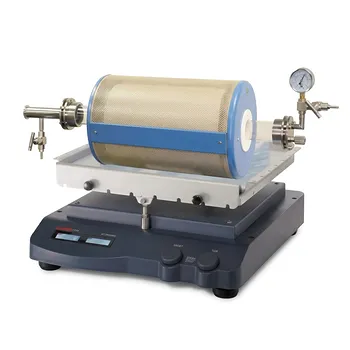
High Temperature Rocking Tube Furnace with Quartz Tube and Vacuum Flange for Materials Synthesis
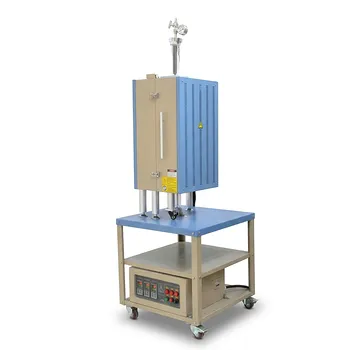
1200C Three Zone Vertical Tube Furnace with 2 Inch Quartz Tube and Vacuum Flanges
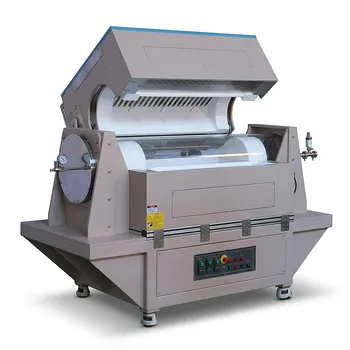
Three Zone Tube Furnace with 11 Inch or 15 Inch Quartz Tube and Hinged Flanges for Vacuum Atmosphere Heat Treatment
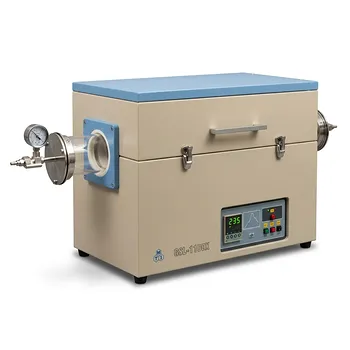
Single Zone Tube Furnace 5 Inch Quartz Tube 36 Inch Heating Zone Vacuum Flanges
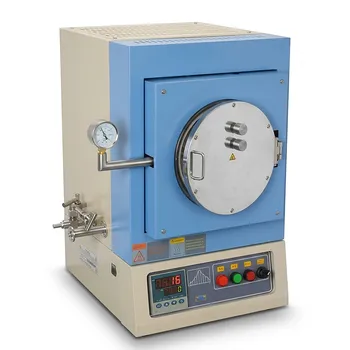
1100°C High Temperature Quartz Chamber Furnace 8 Inch OD with 7.6 Liter Capacity and Vacuum Atmosphere Capability
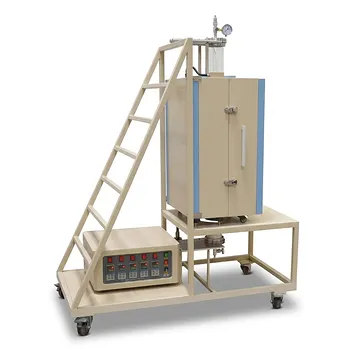
Five Zone Split Vertical Tube Furnace 1200C Max with 4 Inch Quartz Tube and Stainless Steel Vacuum Flanges

High Temperature Automated 5 Inch Tube Furnace for Autonomous Material Research and Advanced Laboratory R&D
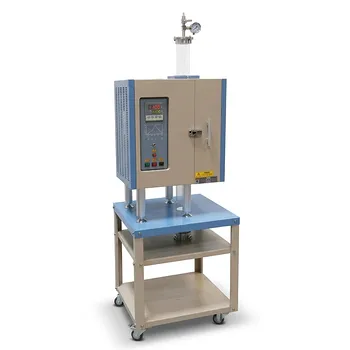
1100°C Split Vertical Tube Furnace with 80mm Quartz Tube and Stainless Steel Vacuum Flanges

High Temperature 1700C Benchtop Tube Furnace with 5 Inch Heating Zone High Purity Alumina Tube and Vacuum Sealing Flanges
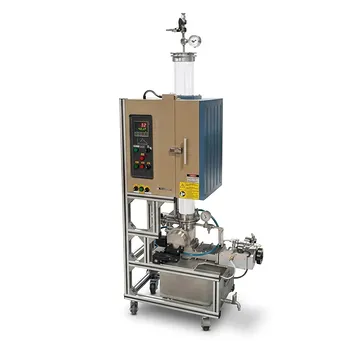
1200C High Temperature Atmosphere Controlled Vertical Quenching Tube Furnace with 4 Inch Quartz Tube
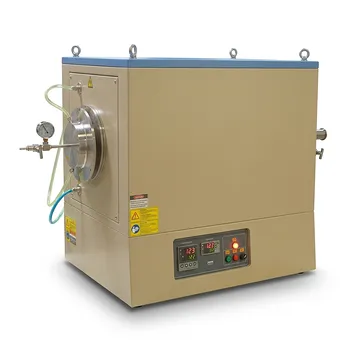
1100°C Large Diameter Quartz Tube Furnace with 24 Inch Heating Zone and Water Cooled Flanges

1800C High Temperature Compact Vacuum Tube Furnace with 60mm OD Alumina Tube and Kanthal MoSi2 Heating Elements