What is the purpose of N2 in an oxidation furnace? Master Material Protection and Pore Control
Updated 3 months ago
High-purity nitrogen is introduced during the heating phase to create a stable, inert protective atmosphere that prevents premature oxidation. This gas flow effectively displaces residual oxygen and air from the furnace chamber, ensuring the carbon material remains chemically stable as temperatures rise. By excluding oxygen, the system guarantees that the intended oxidation or activation process begins only when the specific target temperature and process conditions have been reached.
Continuous nitrogen flow acts as a critical safeguard against uncontrolled combustion, allowing for the precise management of carbon burn-off rates and the sophisticated development of a material's internal pore architecture.
Preventing Unintended Thermal Reactions
The Role of Oxygen Displacement
The primary function of high-purity nitrogen ($N_2$) is to purge the furnace of atmospheric oxygen. At elevated temperatures, carbonaceous materials are highly reactive and will undergo oxidative combustion—often referred to as "ashing"—if oxygen is present. Replacing air with an inert gas ensures the material maintains its chemical integrity during the ramp-up period.
Precision Timing of the Oxidation Process
In specialized applications like the creation of Hollow Carbon Nanospheres (HCNS), the timing of the reaction is as important as the temperature. Introducing $N_2$ during heating ensures that oxidation begins only at the exact pre-set temperature and time. This level of control is essential for accurately managing the burn-off rate, which dictates the final physical properties of the nanostructures.
Impact on Material Structure and Yield
Protecting the Carbon Skeleton
For materials like biochar and activated carbon, the development of a robust carbon skeleton is the primary goal. An inert atmosphere prevents the non-selective oxidation of the raw material, ensuring that the carbon framework is preserved. This protection is vital for maximizing the final carbon yield and preventing the loss of valuable precursor mass.
Managing Pore Development
The quality of a carbon material is often defined by its microporous and mesoporous structures. If oxidation occurs prematurely or unevenly during the heating phase, the resulting pores may be too large or poorly distributed. A nitrogen-rich environment allows the subsequent activation phase (such as steam or chemical activation) to target the carbon matrix precisely, resulting in superior adsorption performance.
Beyond Atmospheric Protection
Removal of Volatile By-products
As the furnace heats up, the raw materials often release volatile organic compounds and gases. The continuous flow of nitrogen acts as a carrier gas, transporting these volatile by-products out of the chamber. This prevents the by-products from reacting further with the material or condensing on the furnace walls.
Maintaining Chemical Equilibrium
By constantly removing reaction by-products, the nitrogen flow helps maintain reaction equilibrium. This is particularly important in reduction reactions involving metals, where the transport of vapors (like zinc) to downstream collection systems is necessary for the process to proceed efficiently.
Understanding the Trade-offs
The Risk of Trace Impurities
While nitrogen is inert, the purity level is a significant factor; even trace amounts of oxygen in low-grade nitrogen can cause surface oxidation at high temperatures. Using high-purity $N_2$ (typically 99.99% or higher) is necessary to avoid compromising the material's surface chemistry.
Thermal Gradients and Gas Flow
High nitrogen flow rates are excellent for purging oxygen but can introduce thermal gradients within the furnace. If the gas is not pre-heated or if the flow is too aggressive, it can cause uneven temperature distribution across the sample. This requires a careful balance between displacement efficiency and thermal stability.
How to Apply This to Your Process
Tailoring Nitrogen Use to Your Objectives
- If your primary focus is structural precision (HCNS): Prioritize consistent gas flow rates to ensure the oxidation phase is triggered exactly at the target temperature to control pore diameter.
- If your primary focus is maximum carbon yield: Ensure the furnace is purged with nitrogen well before heating begins to remove all "trapped" oxygen within the precursor material.
- If your primary focus is equipment longevity: Use a continuous flow to carry away corrosive volatiles that could otherwise damage the heating elements or furnace lining.
Maintaining a rigorous nitrogen environment during the heating phase is the foundational step for achieving predictable, high-quality results in any high-temperature carbon processing application.
Summary Table:
| Key Function | Material Impact | Process Benefit |
|---|---|---|
| Oxygen Displacement | Prevents premature combustion | Ensures oxidation starts only at target temp |
| Structural Protection | Preserves the carbon skeleton | Maximizes final carbon yield and mass |
| Volatile Removal | Transports by-products out | Prevents contamination of furnace walls |
| Pore Management | Uniform micro/mesopores | Enables superior material adsorption |
| Equilibrium Control | Maintains chemical balance | Improves efficiency of reduction reactions |
Maximize Your Material Yield with THERMUNITS Vacuum and Atmosphere Solutions
Producing high-quality carbon materials and advanced ceramics requires absolute control over atmospheric conditions. THERMUNITS is a leading manufacturer of high-temperature laboratory equipment for material science and industrial R&D. We provide the precision technology needed to manage nitrogen flow, oxygen displacement, and thermal stability effectively.
Our comprehensive range of thermal processing solutions is engineered for durability and accuracy, including:
- Atmosphere & Vacuum Furnaces: Perfect for N2/Ar purging and precise oxidation control.
- Specialized Systems: Tube, Rotary, Muffle, and Hot Press furnaces, plus CVD/PECVD systems.
- Industrial & Dental: Electric rotary kilns, vacuum induction melting (VIM) furnaces, and Dental Furnaces.
- Components: High-grade Thermal Elements and heat treatment accessories.
Ready to enhance your lab’s efficiency and structural precision? Let our experts help you find the ideal furnace for your specific research needs.
Contact THERMUNITS Experts Today
References
- Chiemeka Onyeka Okoye, Dongke Zhang. Preparation of hollow carbon nanospheres from oxidation of spent tyre oil‐derived carbon black in air. DOI: 10.1002/apj.3054
Mentioned Products
- 1500C Three Zone Vertical Pyrolysis Furnace for Nanoparticle Synthesis and Advanced Oxide Coating
- High Temperature Oxygen and Inert Atmosphere Controlled Furnace 8 Liter 1700C Sintering System for Advanced Materials RD
- 1200 C Maximum Three Sided Heating Top Loading Furnace with 12 x 12 x 8 Inch Chamber for Solid Oxide Fuel Cell Testing and High Temperature RD
- 1700C Compact Hybrid Furnace with Dual Layer Box Sintering and Controlled Atmosphere Alumina Tubes
- 1200C Hydrogen Atmosphere Box Furnace with 5 Heated Sides and 64L Chamber
People Also Ask
- Why is high-precision temperature control essential in a pyrolysis furnace? Master Pd NPs/NO-C Catalyst Synthesis
- Why is Nitrogen (N2) required for 3D carbon electrodes? Ensure material purity and structural integrity.
- What is the technical necessity of multiple high-temperature thermocouples in a pyrolysis furnace? Precision Control
- Why is it necessary to maintain a strict nitrogen (N2) atmosphere during the operation of a pyrolysis furnace? (Pro Tips)
- Why are precise nitrogen supply systems and flow meters necessary in the pyrolysis process? Optimize Purity & Yield.

Tech Team · ThermUnits
Last updated on Jun 02, 2026
Related Products
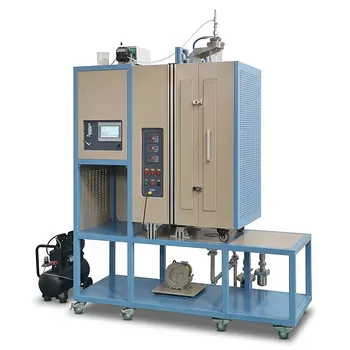
1500C Three Zone Vertical Pyrolysis Furnace for Nanoparticle Synthesis and Advanced Oxide Coating
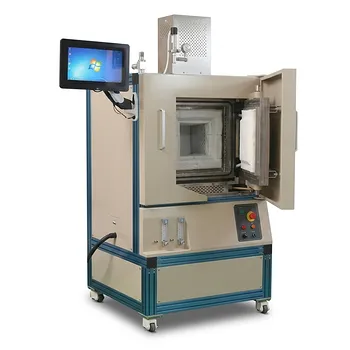
High Temperature Oxygen and Inert Atmosphere Controlled Furnace 8 Liter 1700C Sintering System for Advanced Materials RD
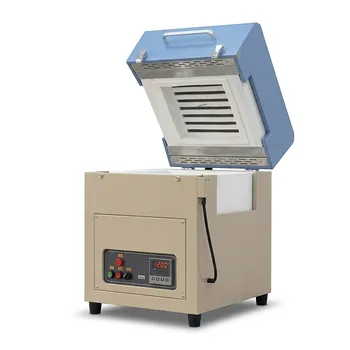
1200 C Maximum Three Sided Heating Top Loading Furnace with 12 x 12 x 8 Inch Chamber for Solid Oxide Fuel Cell Testing and High Temperature RD
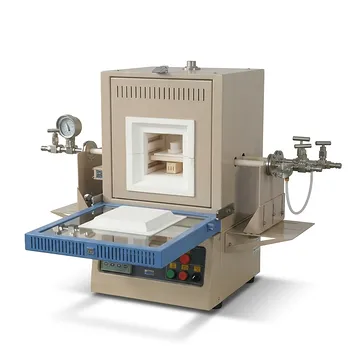
1700C Compact Hybrid Furnace with Dual Layer Box Sintering and Controlled Atmosphere Alumina Tubes
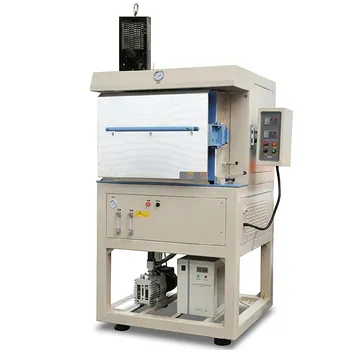
1200C Hydrogen Atmosphere Box Furnace with 5 Heated Sides and 64L Chamber
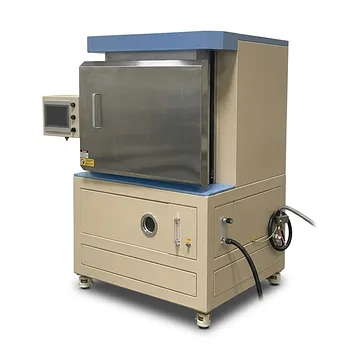
1650C High Temperature Atmosphere Controlled Box Furnace with 65L Chamber for Advanced Material Sintering and Industrial Heat Treatment
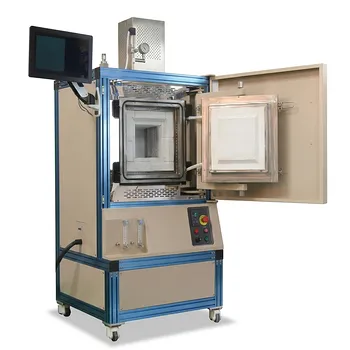
High Temperature Hydrogen Atmosphere Box Furnace 1650C Max Reducing Environment Material Synthesis System 8x8x8 Chamber
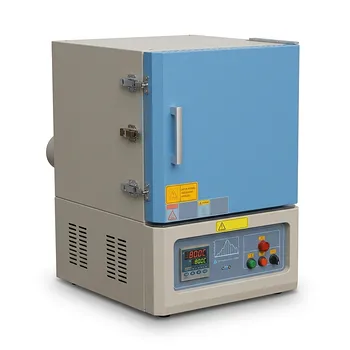
1800C Bench Top Muffle Furnace 18 Liters with Kanthal Super 1900 Heating Elements for High Purity Ceramic Sintering and Material Research
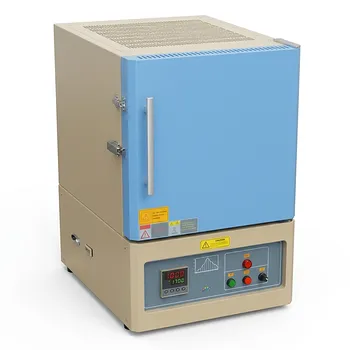
Large Bench Top 1700C High Temperature Muffle Furnace with 19L Chamber for Advanced Material Sintering and Annealing
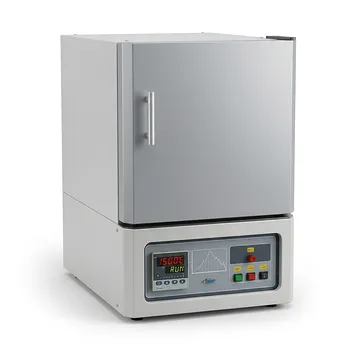
High Temperature 1500C Benchtop Muffle Furnace 3.6L Alumina Fiber Chamber Programmable Controller Sintering Annealing Carbonization Thermal Processing System
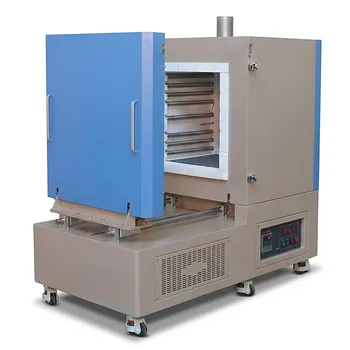
1200C Five Side Heating Muffle Furnace with Sliding Door 125L Volume High Temperature Heat Treatment System for Large Scale Sintering and Annealing
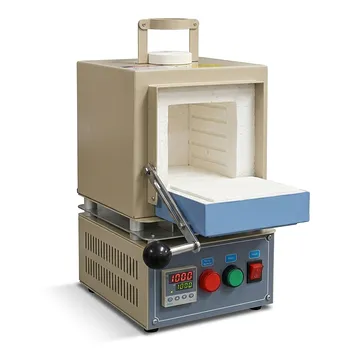
Compact 1000C Muffle Furnace with Programmable Controller and 2 Inch Top Port for Vacuum and Atmosphere Material Research
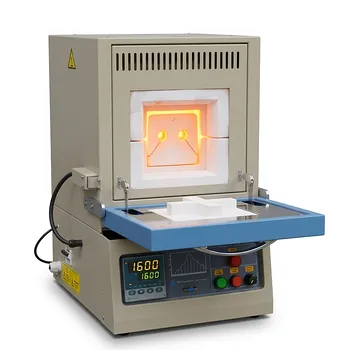
High Temperature Compact Muffle Furnace 1700 C with 30 Segment Programmable Controller and 1.7L Cubic Chamber
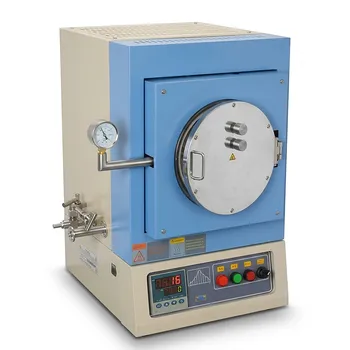
1100°C High Temperature Quartz Chamber Furnace 8 Inch OD with 7.6 Liter Capacity and Vacuum Atmosphere Capability
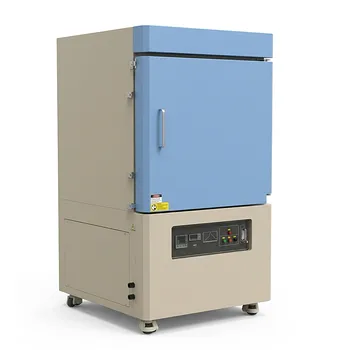
Industrial Large Box Furnace 1700C 216L High Temp Muffle Sintering System
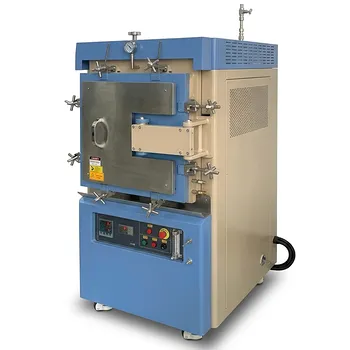
Atmosphere Controlled Muffle Furnace 1700C Maximum Temperature 80L High Capacity Vacuum Inert Gas Box Furnace

Compact High Temperature 1600C Tube Furnace with 50mm Alumina Tube and Vacuum Flanges for Material Sintering
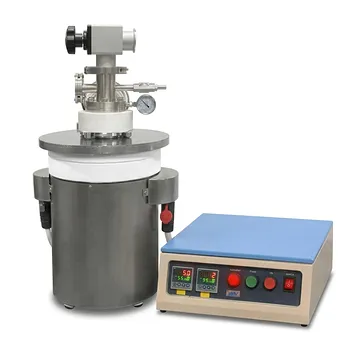
1100C High Temperature Vacuum Crucible Furnace with Quartz Chamber for Thermal Processing and Sintering
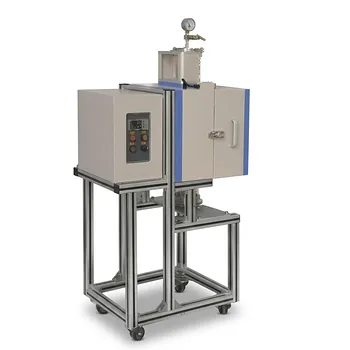
1200°C 5 Inch Vertical Quartz Tube Furnace with Stainless Steel Vacuum Flanges