What is the purpose of using thick-walled fused quartz ampoules in the high-temperature synthesis of PdSe2? Expert Guide
Updated 3 months ago
Thick-walled fused quartz ampoules are utilized in PdSe2 synthesis primarily to serve as high-pressure reaction vessels that can withstand the intense internal vapor pressure generated by volatile selenium at high temperatures. These specialized containers maintain a vacuum-sealed environment that prevents the oxidation of raw materials at temperatures reaching 850 °C while ensuring precise stoichiometry by preventing the escape of gaseous components.
Core Takeaway: The use of thick-walled quartz is a critical safety and quality requirement, designed to manage high internal hoop stress while providing a chemically inert, oxygen-free environment for precise crystal growth.
Managing High Internal Pressures
Containment of Volatile Selenium
At the elevated temperatures required for PdSe2 synthesis, selenium (Se) becomes highly volatile, creating significant internal gas pressure within the reaction vessel.
The increased wall thickness of fused quartz is specifically engineered to keep the resulting hoop stress below 50 MPa.
Failure to use a thick-walled vessel under these conditions would result in a high risk of explosive decompression as the internal pressure exceeds the material’s structural limits.
Safety in High-Temperature Environments
The structural integrity of the ampoule is paramount when working at temperatures up to 850 °C.
Fused quartz is selected for its ability to maintain mechanical strength at these temperatures while resisting the thermal shock associated with heating and cooling cycles.
By acting as a high-pressure vessel, the ampoule allows the reaction to occur safely in a closed system, which is necessary for complex phase transitions.
Ensuring Chemical Purity and Stoichiometry
Prevention of Atmospheric Oxidation
Maintaining a high vacuum level, typically better than 10^-3 Pa, is essential to isolate the raw materials from oxygen.
This isolation prevents the formation of unwanted oxides, such as those that can occur when palladium or selenium react with ambient air at high temperatures.
A contamination-free environment is mandatory to ensure the resulting PdSe2 crystals possess the desired electronic and structural properties.
Maintaining Precise Stoichiometric Ratios
In a closed, vacuum-sealed quartz system, volatile components are unable to escape the reaction zone.
This containment ensures that the initial ratio of palladium to selenium remains constant throughout the melting and crystallization process.
Precise stoichiometry is vital for the successful synthesis of PdSe2, as even minor deviations in chemical composition can result in the formation of secondary phases or defects.
Understanding the Trade-offs and Risks
Material Brittleness and Handling
While fused quartz is excellent for pressure containment, it remains a brittle material that is highly sensitive to surface imperfections.
Micro-scratches or contaminants on the surface of the quartz can act as stress concentrators, leading to catastrophic failure even if the calculated hoop stress is within safe limits.
Temperature and Chemical Limitations
Although quartz is stable up to 850 °C in this application, it can begin to devitrify or react with certain highly aggressive fluxes at higher temperatures.
There is also a strict upper limit to the internal pressure; exceeding the 50 MPa threshold significantly increases the likelihood of the ampoule shattering during the growth process.
Applying These Principles to Your Synthesis
Recommendations for Successful Implementation
When preparing for high-temperature chalcogenide synthesis, your approach should be dictated by your specific safety and purity requirements.
- If your primary focus is maximum safety and pressure resistance: Ensure the wall thickness of your quartz ampoule is calculated to keep hoop stress significantly below 50 MPa at your peak operating temperature.
- If your primary focus is material purity and stoichiometry: Prioritize achieving a vacuum seal better than 10^-3 Pa to eliminate oxygen and prevent the volatilization of selenium.
- If your primary focus is crystal structural integrity: Utilize the closed system to facilitate slow cooling rates, which allows for stable phase transitions and higher-quality crystal growth.
By balancing mechanical containment with atmospheric isolation, you ensure a safe and repeatable synthesis of high-quality PdSe2 crystals.
Summary Table:
| Key Feature | Requirement/Value | Primary Benefit |
|---|---|---|
| Wall Thickness | Hoop Stress < 50 MPa | Safe containment of volatile selenium gas |
| Vacuum Level | Better than $10^{-3}$ Pa | Prevents oxidation of palladium & selenium |
| Thermal Limit | Up to 850 °C | Maintains strength during crystal growth |
| Containment | Sealed System | Ensures precise 1:2 stoichiometric ratio |
Advance Your Material Science Research with THERMUNITS
High-quality PdSe2 synthesis requires precise thermal environments and uncompromising safety. THERMUNITS is a leading manufacturer of high-temperature laboratory equipment, providing the advanced solutions necessary for complex material R&D.
From Vacuum, Atmosphere, and Tube Furnaces to specialized CVD/PECVD systems and Vacuum Induction Melting (VIM) units, our equipment is engineered to handle the rigorous demands of modern heat treatment.
Ready to optimize your synthesis process? Contact our technical experts today to discover how our comprehensive range of thermal processing solutions can enhance your laboratory's efficiency and results.
References
- Y. Zhang, Chun Ning Lau. Quantum octets in high mobility pentagonal two-dimensional PdSe2. DOI: 10.1038/s41467-024-44972-2
Mentioned Products
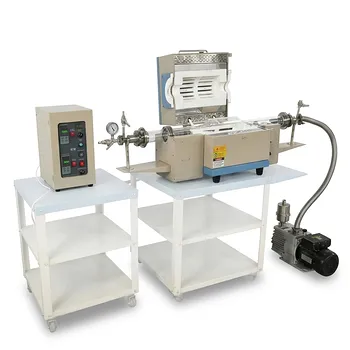
- 1100°C High Temperature Quartz Chamber Furnace 8 Inch OD with 7.6 Liter Capacity and Vacuum Atmosphere Capability
- 1200°C 5 Inch Vertical Quartz Tube Furnace with Stainless Steel Vacuum Flanges
- Compact Vertical Split Quartz Tube Furnace with Stainless Steel Vacuum Flanges for Rapid Thermal Quenching and Controlled Atmosphere Material Processing
- 1100°C Large Diameter Quartz Tube Furnace with 24 Inch Heating Zone and Water Cooled Flanges
- 5 Inch Three Zone Rotary Tube Furnace with Integrated Gas Delivery System and 1200C Capability for Advanced Material CVD Processing
People Also Ask
- Why is a quartz tube furnace necessary for phosphorus-doped MoS2/GO preparation? Ensure Purity & Precise Synthesis
- Benefits of high-vacuum quartz tube furnaces with N2 for Co3O4 nanosheets: Purity and Structural Integrity.
- What conditions does a quartz tube furnace provide for AlxCoCrFeNi steam corrosion tests? Achieve Precise R&D Control.
- Why is high-temperature annealing in a quartz tube furnace done after HfO2 deposition? Unlock peak film performance.
- Why is a high-purity quartz tube used for SP-Fe3O4-C? Ensure Chemical Purity & Catalytic Stability

Tech Team · ThermUnits
Last updated on Jun 02, 2026
Related Products

1100°C High Temperature Quartz Chamber Furnace 8 Inch OD with 7.6 Liter Capacity and Vacuum Atmosphere Capability
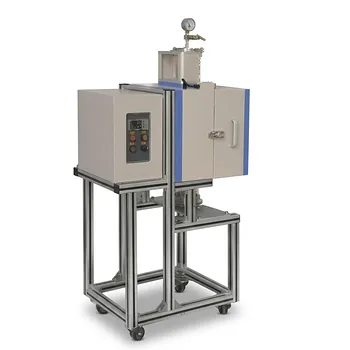
1200°C 5 Inch Vertical Quartz Tube Furnace with Stainless Steel Vacuum Flanges
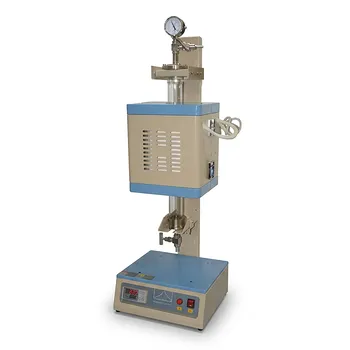
Compact Vertical Split Quartz Tube Furnace with Stainless Steel Vacuum Flanges for Rapid Thermal Quenching and Controlled Atmosphere Material Processing
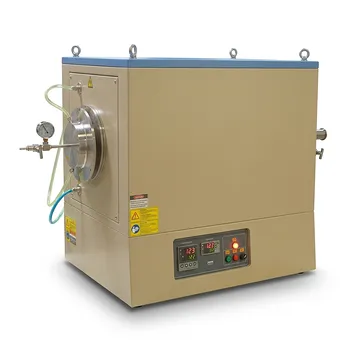
1100°C Large Diameter Quartz Tube Furnace with 24 Inch Heating Zone and Water Cooled Flanges
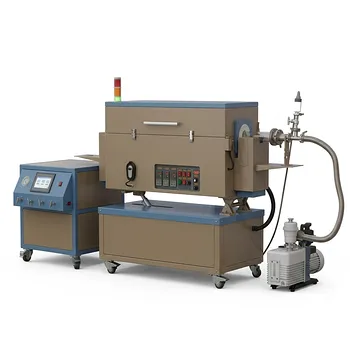
5 Inch Three Zone Rotary Tube Furnace with Integrated Gas Delivery System and 1200C Capability for Advanced Material CVD Processing

High Temperature 1700C Vertical Tube Furnace for Powder Spherification and Material Sintering
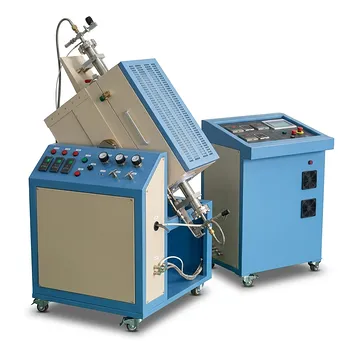
1100C High Pressure Rocking Tube Furnace with 2 Inch Super Alloy Processing Tube for Material Synthesis
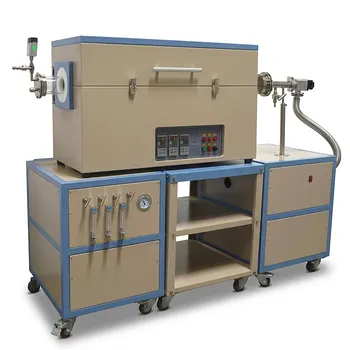
Three Zone Quartz Tube Furnace with 3 Channel Gas Mixer Vacuum Pump and Anti Corrosive Vacuum Gauge
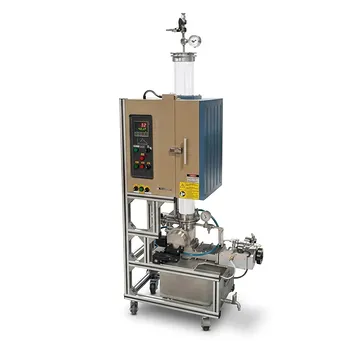
1200C High Temperature Atmosphere Controlled Vertical Quenching Tube Furnace with 4 Inch Quartz Tube
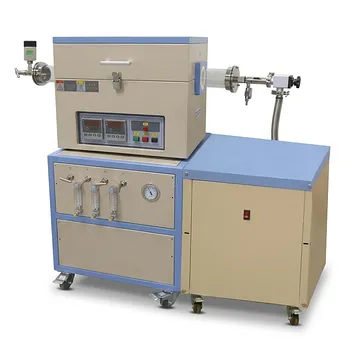
Dual Zone Quartz Tube Furnace with 80mm Diameter 1200C Max Temperature 3 Channel Gas Mixer and Vacuum Pump System
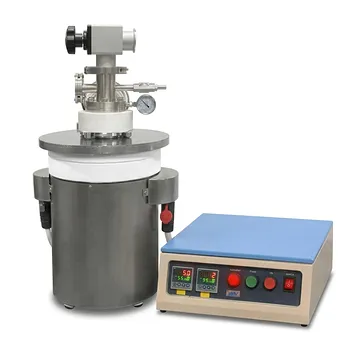
1100C High Temperature Vacuum Crucible Furnace with Quartz Chamber for Thermal Processing and Sintering
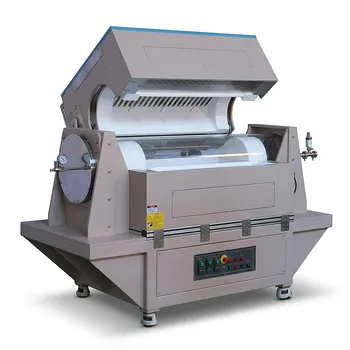
Three Zone Tube Furnace with 11 Inch or 15 Inch Quartz Tube and Hinged Flanges for Vacuum Atmosphere Heat Treatment
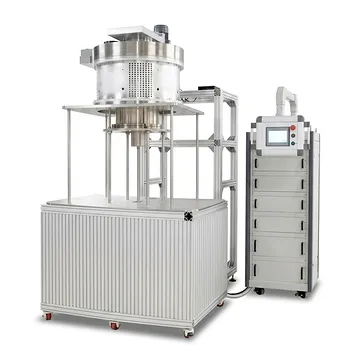
915MHz MPCVD Diamond Machine Microwave Plasma Chemical Vapor Deposition System Reactor
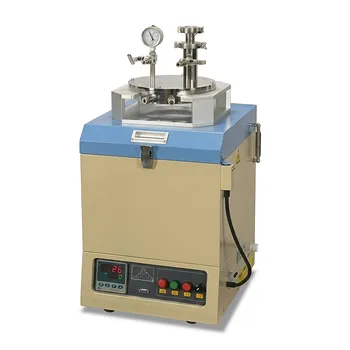
Vertical Vacuum Furnace 1100C High Temperature 8 Inch Quartz Chamber Water Cold Flange System
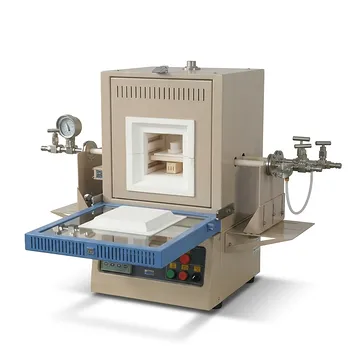
1700C Compact Hybrid Furnace with Dual Layer Box Sintering and Controlled Atmosphere Alumina Tubes
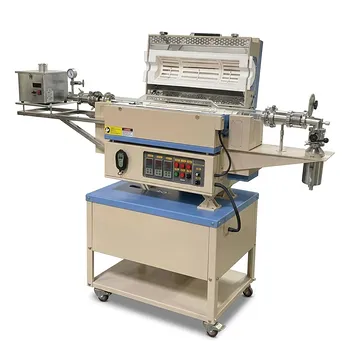
5 Inch Rotary Tube Furnace with Automatic Feeding and Receiving System 1200C Three Zone CVD Powder Processing
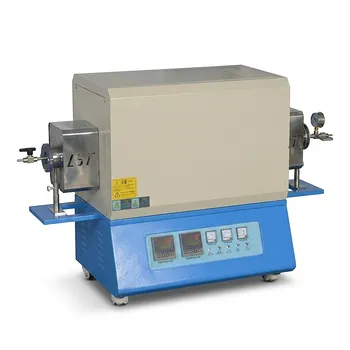
High Temperature Dual Zone Vacuum Tube Furnace for Material Research and CVD Processing
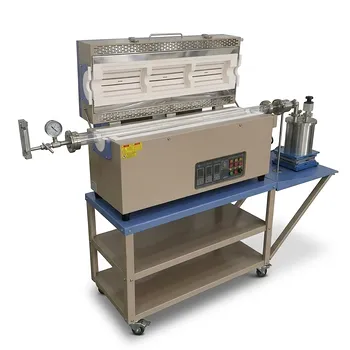
5 Inch Two Zone Rotary Tube Furnace 1100C for Powder CVD and Material Synthesis
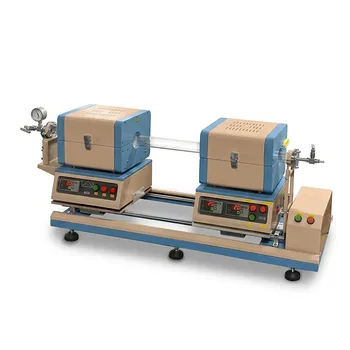
High Temperature 1200C Automatic Sliding Dual Zone Tube Furnace for 2D Transition Metal Dichalcogenides Growth and Material Sublimation Research