What is the significance of the maximum pyrolysis temperature? Impact on Biochar Structure & Adsorption
Updated 3 months ago
The maximum pyrolysis temperature is the primary determinant of the biochar’s final physicochemical structure. In a high-temperature atmosphere furnace, this peak temperature dictates the extent of devolatilization, the complexity of the resulting pore network, and the chemical stability of the carbon skeleton. By precisely controlling this parameter, usually between 600°C and 900°C, researchers can transition raw sludge from a volatile-rich organic mass into a highly porous, fixed-carbon adsorbent.
The maximum pyrolysis temperature acts as the fundamental catalyst for transforming biomass into a functional material, balancing the removal of unstable volatile matter against the creation of a sophisticated, high-surface-area pore structure.
Driving Structural Transformation through Devolatilization
Deep Devolatilization and Aromatization
The extreme temperature environment within an atmosphere furnace serves as the primary driver for the devolatilization of biomass. As the furnace reaches its maximum set point, unstable organic components are thoroughly removed, leaving behind a stable carbon matrix.
This process facilitates aromatization, where carbon atoms rearrange into stable benzene-like rings. This structural shift is essential for producing biochar that is resistant to chemical degradation and suitable for long-term environmental applications.
Removal of Unstable Components
At lower temperatures, many organic compounds remain trapped within the sludge matrix, clogging potential pore sites. Increasing the temperature to levels like 700°C to 800°C ensures these precursors are thermally decomposed.
The removal of these volatiles is what allows the furnace to effectively "clean" the carbon skeleton. This results in a material with higher fixed carbon content and significantly lower reactivity toward unwanted side reactions.
Maximizing Adsorption Potential via Pore Development
The Formation of Micropores and Mesopores
The maximum temperature directly influences the porosity of the biochar. As gases escape the material during heating, they create a network of micropores and mesopores.
In high-temperature furnaces, reaching a peak of 700°C has been shown to produce the maximum BET specific surface area. This physical expansion is what transforms the sludge into an effective adsorbent for heavy metals and organic pollutants.
Activation and Secondary Thermal Treatment
At even higher temperatures, such as 900°C, the furnace can induce further pore development through physical or chemical activation. This secondary thermal treatment can transform the carbon into a high-activity precursor.
By subjecting the carbon structure to these intense temperatures, the specific surface area and pore volume are greatly increased. This makes the final product highly suitable for specialized applications like gas adsorption.
The Role of the Controlled Atmosphere
Preventing Combustion through Oxygen Limitation
A high-temperature atmosphere furnace is critical because it provides an oxygen-limited or anaerobic environment. Without this, the biomass would simply combust into ash at high temperatures rather than carbonizing into biochar.
By using nitrogen (N2) purging, the furnace ensures that organic matter undergoes thermal decomposition rather than burning. This distinction is what allows for the retention of high carbon content and the formation of a stable pore structure.
Precision Heating and Crystallinity
The furnace allows for precise control over the heating rate and peak temperature. This precision is vital for enhancing the biochar’s crystallinity, which affects its mechanical strength and longevity.
Consistent thermal energy ensures that the entire batch of sludge reaches the target temperature uniformly. This uniformity prevents "cold spots" that would result in under-processed, low-quality biochar.
Understanding the Trade-offs
The Yield vs. Surface Area Conflict
As the maximum pyrolysis temperature increases, the biochar yield typically decreases. This occurs because a higher percentage of the raw material is converted into syngas and bio-oil rather than solid carbon.
While a temperature of 700°C might maximize surface area, it may result in a significantly lower mass of biochar compared to a 400°C process. Engineers must decide whether quality (surface area) or quantity (yield) is more important for their specific use case.
Energy Consumption and Material Costs
Operating a furnace at 800°C or 900°C requires substantially more energy than lower-temperature runs. This increases the operational cost of biochar production.
Furthermore, extreme temperatures can accelerate the wear and tear on the furnace’s internal components and reactor vessels. These maintenance costs must be weighed against the performance gains of the high-temperature biochar.
Making the Right Choice for Your Goal
When preparing biochar from sludge, the target temperature should be aligned with the intended application of the final product.
- If your primary focus is Maximum Pollutant Adsorption: Target a maximum temperature between 700°C and 800°C to maximize the BET specific surface area and pore development.
- If your primary focus is High Carbon Sequestration and Yield: Utilize a lower temperature range, such as 400°C to 500°C, to retain more solid mass while still achieving basic carbonization.
- If your primary focus is Creating Magnetic or Functional Composites: Set the furnace to approximately 600°C to trigger specific chemical interactions between the carbon skeleton and additives like iron salts.
The maximum pyrolysis temperature is the single most powerful lever available to tune the functional properties of sludge-derived biochar.
Summary Table:
| Temperature Range | Key Structural Effects | Primary Application Focus |
|---|---|---|
| 400°C - 500°C | High mass yield; basic carbonization | Carbon Sequestration & Soil Amendment |
| 600°C - 700°C | Aromatization; chemical functionalization | Magnetic or Functional Composites |
| 700°C - 800°C | Maximum BET surface area; micropore growth | Heavy Metal & Pollutant Adsorption |
| 800°C - 900°C | High crystallinity; activation potential | Gas Adsorption & Industrial Catalysis |
Optimize Your Material Research with THERMUNITS
Precision temperature control is the most critical factor in successful biochar synthesis. THERMUNITS is a leading manufacturer of high-performance thermal processing solutions designed for the rigors of material science and industrial R&D.
We provide the exact atmosphere control and thermal uniformity needed for advanced pyrolysis. Our product range includes:
- High-Temperature Atmosphere & Vacuum Furnaces
- Tube & Rotary Furnaces for continuous processing
- CVD/PECVD Systems and Vacuum Induction Melting (VIM)
- Muffle & Hot Press Furnaces for diverse laboratory needs
Whether you are refining sludge-derived biochar or developing new carbon precursors, our engineering team is ready to help you select the ideal equipment to achieve your research goals.
Contact THERMUNITS Today to discuss your specific heat treatment requirements!
References
- Ayşenur Özuysal, Görkem Akıncı. Investigation of cattle manure, poultry manure and sewage sludge as raw materials for biochar synthesis via pyrolysis: A case study for Küçük Menderes Basin-Türkiye. DOI: 10.5505/pajes.2023.71644
Mentioned Products
- 1650C High Temperature Atmosphere Controlled Box Furnace with 65L Chamber for Advanced Material Sintering and Industrial Heat Treatment
- High Temperature Vertical Atmosphere Controlled Furnace with Automatic Bottom Loading and 1700°C Capacity for Advanced Material Research
- High Temperature Oxygen and Inert Atmosphere Controlled Furnace 8 Liter 1700C Sintering System for Advanced Materials RD
- 1750°C High Temperature Benchtop Vacuum Atmosphere Tube Furnace with Kanthal Super 1800 Heating Elements and 60mm Alumina Processing Tube
- High Temperature Hydrogen Atmosphere Box Furnace 1650C Max Reducing Environment Material Synthesis System 8x8x8 Chamber
People Also Ask
- What role does atmosphere control play in technical ceramics and glass? Master Material Purity and Precision
- What role does a high-temperature atmosphere furnace play in the direct electrochemical reduction of CO2? - Key Insights
- What is the role of a high-temperature box furnace in the solid-state synthesis of Europium-doped M3MgSi2O8 phosphors?
- What is the role of a high-temperature box furnace in Na3MnZr(PO4)3 synthesis? Engineering High-Performance NASICON.
- What physical conditions does a high-temperature atmosphere furnace provide for MXene exfoliation? Process Guide

Tech Team · ThermUnits
Last updated on Jun 03, 2026
Related Products
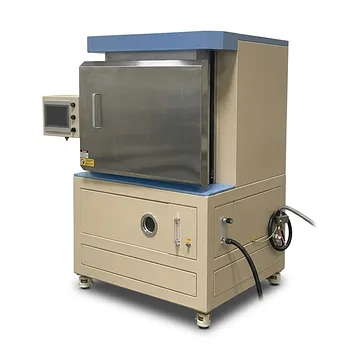
1650C High Temperature Atmosphere Controlled Box Furnace with 65L Chamber for Advanced Material Sintering and Industrial Heat Treatment
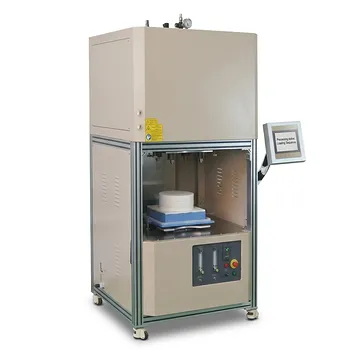
High Temperature Vertical Atmosphere Controlled Furnace with Automatic Bottom Loading and 1700°C Capacity for Advanced Material Research
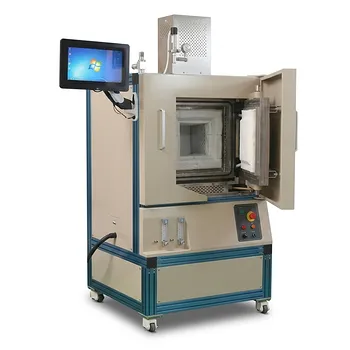
High Temperature Oxygen and Inert Atmosphere Controlled Furnace 8 Liter 1700C Sintering System for Advanced Materials RD
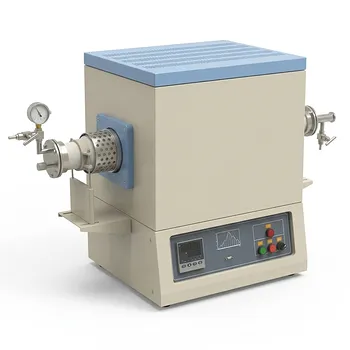
1750°C High Temperature Benchtop Vacuum Atmosphere Tube Furnace with Kanthal Super 1800 Heating Elements and 60mm Alumina Processing Tube
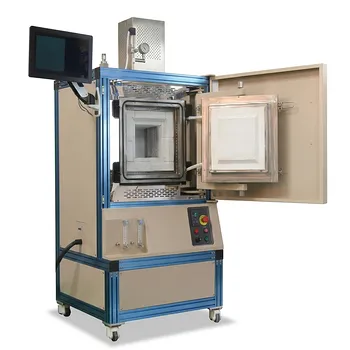
High Temperature Hydrogen Atmosphere Box Furnace 1650C Max Reducing Environment Material Synthesis System 8x8x8 Chamber
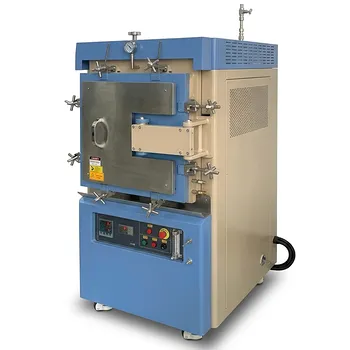
Atmosphere Controlled Muffle Furnace 1700C Maximum Temperature 80L High Capacity Vacuum Inert Gas Box Furnace
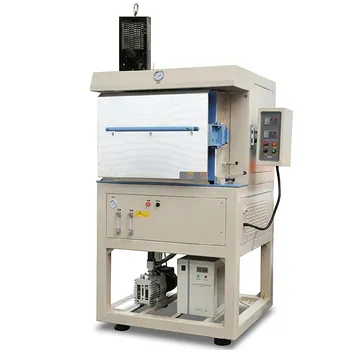
1200C Hydrogen Atmosphere Box Furnace with 5 Heated Sides and 64L Chamber
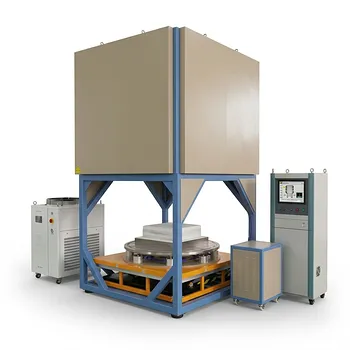
Bottom Loaded Inert Gas Atmosphere Box Furnace 1700C 1300C 216L Large Capacity Industrial Thermal Processing System
1200C Hybrid Muffle and Tube Furnace for Material Research with Dual Atmosphere Control Quartz Tubes
Rapid Thermal Processing RTP Atmosphere Controlled Bottom Loading Furnace 1100C High Throughput 50C per Second Heating Rate

Vertical 1700C Vacuum and Atmosphere Tube Furnace with 80mm Alumina Tube
High Temperature Muffle Furnace with Alloy Chamber for Debinding and Sintering Applications
High Temperature 1500C Benchtop Muffle Furnace 3.6L Alumina Fiber Chamber Programmable Controller Sintering Annealing Carbonization Thermal Processing System
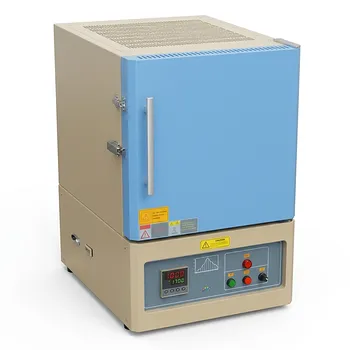
Large Bench Top 1700C High Temperature Muffle Furnace with 19L Chamber for Advanced Material Sintering and Annealing
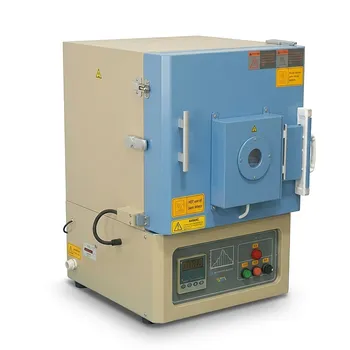
High Temperature Benchtop Muffle Furnace 1500C with 3.6L Chamber and Quartz Observation Window

High Temperature 1700C Tube Furnace with High Vacuum Turbomolecular Pump System and Multi Channel Mass Flow Controller Gas Mixer
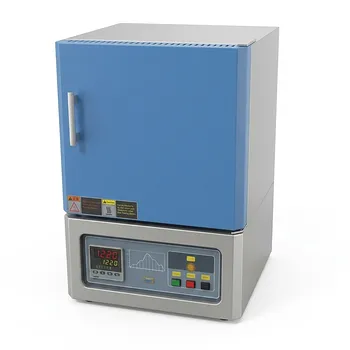
High Temperature Benchtop Muffle Furnace 1700C 10L Chamber Alumina Fiber Insulation MoSi2 Heating Elements
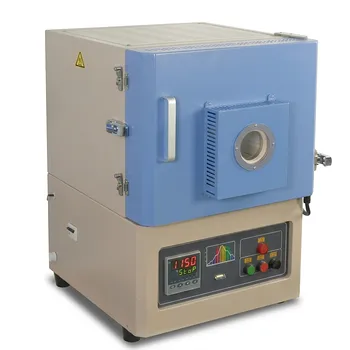
High Temperature Benchtop Muffle Furnace with Quartz Observation Window for Thermal Imaging and Material Analysis
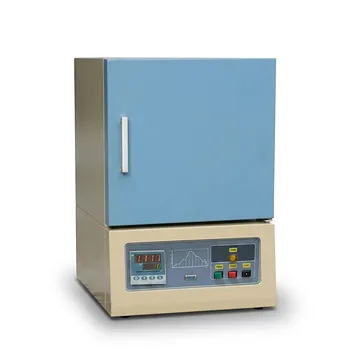
Ultra High Temperature Bench Top Muffle Furnace 1750C Sintering System with Kanthal Super Heating Elements and Precision Digital Control
