What is the significance of placing a K-type thermocouple directly near the sample bed? Ensure Precise Thermal Data.
Updated 3 months ago
Placing a K-type thermocouple directly near the sample bed is the only way to capture the true temperature of the reaction zone during gasification. Because gasification is a strongly endothermic process, the sample surface is often significantly cooler than the surrounding furnace environment. Direct measurement ensures that kinetic parameters, such as activation energy, are calculated using actual thermal data rather than misleading furnace setpoints.
Direct bed monitoring eliminates the "thermal gap" between the furnace heating elements and the reaction site. This precision is fundamental for valid Arrhenius kinetic fitting and ensuring that experimental data reflects the real-world physics of the gasification process.
Overcoming Thermal Inaccuracy in Endothermic Reactions
The Impact of the Endothermic Heat Sink
Gasification reactions consume significant amounts of energy from their immediate surroundings. This endothermic nature creates a localized cooling effect, meaning the sample bed temperature will naturally drop below the ambient furnace temperature as the reaction progresses.
Eliminating Heat Transfer Delays
Relying on the furnace's internal sensors introduces a thermal lag caused by the distance between the heating elements and the sample. Direct placement of the thermocouple provides real-time, sensitive monitoring that bypasses these delays, allowing for an immediate response to temperature fluctuations within the bed.
Surface vs. Ambient Discrepancies
The furnace body temperature control is designed to maintain the environment, not the specific chemistry of the sample. Without a direct probe, researchers remain "blind" to the actual temperature of the sample surface, which is the most critical variable in determining reaction rates.
Precision in Kinetic and Chemical Modeling
Ensuring Reliable Arrhenius Fitting
Kinetic parameters like activation energy are mathematically hypersensitive to temperature inputs. Even a discrepancy of a few degrees can lead to significant errors in Arrhenius fitting, rendering the resulting scientific models inaccurate or invalid.
Identifying Critical Phase Transitions
Many materials undergo specific phase transformations or volatile releases at exact temperature thresholds. Direct measurement ensures that recorded data points—such as diffraction patterns or mass loss—correspond precisely to the physical temperature of the material at that exact moment.
Validating Reaction Stages
Direct monitoring allows researchers to capture the transition between different stages, such as volatile release and char oxidation. This provides the essential thermal property parameters needed to establish accurate models for particle shrinkage or material transformation.
Understanding the Trade-offs
The Risk of Sensor Degradation
Placing a thermocouple directly in the reaction zone exposes it to harsh chemical environments and high temperatures. In gasification, the sensor may face corrosive gases or slagging, which can degrade the K-type wires over time and lead to "sensor drift" if not regularly calibrated.
Potential Flow Interference
The physical presence of a probe near or within the sample bed can slightly alter the local gas flow patterns. While the temperature accuracy gained is usually worth the trade-off, researchers must ensure the probe is positioned to minimize turbulence or shielding of the sample from the gas stream.
Complexity of Implementation
Direct attachment or insertion requires more complex experimental setups, such as drilling into simulated samples or securing leads to moving parts. Despite this complexity, the alternative—relying on furnace air temperature—frequently results in unreliable data that cannot be defended in a rigorous technical analysis.
How to Apply This to Your Project
Accurate temperature feedback is the core of any successful thermal analysis or reactor control system. Use the following guidelines to determine your placement strategy:
- If your primary focus is Kinetic Modeling: You must place the thermocouple as close to the reaction interface as possible to ensure your activation energy calculations are mathematically sound.
- If your primary focus is Material Phase Transformation: Ensure the probe is in direct contact with the specimen to avoid errors caused by thermal lag, particularly during rapid heating rates.
- If your primary focus is Process Scaling: Use internal bed monitoring to determine the "thermal equilibrium state," which is critical for predicting how larger batches will behave under similar heat loads.
By prioritizing direct measurement at the sample site, you ensure that your experimental results are built on a foundation of physical reality rather than furnace approximations.
Summary Table:
| Feature | Advantage | Scientific Impact |
|---|---|---|
| Direct Bed Monitoring | Eliminates "Thermal Gap" | Captures real-time reaction zone data |
| Real-time Feedback | Bypasses Thermal Lag | Ensures valid Arrhenius kinetic fitting |
| Precise Contact | Captures Phase Transitions | Accurate material transformation modeling |
| High-Temp Accuracy | Monitors Endothermic Sinks | Corrects surface vs. ambient discrepancies |
Elevate Your Material Research with THERMUNITS Precision
As a leading manufacturer of high-temperature laboratory equipment, THERMUNITS provides the advanced thermal processing solutions required for cutting-edge material science and industrial R&D. Whether you are utilizing Muffle, Vacuum, Atmosphere, Tube, or Hot Press furnaces, our equipment is engineered to handle the complexities of gasification and endothermic reactions with unmatched accuracy.
Ensure your kinetic parameters and activation energy calculations are built on physical reality. Our comprehensive range—including CVD/PECVD systems, Dental Furnaces, Electric Rotary Kilns, and Vacuum Induction Melting (VIM) furnaces—offers the stability and sensor integration capabilities your project demands to eliminate thermal lag and achieve superior results.
Contact our expert team today to discuss how THERMUNITS can provide the precise heat treatment tools your laboratory needs to succeed.
References
- John L. Schroeder, R.C. Uwaoma. Steam gasification kinetics of biochar at elevated pressures. DOI: 10.1016/j.heliyon.2024.e31172
Mentioned Products
- High Temperature Three Zone Tube Furnace 1700C with Alumina Tube and Water Cooled Flanges
- Triple Tube Compact Hybrid Muffle Furnace 1000C High Vacuum Thermal Processing System
- High Temperature Benchtop Muffle Furnace with Quartz Observation Window for Thermal Imaging and Material Analysis
- High Temperature Tube Furnace 1500C with Sliding Flanges and 50mm OD for Rapid Thermal Processing Fast Heating and Cooling
- 5 Inch Three Zone Rotary Tube Furnace with Integrated Gas Delivery System and 1200C Capability for Advanced Material CVD Processing
People Also Ask
- What functions does a 3-zone tube furnace provide for graphene-coated alumina fibers? Expert CVD Heat Treatment Guide
- How are high-temperature tube furnaces utilized to repair etching damage? Precision Lattice Restoration Solutions
- What is the role of a high-temperature tube furnace in the calcination process of ZnO/In2O3 nanocomposites?
- What is the function of a high-temperature tube furnace during thermal debinding of SS316L and zirconia? Expert Guide
- What role does a high-temperature tube furnace play in the carbonization process of lotus-root-like electrode materials?

Tech Team · ThermUnits
Last updated on Jun 03, 2026
Related Products
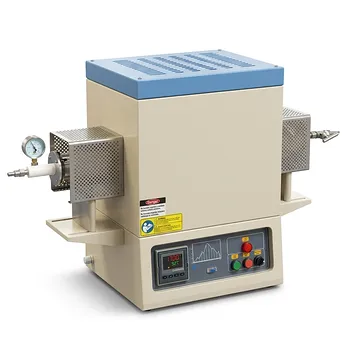
High Temperature Three Zone Tube Furnace 1700C with Alumina Tube and Water Cooled Flanges
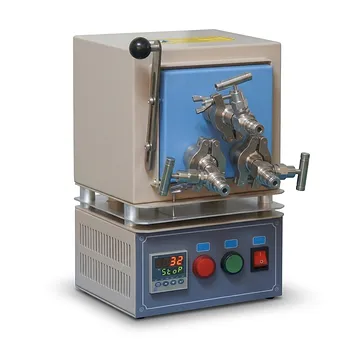
Triple Tube Compact Hybrid Muffle Furnace 1000C High Vacuum Thermal Processing System
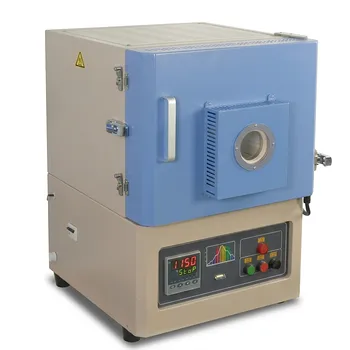
High Temperature Benchtop Muffle Furnace with Quartz Observation Window for Thermal Imaging and Material Analysis

High Temperature Tube Furnace 1500C with Sliding Flanges and 50mm OD for Rapid Thermal Processing Fast Heating and Cooling

5 Inch Three Zone Rotary Tube Furnace with Integrated Gas Delivery System and 1200C Capability for Advanced Material CVD Processing
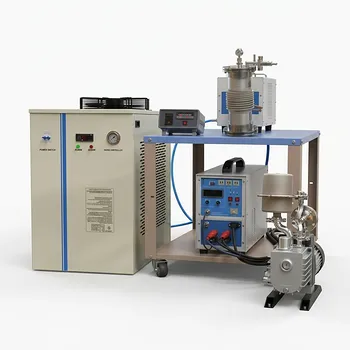
Induction Heating System with Temperature Control for High Temperature Vacuum Sintering and Melting
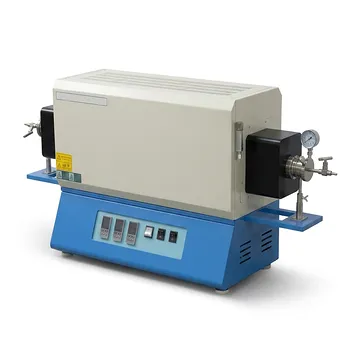
High Temperature Three Temperature Zone Tube Furnace for Advanced Material Science Sintering and Chemical Vapor Deposition Applications
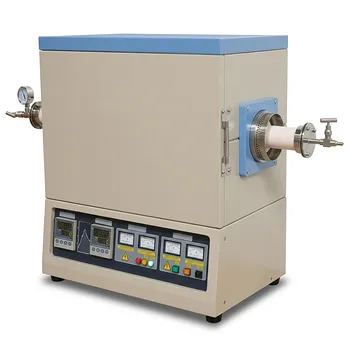
High Temperature 1700C Dual Zone Tube Furnace for Material Science and Industrial Chemical Vapor Deposition Research
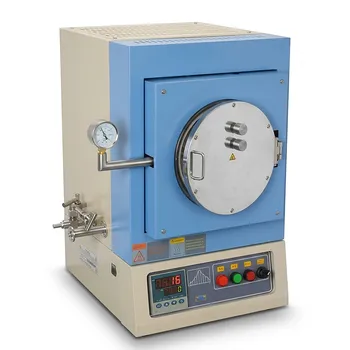
1100°C High Temperature Quartz Chamber Furnace 8 Inch OD with 7.6 Liter Capacity and Vacuum Atmosphere Capability
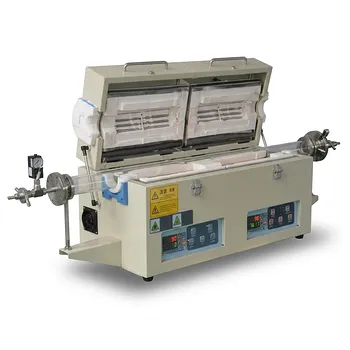
Elongated Two Temperature Zone Pipe Furnace for Industrial Heat Treatment and Material Science Research
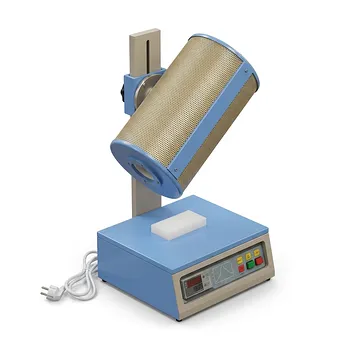
1100°C Vertical Laboratory Furnace for DIY Tubular Reactors with PID Temperature Controller
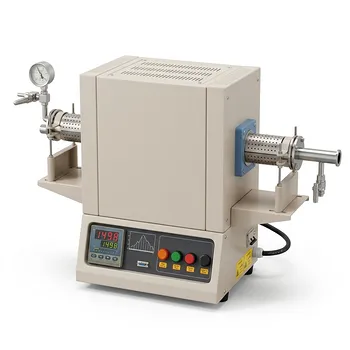
1500C High Temperature Compact Tube Furnace 2 Inch OD with Vacuum Flanges and Complete Accessories
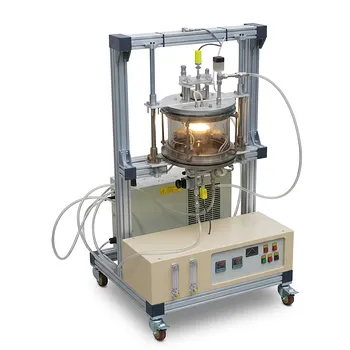
Two Zones CSS Furnace for Rapid Thermal Processing Thin Film Coating 3 Inch Diameter 650C
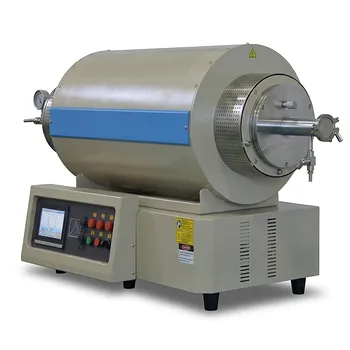
1200C Max Three Zone Tube Furnace 6 Inch OD Max with Tube and Flange
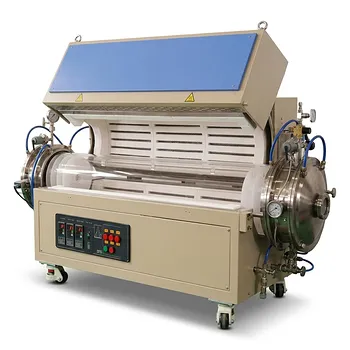
High Temperature Three Zone Split Tube Furnace 1200C Max 35.4 Inch Heating Length 8 Inch ID Tube
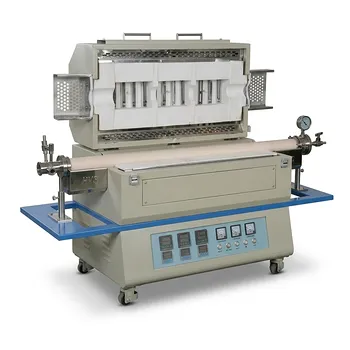
Three Temperature Zone Fast Heating Furnace 1500C Laboratory High Precision Thermal Processing System
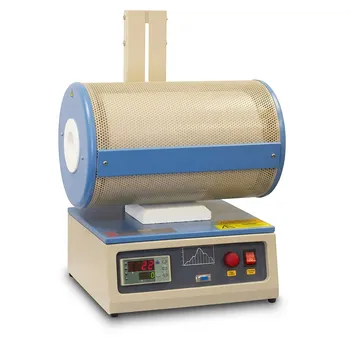
Multi Position Tube Furnace 1100C for Laboratory Material Research and Advanced Industrial Thermal Processing
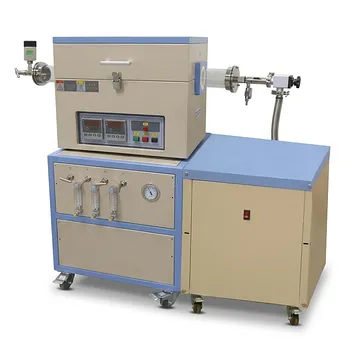
Dual Zone Quartz Tube Furnace with 80mm Diameter 1200C Max Temperature 3 Channel Gas Mixer and Vacuum Pump System
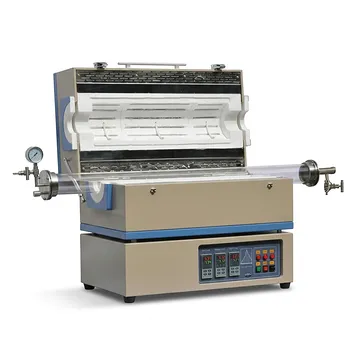
24 Inch Three Zone Split Tube Furnace with Optional Quartz Tube and Vacuum Flange System for High Temperature Material Synthesis