What is the significance of using a high-purity nitrogen atmosphere in a tube furnace for MAX phase synthesis?
Updated 3 months ago
Maintaining a high-purity nitrogen atmosphere is the critical safeguard against the unintended oxidation of chromium and aluminum during high-temperature synthesis. In a tube furnace, this inert environment displaces atmospheric oxygen, preventing the metallic precursors from forming oxides and ensuring the carbon components do not undergo oxidative combustion. This process is essential for preserving the precise crystal structure integrity and phase purity of MAX phase powders like Cr2AlC, Cr3AlC2, and Cr4AlC3.
Core Takeaway: A high-purity nitrogen atmosphere acts as both a protective shield and a carrier gas, preventing reactive metallic elements and carbon from oxidizing while maintaining the stable chemical environment necessary for the correct formation of the MAX phase lattice.
Preventing the Formation of Metallic Oxides
The Reactivity of Aluminum and Chromium
At the high temperatures required for MAX phase synthesis, aluminum and chromium exhibit a high affinity for oxygen. Without an inert barrier, these elements react instantly with air to form stable oxides rather than the desired carbide structures.
Preserving Phase Purity
When oxides form, they disrupt the stoichiometric balance required for the MAX phase. Nitrogen purging ensures that the resulting material consists of pure Cr2AlC, Cr3AlC2, or Cr4AlC3 powders rather than a contaminated mixture of metals and oxides.
Protecting Crystal Lattice Integrity
The unique layered hexagonal structure of MAX phases relies on the precise arrangement of M (metal), A (group A element), and X (carbon/nitrogen) layers. Preventing oxidation is the only way to ensure these layers bond correctly and maintain their intended mechanical and electrical properties.
Safeguarding the Carbon Component
Inhibiting Oxidative Combustion
Carbon sources are highly susceptible to "burnout" or oxidative combustion when exposed to oxygen at temperatures between 400°C and 700°C. A stable nitrogen flow ensures the carbon remains available to bond with the chromium and aluminum rather than being lost as CO2 gas.
Facilitating Thermal Rearrangement
In addition to preventing loss, the nitrogen atmosphere allows for the controlled thermal rearrangement of atoms. This environment supports the graphitization of carbon and the stabilization of the chemical potential, which are necessary for developing the material's conductivity.
Removal of Volatile Byproducts
Continuous nitrogen flow serves a mechanical purpose by acting as a carrier gas. It effectively "sweeps" away volatile byproducts like H2O, CO, and CH4 that are released during the reaction, preventing them from interfering with the synthesis or damaging the furnace.
Understanding the Trade-offs and Limitations
The Risk of Nitridation
While nitrogen is generally inert, at extremely high temperatures, there is a risk of nitrogen reacting with the chromium or aluminum to form nitrides. This can introduce impurities similar to oxidation if the temperature and exposure time are not strictly controlled.
Purity Levels and Trace Oxygen
The term "high-purity" is literal; even trace amounts of oxygen (parts per million) can cause surface oxidation on fine powders. Relying on standard-grade nitrogen rather than high-purity (99.999%) gas often leads to a noticeable decline in the quality of the MAX phase.
Gas Flow Dynamics
Setting the flow rate is a delicate balance. A flow that is too low may fail to displace oxygen entirely, while a flow that is too high can cause thermal gradients within the tube, leading to non-uniform heating of the sample.
How to Optimize Your Synthesis Environment
Practical Recommendations for Laboratory Success
- If your primary focus is Phase Purity: Use ultra-high-purity nitrogen (99.999%) and implement a pre-heating vacuum cycle to ensure all residual oxygen is evacuated before the flow begins.
- If your primary focus is Structural Integrity: Maintain a constant, metered flow (e.g., 200 mL/min) to consistently remove volatile byproducts and maintain a stable chemical potential throughout the heating and cooling phases.
- If your primary focus is Yield Optimization: Ensure the carbon source is added in slight excess if your furnace seal is aged, as this can compensate for any micro-leaks that might introduce trace oxygen.
The nitrogen atmosphere is not merely a background setting; it is a foundational reactant control that dictates the chemical viability of the Chromium Aluminum Carbon MAX phase.
Summary Table:
| Key Function | Benefit to MAX Phase Synthesis | Risk of Oxygen Exposure |
|---|---|---|
| Oxidation Prevention | Protects Cr and Al from forming stable oxides | Loss of stoichiometry and phase purity |
| Carbon Preservation | Prevents oxidative combustion of carbon sources | Loss of carbon as CO2; incomplete bonding |
| Byproduct Removal | Acts as a carrier gas to sweep away H2O and CO | Interference with synthesis and furnace damage |
| Lattice Stabilization | Ensures correct M-A-X layered arrangement | Disrupted crystal structure and conductivity |
Achieve Unmatched Phase Purity in Your Research
Precision is non-negotiable when synthesizing complex materials like MAX phases. THERMUNITS is a leading manufacturer of high-performance high-temperature laboratory equipment designed specifically for material science and industrial R&D.
Our advanced Atmosphere and Tube furnaces provide the airtight integrity and precise gas flow control required to maintain 99.999% purity environments. Whether you need Vacuum, Rotary, or Hot Press furnaces, CVD/PECVD systems, or Thermal Elements, we offer comprehensive thermal processing solutions tailored to your specific research goals.
Ready to optimize your synthesis environment? Contact our experts today to find the perfect equipment for your laboratory.
References
- Muhammad Shahbaz, Muhammad Zahid. Synthesis and characterization of chromium aluminum carbide MAX phases (CrxAlCx-1) for potential biomedical applications. DOI: 10.3389/fchem.2024.1413253
Mentioned Products
- High Temperature Tube Furnace 1500C with Sliding Flanges and 50mm OD for Rapid Thermal Processing Fast Heating and Cooling
- Vertical 1700C Vacuum and Atmosphere Tube Furnace with 80mm Alumina Tube
- Compact High Temperature 1600C Tube Furnace with 50mm Alumina Tube and Vacuum Flanges for Material Sintering
- 900°C Max Rotary Tube Furnace with 8 Inch 310S Alloy Tube and Optional Multi Zone Heating for Industrial Material Calcination
- 1100C Tube Furnace with Vacuum Flange and Programmable Temperature Controller for Material Science and Industrial Heat Treatment
People Also Ask
- How are high-temperature tube furnaces utilized to repair etching damage? Precision Lattice Restoration Solutions
- What role does a high-temperature tube furnace play in CVD synthesis of silicon nanowires? Master VLS Growth Precision.
- What core conditions does a high-temperature tube furnace provide for rGO aerogels? Mastering Precision Synthesis.
- What role does a high-temperature tube furnace play in the sulfidation heat treatment of CoS@C/MXene nanocomposites? Guide
- How does precision tube furnace control influence CoFe nanoparticle formation? Master Your Bimetallic Synthesis.

Tech Team · ThermUnits
Last updated on Jun 02, 2026
Related Products

High Temperature Tube Furnace 1500C with Sliding Flanges and 50mm OD for Rapid Thermal Processing Fast Heating and Cooling

Vertical 1700C Vacuum and Atmosphere Tube Furnace with 80mm Alumina Tube

Compact High Temperature 1600C Tube Furnace with 50mm Alumina Tube and Vacuum Flanges for Material Sintering
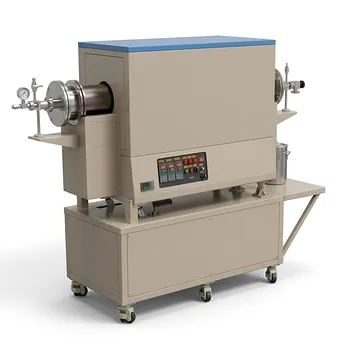
900°C Max Rotary Tube Furnace with 8 Inch 310S Alloy Tube and Optional Multi Zone Heating for Industrial Material Calcination

1100C Tube Furnace with Vacuum Flange and Programmable Temperature Controller for Material Science and Industrial Heat Treatment

High Temperature 1700C Tube Furnace with High Vacuum Turbomolecular Pump System and Multi Channel Mass Flow Controller Gas Mixer
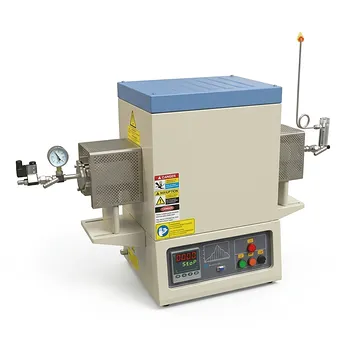
1700C Hydrogen Gas Tube Furnace with 60mm Alumina Process Tube and Integrated Hydrogen Safety Detector
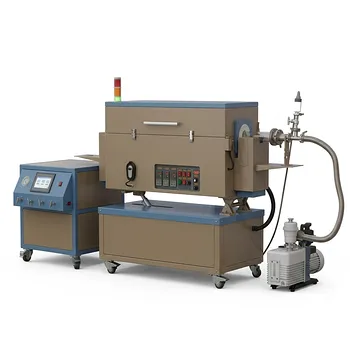
5 Inch Three Zone Rotary Tube Furnace with Integrated Gas Delivery System and 1200C Capability for Advanced Material CVD Processing

1200°C 5 Inch Vertical Quartz Tube Furnace with Stainless Steel Vacuum Flanges

High Temperature 1700C Six Zone Split Tube Furnace with Alumina Tube and Water Cooled Flanges

Compact Vertical Split Quartz Tube Furnace with Stainless Steel Vacuum Flanges for Rapid Thermal Quenching and Controlled Atmosphere Material Processing
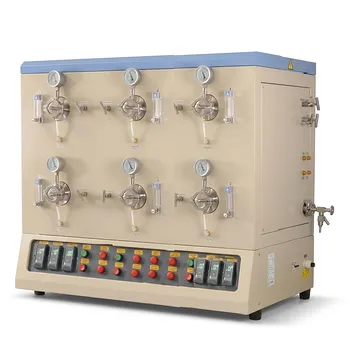
1200C High Throughput Multi Channel Tube Furnace with 50mm Quartz Tubes for Annealing and Material Phase Diagram Research

High Vacuum Compact Tube Furnace 1200C with Integrated Turbo Pump System and 8 Inch Heating Zone

High Temperature 1700C Benchtop Tube Furnace with 5 Inch Heating Zone High Purity Alumina Tube and Vacuum Sealing Flanges

1800C High Temperature Compact Vacuum Tube Furnace with 60mm OD Alumina Tube and Kanthal MoSi2 Heating Elements
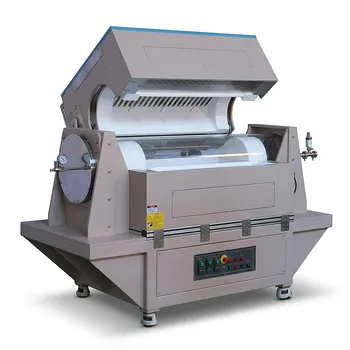
Three Zone Tube Furnace with 11 Inch or 15 Inch Quartz Tube and Hinged Flanges for Vacuum Atmosphere Heat Treatment
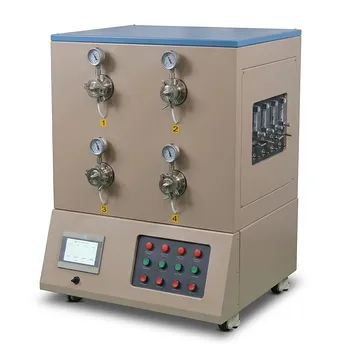
High Throughput 1200C Four Channel Tube Furnace with 3 Inch Quartz Tubes for Multi Zone Annealing and Material Research

High Temperature 1700C Vertical Tube Furnace for Powder Spherification and Material Sintering
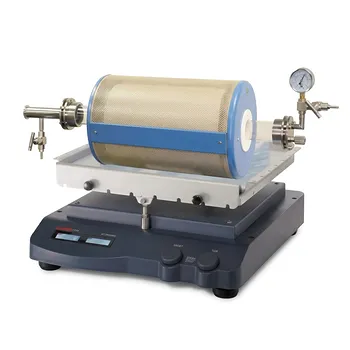
High Temperature Rocking Tube Furnace with Quartz Tube and Vacuum Flange for Materials Synthesis
