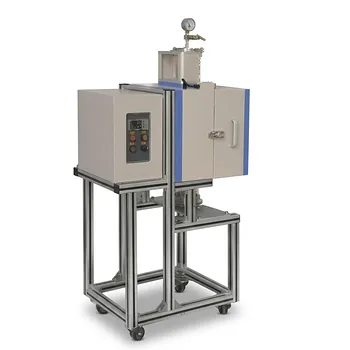
Why use a Tube Furnace for Carbonized Cuttlebone (TCB)? Role of N2 Protection and High-Temp Treatment
Updated 3 months ago
The utilization of a tube resistance furnace under nitrogen protection is the critical stage where raw cuttlebone transforms into a high-performance adsorbent. This specific thermal environment facilitates the crystalline transition of calcium carbonate while simultaneously carbonizing the organic matrix under oxygen-free conditions. Without the inert nitrogen flow, the biomass would undergo oxidative combustion, destroying the material's structural integrity and preventing the formation of carbonized cuttlebone (TCB).
The tube resistance furnace serves as a dual-purpose reactor that manages precise mineralogical phase transitions and prevents material loss through oxidative combustion. It is the essential tool for converting biological precursors into stable, porous, and chemically reactive carbonaceous materials.
Optimizing Mineralogical and Chemical Properties
The furnace provides the high-temperature environment necessary to alter the fundamental chemistry of the cuttlebone.
The Aragonite-to-Calcite Transformation
At temperatures typically exceeding 400 °C, the furnace induces a crystalline transformation of the calcium carbonate components in the cuttlebone. The initial aragonite structure shifts into a calcite phase, which is a critical requirement for functional TCB.
Enhancing Adsorption Performance
The resulting calcite crystals possess significantly stronger lead ion exchange capabilities compared to aragonite. This makes the furnace treatment indispensable for materials intended for heavy metal adsorption and water purification.
Thermal Decomposition and Carbonization
The high-temperature environment (often ranging from 500 °C to 900 °C) facilitates the deep pyrolysis of the biomass. This process converts the organic components into a conductive carbon framework while retaining the residual mineral oxides necessary for chemical activity.
The Vital Role of Nitrogen Protection
The introduction of a continuous flow of high-purity nitrogen (N2) creates an inert atmosphere that is non-negotiable for carbonization.
Prevention of Oxidative Combustion
Without nitrogen, the biomass components would react with oxygen and burn away at high temperatures. The nitrogen atmosphere displaces oxygen, ensuring the material undergoes thermal decomposition rather than combustion, thereby preserving the carbon yield.
Development of Porous Architectures
The stable gas flow within the tube furnace helps remove volatile impurities and gaseous byproducts generated during the reaction. This removal is essential for the formation of highly developed microporous and mesoporous structures, which increase the material's surface area.
Facilitating Graphitization and Conductivity
The controlled, oxygen-free environment allows for the thermal rearrangement of atoms and the graphitization of the carbon structure. This process significantly enhances the electrical conductivity and structural stability of the resulting TCB.
Understanding the Trade-offs
While a tube furnace offers superior control, there are technical limitations and variables to consider.
Gas Flow and Temperature Uniformity
If the nitrogen flow rate is too low, localized oxidation can still occur due to trace oxygen or trapped air. Conversely, excessive flow rates may lead to temperature fluctuations within the heating zone, resulting in an unevenly treated product.
Scaling and Throughput
Tube furnaces are ideal for high-precision research and small-batch production but face limitations in scaling. The narrow diameter of the tube restricts the volume of material that can be treated at once, making it a high-energy-consumption method for large-scale industrial applications.
How to Apply This to Your Project
When configuring your heat treatment process, your parameters should align with your specific material goals.
- If your primary focus is heavy metal adsorption: Prioritize a temperature profile above 400 °C to ensure a complete transition from aragonite to calcite for maximum ion exchange.
- If your primary focus is electrical conductivity: Target higher carbonization temperatures (700 °C–900 °C) to promote graphitization and the removal of non-conductive volatile matter.
- If your primary focus is high surface area: Maintain a steady nitrogen flow (e.g., 60 L/h) to effectively sweep away volatiles and prevent the clogging of developing micropores.
By precisely controlling the atmosphere and thermal energy, you transform a simple biological waste product into a sophisticated, multifunctional carbon material.
Summary Table:
| Process Parameter | Action in Tube Furnace | Key Benefit for TCB |
|---|---|---|
| Nitrogen (N2) Atmosphere | Oxygen Displacement | Prevents combustion; ensures high carbon yield and porosity. |
| Temp > 400 °C | Mineralogical Shift | Converts aragonite to calcite; boosts heavy metal adsorption. |
| Temp 500–900 °C | Deep Pyrolysis | Carbonizes organic matrix; enhances electrical conductivity. |
| Controlled Gas Flow | Volatile Removal | Sweeps away impurities; develops advanced pore structures. |
Precision Thermal Processing for Material Innovation
Are you looking to master the complex carbonization and phase transitions required for advanced materials like TCB? THERMUNITS is a leading manufacturer of high-temperature laboratory equipment specifically designed for material science and industrial R&D.
We provide a comprehensive suite of thermal solutions, including Tube Furnaces, Vacuum and Atmosphere Furnaces, CVD/PECVD systems, and Rotary Kilns, ensuring your research benefits from unmatched temperature uniformity and atmospheric purity. Whether your project involves biomass carbonization, dental ceramics, or vacuum induction melting (VIM), our equipment is engineered to deliver stable, repeatable results.
How THERMUNITS adds value to your lab:
- Expert Engineering: Specialized furnaces for precise aragonite-to-calcite transformations and graphitization.
- Full Spectrum Solutions: From Muffle furnaces and Hot Presses to high-quality Thermal Elements.
- Tailored Performance: Equipment optimized for oxygen-free environments and high-purity gas control.
Advance your research today—Contact our technical team for a customized thermal solution!
References
- Yanqing Xiong, Zhaohui He. Adsorption of Pb(Ⅱ) by cuttlebone-derived materials and its stability. DOI: 10.1051/e3sconf/202449001011
Mentioned Products
- 1200C Max Dual Sliding Tube Furnace with 50 mm Tube Flanges for CVD
- Vertical Openable Tube Furnace 0-1700c High Temperature Laboratory System for CVD and Vacuum Heat Treatment
- High Temperature 1700C Vertical Tube Furnace for Powder Spherification and Material Sintering
- High Temperature Tube Furnace 1500C with Sliding Flanges and 50mm OD for Rapid Thermal Processing Fast Heating and Cooling
- 1250C Split Tube Furnace with 3 Inch Mullite Tube and Vacuum Sealing Flanges for Precision Thermal Processing
People Also Ask
- Why is a Tube Furnace typically utilized for CVD? Achieve Precision in Graphene and 2D Material Synthesis
- CVD Tube Furnace Advantages for Pd-P Catalyst Durability: Precision Control for 40,000+ Cycles
- Why use CVD and a tube furnace for Pd3P0.95/NC catalyst phosphidation? Ensure high phase purity and performance.
- What is the function of CVD furnaces in graphene prep? Enhancing Photodetector Charge Transport
- How does a Chemical Vapor Deposition (CVD) tube furnace facilitate synchronized nitridation? Precision Nano-Engineering.

Tech Team · ThermUnits
Last updated on Jun 02, 2026
Related Products
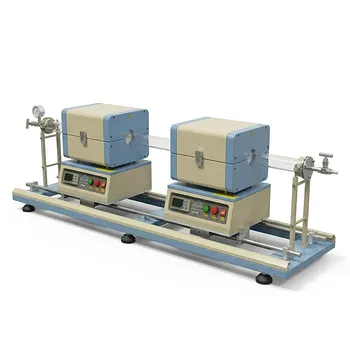
1200C Max Dual Sliding Tube Furnace with 50 mm Tube Flanges for CVD
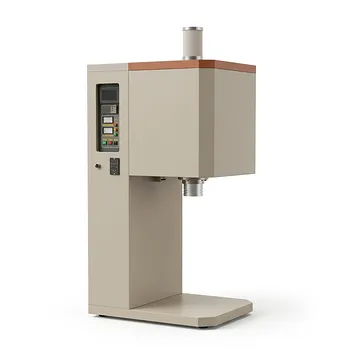
Vertical Openable Tube Furnace 0-1700c High Temperature Laboratory System for CVD and Vacuum Heat Treatment

High Temperature 1700C Vertical Tube Furnace for Powder Spherification and Material Sintering

High Temperature Tube Furnace 1500C with Sliding Flanges and 50mm OD for Rapid Thermal Processing Fast Heating and Cooling
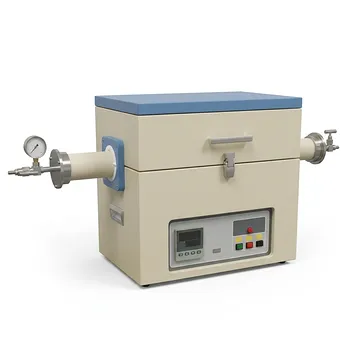
1250C Split Tube Furnace with 3 Inch Mullite Tube and Vacuum Sealing Flanges for Precision Thermal Processing
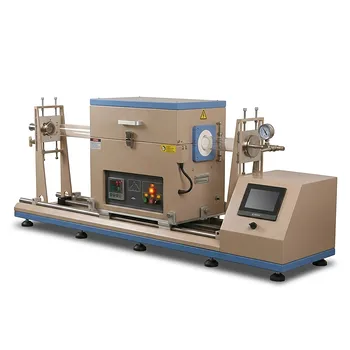
1200C Sliding Tube Furnace for Rapid Thermal Processing and CVD Graphene Growth with 100mm OD Capacity
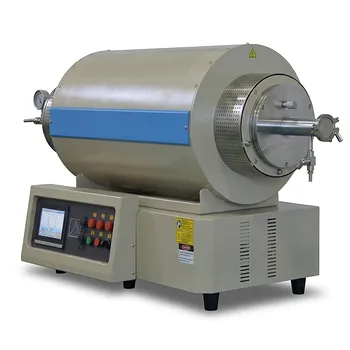
1200C Max Three Zone Tube Furnace 6 Inch OD Max with Tube and Flange

Compact High Temperature 1600C Tube Furnace with 50mm Alumina Tube and Vacuum Flanges for Material Sintering
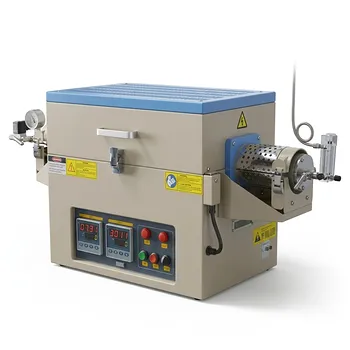
1100C Dual Zone Hydrogen Gas Tube Furnace with Quartz Tube and Integrated H2 Leak Detection System
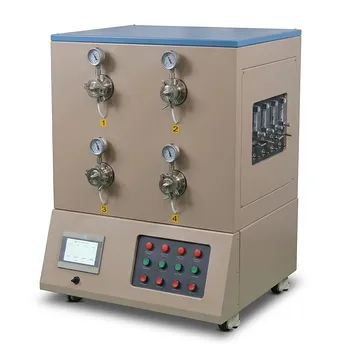
High Throughput 1200C Four Channel Tube Furnace with 3 Inch Quartz Tubes for Multi Zone Annealing and Material Research

Compact Vertical Split Quartz Tube Furnace with Stainless Steel Vacuum Flanges for Rapid Thermal Quenching and Controlled Atmosphere Material Processing
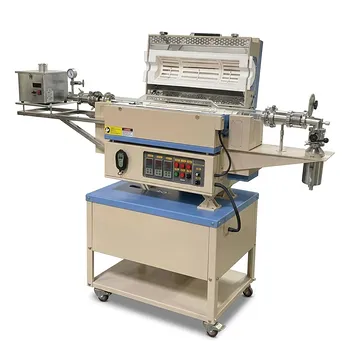
5 Inch Rotary Tube Furnace with Automatic Feeding and Receiving System 1200C Three Zone CVD Powder Processing
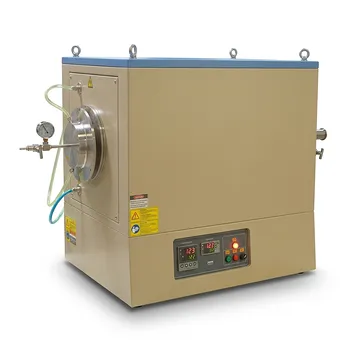
1100°C Large Diameter Quartz Tube Furnace with 24 Inch Heating Zone and Water Cooled Flanges

High Temperature Automated 5 Inch Tube Furnace for Autonomous Material Research and Advanced Laboratory R&D
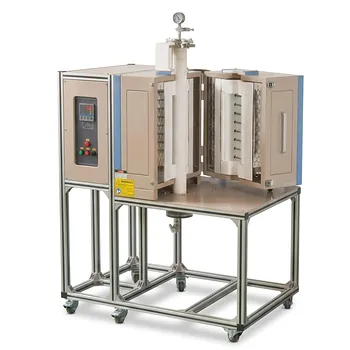
High Temperature 1700C Vertical Split Tube Furnace for Material Quenching and Single Crystal Growth
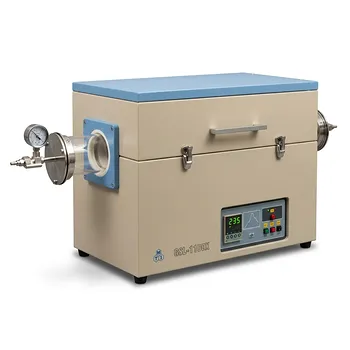
Single Zone Tube Furnace 5 Inch Quartz Tube 36 Inch Heating Zone Vacuum Flanges
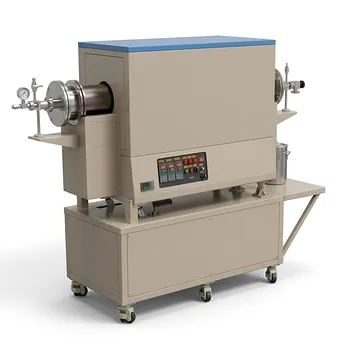
900°C Max Rotary Tube Furnace with 8 Inch 310S Alloy Tube and Optional Multi Zone Heating for Industrial Material Calcination
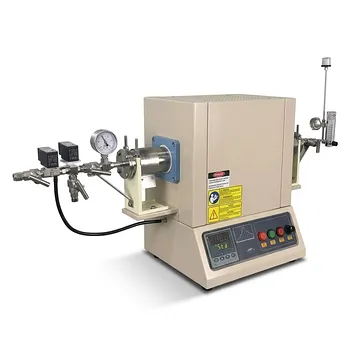
1500C Compact Hydrogen Gas Tube Furnace with 2 Inch Alumina Tube and Hydrogen Detector
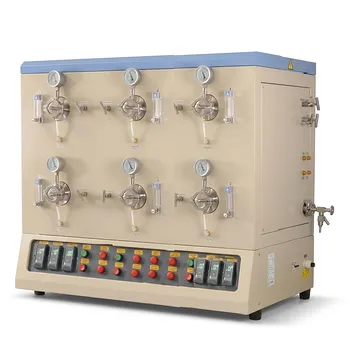
1200C High Throughput Multi Channel Tube Furnace with 50mm Quartz Tubes for Annealing and Material Phase Diagram Research