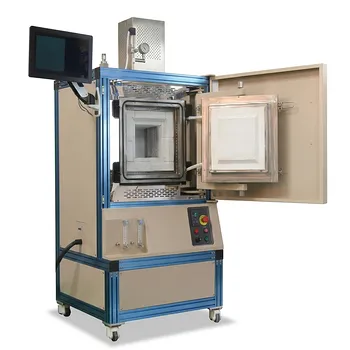
Atmosphere Annealing Furnace for Carbon Spheres: Engineering Precise Oxygen Functional Groups & Surface Chemistry
Updated 3 months ago
The atmosphere annealing furnace is primarily used for the high-temperature post-treatment of carbon spheres under a mixed hydrogen and nitrogen atmosphere. This specific environment allows for the precise adjustment of the types and concentrations of oxygen-containing functional groups on the sphere's surface, which is critical for optimizing active site exposure and selectivity in applications like electrocatalytic hydrogen peroxide synthesis.
An atmosphere annealing furnace acts as a precision chemical reactor that uses controlled thermal energy and specific gas mixtures to engineer the surface chemistry of mesoporous carbon. By manipulating the "oxygen landscape" of the carbon skeleton, it transforms a raw material into a highly selective catalyst.
Surface Chemistry Engineering through Thermal Treatment
Precision Tuning of Oxygen Functional Groups
The fundamental application of the furnace is the refinement of the carbon sphere’s surface chemistry. By heating the material in a controlled atmosphere, the furnace facilitates specific chemical reactions that selectively remove or transform existing oxygen groups.
This process allows researchers to reach an optimal balance of functional groups, which directly impacts how the material interacts with reactants. In electrocatalysis, this tuning is the difference between a highly efficient reaction and one that fails to produce the desired output.
The Role of the Reducing Atmosphere
The use of a mixed hydrogen (H2) and nitrogen (N2) atmosphere is essential for the reduction process. The hydrogen acts as a reducing agent that reacts with surplus oxygen at high temperatures, while the nitrogen provides an inert background to prevent uncontrolled combustion.
This gaseous environment ensures that the reduction is uniform across all mesoporous spheres. Without this specific atmospheric control, the carbon surface would likely oxidize or degrade, losing the specific properties required for catalysis.
Structural Evolution and Pore Development
Template Removal and Carbonization
Beyond surface chemistry, the furnace provides the stable heating environment necessary for one-step pyrolysis. It enables the thermal decomposition of surfactant templates and the carbonization of polymer precursors.
This step is what defines the "mesoporous" nature of the spheres. By providing precise temperature ramps, the furnace ensures the polymer template is removed without collapsing the delicate internal pore structure of the carbon.
In-Situ Reduction and Graphitization
In more complex synthesis, such as those involving metal-phenolic networks, the furnace induces the in-situ reduction of metal ions. This allows for the uniform distribution of nanoparticles (like Fe3O4) within the carbon matrix.
The high-temperature environment also promotes the development of a highly graphitized carbon skeleton. This graphitization improves the electrical conductivity of the material, which is a prerequisite for effective electrocatalytic performance.
Understanding the Trade-offs
Temperature Sensitivity vs. Structural Integrity
While higher temperatures generally improve graphitization and conductivity, they also risk collapsing the mesoporous structure. If the furnace temperature exceeds the stability threshold of the carbon framework, the surface area will drop significantly.
Functional Group Loss vs. Activity
There is a delicate trade-off between removing enough oxygen to improve conductivity and retaining enough specific functional groups to act as active sites. Over-annealing can lead to a "clean" but catalytically inert carbon surface.
Atmosphere Purity and Contamination
The effectiveness of the annealing process is entirely dependent on the purity of the H2/N2 mix. Trace amounts of oxygen or moisture in the furnace chamber can lead to unintended side reactions, resulting in inconsistent batches of carbon spheres.
How to Apply This to Your Project
Making the Right Choice for Your Goal
The use of an atmosphere annealing furnace should be dictated by your specific material requirements and the intended application of the carbon spheres.
- If your primary focus is maximizing catalytic selectivity: Use the furnace to perform a low-to-medium temperature post-treatment in a reducing atmosphere to carefully prune surface oxygen groups.
- If your primary focus is enhancing electrical conductivity: Prioritize higher temperature settings (e.g., up to 800°C) to facilitate a higher degree of graphitization within the carbon skeleton.
- If your primary focus is maintaining a high surface area: Ensure precise control over the temperature ramp rates and hold times to prevent the sintering or collapse of the mesoporous channels.
By mastering the balance between thermal energy and atmospheric chemistry, you can transform simple carbon precursors into sophisticated, high-performance catalyst carriers.
Summary Table:
| Process Phase | Function of Atmosphere Furnace | Impact on Carbon Spheres |
|---|---|---|
| Surface Engineering | Selective H2/N2 reduction of oxygen groups | Optimizes catalytic active sites |
| Pyrolysis | Thermal decomposition of surfactant templates | Maintains uniform mesoporous structure |
| Graphitization | High-temp treatment (up to 800°C+) | Enhances electrical conductivity |
| In-Situ Reduction | Controlled environment for metal ion reduction | Ensures uniform nanoparticle distribution |
Elevate Your Material Research with THERMUNITS Precision Furnaces
Are you looking to achieve the precise atmospheric control required for engineering advanced carbon catalysts? THERMUNITS is a leading manufacturer of specialized high-temperature laboratory equipment designed for the most demanding material science and industrial R&D applications.
Our thermal processing solutions provide the stability and precision you need to master surface chemistry:
- Atmosphere & Vacuum Furnaces: Perfect for H2/N2 reduction and oxygen group tuning.
- Comprehensive Range: We offer Muffle, Tube, Rotary, and Hot Press furnaces, alongside CVD/PECVD systems and Electric Rotary Kilns.
- Expert Support: From dental furnaces to vacuum induction melting (VIM) systems, we help you select the right equipment to ensure structural integrity and high conductivity in your materials.
Ready to optimize your heat treatment process? Contact our technical experts today to find the perfect solution for your lab!
References
- Qiang Tian, Jinlong Yang. Mesoporous carbon spheres with programmable interiors as efficient nanoreactors for H2O2 electrosynthesis. DOI: 10.1038/s41467-024-45243-w
Mentioned Products
- Rapid Thermal Processing Atmosphere Controlled Bottom Loading Furnace 1100C with 50C Per Second Heating Rate for Wafer Annealing
- High Temperature Vertical Atmosphere Controlled Furnace with Automatic Bottom Loading and 1700°C Capacity for Advanced Material Research
- Rapid Thermal Processing Furnace 1100C Atmosphere Controlled Bottom Loading RTP System for Wafer Annealing and Catalysis Research
- Compact Atmosphere Controlled Rapid Thermal Processing RTP Furnace with 4 Inch ID Quartz Tube 1100C
- Roller Table Atmosphere Furnace 1500C High Temperature Battery Material Sintering System 112L Capacity
People Also Ask
- What role does a SiC-coated graphite susceptor play in H2Se selenization? Boost RTP Thermal Uniformity & Film Purity.
- What are the advantages of using a Bottom-Loading High-Temperature Furnace in Barium Titanate Fast Firing? Superior Microstructure
- What are the functional advantages of an RTP system for surface deposition? Enhance Heterojunction Interface Integrity
- Why is an atmosphere-controlled annealing furnace required for the post-treatment of synthesized KTiOPO4 thin films? KTP
- What is the purpose of coating ceramic sheets with platinum paste? Achieve Stable High-Temp Ohmic Contacts

Tech Team · ThermUnits
Last updated on Jun 03, 2026
Related Products
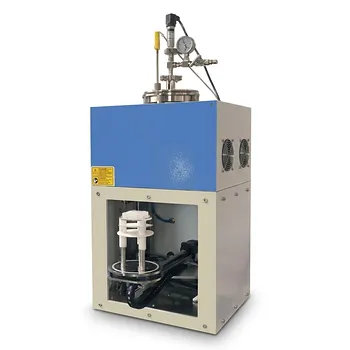
Rapid Thermal Processing Atmosphere Controlled Bottom Loading Furnace 1100C with 50C Per Second Heating Rate for Wafer Annealing
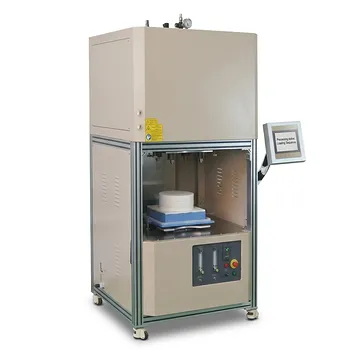
High Temperature Vertical Atmosphere Controlled Furnace with Automatic Bottom Loading and 1700°C Capacity for Advanced Material Research
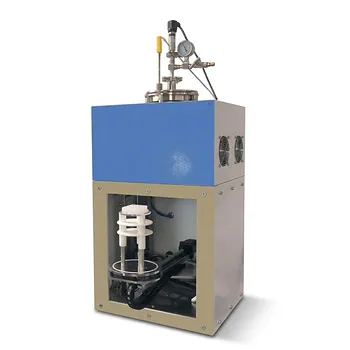
Rapid Thermal Processing Furnace 1100C Atmosphere Controlled Bottom Loading RTP System for Wafer Annealing and Catalysis Research
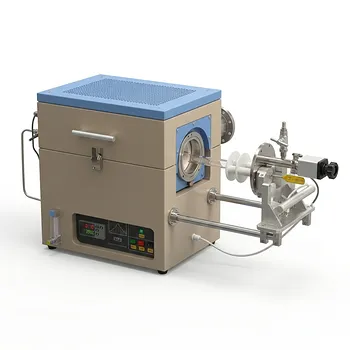
Compact Atmosphere Controlled Rapid Thermal Processing RTP Furnace with 4 Inch ID Quartz Tube 1100C
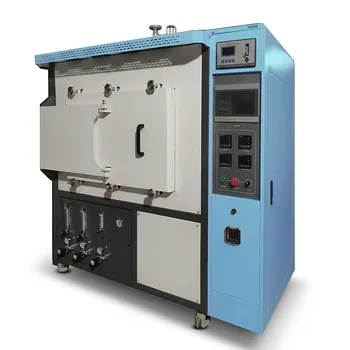
Roller Table Atmosphere Furnace 1500C High Temperature Battery Material Sintering System 112L Capacity
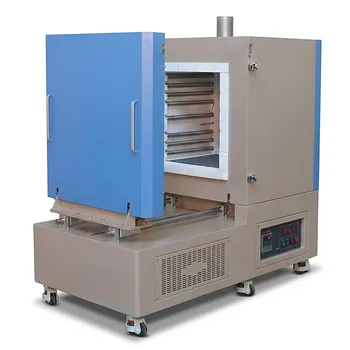
1200C Five Side Heating Muffle Furnace with Sliding Door 125L Volume High Temperature Heat Treatment System for Large Scale Sintering and Annealing
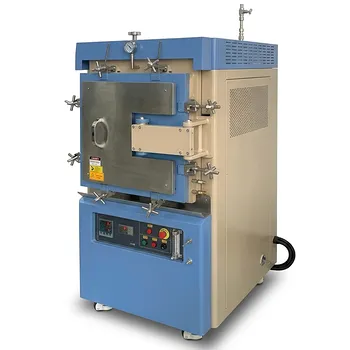
Atmosphere Controlled Muffle Furnace 1700C Maximum Temperature 80L High Capacity Vacuum Inert Gas Box Furnace
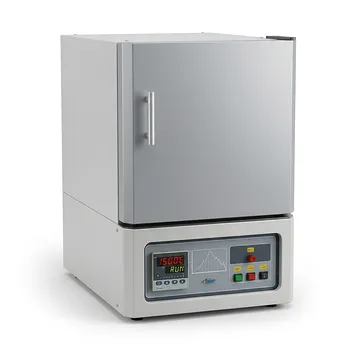
High Temperature 1500C Benchtop Muffle Furnace 3.6L Alumina Fiber Chamber Programmable Controller Sintering Annealing Carbonization Thermal Processing System
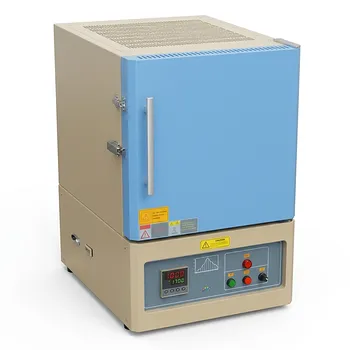
Large Bench Top 1700C High Temperature Muffle Furnace with 19L Chamber for Advanced Material Sintering and Annealing
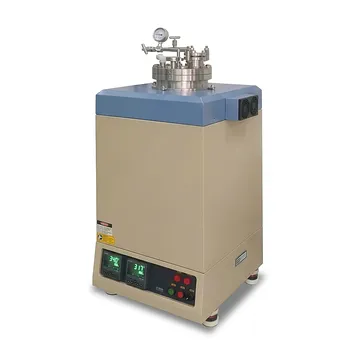
High Temperature 1000C Vacuum Furnace with 8 Inch ID Chamber for Material Sintering and Research Annealing
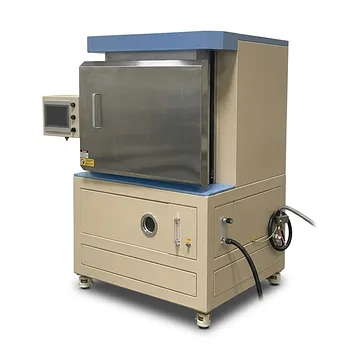
1650C High Temperature Atmosphere Controlled Box Furnace with 65L Chamber for Advanced Material Sintering and Industrial Heat Treatment
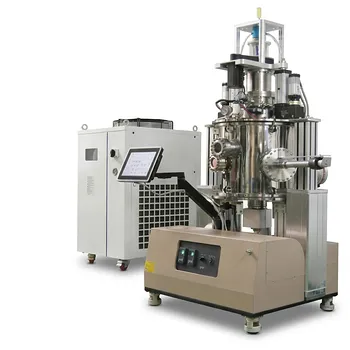
950C Rapid Thermal Processing Furnace for 12 Inch Wafer CSS Coating with Rotating Substrate Holder
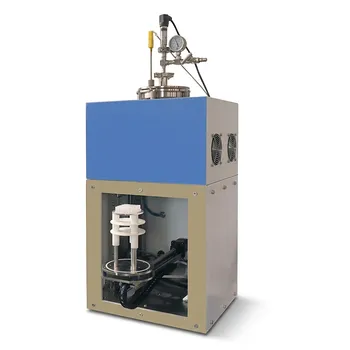
Rapid Thermal Processing RTP Atmosphere Controlled Bottom Loading Furnace 1100C High Throughput 50C per Second Heating Rate
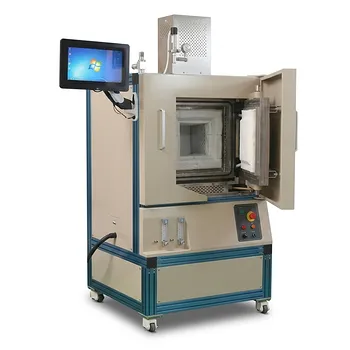
High Temperature Oxygen and Inert Atmosphere Controlled Furnace 8 Liter 1700C Sintering System for Advanced Materials RD
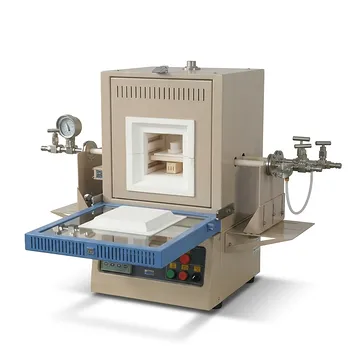
1700C Compact Hybrid Furnace with Dual Layer Box Sintering and Controlled Atmosphere Alumina Tubes
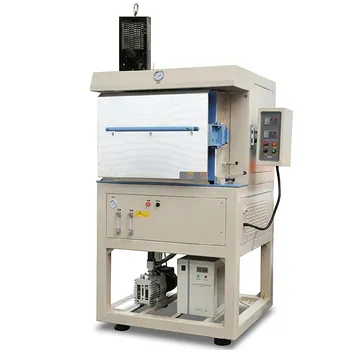
1200C Hydrogen Atmosphere Box Furnace with 5 Heated Sides and 64L Chamber
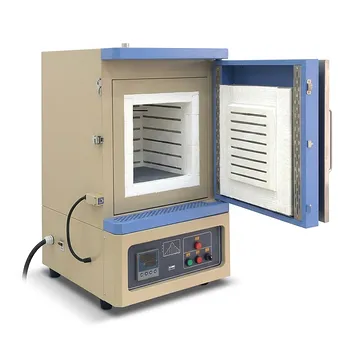
Five Side Heating Muffle Furnace High Purity Alumina Fiber 27L Chamber 1200C High Temperature Thermal Processing System for Sintering Annealing and Materials Research

Vertical 1700C Vacuum and Atmosphere Tube Furnace with 80mm Alumina Tube

1200C High Throughput Multi Channel Tube Furnace with 50mm Quartz Tubes for Annealing and Material Phase Diagram Research