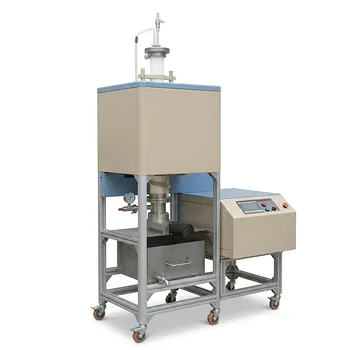
What is the technical necessity of using high-purity quartz tubes? Ensure Purity & Precision in High-Heat R&D
Updated 3 months ago
High-purity quartz tubes serve as the critical interface between extreme thermal energy and controlled chemical environments. They are technically necessary because they combine high-temperature gas-tightness with optical transparency and chemical inertness, allowing for the precise simulation of oxidative scenarios—ranging from inert pyrolysis to over-ventilated combustion—without contaminating the reaction.
The technical necessity of high-purity quartz lies in its ability to isolate a sample's atmosphere while remaining invisible to both radiant heat and chemical erosion. This ensures that experimental results are a direct product of the sample's reaction, not a side effect of the containment material.
Atmospheric Isolation and Precise Environment Definition
Defining the Oxidative Scenario
High-purity quartz tubes allow researchers to define the specific oxidative environment during heat treatment. By introducing precise gas mixtures, such as oxygen concentrations of 0%, 10%, or 20.9%, the tube facilitates the simulation of diverse fire scenarios with high accuracy.
Maintaining Gas-Tight Integrity
The material ensures high-temperature gas-tightness, which is essential for excluding unwanted air or moisture. This vacuum-compatible sealing capability prevents the accidental oxidation of precursors and ensures that the internal gas flow remains identical to the intended experimental parameters.
Isolation of Corrosive Byproducts
Processes involving vegetation decomposition or chemical synthesis often release corrosive gases like HCl, phosphorus, or sulfur vapors. Quartz effectively resists erosion from these substances, ensuring that the tube remains a passive container rather than a participant in the corrosion process.
Optical Transparency and Energy Transmission
Unimpeded Radiative Heat Transfer
The high transparency of quartz ensures that radiant energy from external lamps is transmitted to the sample with minimal loss. This allows for rapid and precise temperature control, as the heat source does not have to struggle against a reflective or opaque barrier.
Real-Time Visual Documentation
Because quartz is clear, it allows for high-resolution video recording and real-time observation of physical changes on the material surface. This is vital for documenting the transport status of materials or the degradation of fuels during a combustion event.
Minimizing Thermal Interference
Quartz does not absorb excessive energy, which prevents the tube itself from becoming a secondary heat reservoir that could skew thermal stability data. This characteristic ensures that the sample experiences only the intended thermal profile.
Chemical Purity and Thermal Resilience
Eliminating Side Reactions
High-purity quartz is elected for its chemical inertness, meaning it will not engage in secondary chemical reactions with complex organic smoke or active precursors. This guarantees that collected gas samples or synthesized nanostructures (like carbon nanotubes) are not contaminated by secondary reaction products.
Prevention of Ion Leaching
Unlike lower-grade glassware, high-purity quartz does not release impurity ions, metals, or metal oxides into the reaction environment. This is critical for maintaining the electronic transfer characteristics of synthesized interfaces and the overall purity of single crystals.
Resistance to Thermal Shock
Controlled combustion often involves rapid heating and cooling cycles. Quartz possesses superior thermal shock resistance, allowing it to withstand temperatures exceeding 1000°C and sudden temperature swings without cracking or losing structural integrity.
Understanding the Technical Trade-offs
Physical Fragility and Handling
Despite its thermal toughness, quartz is physically brittle and highly susceptible to breakage from mechanical impact. Technicians must handle these components with extreme care, as even minor scratches can become failure points under high-pressure or high-vacuum conditions.
Surface Contamination and Devitrification
Quartz is vulnerable to devitrification—a process where the glass turns back into a crystalline state—if handled with bare hands. Fingerprints leave behind alkaline salts that, when heated, trigger a surface reaction that makes the tube opaque and structurally weak.
Temperature Limitations versus Alumina
While quartz is excellent up to approximately 1100°C–1200°C, it may begin to soften or sag if held at these temperatures for extended periods under its own weight. For processes requiring temperatures consistently above 1200°C, more opaque materials like alumina are often required, sacrificing visibility for structural rigidity.
Making the Right Choice for Your Goal
To ensure your process maintains the highest level of integrity, select your containment material based on your primary experimental objective:
- If your primary focus is visual documentation or radiative heating: Utilize high-purity quartz to ensure maximum transparency and minimal energy loss during the process.
- If your primary focus is the synthesis of high-purity electronics or nanostructures: Stick to high-purity quartz to prevent the leaching of metallic impurity ions into your sample.
- If your primary focus is extreme high-temperature stability (above 1200°C): Consider ceramic alternatives like alumina, while acknowledging the loss of optical transparency.
The selection of high-purity quartz is a fundamental requirement for any researcher demanding absolute control over the purity and atmosphere of a high-temperature reaction environment.
Summary Table:
| Key Feature | Technical Necessity | Benefit to Research |
|---|---|---|
| Atmospheric Isolation | High gas-tightness & vacuum seal | Prevents oxidation; allows precise control of gas mixtures. |
| Optical Transparency | Minimal energy absorption | Enables real-time visual recording and efficient radiative heating. |
| Chemical Inertness | Resistance to ion leaching | Guarantees no secondary reactions or contamination of samples. |
| Thermal Resilience | High thermal shock resistance | Maintains structural integrity during rapid heating/cooling cycles. |
Elevate Your Material Synthesis with THERMUNITS
Precision in material science begins with the right thermal environment. As a leading manufacturer of high-temperature laboratory equipment, THERMUNITS provides researchers and industrial R&D teams with high-performance solutions designed for accuracy and durability.
Our comprehensive range includes:
- Atmosphere & Vacuum Furnaces (Muffle, Tube, Rotary, and Hot Press)
- Advanced Synthesis Systems (CVD/PECVD systems, Vacuum Induction Melting)
- Specialized Equipment (Dental Furnaces, Electric Rotary Kilns, and Thermal Elements)
Whether you are performing complex combustion simulations or synthesizing high-purity nanostructures, our expert team is here to help you select the ideal furnace and high-purity quartz components for your application.
Contact THERMUNITS Today to Optimize Your Heat Treatment Workflow!
References
- Jonathan Reep, Rory M. Hadden. Identifying the different processes occurring during the steady state charring of solids. DOI: 10.1088/1742-6596/2885/1/012023
Mentioned Products
- 1200C Four Zone Split Tube Furnace with Touch Screen Control and High Purity Quartz Tube and Vacuum Sealing Flanges
- 1100°C High Temperature Quartz Chamber Furnace 8 Inch OD with 7.6 Liter Capacity and Vacuum Atmosphere Capability
- High Throughput 1200C Four Channel Tube Furnace with 3 Inch Quartz Tubes for Multi Zone Annealing and Material Research
- 1200°C 5 Inch Vertical Quartz Tube Furnace with Stainless Steel Vacuum Flanges
- 1100°C Large Diameter Quartz Tube Furnace with 24 Inch Heating Zone and Water Cooled Flanges
People Also Ask
- What are the functions of a high-purity quartz tube in IF-MoS2 sulfurization? Ensure Purity and Precise Thermal Control
- What are the primary functions of a high-purity quartz tube furnace during the molten salt treatment of MXene? Expert Guide
- What are the technical advantages of using a multi-zone independently controlled tube furnace in the modified USP process?
- Why is a quartz tube furnace necessary for phosphorus-doped MoS2/GO preparation? Ensure Purity & Precise Synthesis
- What role does a single-temperature zone quartz tube furnace play in the growth of monolayer MoS2? Optimize 2D Synthesis

Tech Team · ThermUnits
Last updated on Jun 03, 2026
Related Products
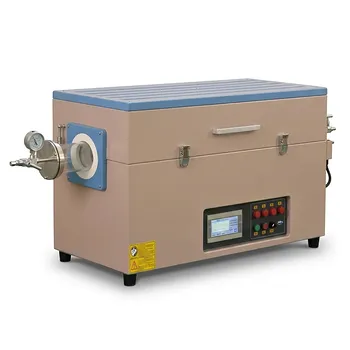
1200C Four Zone Split Tube Furnace with Touch Screen Control and High Purity Quartz Tube and Vacuum Sealing Flanges
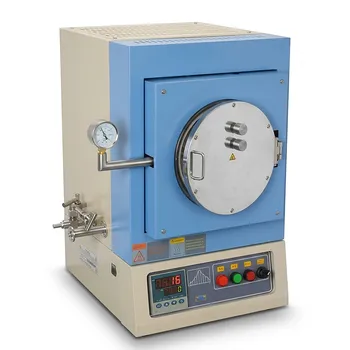
1100°C High Temperature Quartz Chamber Furnace 8 Inch OD with 7.6 Liter Capacity and Vacuum Atmosphere Capability
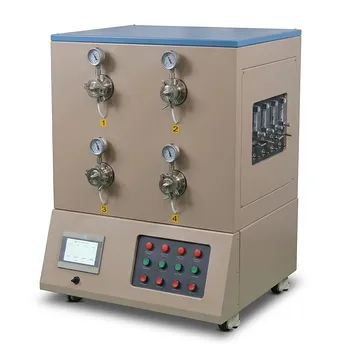
High Throughput 1200C Four Channel Tube Furnace with 3 Inch Quartz Tubes for Multi Zone Annealing and Material Research
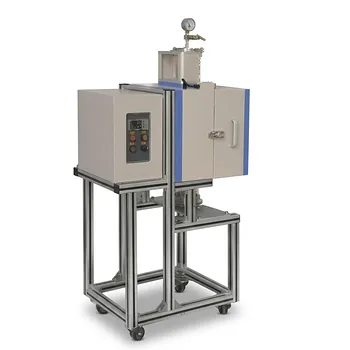
1200°C 5 Inch Vertical Quartz Tube Furnace with Stainless Steel Vacuum Flanges
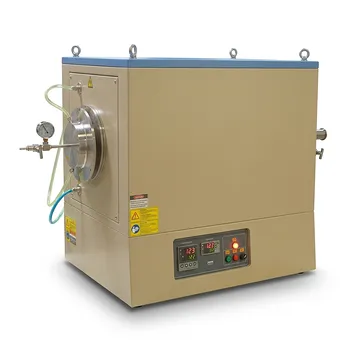
1100°C Large Diameter Quartz Tube Furnace with 24 Inch Heating Zone and Water Cooled Flanges
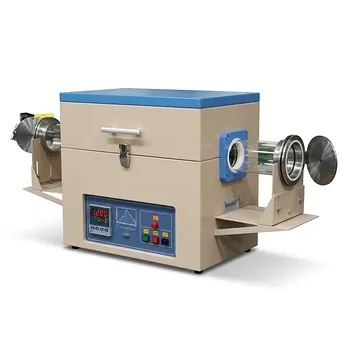
High Temperature 1200C Split Tube Furnace with Hinged Vacuum Flanges and 4 Inch Quartz Tube for Laboratory Research
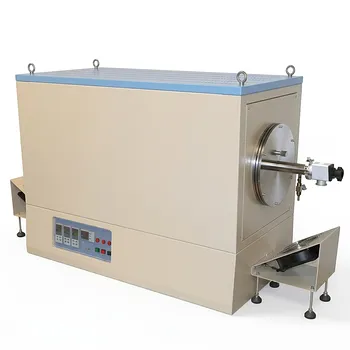
1100°C Three Zone Tube Furnace with 8.5 to 11 Inch OD Quartz Tube and Vacuum Flanges for Large Wafer Processing
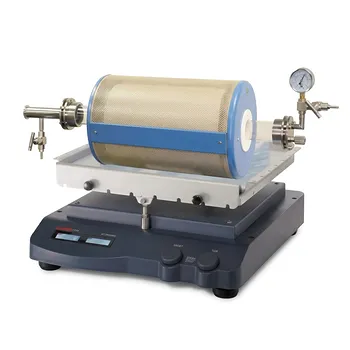
High Temperature Rocking Tube Furnace with Quartz Tube and Vacuum Flange for Materials Synthesis

High Temperature Automated 5 Inch Tube Furnace for Autonomous Material Research and Advanced Laboratory R&D
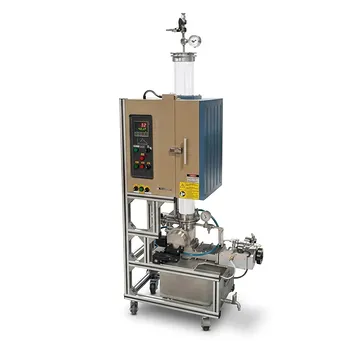
1200C High Temperature Atmosphere Controlled Vertical Quenching Tube Furnace with 4 Inch Quartz Tube
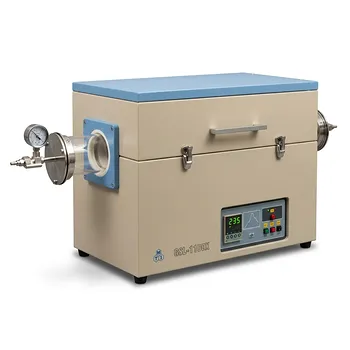
Single Zone Tube Furnace 5 Inch Quartz Tube 36 Inch Heating Zone Vacuum Flanges
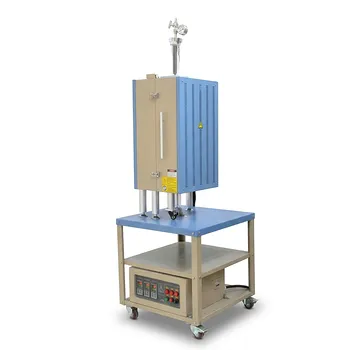
1200C Three Zone Vertical Tube Furnace with 2 Inch Quartz Tube and Vacuum Flanges
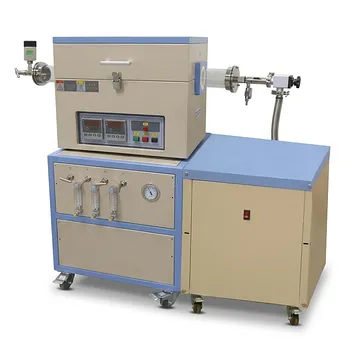
Dual Zone Quartz Tube Furnace with 80mm Diameter 1200C Max Temperature 3 Channel Gas Mixer and Vacuum Pump System

Compact Vertical Split Quartz Tube Furnace with Stainless Steel Vacuum Flanges for Rapid Thermal Quenching and Controlled Atmosphere Material Processing
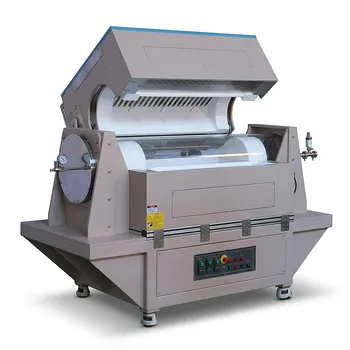
Three Zone Tube Furnace with 11 Inch or 15 Inch Quartz Tube and Hinged Flanges for Vacuum Atmosphere Heat Treatment
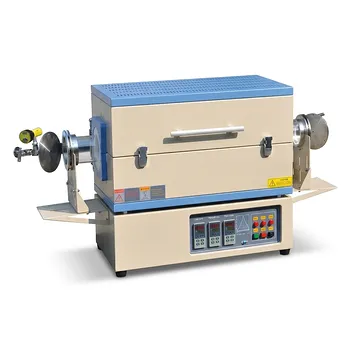
Three Zone Tube Furnace with 24 Inch Heating Length and Hinged Flange Quartz Tube System
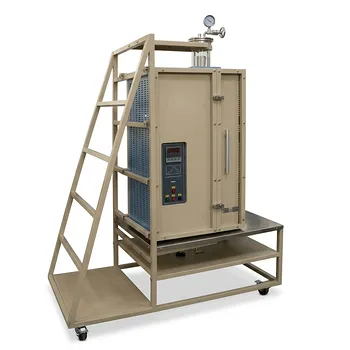
Split Vertical Tube Furnace with 1200C Quartz Tube and Stainless Steel Vacuum Flanges for Rapid Thermal Processing
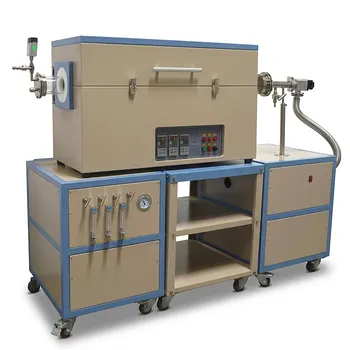
Three Zone Quartz Tube Furnace with 3 Channel Gas Mixer Vacuum Pump and Anti Corrosive Vacuum Gauge
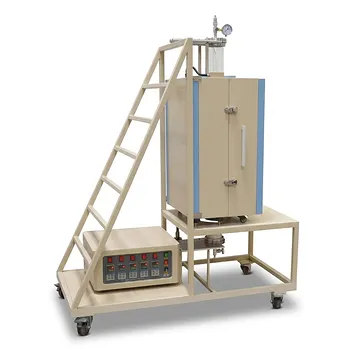
Five Zone Split Vertical Tube Furnace 1200C Max with 4 Inch Quartz Tube and Stainless Steel Vacuum Flanges