What key process conditions does a tube furnace provide during the synthesis of Fe/BC? Master Precise Thermal Control
Updated 3 months ago
To synthesize iron-based biochar composites (Fe/BC) via impregnation pyrolysis, a tube furnace provides a strictly oxygen-free environment, precise thermal regulation, and controlled gas dynamics. These conditions are essential for the simultaneous carbonization of the biomass substrate and the magnetization of iron ions into a stable, functional composite.
The tube furnace acts as a precision reactor that prevents combustion while enabling the chemical restructuring of biomass and iron precursors. By controlling temperature, time, and atmosphere, it dictates the final material's magnetic strength and internal pore architecture.
Achieving an Inert Atmosphere for Magnetization
The primary role of the tube furnace is to maintain a strictly oxygen-free or anaerobic environment. This is typically achieved by sealing the furnace and introducing protective shielding gases such as nitrogen (N₂) or argon (Ar).
Preventing Biomass Combustion
Without a sealed environment, biomass would simply burn into ash when exposed to high heat. The tube furnace ensures that thermochemical degradation occurs instead of combustion, allowing organic ligands to transform into a conductive carbon network.
Facilitating Iron Ion Magnetization
The oxygen-free environment is critical for the iron ion magnetization process. By excluding oxygen, the furnace prevents the formation of unwanted non-magnetic iron oxides and ensures the iron is correctly loaded onto the biochar substrate to provide magnetic properties.
Precision Thermal Programming
A tube furnace allows for the meticulous control of the heating profile, which is the most significant factor in determining the quality of the Fe/BC composite.
Regulating Pyrolysis Temperature
The furnace can maintain constant temperatures, often ranging from 400°C to 1100°C, depending on the desired characteristics. Precise temperature control is necessary to induce the molecular-level collapse and restructuring of precursors into stable graphitic or amorphous carbon frameworks.
Controlling the Heating Rate
Modern furnaces allow researchers to set specific heating rates, such as 10°C/min. A controlled rate of temperature increase ensures uniform heating and facilitates the complex cracking and polymerization required for high-quality biochar.
Managing Residence and Dwell Time
The "dwell time"—the duration the material stays at the peak temperature—is strictly regulated by the furnace. This duration, often lasting several hours, determines the extent of volatile matter removal and the final stability of the iron-carbon bond.
Control of Gas Dynamics and Volatiles
Beyond temperature, the physical movement of gases within the furnace tube influences the physical structure of the resulting composite.
Regulating Protective Gas Flow Rates
The furnace allows for the precise adjustment of gas flow rates. This flow ensures a constant supply of inert atmosphere and helps sweep away volatile gases released during the decomposition of hemicellulose, cellulose, and lignin.
Optimization of Pore Structure
The interaction between the gas flow and the heating program directly impacts the pore structure of the biochar. By fine-tuning these conditions, the furnace enables the development of high-surface-area materials that are ideal for adsorption and catalysis.
Understanding the Trade-offs
While higher temperatures and longer residence times can improve the carbon content and stability of the composite, they often come with significant trade-offs.
Surface Area vs. Structural Integrity
Extreme temperatures (above 800°C) can promote the rearrangement of carbon structures but may also lead to the collapse of micropores, potentially reducing the overall surface area. This can decrease the material's effectiveness in certain environmental applications.
Energy Consumption vs. Yield
Slower heating rates and longer dwell times provide more uniform product quality but significantly increase energy consumption and production costs. Additionally, excessively high temperatures can lead to the over-mineralization of the biochar, reducing the yield of the solid carbon fraction.
How to Apply These Conditions to Your Project
To achieve the best results when synthesizing Fe/BC composites, you must align your furnace settings with your specific application goals.
- If your primary focus is Maximum Magnetism: Prioritize a strictly sealed environment with high-purity argon and ensure the iron impregnation ratio is balanced with a peak temperature that favors magnetic phase formation.
- If your primary focus is High Adsorption Capacity: Utilize a moderate pyrolysis temperature (400°C–600°C) and a steady heating rate to preserve the intricate pore structure of the biomass.
- If your primary focus is Electrocatalytic Performance: Opt for high-temperature pyrolysis (up to 1000°C) to facilitate the formation of conductive carbon networks and stable iron-nitrogen active sites.
By mastering the thermal and atmospheric precision of the tube furnace, you can transform simple biomass into a high-performance, multifunctional magnetic composite.
Summary Table:
| Parameter | Ideal Condition | Impact on Fe/BC Synthesis |
|---|---|---|
| Atmosphere | Anaerobic (N₂ or Ar) | Prevents combustion; enables iron ion magnetization |
| Temperature | 400°C – 1100°C | Dictates carbonization level and magnetic phase |
| Heating Rate | Precise (e.g., 10°C/min) | Ensures uniform heating and prevents pore collapse |
| Gas Flow | Regulated flow rates | Removes volatiles; optimizes internal pore architecture |
Elevate Your Material Research with THERMUNITS
As a leading manufacturer of high-temperature laboratory equipment, THERMUNITS provides the precision thermal processing solutions essential for advanced material science and industrial R&D. Our state-of-the-art Tube Furnaces, CVD/PECVD systems, and Vacuum Furnaces are engineered to deliver the strictly controlled atmospheres and meticulous heating profiles required for high-performance iron-based biochar (Fe/BC) synthesis.
Why Partner with THERMUNITS?
- Comprehensive Range: From Muffle and Rotary furnaces to Hot Press and Vacuum Induction Melting (VIM) systems, we cover every thermal need.
- Precision & Reliability: Achieve repeatable results with industry-leading temperature and gas dynamics control.
- Tailored for R&D: Designed specifically for researchers focusing on catalysts, energy storage, and environmental materials.
Ready to enhance your lab's efficiency and material quality? Contact us today to discuss your custom furnace requirements!
References
- Luping Xu, Yang Zhang. Research Progress in Remediation of Heavy Metal Pollution by Iron-based Biochar Composites. DOI: 10.32629/aes.v5i2.2279
Mentioned Products
- High Temperature Tube Furnace 1500C with Sliding Flanges and 50mm OD for Rapid Thermal Processing Fast Heating and Cooling
- Vertical 1700C Vacuum and Atmosphere Tube Furnace with 80mm Alumina Tube
- 1100C Tube Furnace with Vacuum Flange and Programmable Temperature Controller for Material Science and Industrial Heat Treatment
- Compact High Temperature 1600C Tube Furnace with 50mm Alumina Tube and Vacuum Flanges for Material Sintering
- 900°C Max Rotary Tube Furnace with 8 Inch 310S Alloy Tube and Optional Multi Zone Heating for Industrial Material Calcination
People Also Ask
- How are high-temperature tube furnaces utilized to repair etching damage? Precision Lattice Restoration Solutions
- What role does a high-temperature tube furnace play in CVD synthesis of silicon nanowires? Master VLS Growth Precision.
- What core conditions does a high-temperature tube furnace provide for rGO aerogels? Mastering Precision Synthesis.
- What role does a high-temperature tube furnace play in the sulfidation heat treatment of CoS@C/MXene nanocomposites? Guide
- How does precision tube furnace control influence CoFe nanoparticle formation? Master Your Bimetallic Synthesis.

Tech Team · ThermUnits
Last updated on Jun 02, 2026
Related Products

High Temperature Tube Furnace 1500C with Sliding Flanges and 50mm OD for Rapid Thermal Processing Fast Heating and Cooling

Vertical 1700C Vacuum and Atmosphere Tube Furnace with 80mm Alumina Tube

1100C Tube Furnace with Vacuum Flange and Programmable Temperature Controller for Material Science and Industrial Heat Treatment

Compact High Temperature 1600C Tube Furnace with 50mm Alumina Tube and Vacuum Flanges for Material Sintering
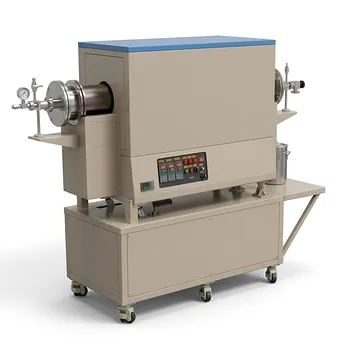
900°C Max Rotary Tube Furnace with 8 Inch 310S Alloy Tube and Optional Multi Zone Heating for Industrial Material Calcination

1700C Hydrogen Gas Tube Furnace with 60mm Alumina Process Tube and Integrated Hydrogen Safety Detector

High Temperature 1700C Tube Furnace with High Vacuum Turbomolecular Pump System and Multi Channel Mass Flow Controller Gas Mixer

5 Inch Three Zone Rotary Tube Furnace with Integrated Gas Delivery System and 1200C Capability for Advanced Material CVD Processing

Three Zone Tube Furnace with 11 Inch or 15 Inch Quartz Tube and Hinged Flanges for Vacuum Atmosphere Heat Treatment

1200C High Throughput Multi Channel Tube Furnace with 50mm Quartz Tubes for Annealing and Material Phase Diagram Research

1200°C 5 Inch Vertical Quartz Tube Furnace with Stainless Steel Vacuum Flanges
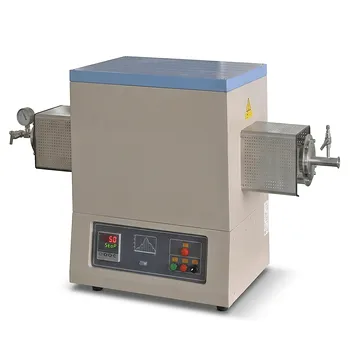
High Temperature 1700C Tube Furnace with 4 Inch OD Alumina Tube and Vacuum Sealing Flanges

High Temperature 1700C Benchtop Tube Furnace with 5 Inch Heating Zone High Purity Alumina Tube and Vacuum Sealing Flanges

Compact Vertical Split Quartz Tube Furnace with Stainless Steel Vacuum Flanges for Rapid Thermal Quenching and Controlled Atmosphere Material Processing

High Temperature 1700C Six Zone Split Tube Furnace with Alumina Tube and Water Cooled Flanges

1800C High Temperature Compact Vacuum Tube Furnace with 60mm OD Alumina Tube and Kanthal MoSi2 Heating Elements
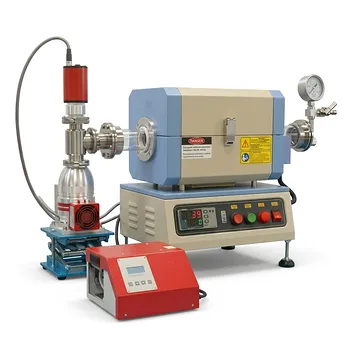
High Vacuum Compact Tube Furnace 1200C with Integrated Turbo Pump System and 8 Inch Heating Zone
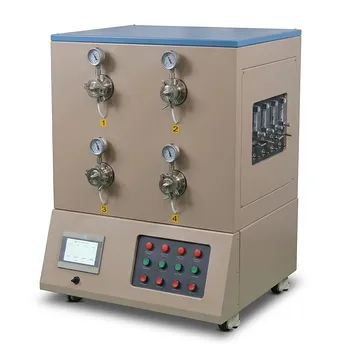
High Throughput 1200C Four Channel Tube Furnace with 3 Inch Quartz Tubes for Multi Zone Annealing and Material Research

High Temperature Automated 5 Inch Tube Furnace for Autonomous Material Research and Advanced Laboratory R&D
