What protective functions does a high-purity quartz reaction tube provide for TiO2 films? Optimize Your Purity
Updated 3 months ago
High-purity quartz reaction tubes serve as the critical containment and protection barrier during titanium dioxide ($TiO_2$) thin film deposition. These tubes provide three primary protective functions: they isolate the reaction from external atmospheric contaminants, resist chemical degradation from corrosive pyrolysis intermediates, and prevent the leaching of material impurities into the deposition zone.
Core Takeaway: A high-purity quartz tube functions as a chemically inert and thermally stable reaction chamber that ensures the structural and chemical integrity of $TiO_2$ films by maintaining a pristine environment and facilitating precise gas flow dynamics.
Ensuring Chemical and Structural Purity
The primary challenge in thin film deposition is preventing "cross-talk" between the reaction environment and the materials of the chamber itself.
Prevention of Impurity Leaching
High-purity quartz is specifically engineered to remain stable at the elevated temperatures required for $TiO_2$ deposition. Unlike lower-grade materials, it does not release trace elements or undergo secondary chemical reactions with reactant gases, ensuring the final amorphous film remains free of unwanted dopants.
Resistance to Corrosive Intermediates
The pyrolysis of precursors often generates aggressive chemical intermediates that can degrade standard reaction vessels. Quartz maintains its structural integrity against these corrosive species, preventing the introduction of reaction byproducts into the growing thin film.
Atmospheric Isolation
The tube acts as a hermetically sealed environment, isolating the internal reaction from oxygen, moisture, and particulate matter found in the external atmosphere. This isolation is vital for maintaining the specific vacuum levels or controlled atmospheric pressures required for uniform film growth.
Thermal Management and Process Control
Beyond simple containment, the quartz tube provides structural properties that facilitate the physical process of deposition.
High-Temperature Stability
Quartz tubes exhibit exceptional thermal stability, often maintaining their shape and properties at temperatures exceeding 860°C. This allows the furnace to reach the necessary thermal thresholds for precursor volatilization without risking tube deformation or failure.
Real-Time Monitoring and Observation
The inherent transparency of high-purity quartz allows operators to visually monitor the transport status of precursors and the progress of the reaction. Furthermore, this transparency enables the use of external infrared thermometers to accurately measure internal temperatures, ensuring the temperature gradient adheres to the process design.
Optimization of Gas Flow Dynamics
The smooth internal surface of the quartz tube provides a low-friction channel for carrier gases. This ensures that gaseous precursors are transported evenly to the substrate, which is essential for achieving a uniform thickness and consistent optoelectronic characteristics across the film.
Understanding the Trade-offs and Limitations
While high-purity quartz is the industry standard, it is not without specific operational constraints that must be managed to ensure longevity and safety.
Vulnerability to Thermal Shock
Despite its high-temperature resistance, quartz can be sensitive to rapid temperature fluctuations. Rapid heating or cooling cycles can cause micro-fractures or "devitrification," where the glass begins to crystallize and lose its structural integrity.
Chemical Sensitivity to Specific Agents
While inert to most precursors, quartz is highly susceptible to etching by hydrofluoric acid and certain alkaline solutions. If the cleaning process for the tube involves these chemicals, improper rinsing can lead to surface pitting, which disrupts gas flow and creates sites for impurity accumulation.
Mechanical Fragility
Quartz is a brittle material that requires careful handling and precise alignment within the furnace. Any mechanical stress or improper seating can lead to vacuum leaks or catastrophic failure during a high-temperature run.
How to Apply This to Your Project
To maximize the protective benefits of a quartz reaction tube, your operational strategy should align with your specific film quality goals.
- If your primary focus is Maximum Film Purity: Ensure the use of "synthetic" high-purity quartz and implement a rigorous pre-deposition bake-out cycle to remove any adsorbed moisture or contaminants from the tube walls.
- If your primary focus is Process Repeatability: Utilize the transparency of the tube to integrate external optical monitoring tools, and maintain a strict log of "hot hours" to replace the tube before devitrification impacts the vacuum seal.
- If your primary focus is Cost Efficiency: Implement a slow ramp-up and ramp-down thermal profile (typically <5°C per minute) to extend the life of the quartz tube by minimizing thermal stress.
By treating the quartz tube as a dynamic component of the reaction rather than a passive container, you ensure the highest possible quality for your titanium dioxide thin films.
Summary Table:
| Feature | Protective Function | Key Benefit |
|---|---|---|
| Material Purity | Prevents impurity leaching | Ensures high-quality, dopant-free $TiO_2$ films |
| Chemical Resistance | Resists corrosive intermediates | Maintains structural integrity and prevents byproducts |
| Atmospheric Seal | Hermetic isolation | Protects from O2, moisture, and particulate matter |
| Thermal Stability | High heat resistance (>860°C) | Prevents tube deformation during precursor volatilization |
| Optical Transparency | Real-time monitoring | Allows visual inspection and external IR temperature measurement |
Elevate Your Material Science Research with THERMUNITS
Achieving superior thin-film quality requires more than just high-purity components; it demands a precise and reliable thermal environment. THERMUNITS is a leading manufacturer of high-temperature laboratory equipment for material science and industrial R&D. We provide the specialized hardware necessary to maintain the pristine conditions your deposition processes require.
Our comprehensive range of thermal processing solutions includes:
- Tube & Vacuum Furnaces: Optimized for quartz reaction tubes and controlled atmospheres.
- CVD/PECVD Systems: Designed for advanced thin-film deposition and material growth.
- Atmosphere, Muffle, & Rotary Furnaces: For versatile heat treatment and industrial R&D.
- Specialized Equipment: Including Vacuum Induction Melting (VIM), Hot Press furnaces, and high-quality Thermal Elements.
Ensure the structural and chemical integrity of your $TiO_2$ films with our expert-engineered heat treatment solutions. Contact our technical team today to find the ideal furnace for your lab!
References
- Abdul Kuddus, Hajime Shirai. Spatial and Size Distributions of Ti(C<sub>5</sub>H<sub>7</sub>O<sub>2</sub>)<sub>2</sub>[(CH<sub>3</sub>)<sub>2</sub>CHO]<sub>2</sub> Mist Particles in a Tubular Furnace for Conformal and Uniform Deposition of Amorphous TiO<sub>2</sub> Thin Films. DOI: 10.1002/pssa.202400383
Mentioned Products
- 1100°C High Temperature Quartz Chamber Furnace 8 Inch OD with 7.6 Liter Capacity and Vacuum Atmosphere Capability
- 1100°C Large Diameter Quartz Tube Furnace with 24 Inch Heating Zone and Water Cooled Flanges
- 1100°C Three Zone Tube Furnace with 8.5 to 11 Inch OD Quartz Tube and Vacuum Flanges for Large Wafer Processing
- High Throughput 1200C Four Channel Tube Furnace with 3 Inch Quartz Tubes for Multi Zone Annealing and Material Research
- High Temperature Rocking Tube Furnace with Quartz Tube and Vacuum Flange for Materials Synthesis
People Also Ask
- Why is a quartz tube furnace necessary for phosphorus-doped MoS2/GO preparation? Ensure Purity & Precise Synthesis
- Benefits of high-vacuum quartz tube furnaces with N2 for Co3O4 nanosheets: Purity and Structural Integrity.
- What conditions does a quartz tube furnace provide for AlxCoCrFeNi steam corrosion tests? Achieve Precise R&D Control.
- Why is high-temperature annealing in a quartz tube furnace done after HfO2 deposition? Unlock peak film performance.
- Why is a high-purity quartz tube used for SP-Fe3O4-C? Ensure Chemical Purity & Catalytic Stability

Tech Team · ThermUnits
Last updated on Jun 02, 2026
Related Products
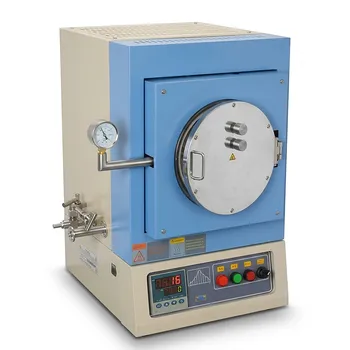
1100°C High Temperature Quartz Chamber Furnace 8 Inch OD with 7.6 Liter Capacity and Vacuum Atmosphere Capability
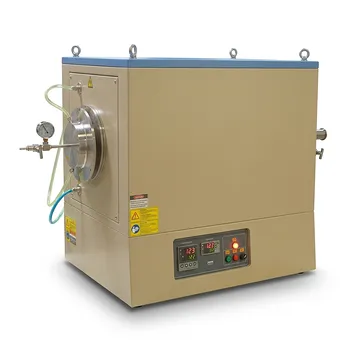
1100°C Large Diameter Quartz Tube Furnace with 24 Inch Heating Zone and Water Cooled Flanges
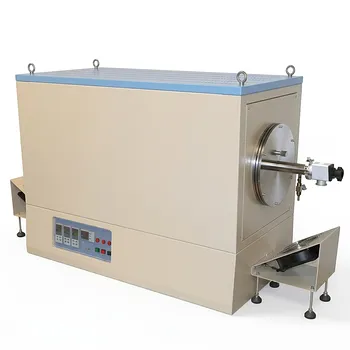
1100°C Three Zone Tube Furnace with 8.5 to 11 Inch OD Quartz Tube and Vacuum Flanges for Large Wafer Processing
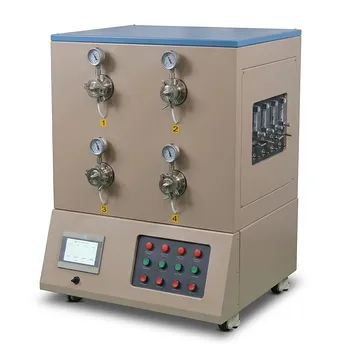
High Throughput 1200C Four Channel Tube Furnace with 3 Inch Quartz Tubes for Multi Zone Annealing and Material Research
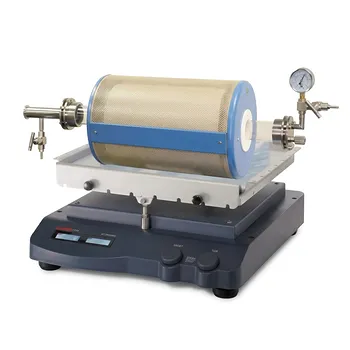
High Temperature Rocking Tube Furnace with Quartz Tube and Vacuum Flange for Materials Synthesis
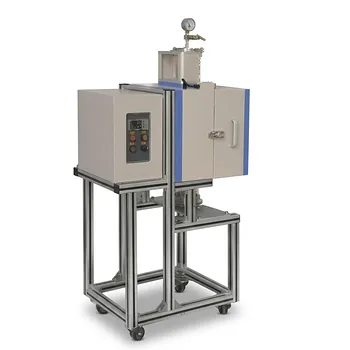
1200°C 5 Inch Vertical Quartz Tube Furnace with Stainless Steel Vacuum Flanges
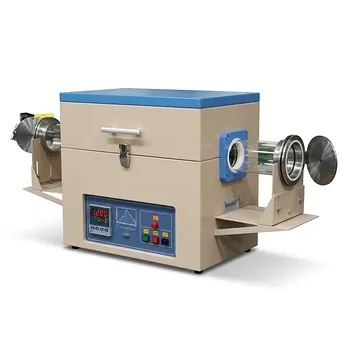
High Temperature 1200C Split Tube Furnace with Hinged Vacuum Flanges and 4 Inch Quartz Tube for Laboratory Research

High Temperature Automated 5 Inch Tube Furnace for Autonomous Material Research and Advanced Laboratory R&D
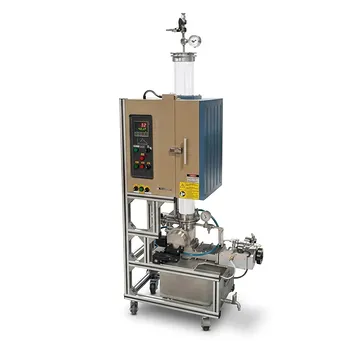
1200C High Temperature Atmosphere Controlled Vertical Quenching Tube Furnace with 4 Inch Quartz Tube
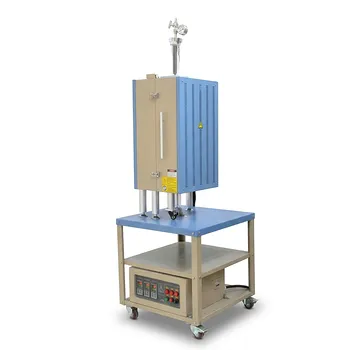
1200C Three Zone Vertical Tube Furnace with 2 Inch Quartz Tube and Vacuum Flanges
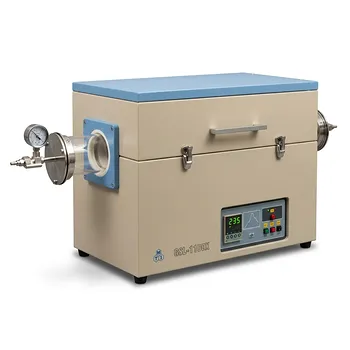
Single Zone Tube Furnace 5 Inch Quartz Tube 36 Inch Heating Zone Vacuum Flanges
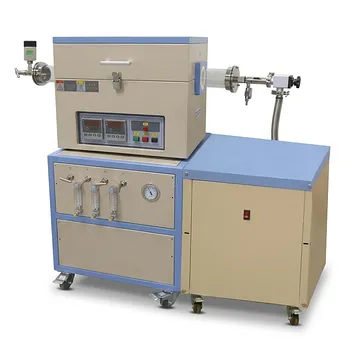
Dual Zone Quartz Tube Furnace with 80mm Diameter 1200C Max Temperature 3 Channel Gas Mixer and Vacuum Pump System
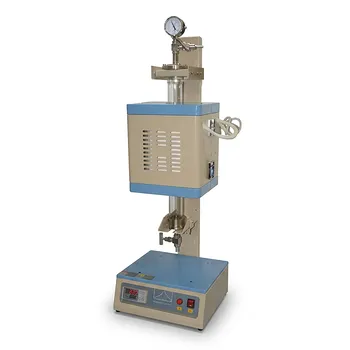
Compact Vertical Split Quartz Tube Furnace with Stainless Steel Vacuum Flanges for Rapid Thermal Quenching and Controlled Atmosphere Material Processing
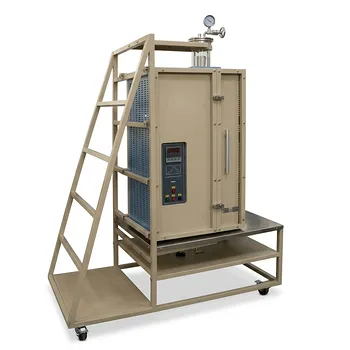
Split Vertical Tube Furnace with 1200C Quartz Tube and Stainless Steel Vacuum Flanges for Rapid Thermal Processing
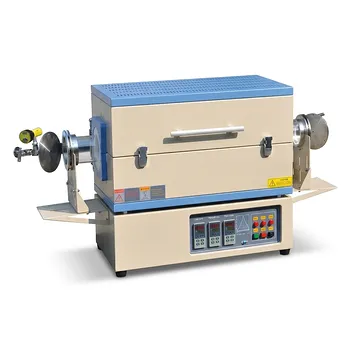
Three Zone Tube Furnace with 24 Inch Heating Length and Hinged Flange Quartz Tube System
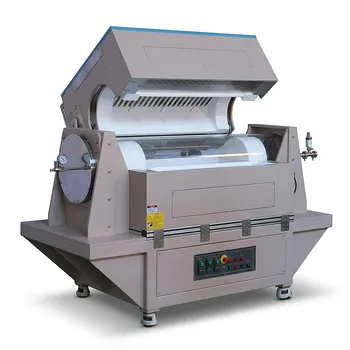
Three Zone Tube Furnace with 11 Inch or 15 Inch Quartz Tube and Hinged Flanges for Vacuum Atmosphere Heat Treatment
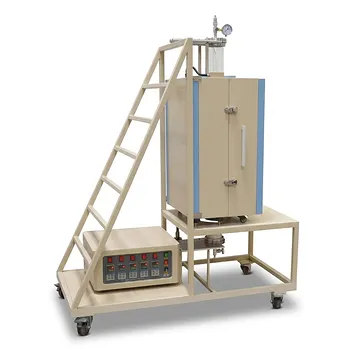
Five Zone Split Vertical Tube Furnace 1200C Max with 4 Inch Quartz Tube and Stainless Steel Vacuum Flanges
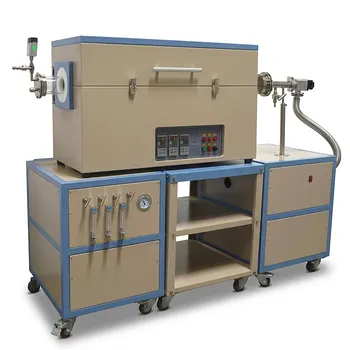
Three Zone Quartz Tube Furnace with 3 Channel Gas Mixer Vacuum Pump and Anti Corrosive Vacuum Gauge
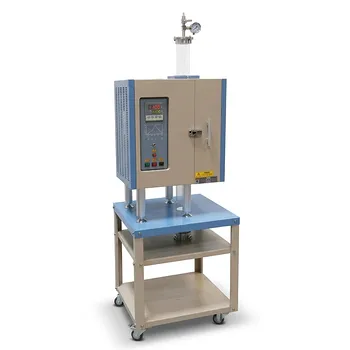
1100°C Split Vertical Tube Furnace with 80mm Quartz Tube and Stainless Steel Vacuum Flanges