What role do thermocouples play in furnace closed-loop systems? Essential Feedback for Precision
Updated 3 months ago
Thermocouples serve as the primary feedback mechanism within an electric resistance furnace. By continuously monitoring internal heat and converting it into electrical signals, they provide the real-time data necessary for the system to compare actual temperatures against a target setpoint. This comparison allows the control algorithm to dynamically adjust thermal energy output, ensuring the furnace maintains precise and stable operating conditions.
The thermocouple acts as the "eyes" of the closed-loop system, translating thermal energy into a measurable voltage that drives the entire control logic. Its ability to provide accurate, real-time feedback is the fundamental requirement for maintaining thermal equilibrium and process consistency.
The Mechanics of the Feedback Loop
Real-Time Thermal Conversion
Thermocouples function as core sensing elements that collect data directly from the furnace interior. They exploit the Seebeck effect to convert temperature gradients into proportional electrical signals, which are then transmitted to the furnace controller.
Generating the Error Signal
The controller receives the electrical signal and compares it against the user-defined reference value. The difference between these two points creates an error signal, which dictates whether the heating elements need more or less power to reach the target.
Dynamic Energy Adjustment
Once the error signal is processed, the control algorithm performs dynamic adjustments of the electrical resistance output. This continuous cycle of sensing, comparing, and adjusting is what defines a "closed-loop" system, preventing the furnace from overshooting or undershooting the desired temperature.
Precision and System Integrity
The Impact of Sensor Accuracy
The measurement accuracy of the thermocouple—often a high-precision K-type in industrial settings—directly determines the overall quality of the control system. If the sensor provides inaccurate data, the entire feedback loop will stabilize at the wrong temperature, potentially compromising the materials being processed.
Mitigating Industrial Noise
In heavy industrial environments, thermocouples are often subjected to electromagnetic interference (EMI) and measurement noise. To maintain a stable signal, high-quality sensors must be paired with precise signal transmitters that filter out interference before the data reaches the controller.
Understanding the Trade-offs
Durability vs. Sensitivity
Thicker protective sheathing can extend the lifespan of a thermocouple in harsh furnace environments, but it increases thermal lag. This delay in reporting temperature changes can lead to less responsive control and larger fluctuations around the setpoint.
Calibration and Sensor Drift
While thermocouples are robust, they are susceptible to calibration drift over time due to chemical changes in the wire at high temperatures. Relying on an aging sensor without regular calibration can lead to a "silent failure" where the system believes it is at the setpoint while the actual temperature has shifted.
Optimizing Your Thermal Control Strategy
How to Apply This to Your Project
To ensure your electric resistance furnace operates at peak efficiency and precision, consider your specific environmental and accuracy requirements.
- If your primary focus is extreme precision: Invest in high-grade K-type thermocouples and utilize short lead wires with dedicated signal transmitters to minimize data degradation.
- If your primary focus is system longevity: Prioritize thermocouples with advanced alloy sheathing and implement a scheduled calibration cycle to account for natural sensor drift.
- If your primary focus is rapid response times: Use exposed-junction or thin-diameter thermocouples to reduce thermal inertia, provided the furnace atmosphere is non-corrosive.
Reliable closed-loop control is only as strong as the feedback it receives; therefore, the thermocouple is the most critical link in your furnace's operational chain.
Summary Table:
| Component/Process | Role in Closed-Loop System | Impact on Performance |
|---|---|---|
| Seebeck Effect | Converts thermal energy into voltage signals | Foundation of real-time sensing |
| Error Signal | Difference between setpoint and actual temperature | Dictates power output adjustments |
| Signal Transmitter | Filters electromagnetic interference (EMI) | Ensures data accuracy and stability |
| Thermal Sheathing | Protects sensor from harsh environments | Influences response time (Thermal Lag) |
| Calibration | Corrects for chemical changes and drift | Maintains long-term process integrity |
Elevate Your Lab’s Thermal Precision with THERMUNITS
As a leading manufacturer of high-temperature laboratory equipment, THERMUNITS provides advanced thermal processing solutions tailored for material science and industrial R&D. Our comprehensive range, including Muffle, Vacuum, Atmosphere, Tube, and Hot Press furnaces, is engineered with high-precision feedback systems to ensure your research meets the most demanding standards.
From CVD/PECVD systems and Vacuum Induction Melting (VIM) furnaces to electric rotary kilns and dental furnaces, we deliver the reliability and temperature stability your processes require. Contact our experts today to optimize your heat treatment workflow!
References
- Sarah A. Alzakari, Fatma A. Hashim. A new control scheme for temperature adjustment of electric furnaces using a novel modified electric eel foraging optimizer. DOI: 10.3934/math.2024654
Mentioned Products
- Molybdenum Disilicide MoSi2 Thermal Elements Electric Furnace Heating Element High Temperature Resistance
- High Temperature Horizontal Electrical Assisted Sintering Furnace with 3KW Programmable Power Source for Advanced Ceramic Materials
- Electric Rotary Kiln Continuous Working Small Rotary Furnace Heating Pyrolysis Plant
- 1250 C Compact Vertical Box Furnace for Glovebox Material Research Air Sensitive Samples
- Five Side Heating Muffle Furnace High Purity Alumina Fiber 27L Chamber 1200C High Temperature Thermal Processing System for Sintering Annealing and Materials Research
People Also Ask
- What role do MoSi2 heating elements play in high-temperature smelting? Precision for Ferronickel & Slag Research
- Why is the selection of high-performance thermal elements critical for high-temperature testing? Ensure Data Integrity.
- How do electric thermal elements compare to combustion-based heating systems? Maximize Your Lab's Energy Efficiency
- What are the primary functions of an electric resistance furnace? Enhancing Precision in Industrial Thermal Processing
- How do optimized control schemes for electric resistance furnaces ensure accuracy? Enhance Heat Treatment Stability.

Tech Team · ThermUnits
Last updated on Jun 02, 2026
Related Products
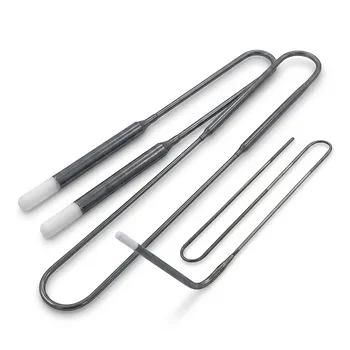
Molybdenum Disilicide MoSi2 Thermal Elements Electric Furnace Heating Element High Temperature Resistance
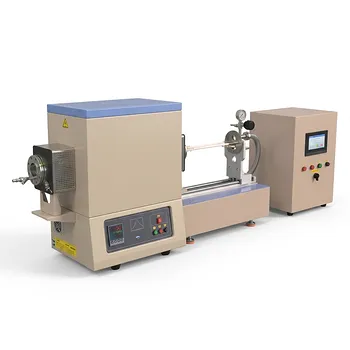
High Temperature Horizontal Electrical Assisted Sintering Furnace with 3KW Programmable Power Source for Advanced Ceramic Materials
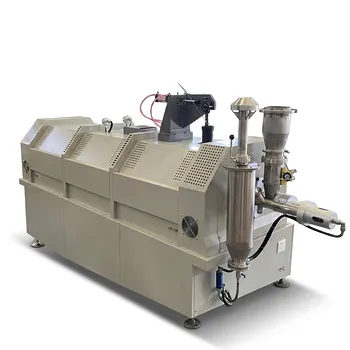
Electric Rotary Kiln Continuous Working Small Rotary Furnace Heating Pyrolysis Plant
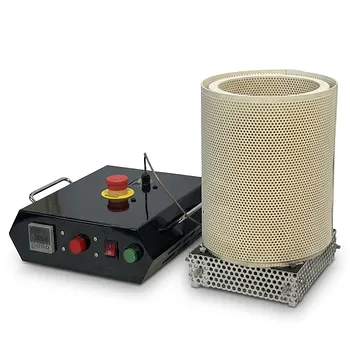
1250 C Compact Vertical Box Furnace for Glovebox Material Research Air Sensitive Samples
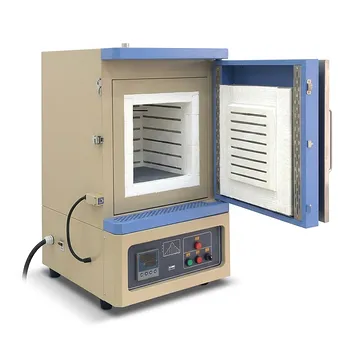
Five Side Heating Muffle Furnace High Purity Alumina Fiber 27L Chamber 1200C High Temperature Thermal Processing System for Sintering Annealing and Materials Research
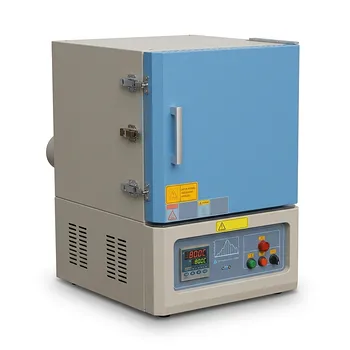
1800C Bench Top Muffle Furnace 18 Liters with Kanthal Super 1900 Heating Elements for High Purity Ceramic Sintering and Material Research
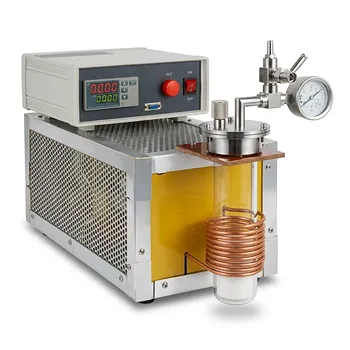
High Temperature Mini Induction Heating Furnace 1600C Laboratory Material Melting System
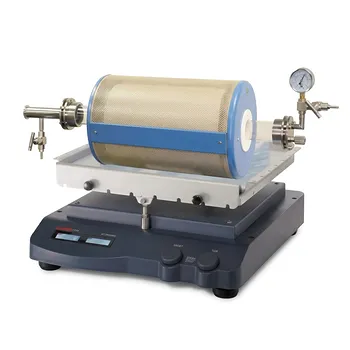
High Temperature Rocking Tube Furnace with Quartz Tube and Vacuum Flange for Materials Synthesis
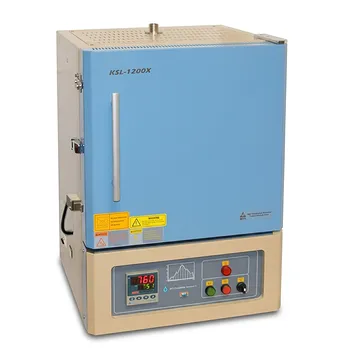
High Temperature 1200C Muffle Furnace 27L Volume 12x12x12 Chamber with Programmable PID Controller for Laboratory Material Science
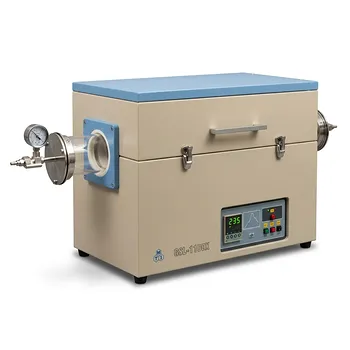
Single Zone Tube Furnace 5 Inch Quartz Tube 36 Inch Heating Zone Vacuum Flanges
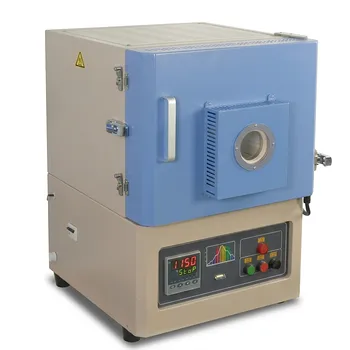
High Temperature Benchtop Muffle Furnace with Quartz Observation Window for Thermal Imaging and Material Analysis
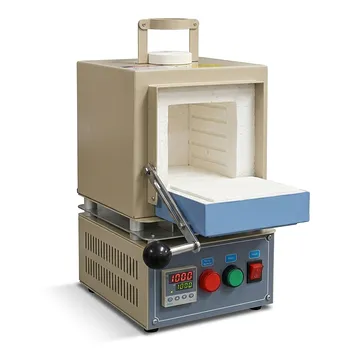
Compact 1000C Muffle Furnace with Programmable Controller and 2 Inch Top Port for Vacuum and Atmosphere Material Research
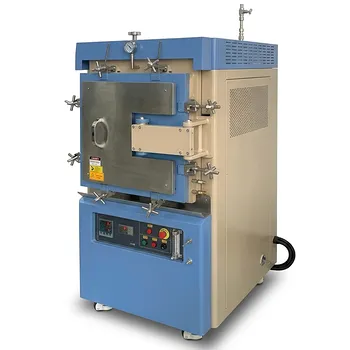
Atmosphere Controlled Muffle Furnace 1700C Maximum Temperature 80L High Capacity Vacuum Inert Gas Box Furnace
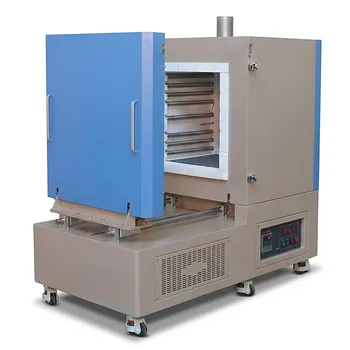
1200C Five Side Heating Muffle Furnace with Sliding Door 125L Volume High Temperature Heat Treatment System for Large Scale Sintering and Annealing

1200°C 5 Inch Vertical Quartz Tube Furnace with Stainless Steel Vacuum Flanges
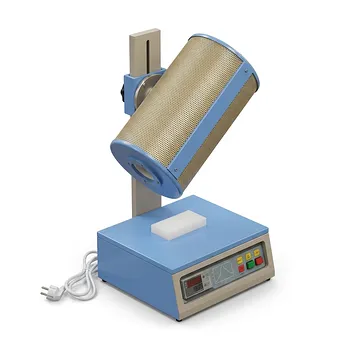
1100°C Vertical Laboratory Furnace for DIY Tubular Reactors with PID Temperature Controller
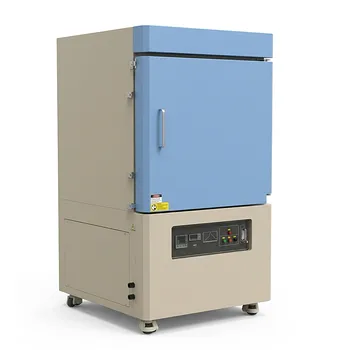
Industrial Large Box Furnace 1700C 216L High Temp Muffle Sintering System
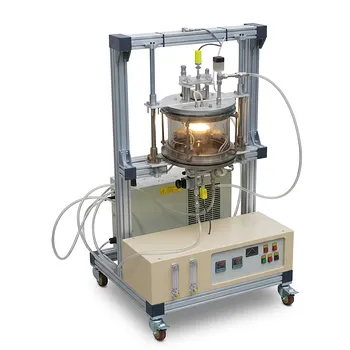
Two Zones CSS Furnace for Rapid Thermal Processing Thin Film Coating 3 Inch Diameter 650C
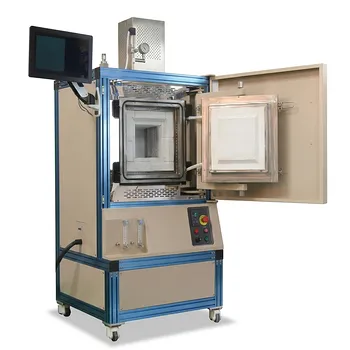
High Temperature Hydrogen Atmosphere Box Furnace 1650C Max Reducing Environment Material Synthesis System 8x8x8 Chamber