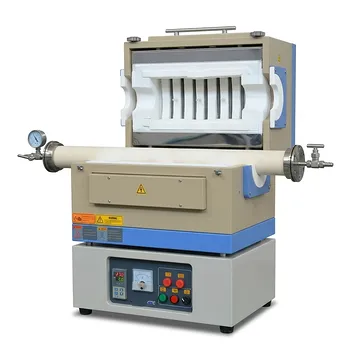
What role does a heat wrap play in tube furnace gas lines during Cr experiments? Ensure Precise Atmospheric Control
Updated 3 months ago
Heat wraps serve as a critical trace heating mechanism that maintains the temperature of gas supply lines above the dew point and prevents the premature condensation of volatile elements. By ensuring that humidified air and chromium vapors remain in their gaseous states, the heat wrap protects the accuracy of atmospheric ratios and the integrity of the experimental results.
Core Takeaway: The primary role of a heat wrap is to prevent phase changes—specifically condensation—within the supply lines, ensuring that the chemical composition of the atmosphere reaching the reaction zone is exactly as intended.
Maintaining Atmospheric Integrity
Preventing Moisture Condensation
In experiments involving humidified air, the gas supply lines must be kept at a temperature significantly higher than the dew point.
If the lines are too cool, moisture will condense on the interior tube walls, effectively "stripping" water from the gas stream. This loss of moisture leads to inaccurate atmospheric ratios, which can fundamentally alter the oxidation or reaction kinetics within the furnace.
Ensuring Chemical Consistency
A stable temperature profile ensures that the gas entering the reaction zone matches the parameters set at the source.
Without trace heating, the humidity levels would fluctuate based on the ambient temperature of the laboratory, making it impossible to achieve repeatable experimental data.
Managing Chromium Vapor Dynamics
Avoiding Premature Deposition
Chromium is highly sensitive to temperature drops, which can cause chromium vapor to condense in non-experimental sections of the apparatus.
The heat wrap ensures that the chromium remains in its vapor phase until it reaches the target sample in the reaction zone. This prevents the loss of material to the tube walls, ensuring that the sample is exposed to the intended concentration of chromium.
Protecting Data Validity
When vapors condense prematurely, they can create build-up that may flake off or revolatilize later in the experiment.
This unintended contamination or "memory effect" can lead to erratic results, making the heat wrap essential for maintaining a controlled environment free from uncontrolled deposition.
Understanding the Trade-offs and Pitfalls
The Risk of Localized Cold Spots
The effectiveness of a heat wrap is entirely dependent on its uniformity.
Small gaps in the wrapping or uninsulated fittings can create "cold spots" where condensation will still occur, rendering the rest of the heating effort useless.
Overheating and Material Degradation
While maintaining heat is vital, excessive temperatures can damage sealants, O-rings, or the heat wrap itself.
Failure to use a thermocouple-linked controller can lead to runaway heating, which poses a fire risk and may cause thermal degradation of the supply line materials.
How to Apply This to Your Project
Success in high-temperature furnace experiments requires precise control over the entire gas delivery path.
- If your primary focus is atmospheric precision: Ensure the heat wrap is set at least 10-20°C above the calculated dew point to provide a safety buffer against ambient fluctuations.
- If your primary focus is chromium vapor transport: Use high-density insulation over the heat wrap to ensure the internal wall temperature remains consistent across the entire length of the delivery tube.
- If your primary focus is equipment longevity: Integrate a PID controller with a high-temperature limit switch to prevent accidental overheating of the gas lines.
By meticulously managing the temperature of your supply lines, you transform a potential source of experimental error into a stable, controlled variable.
Summary Table:
| Function | Key Benefit | Risk of Failure |
|---|---|---|
| Moisture Control | Maintains dew point to prevent condensation | Inaccurate atmospheric ratios |
| Vapor Stability | Prevents premature chromium deposition | Material loss and contamination |
| Thermal Uniformity | Eliminates localized cold spots in supply lines | Unreliable and erratic experimental data |
| Safety Control | PID-linked regulation prevents overheating | Material degradation or fire hazard |
Optimize Your High-Temperature Research with THERMUNITS
At THERMUNITS, we understand that precision in material science is non-negotiable. As a leading manufacturer of high-temperature laboratory equipment for industrial R&D, we offer a comprehensive range of thermal processing solutions including Tube, Vacuum, Atmosphere, Muffle, and Rotary furnaces, as well as CVD/PECVD systems, Dental Furnaces, and Vacuum Induction Melting (VIM) units.
Ensure the integrity of your chromium experiments and atmospheric precision by partnering with experts who provide robust thermal elements and specialized heat treatment equipment. Contact our technical team today to discuss your specific requirements and see how our advanced thermal solutions can enhance your lab’s efficiency and data accuracy.
References
- Travis Kent van Leeuwen, Paul Gannon. Reactive Condensation of Cr Vapor on Aluminosilicates Containing Alkaline Oxides. DOI: 10.1149/1945-7111/ad7061
Mentioned Products
- Gas Pre-Heating Tube Furnace for High Temperature Pyrolysis Reactors and Material Science Research
- High Temperature 1700C Benchtop Tube Furnace with 5 Inch Heating Zone High Purity Alumina Tube and Vacuum Sealing Flanges
- Two Zone IR Heating Rapid Thermal Processing RTP Tube Furnace with 4 Inch ID Quartz Tube and Sliding Sample Holders
- Rapid Thermal Processing Sliding Tube Furnace with 4 Inch OD Quartz Tube and 900C IR Heating
- 1100C Hydrogen Gas Atmosphere Tube Furnace with 5 Inch Fused Quartz Tube and Integrated Safety Monitoring System
People Also Ask
- What is the function of a preheated high-temperature tube furnace in the rapid pyrolysis synthesis of carbon nitride films?
- What is the role of a high-temperature tube furnace in coal powder pyrolysis benchmarking? Achieve Precise Baselines.
- Why is high-precision temperature control essential in a pyrolysis furnace? Master Pd NPs/NO-C Catalyst Synthesis
- How does a high-temperature tube furnace facilitate the pyrolysis of PR-ZS hybrid aerogels into carbon aerogels?
- How is a laboratory tube heating furnace applied during the evaluation of denitration catalysts? Essential Guide

Tech Team · ThermUnits
Last updated on Jun 02, 2026
Related Products
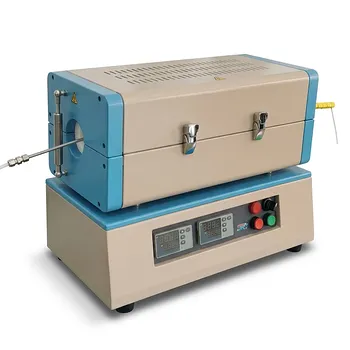
Gas Pre-Heating Tube Furnace for High Temperature Pyrolysis Reactors and Material Science Research

High Temperature 1700C Benchtop Tube Furnace with 5 Inch Heating Zone High Purity Alumina Tube and Vacuum Sealing Flanges
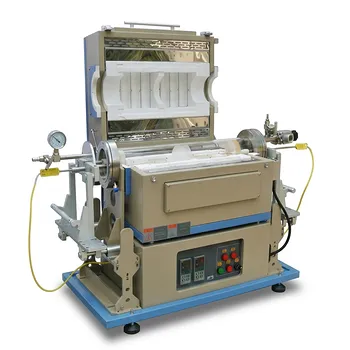
Two Zone IR Heating Rapid Thermal Processing RTP Tube Furnace with 4 Inch ID Quartz Tube and Sliding Sample Holders
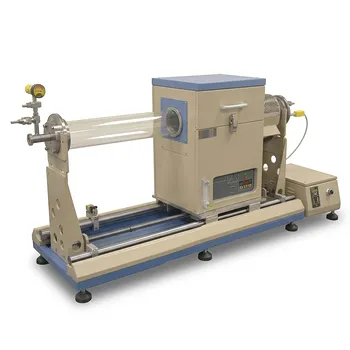
Rapid Thermal Processing Sliding Tube Furnace with 4 Inch OD Quartz Tube and 900C IR Heating
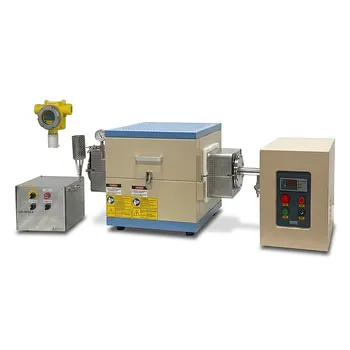
1100C Hydrogen Gas Atmosphere Tube Furnace with 5 Inch Fused Quartz Tube and Integrated Safety Monitoring System

High Temperature Tube Furnace 1500C with Sliding Flanges and 50mm OD for Rapid Thermal Processing Fast Heating and Cooling
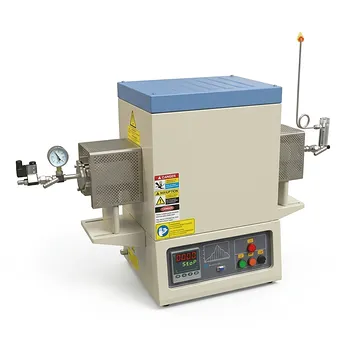
1700C Hydrogen Gas Tube Furnace with 60mm Alumina Process Tube and Integrated Hydrogen Safety Detector
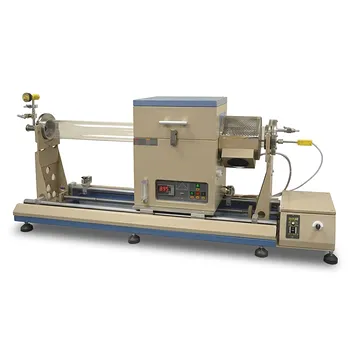
900 ºC Max Sliding RTP Tube Furnace with Rapid IR Heating and 4 Inch OD Quartz Tube

1100C Tube Furnace with Vacuum Flange and Programmable Temperature Controller for Material Science and Industrial Heat Treatment
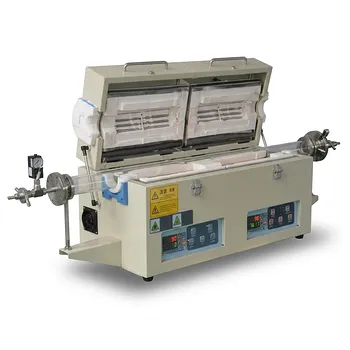
Elongated Two Temperature Zone Pipe Furnace for Industrial Heat Treatment and Material Science Research
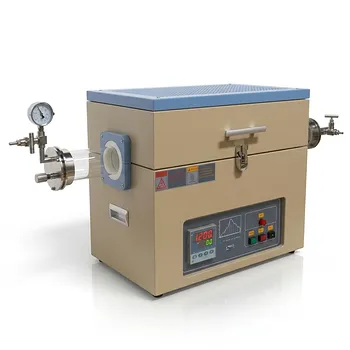
High Temperature 1200C Split Tube Furnace with Optional Quartz Tube Sizes and Vacuum Sealing Flanges for Material Science Research
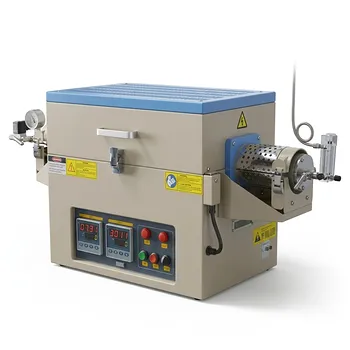
1100C Dual Zone Hydrogen Gas Tube Furnace with Quartz Tube and Integrated H2 Leak Detection System
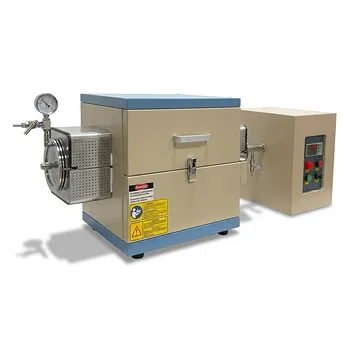
1200C High Temperature 5 Inch Split Vacuum Tube Furnace with 12 Inch Heating Zone and Separated PID Controller
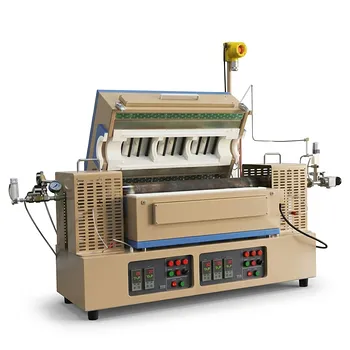
Three Zone Hydrogen Gas Tube Furnace with 82mm Superalloy Tube and Dual Hydrogen Detectors 1200C High Temperature Material Processing System
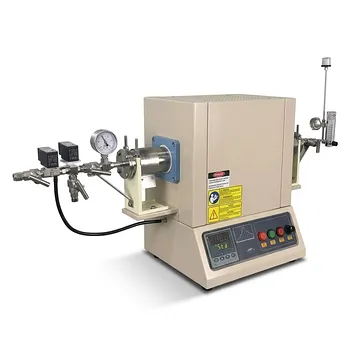
1500C Compact Hydrogen Gas Tube Furnace with 2 Inch Alumina Tube and Hydrogen Detector

Compact High Temperature 1600C Tube Furnace with 50mm Alumina Tube and Vacuum Flanges for Material Sintering
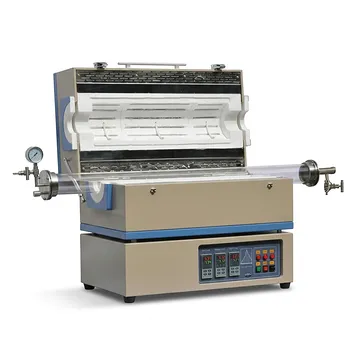
24 Inch Three Zone Split Tube Furnace with Optional Quartz Tube and Vacuum Flange System for High Temperature Material Synthesis

Compact Vertical Split Quartz Tube Furnace with Stainless Steel Vacuum Flanges for Rapid Thermal Quenching and Controlled Atmosphere Material Processing

1200°C 5 Inch Vertical Quartz Tube Furnace with Stainless Steel Vacuum Flanges