What role does a high-temperature atmosphere furnace play in the post-treatment thermal selenization of Ni-Ru materials?
Updated 3 months ago
A high-temperature atmosphere furnace is the essential reactor for converting Ni-Ru precursors into active metal selenides. It provides the precise thermal energy—typically between 500°C and 600°C—and the specific atmospheric conditions required for nickel and ruthenium to react chemically with selenium vapor. This controlled environment is fundamental to modifying the material's energy band structure, which directly dictates its final catalytic efficiency.
The furnace serves as a precision-controlled environment that facilitates the chemical phase transformation of metal precursors into functional selenides. By managing thermal ramps and atmospheric purity, it enables the engineering of electronic properties necessary for high-performance catalysis.
Facilitating Chemical Phase Transformation
Conversion of Metal Precursors
The primary role of the furnace is to drive the thermochemical reaction between the solid Ni-Ru deposits and gaseous selenium. Without the specific high-temperature range provided by the furnace, the selenium vapor cannot adequately penetrate and react with the metal lattice.
Facilitating Selenium Vapor Reactivity
The furnace maintains a stable thermal field that ensures selenium remains in a reactive vapor phase. This allows for a uniform "selenization" process, where selenium atoms replace or integrate with the precursor structure to form a stable metal selenide.
Precise Control of Reaction Kinetics
By strictly governing the heating ramp and dwell time, the furnace controls the speed and thoroughness of the phase transformation. This precision prevents incomplete reactions or the formation of undesired secondary phases that could degrade material performance.
Structural and Electronic Optimization
Energy Band Structure Modification
The furnace enables the transition from simple metallic mixtures to complex selenide compounds, which fundamentally alters the energy band structure. This modification is the mechanism by which the material’s catalytic activity is enhanced, making it more effective for electrochemical applications.
Enhancing Catalytic Surface Sites
Controlled thermal treatment helps in the formation of active sites within the Ni-Ru matrix. The high-temperature environment promotes a more favorable arrangement of atoms, ensuring that the ruthenium and nickel are optimally positioned for maximum reactivity.
Improving Crystalline Quality
High-temperature treatment within the furnace helps eliminate defects and organic residues from the synthesis process. This results in high-purity, high-crystallinity structures that offer better long-term stability and electrical conductivity.
Understanding Technical Constraints and Trade-offs
Thermal Sintering Risks
While high temperatures are necessary for selenization, excessive heat can lead to agglomeration or sintering of the nanocrystals. This reduces the active surface area, potentially negating the catalytic benefits gained from the selenization process.
Atmospheric Sealing and Contamination
The success of the process depends entirely on the sealing integrity of the furnace. If oxygen enters the chamber, it can cause the oxidative combustion of the precursors or the formation of metal oxides instead of the desired selenides.
Vapor Pressure Management
Maintaining the correct balance of selenium vapor pressure within the furnace is a delicate trade-off. Insufficient vapor leads to incomplete selenization, while excessive vapor can cause thick, non-conductive layers to form on the material surface.
Making the Right Choice for Your Goal
How to Apply This to Your Project
To achieve the best results during post-treatment thermal selenization, your operational parameters must align with your specific material objectives.
- If your primary focus is maximum catalytic activity: Prioritize precise band structure engineering by maintaining a strict temperature dwell between 500°C and 600°C to ensure complete phase transformation.
- If your primary focus is structural stability: Focus on the heating ramp rate to minimize thermal stress and prevent the leaching of ruthenium from the nickel lattice.
- If your primary focus is phase purity: Ensure the furnace has superior sealing and gas flow control to prevent any atmospheric oxygen from interfering with the selenization reaction.
The high-temperature atmosphere furnace is ultimately the tool that bridges the gap between raw metal precursors and high-performance, electronically tuned Ni-Ru selenide catalysts.
Summary Table:
| Feature | Role in Selenization | Key Benefit |
|---|---|---|
| Thermal Field | Maintains 500°C–600°C environment | Ensures selenium stays in reactive vapor phase |
| Atmosphere Control | Provides sealed, oxygen-free chamber | Prevents precursor oxidation and contamination |
| Kinetic Precision | Manages heating ramps and dwell times | Controls phase purity and prevents sintering |
| Structural Tuning | Modifies energy band structures | Maximizes catalytic active sites and conductivity |
Elevate Your R&D with THERMUNITS Precision Furnaces
Advanced material science requires uncompromising thermal control. THERMUNITS is a leading manufacturer of high-temperature laboratory equipment, providing the specialized solutions needed for complex processes like Ni-Ru thermal selenization.
Our comprehensive range of thermal processing systems—including Atmosphere, Vacuum, Tube, Muffle, Rotary, and Hot Press furnaces, as well as CVD/PECVD systems—is designed to deliver the atmospheric purity and temperature stability essential for high-performance catalysis and industrial R&D.
Maximize your material's catalytic potential with our expert heat treatment solutions.
Contact THERMUNITS Today for a Professional Consultation
References
- Renata Palowska, Agnieszka Brzózka. Ni–Ru Electrodeposition from Ethaline Deep Eutectic Solvent: Material Preparation and Thermal Selenization. DOI: 10.1021/acs.jpcc.4c03025
Mentioned Products
- 1650C High Temperature Atmosphere Controlled Box Furnace with 65L Chamber for Advanced Material Sintering and Industrial Heat Treatment
- High Temperature Oxygen and Inert Atmosphere Controlled Furnace 8 Liter 1700C Sintering System for Advanced Materials RD
- High Temperature Vertical Atmosphere Controlled Furnace with Automatic Bottom Loading and 1700°C Capacity for Advanced Material Research
- 1750°C High Temperature Benchtop Vacuum Atmosphere Tube Furnace with Kanthal Super 1800 Heating Elements and 60mm Alumina Processing Tube
- Roller Table Atmosphere Furnace 1500C High Temperature Battery Material Sintering System 112L Capacity
People Also Ask
- What role does atmosphere control play in technical ceramics and glass? Master Material Purity and Precision
- What role does a high-temperature atmosphere furnace play in the direct electrochemical reduction of CO2? - Key Insights
- What is the role of a high-temperature box furnace in the solid-state synthesis of Europium-doped M3MgSi2O8 phosphors?
- What is the role of a high-temperature box furnace in Na3MnZr(PO4)3 synthesis? Engineering High-Performance NASICON.
- What is the role of a high-temperature atmosphere furnace in Co/Co0.85Se@NC synthesis? Optimize Catalyst Performance

Tech Team · ThermUnits
Last updated on Jun 02, 2026
Related Products
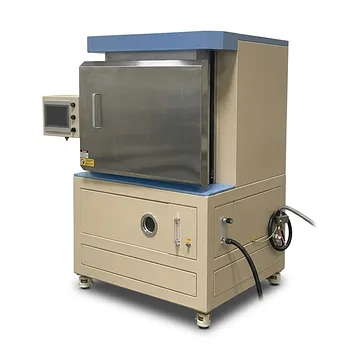
1650C High Temperature Atmosphere Controlled Box Furnace with 65L Chamber for Advanced Material Sintering and Industrial Heat Treatment
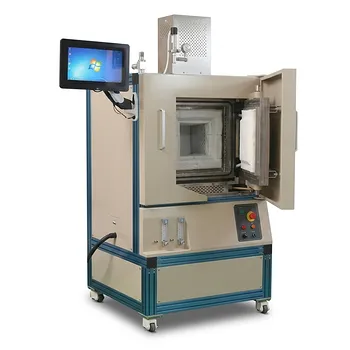
High Temperature Oxygen and Inert Atmosphere Controlled Furnace 8 Liter 1700C Sintering System for Advanced Materials RD
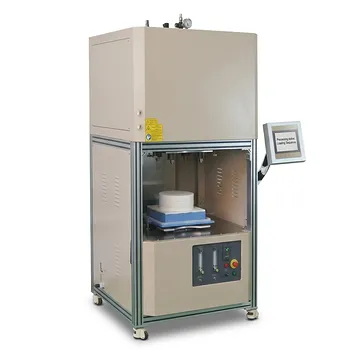
High Temperature Vertical Atmosphere Controlled Furnace with Automatic Bottom Loading and 1700°C Capacity for Advanced Material Research

1750°C High Temperature Benchtop Vacuum Atmosphere Tube Furnace with Kanthal Super 1800 Heating Elements and 60mm Alumina Processing Tube
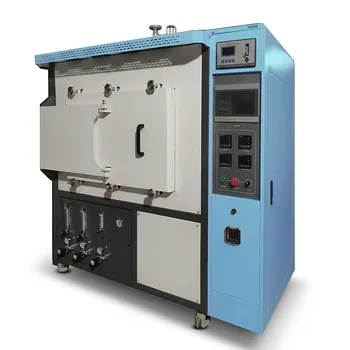
Roller Table Atmosphere Furnace 1500C High Temperature Battery Material Sintering System 112L Capacity
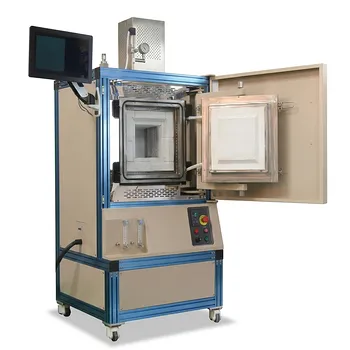
High Temperature Hydrogen Atmosphere Box Furnace 1650C Max Reducing Environment Material Synthesis System 8x8x8 Chamber
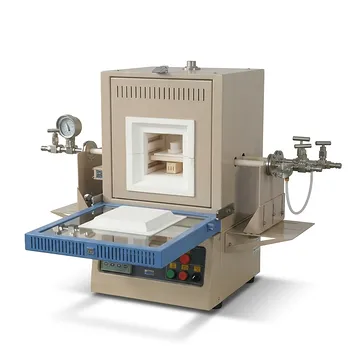
1700C Compact Hybrid Furnace with Dual Layer Box Sintering and Controlled Atmosphere Alumina Tubes
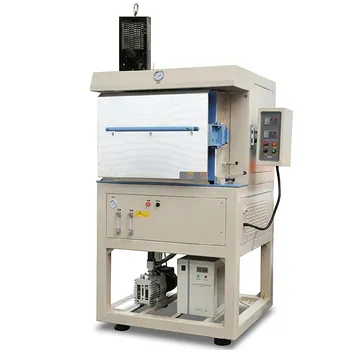
1200C Hydrogen Atmosphere Box Furnace with 5 Heated Sides and 64L Chamber

High Temperature 1700C Vertical Tube Furnace for Powder Spherification and Material Sintering
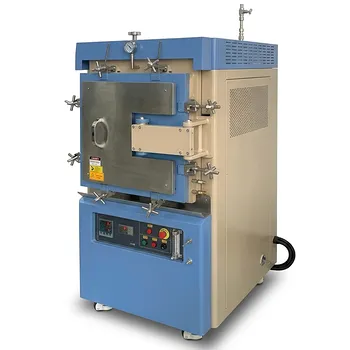
Atmosphere Controlled Muffle Furnace 1700C Maximum Temperature 80L High Capacity Vacuum Inert Gas Box Furnace
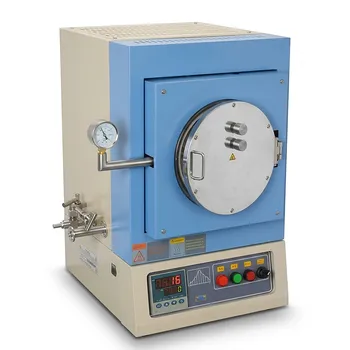
1100°C High Temperature Quartz Chamber Furnace 8 Inch OD with 7.6 Liter Capacity and Vacuum Atmosphere Capability
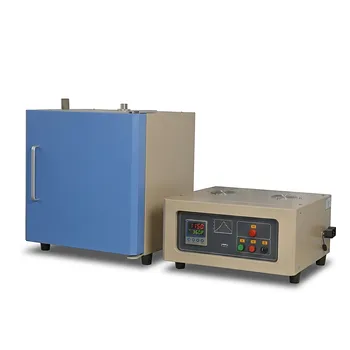
High Temperature Muffle Furnace with Alloy Chamber for Debinding and Sintering Applications
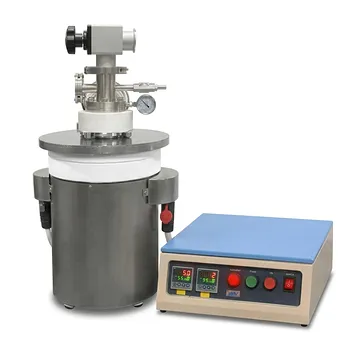
1100C High Temperature Vacuum Crucible Furnace with Quartz Chamber for Thermal Processing and Sintering
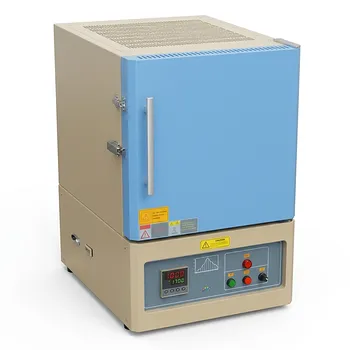
Large Bench Top 1700C High Temperature Muffle Furnace with 19L Chamber for Advanced Material Sintering and Annealing
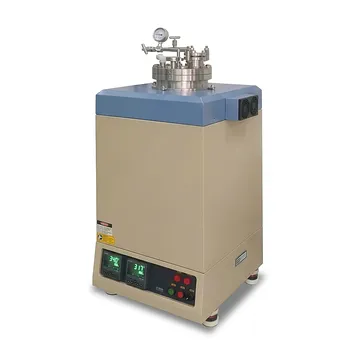
High Temperature 1000C Vacuum Furnace with 8 Inch ID Chamber for Material Sintering and Research Annealing
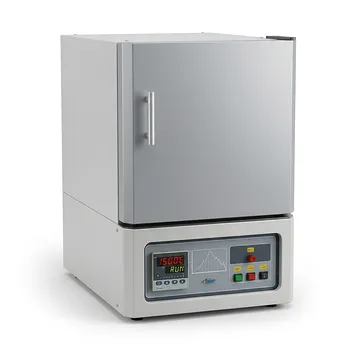
High Temperature 1500C Benchtop Muffle Furnace 3.6L Alumina Fiber Chamber Programmable Controller Sintering Annealing Carbonization Thermal Processing System
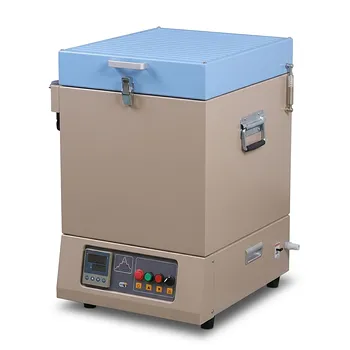
High Temperature Vertical Crucible Furnace with 22L Heating Chamber and 1200C Maximum Temperature

Vertical 1700C Vacuum and Atmosphere Tube Furnace with 80mm Alumina Tube
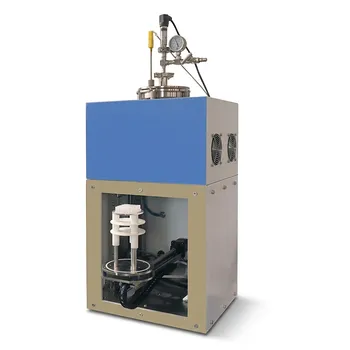
Rapid Thermal Processing RTP Atmosphere Controlled Bottom Loading Furnace 1100C High Throughput 50C per Second Heating Rate
