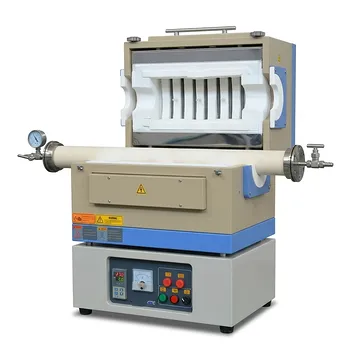
What role does a high-temperature tube furnace play during the carbonization stage of isotropic carbon blocks? Process Insights.
Updated 3 months ago
The high-temperature tube furnace serves as the critical reactor for transforming "green" carbon blocks into rigid, high-strength isotropic carbon structures. By providing a precisely controlled thermal environment up to 1000 °C within an inert atmosphere, the furnace facilitates the thermal decomposition and carbonization of the pitch binder. This process systematically removes volatile components and establishes the fundamental carbon network required for structural integrity.
Core Takeaway: The tube furnace is the primary tool for managing the delicate transition from a plastic green state to a high-strength solid by strictly controlling heating rates and atmospheric purity to prevent material failure.
The Mechanisms of Carbonization
Thermal Decomposition of the Pitch Binder
During the carbonization stage, the furnace subjects the green carbon blocks to intense, steady heat to initiate pyrolysis. This thermal energy breaks down the organic compounds within the pitch binder, which acts as the "glue" for the isotropic block.
As these compounds decompose, the furnace environment allows for the controlled escape of non-carbon elements. This transformation is essential for shifting the material from a moldable, plastic state into a permanent carbon matrix.
Formation of the Rigid Carbon Network
As volatiles are removed, the remaining carbon atoms undergo structural reorganization and polycondensation. The furnace provides the sustained high temperatures necessary for these atoms to bond into a stable, rigid framework.
This resulting network defines the mechanical properties of the final product. Without the precise temperature field of the tube furnace, the isotropic nature and high-strength characteristics of the carbon block would not develop uniformly.
Critical Control Parameters
Maintaining an Inert Environment
The tube furnace must maintain a strictly controlled inert atmosphere, typically using high-purity nitrogen or argon. Because carbon oxidizes rapidly at high temperatures, the furnace's superior sealing is vital to prevent the "burning off" or oxidative loss of the material.
This oxygen-free environment ensures that the chemical reactions remain focused on solid-state pyrolysis. By shielding the blocks from reactive gases, the furnace preserves the intended chemical composition and purity of the carbon.
Managing Gas Evolution via Heating Rates
One of the furnace's most important roles is the execution of a stable heating curve, often as slow as 1 °C to 2 °C per minute. Rapid heating would cause volatile gases to escape too quickly, creating internal pressure that leads to macro-cracks or excessive porosity.
A controlled, slow rise in temperature allows for the steady release of volatile matter. This precision ensures the block remains structurally sound and maintains its high density throughout the transformation.
Thermal Field Uniformity
High-temperature tube furnaces are designed to provide temperature field uniformity across the entire processing zone. For isotropic carbon blocks, which require consistent properties in all directions, any thermal gradient could cause internal stresses or uneven carbonization.
The furnace's ability to heat the block evenly ensures that the rearrangement of carbon structures occurs at the same rate throughout the material. This uniformity is what ultimately produces a predictable, high-quality isotropic product.
Understanding the Trade-offs
Balancing Processing Time and Material Integrity
The primary trade-off in carbonization is between throughput and quality. While faster heating rates would decrease production time, they significantly increase the risk of internal defects and structural failure.
Energy Consumption vs. Atmospheric Purity
Maintaining a continuous flow of high-purity inert gas and sustaining temperatures of 1000 °C or higher requires significant energy and consumable costs. However, any compromise in atmospheric seal or gas purity can lead to surface pitting or total oxidation of the carbon blocks.
How to Optimize Your Carbonization Process
The following recommendations will help you align your furnace parameters with your specific material requirements:
- If your primary focus is Maximum Structural Strength: Utilize the slowest possible heating rate (e.g., 1 °C/min) to ensure minimal internal pore formation and maximum density.
- If your primary focus is High Chemical Purity: Prioritize the vacuum-sealing capabilities of the tube furnace and use high-purity argon to eliminate any potential for oxidation or contamination.
- If your primary focus is High-Volume Production: Implement a multi-zone tube furnace to maintain a more consistent thermal profile across a larger batch, allowing for slightly faster cycles without sacrificing uniformity.
The high-temperature tube furnace is the indispensable foundation for engineering the strength, density, and isotropic properties of modern carbon materials.
Summary Table:
| Key Parameter | Furnace Function | Impact on Isotropic Carbon |
|---|---|---|
| Thermal Pyrolysis | Controlled heating up to 1000°C | Transforms pitch binder into a rigid carbon matrix |
| Inert Atmosphere | Nitrogen/Argon gas shielding | Prevents material oxidation and preserves chemical purity |
| Heating Rate | Precise ramps (1-2°C/min) | Ensures steady gas evolution to prevent cracks and porosity |
| Thermal Uniformity | Consistent heat field | Guarantees isotropic properties and prevents internal stress |
Optimize Your Carbon Material Processing with THERMUNITS
Achieving the perfect carbonization balance requires precision and reliability. THERMUNITS is a leading manufacturer of high-temperature laboratory equipment, dedicated to supporting material science and industrial R&D. We offer a comprehensive suite of thermal solutions tailored for advanced carbon research, including:
- High-Precision Tube & Vacuum Furnaces: Ideal for maintaining the strict inert environments and slow heating curves required for isotropic carbon.
- Advanced CVD/PECVD Systems: For sophisticated vapor deposition and structural enhancement.
- Versatile Muffle & Atmosphere Furnaces: Covering a wide range of laboratory heat treatment needs.
Whether you are refining high-strength carbon blocks or developing next-generation materials, our equipment provides the thermal field uniformity and atmospheric control your project demands.
Ready to enhance your lab's performance? Contact us today to discuss your specific thermal processing requirements!
References
- Tae-Sub Byun, Jae‐Seung Roh. Effect of Microstructural Change under Pressure during Isostatic Pressing on Mechanical and Electrical Properties of Isotropic Carbon Blocks. DOI: 10.3390/ma17020387
Mentioned Products
- High Temperature 1700C Vertical Tube Furnace for Powder Spherification and Material Sintering
- High Temperature Tube Furnace 1500C with Sliding Flanges and 50mm OD for Rapid Thermal Processing Fast Heating and Cooling
- High Temperature 1500C Benchtop Muffle Furnace 3.6L Alumina Fiber Chamber Programmable Controller Sintering Annealing Carbonization Thermal Processing System
- Compact High Temperature 1600C Tube Furnace with 50mm Alumina Tube and Vacuum Flanges for Material Sintering
- High Temperature 1700C Tube Furnace with 4 Inch OD Alumina Tube and Vacuum Sealing Flanges
People Also Ask
- What role does a high-temperature vertical tube furnace play in simulating high-carbon ferromanganese slag formation?
- What functions does a vertical high-temperature tube furnace perform? Master Industrial Sintering & R&D Simulation
- What is the primary function of a high-temperature tube furnace in Cu1-N-C synthesis? Precision Thermal Control.
- High-Temp Tube Furnace Role in Converting Microbial Proteins to Iron Single-Atom Sites: Expert Synthesis Guide
- What impact does the heating rate of a tube furnace have on biochar microstructure? Optimize Your Material R&D.

Tech Team · ThermUnits
Last updated on Jun 03, 2026
Related Products

High Temperature 1700C Vertical Tube Furnace for Powder Spherification and Material Sintering

High Temperature Tube Furnace 1500C with Sliding Flanges and 50mm OD for Rapid Thermal Processing Fast Heating and Cooling
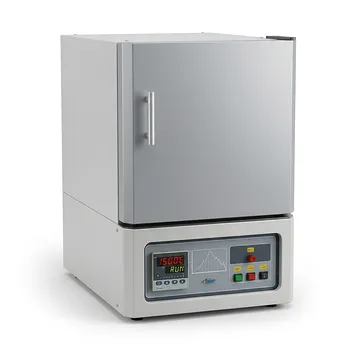
High Temperature 1500C Benchtop Muffle Furnace 3.6L Alumina Fiber Chamber Programmable Controller Sintering Annealing Carbonization Thermal Processing System

Compact High Temperature 1600C Tube Furnace with 50mm Alumina Tube and Vacuum Flanges for Material Sintering

High Temperature 1700C Tube Furnace with 4 Inch OD Alumina Tube and Vacuum Sealing Flanges

High Temperature 1700C Tube Furnace with High Vacuum Turbomolecular Pump System and Multi Channel Mass Flow Controller Gas Mixer
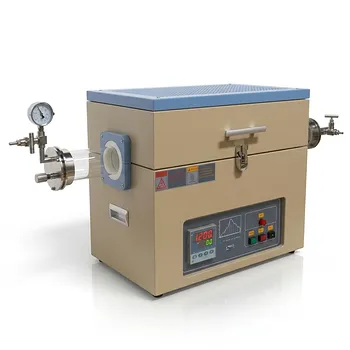
High Temperature 1200C Split Tube Furnace with Optional Quartz Tube Sizes and Vacuum Sealing Flanges for Material Science Research
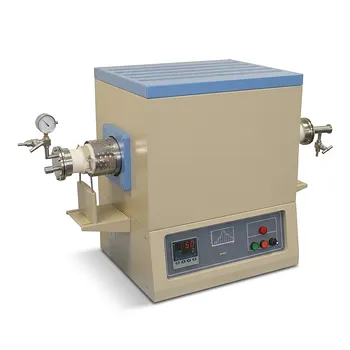
1700C High Temperature Alumina Tube Furnace with 18 Inch Heated Zone and Vacuum Sealing Flanges
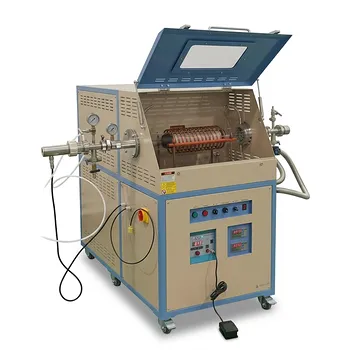
Ultra High Temperature 2300C Induction Heated Graphite Tube Furnace with Infrared Control
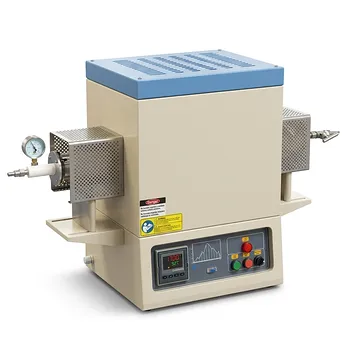
High Temperature Three Zone Tube Furnace 1700C with Alumina Tube and Water Cooled Flanges

High Temperature Automated 5 Inch Tube Furnace for Autonomous Material Research and Advanced Laboratory R&D

1750°C High Temperature Benchtop Vacuum Atmosphere Tube Furnace with Kanthal Super 1800 Heating Elements and 60mm Alumina Processing Tube

1800C High Temperature Compact Vacuum Tube Furnace with 60mm OD Alumina Tube and Kanthal MoSi2 Heating Elements

High Temperature 1700C Benchtop Tube Furnace with 5 Inch Heating Zone High Purity Alumina Tube and Vacuum Sealing Flanges
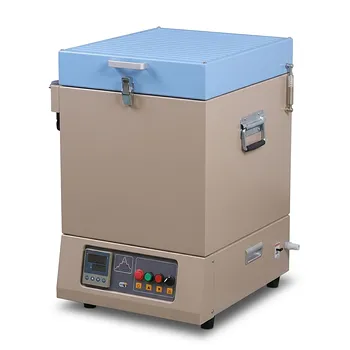
High Temperature Vertical Crucible Furnace with 22L Heating Chamber and 1200C Maximum Temperature
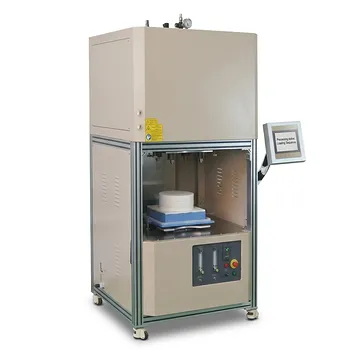
High Temperature Vertical Atmosphere Controlled Furnace with Automatic Bottom Loading and 1700°C Capacity for Advanced Material Research
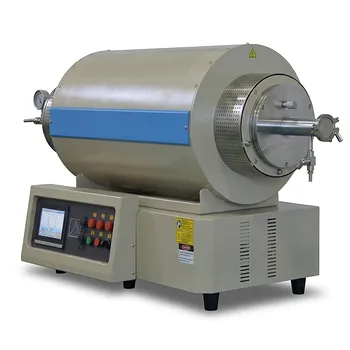
1200C Max Three Zone Tube Furnace 6 Inch OD Max with Tube and Flange
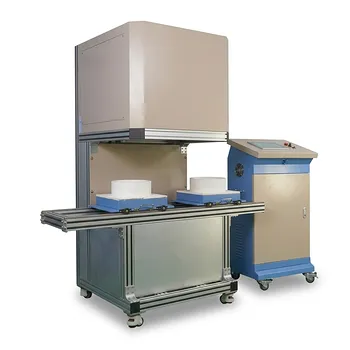
High Temperature Bottom Loading Vertical Furnace 1700C Dual Stage Sample Processing System 18L Large Capacity Thermal Treatment Equipment
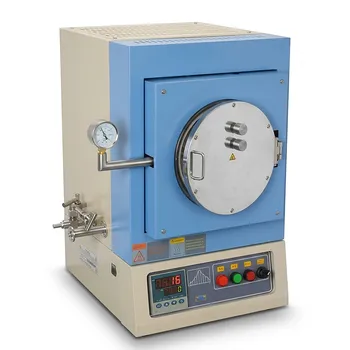
1100°C High Temperature Quartz Chamber Furnace 8 Inch OD with 7.6 Liter Capacity and Vacuum Atmosphere Capability