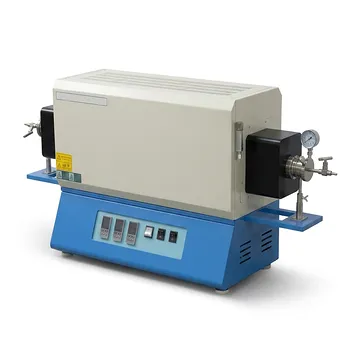
What role does a high-temperature tube furnace play in Fe-Mg-ZSM-5 catalyst regeneration? Optimize Catalyst Recovery
Updated 5 months ago
In the regeneration of spent Fe-Mg-ZSM-5 catalysts, a high-temperature tube furnace serves as a controlled oxidative reactor. It provides the precise thermal and atmospheric conditions—specifically a 600 °C air environment—required to combust carbonaceous deposits (coke) that accumulate during reaction cycles. This process is essential for clearing the zeolite’s internal pores and re-exposing the active iron and magnesium sites, effectively restoring the catalyst to its original performance levels.
Core Takeaway: The high-temperature tube furnace facilitates oxidative regeneration by using controlled air flow to burn off coke deposits. This restoration of the Fe-Mg-ZSM-5 pore structure and active sites is what enables the catalyst to be reused across multiple industrial cycles.
The Mechanism of Oxidative Regeneration
Combustion of Carbonaceous Deposits (Coke)
During catalytic processes, Fe-Mg-ZSM-5 catalysts inevitably accumulate coke, a carbon-rich byproduct that physically blocks access to the zeolite framework. The tube furnace provides a stable 600 °C environment which provides the necessary kinetic energy to trigger the combustion of these solids.
Restoration of the Zeolite Pore Structure
The primary role of the furnace is to facilitate the transition of solid carbon into gaseous carbon dioxide through oxidation. By removing these precipitates from the microporous structure, the furnace ensures that reactants can once again reach the internal active sites of the Fe-Mg-ZSM-5 matrix.
Reactivation of Fe and Mg Sites
The specific combination of high heat and oxygen flow does more than just clean the surface; it ensures the Fe and Mg active components are re-exposed. This thermal treatment helps maintain the integrity of the metal-support interactions that are critical for the catalyst's selectivity and activity.
The Strategic Importance of Gas Flow Control
Maintaining Precise Kinetic Conditions
Unlike a static environment, the gas flow control in a tube furnace allows for a constant supply of fresh air to the catalyst bed. This ensures that the concentration of oxygen remains high enough to sustain a complete and uniform oxidation of coke throughout the entire sample.
Removal of Gaseous Byproducts
Continuous gas flow acts as a carrier to sweep away the CO2 and water vapor produced during the combustion process. Preventing the accumulation of these byproducts is vital to maintain the chemical equilibrium required for rapid and efficient regeneration.
Atmospheric Purity and Protection
The quartz tube structure of the furnace provides a pure reaction atmosphere, shielding the catalyst from external contaminants. This isolation is crucial for Fe-Mg-ZSM-5, as impurities introduced during the high-temperature phase could lead to irreversible poisoning of the metal sites.
Understanding the Trade-offs and Risks
Thermal Dealumination and Sintering
While 600 °C is effective for regeneration, exceeding recommended temperatures can lead to thermal dealumination of the ZSM-5 framework. If the furnace temperature is not strictly controlled, the zeolite structure may collapse, leading to a permanent loss of surface area.
Risks of Inadequate Gas Flow
If the air flow is too low, "hot spots" can develop within the catalyst bed due to the exothermic nature of coke combustion. These localized temperature spikes can cause the sintering of iron or magnesium oxides, reducing the number of available active sites for the next reaction cycle.
Hydrothermal Aging
In the presence of moisture (often a byproduct of combustion), high temperatures can cause hydrothermal aging. This process can alter the ratio of Brønsted to Lewis acid sites, potentially changing the selectivity of the Fe-Mg-ZSM-5 catalyst over several regeneration cycles.
How to Apply This to Your Regeneration Protocol
To maximize the lifespan and efficiency of your Fe-Mg-ZSM-5 catalyst, your regeneration strategy should be tailored to your specific operational goals.
- If your primary focus is Maximum Activity Recovery: Utilize a steady flow of air at 600 °C with a slow temperature ramp (e.g., 2 °C/min) to ensure uniform coke removal without creating thermal stress.
- If your primary focus is Structural Longevity: Consider a multi-stage approach, starting with a nitrogen purge at 550 °C to remove volatiles before introducing air for the final oxidative stage.
- If your primary focus is Acid Site Tuning: Monitor the moisture content of your air stream, as controlled steam exposure at high temperatures can be used to intentionally adjust the mesopore volume and acidity.
Proper utilization of a tube furnace transforms catalyst regeneration from a simple cleaning step into a precise tool for maintaining long-term catalytic performance and economic efficiency.
Summary Table:
| Feature | Role in Regeneration | Critical Parameter |
|---|---|---|
| High Temperature | Provides kinetic energy for coke combustion | Stable 600 °C environment |
| Gas Flow Control | Ensures oxygen supply & removes CO2/vapor | Constant air flow rate |
| Quartz Tube | Provides atmospheric purity & isolation | Sealed reaction zone |
| Thermal Precision | Prevents dealumination & metal sintering | Slow ramp (e.g., 2°C/min) |
Elevate Your Catalyst Research with THERMUNITS Precision
Maintaining the integrity of Fe-Mg-ZSM-5 catalysts requires exact thermal profiles and atmosphere control. As a leading manufacturer of high-temperature laboratory equipment, THERMUNITS provides the advanced technology needed for efficient catalyst regeneration and innovative material synthesis.
From our high-precision Tube and Atmosphere Furnaces to specialized CVD/PECVD systems, Rotary Kilns, and Vacuum Induction Melting (VIM) furnaces, we empower R&D professionals in material science with tools that ensure repeatable, high-quality results. Whether you are performing routine heat treatment or complex gas-phase reactions, our equipment—including Muffle, Vacuum, and Hot Press furnaces—is designed to maximize active site reactivation while protecting your catalyst's structural longevity.
Ready to optimize your thermal processing workflow?
Contact THERMUNITS today to discuss your specific research needs with our technical experts and find the perfect thermal solution for your laboratory.
References
- Yincui Li, Huawei Zhang. Surface Modification of Fe-ZSM-5 Using Mg for a Reduced Catalytic Pyrolysis Temperature of Low-Density Polyethylene to Produce Light Olefin. DOI: 10.3390/catal14010078
Mentioned Products
- High Temperature 1700C Tube Furnace with High Vacuum Turbomolecular Pump System and Multi Channel Mass Flow Controller Gas Mixer
- High Temperature Vertical Tube Furnace for Small Solid Oxide Fuel Cell Testing with Four Channel Gas Control
- High Temperature Tilting Rotary Tube Furnace with Integrated Mass Flow Control and Multi Zone Heating
- High Temperature Hybrid Muffle and Tube Furnace with Vacuum Capability and PID Control
- High Temperature Tube Furnace 1500C with Sliding Flanges and 50mm OD for Rapid Thermal Processing Fast Heating and Cooling
People Also Ask
- What is the role of a high-temperature tube furnace in the calcination process of ZnO/In2O3 nanocomposites?
- What impact does the heating rate of a tube furnace have on biochar microstructure? Optimize Your Material R&D.
- What is the function of a high-temperature tube furnace in the synthesis of g-C3N4? Optimize Thermal Polycondensation
- What is the function of a high-temperature tube furnace in Fe-BN-C pyrolysis? Optimize Catalyst Active Site Formation
- What are the primary functions of a high-temperature tube furnace for Inconel 718? Master Debinding & Pre-sintering.

Tech Team · ThermUnits
Last updated on Apr 14, 2026
Related Products

High Temperature 1700C Tube Furnace with High Vacuum Turbomolecular Pump System and Multi Channel Mass Flow Controller Gas Mixer
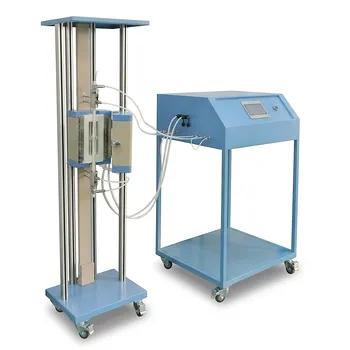
High Temperature Vertical Tube Furnace for Small Solid Oxide Fuel Cell Testing with Four Channel Gas Control
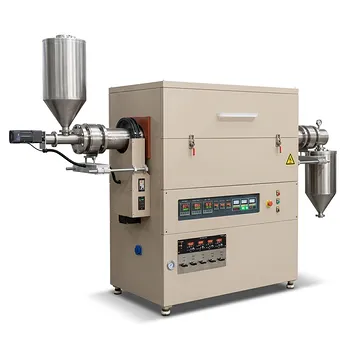
High Temperature Tilting Rotary Tube Furnace with Integrated Mass Flow Control and Multi Zone Heating
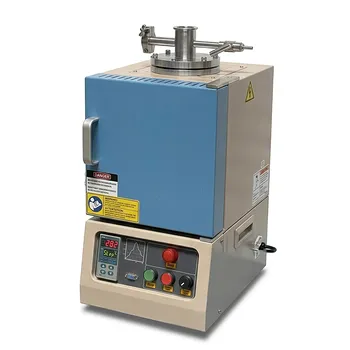
High Temperature Hybrid Muffle and Tube Furnace with Vacuum Capability and PID Control
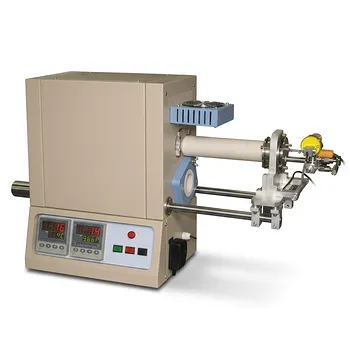
High Temperature Tube Furnace 1500C with Sliding Flanges and 50mm OD for Rapid Thermal Processing Fast Heating and Cooling
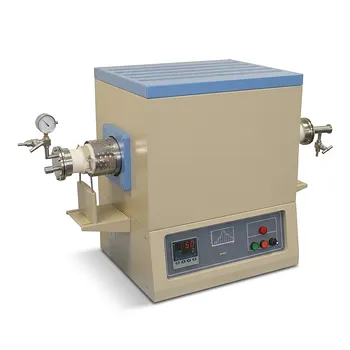
1700C High Temperature Alumina Tube Furnace with 18 Inch Heated Zone and Vacuum Sealing Flanges
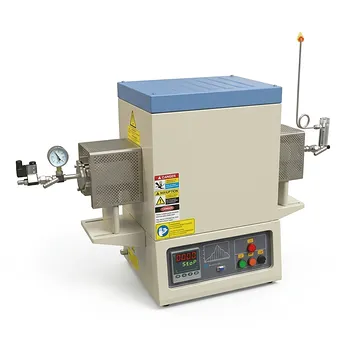
1700C Hydrogen Gas Tube Furnace with 60mm Alumina Process Tube and Integrated Hydrogen Safety Detector
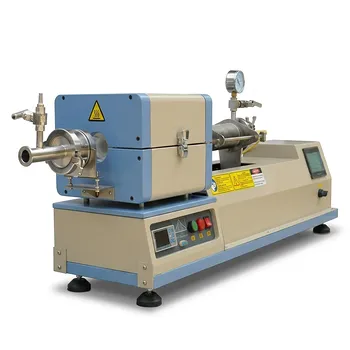
High Temperature 1200C Split Tube Furnace with Internal Travel Mechanism for HPCVD and Crystal Growth Research
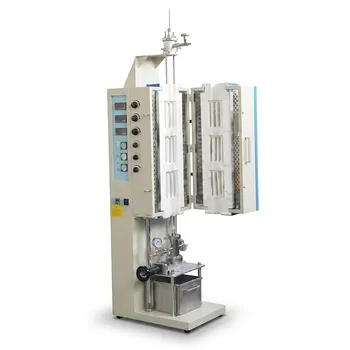
High Temperature Dual Zone Tube Furnace for Material Science Research and Professional Thermal Processing
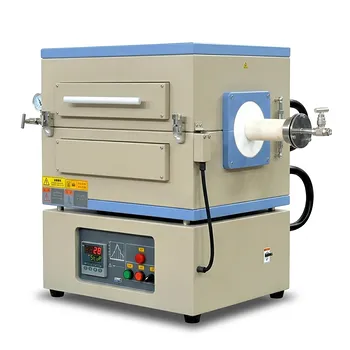
1500°C Split Tube Furnace with Alumina Tube and Vacuum Sealing Flanges for Material Research

High Temperature 1700C Six Zone Split Tube Furnace with Alumina Tube and Water Cooled Flanges
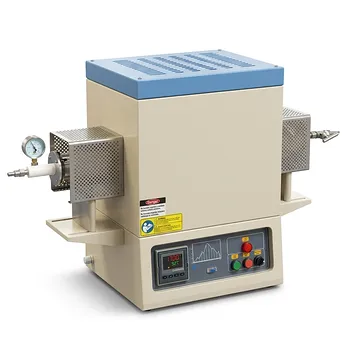
High Temperature Three Zone Tube Furnace 1700C with Alumina Tube and Water Cooled Flanges

High Temperature Automated 5 Inch Tube Furnace for Autonomous Material Research and Advanced Laboratory R&D

High Temperature 1700C Benchtop Tube Furnace with 5 Inch Heating Zone High Purity Alumina Tube and Vacuum Sealing Flanges
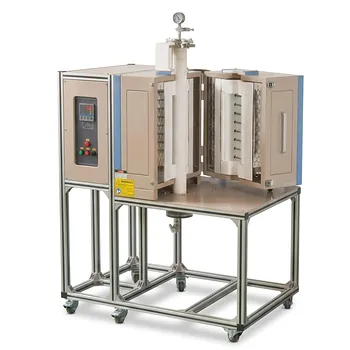
High Temperature 1700C Vertical Split Tube Furnace for Material Quenching and Single Crystal Growth
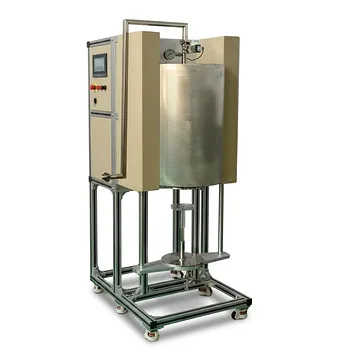
1200°C Atmosphere Controlled Automatic Bottom Loading Furnace with 6 Inch Quartz Tube
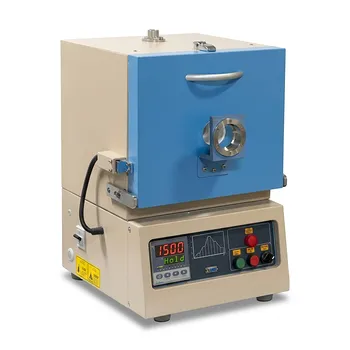
1500C Hybrid Muffle Tube Furnace 1.7L Box with 2 Inch Mullite Tube and Programmable PID Controller
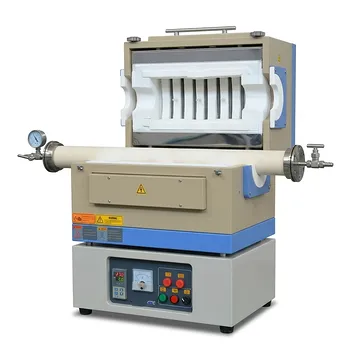
High Temperature 1600C Split Tube Furnace Vacuum Flanges Valves Optional 60mm 80mm Alumina Tube
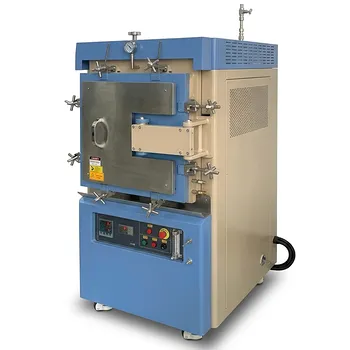
Atmosphere Controlled Muffle Furnace 1700C Maximum Temperature 80L High Capacity Vacuum Inert Gas Box Furnace