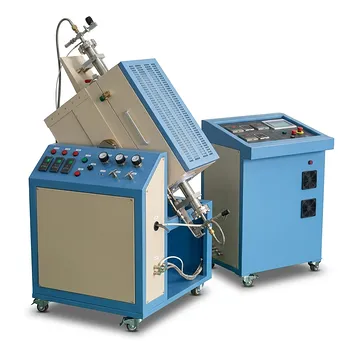
What is the critical function of a high-temperature tube furnace in Si/Al2O3/RGO synthesis? Key to Battery Innovation
Updated 3 months ago
The high-temperature tube furnace serves as the essential reactor for the thermal reduction and structural consolidation of the Si/Al2O3/RGO composite. By providing a controlled 700 °C environment, it facilitates the critical transformation of graphene oxide (GO) into reduced graphene oxide (RGO). This process creates a conductive, elastic carbon shell and ensures tight interfacial bonding between the silicon, alumina, and carbon components, completing the synthesis of the high-performance anode material.
The high-temperature tube furnace is the catalyst for structural transformation, simultaneously repairing the carbon framework for electrical conductivity and securing the material's mechanical integrity through precise thermal and atmospheric control.
Facilitating the Thermal Reduction of Graphene Oxide
Restoring Electrical Conductivity
The primary role of the furnace is to provide the thermal energy necessary to remove oxygen-containing functional groups from the GO precursor. This process repairs the sp2 hybrid structure of the carbon framework, transforming it into reduced graphene oxide (RGO). The resulting RGO network acts as an efficient electron conduction path, which is vital for the electrochemical activity of the silicon-based anode.
Creating an Elastic Carbon Shell
The heat treatment enables the RGO to form a protective, elastic shell around the silicon and alumina nanoparticles. This carbon shell provides the mechanical toughness required to accommodate the significant volume expansion of silicon during battery charging and discharging. Without this specific thermal process, the material would lack the structural resilience needed for long-term cycling.
Engineering Interfacial Bonding and Structural Integrity
Promoting Tight Interfacial Adhesion
At the 700 °C synthesis temperature, the furnace facilitates a high-energy environment that promotes tight interfacial bonding between the silicon, alumina, and RGO layers. This ensures that the three distinct components behave as a single, cohesive composite material. Strong adhesion is critical for maintaining interfacial contact, which prevents the degradation of the electrode during operation.
Precise Temperature and Uniformity
The furnace provides a stable thermal field and precise temperature curves that are necessary for consistent material morphology. Uniform heating ensures that the entire batch of precursor material undergoes the same degree of reduction and bonding. This level of control is essential for producing nanomaterials with specific, repeatable crystal structures.
Understanding Synthesis Trade-offs and Constraints
Risks of Temperature Deviation
If the furnace operates below the required 700 °C, the thermal reduction of GO may be incomplete, resulting in poor electrical conductivity. Conversely, exceeding the target temperature could lead to unwanted silicon grain growth or the formation of brittle phases that compromise the material's elasticity.
Atmospheric Contamination Risks
The synthesis requires a strictly controlled environment, often involving inert gases like argon or nitrogen to prevent oxidation. If the tube furnace fails to maintain an airtight seal or a constant flow of protective gas, the carbon and silicon components will oxidize at high temperatures. This contamination would significantly degrade the electrochemical performance and yield of the final composite.
Optimizing the Synthesis Process
To achieve the best results with a high-temperature tube furnace, the synthesis parameters must be aligned with the specific performance goals of the material.
- If your primary focus is electrical conductivity: Prioritize the thermal reduction stage by ensuring the furnace maintains a precise temperature and duration to fully restore the carbon framework.
- If your primary focus is structural longevity: Focus on the cooling rate and atmosphere control within the furnace to prevent thermal stress and ensure the integrity of the elastic carbon shell.
The high-temperature tube furnace is the indispensable tool for transforming precursor mixtures into functional, high-performance energy storage materials through precise thermal and chemical engineering.
Summary Table:
| Function | Key Process | Benefit to Material Performance |
|---|---|---|
| Thermal Reduction | GO to RGO conversion at 700 °C | Restores electrical conductivity and sp2 framework |
| Structural Coating | Formation of elastic carbon shell | Accommodates silicon volume expansion during cycling |
| Interfacial Bonding | High-energy thermal adhesion | Ensures cohesive integrity between Si, Al2O3, and RGO |
| Atmosphere Control | Inert gas (Ar/N2) environment | Prevents oxidation of silicon and carbon components |
| Thermal Precision | Uniform heating field | Guarantees consistent morphology and crystal structure |
Elevate Your Battery Research with THERMUNITS Precision
As a leading manufacturer of high-temperature laboratory equipment for material science and industrial R&D, THERMUNITS provides the thermal precision necessary for complex composite synthesis. Our advanced Tube Furnaces and Atmosphere Furnaces are specifically designed to handle the rigorous demands of Si/Al2O3/RGO production, ensuring perfect thermal reduction and atmospheric purity.
From Muffle and Vacuum furnaces to CVD/PECVD systems, Rotary Kilns, and Hot Press furnaces, we offer a comprehensive range of solutions tailored to your specific heat treatment needs.
Ready to optimize your material synthesis? Contact us today to consult with our experts and discover how THERMUNITS can enhance your laboratory's efficiency and research outcomes.
References
- Xiangyu Tan, Xin Cai. Reduced graphene oxide-encaged submicron-silicon anode interfacially stabilized by Al<sub>2</sub>O<sub>3</sub> nanoparticles for efficient lithium-ion batteries. DOI: 10.1039/d4ra00751d
Mentioned Products
- High Temperature Tube Furnace 1500C with Sliding Flanges and 50mm OD for Rapid Thermal Processing Fast Heating and Cooling
- High Temperature 1700C Tube Furnace with High Vacuum Turbomolecular Pump System and Multi Channel Mass Flow Controller Gas Mixer
- 1750°C High Temperature Benchtop Vacuum Atmosphere Tube Furnace with Kanthal Super 1800 Heating Elements and 60mm Alumina Processing Tube
- High Temperature 1700C Benchtop Tube Furnace with 5 Inch Heating Zone High Purity Alumina Tube and Vacuum Sealing Flanges
- 1700C High Temperature Alumina Tube Furnace with 18 Inch Heated Zone and Vacuum Sealing Flanges
People Also Ask
- How are high-temperature tube furnaces utilized to repair etching damage? Precision Lattice Restoration Solutions
- What core conditions does a high-temperature tube furnace provide for rGO aerogels? Mastering Precision Synthesis.
- What role does a high-temperature tube furnace play in CVD synthesis of silicon nanowires? Master VLS Growth Precision.
- How does precision tube furnace control influence CoFe nanoparticle formation? Master Your Bimetallic Synthesis.
- What role does a high-temperature tube furnace play in the sulfidation heat treatment of CoS@C/MXene nanocomposites? Guide

Tech Team · ThermUnits
Last updated on Jun 02, 2026
Related Products

High Temperature Tube Furnace 1500C with Sliding Flanges and 50mm OD for Rapid Thermal Processing Fast Heating and Cooling

High Temperature 1700C Tube Furnace with High Vacuum Turbomolecular Pump System and Multi Channel Mass Flow Controller Gas Mixer
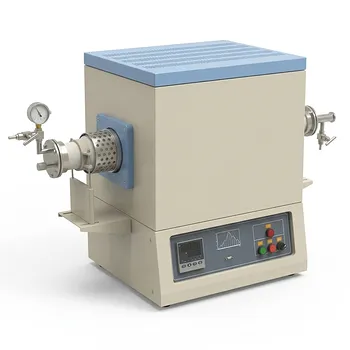
1750°C High Temperature Benchtop Vacuum Atmosphere Tube Furnace with Kanthal Super 1800 Heating Elements and 60mm Alumina Processing Tube

High Temperature 1700C Benchtop Tube Furnace with 5 Inch Heating Zone High Purity Alumina Tube and Vacuum Sealing Flanges
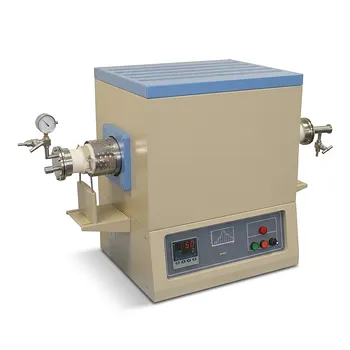
1700C High Temperature Alumina Tube Furnace with 18 Inch Heated Zone and Vacuum Sealing Flanges
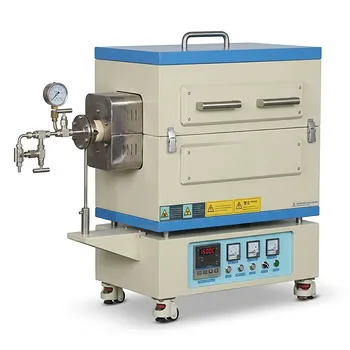
High Temperature Split Tube Furnace 1500C for Material Research Vacuum and Atmosphere Thermal Processing

1800C High Temperature Compact Vacuum Tube Furnace with 60mm OD Alumina Tube and Kanthal MoSi2 Heating Elements

Compact High Temperature 1600C Tube Furnace with 50mm Alumina Tube and Vacuum Flanges for Material Sintering
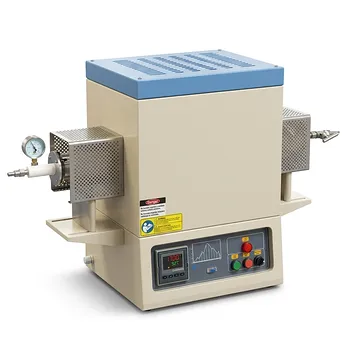
High Temperature Three Zone Tube Furnace 1700C with Alumina Tube and Water Cooled Flanges
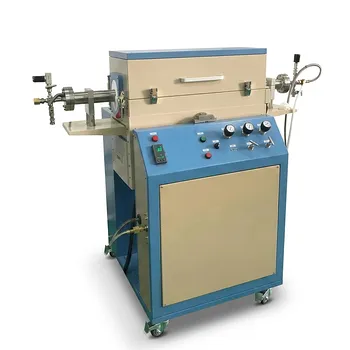
High Temperature Rocking Tube Furnace 1700°C Alumina Processing Tube with Precision Oscillation for Material Synthesis
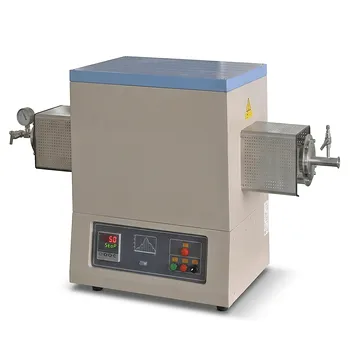
High Temperature 1700C Tube Furnace with 4 Inch OD Alumina Tube and Vacuum Sealing Flanges

High Temperature 1700C Vertical Tube Furnace for Powder Spherification and Material Sintering
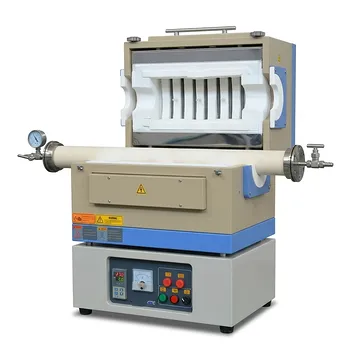
High Temperature 1600C Split Tube Furnace Vacuum Flanges Valves Optional 60mm 80mm Alumina Tube

High Temperature Automated 5 Inch Tube Furnace for Autonomous Material Research and Advanced Laboratory R&D

High Temperature 1700C Six Zone Split Tube Furnace with Alumina Tube and Water Cooled Flanges
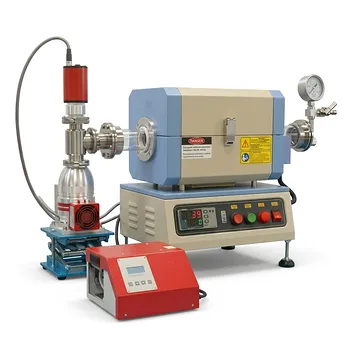
High Vacuum Compact Tube Furnace 1200C with Integrated Turbo Pump System and 8 Inch Heating Zone
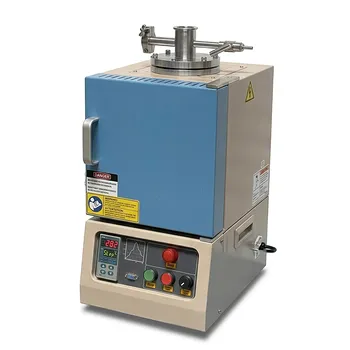
High Temperature Hybrid Muffle and Tube Furnace with Vacuum Capability and PID Control
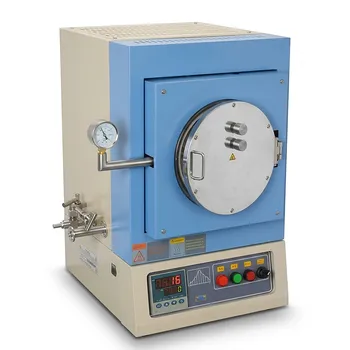
1100°C High Temperature Quartz Chamber Furnace 8 Inch OD with 7.6 Liter Capacity and Vacuum Atmosphere Capability

1100C Tube Furnace with Vacuum Flange and Programmable Temperature Controller for Material Science and Industrial Heat Treatment