What role does a horizontal tube atmosphere furnace play in the conversion of macroalgae into biochar? Master Precision
Updated 5 months ago
The horizontal tube atmosphere furnace is the primary reactor for macroalgae pyrolysis, providing the controlled environment necessary to transform organic biomass into carbon-rich biochar. This equipment facilitates the thermochemical decomposition of algae by maintaining precise high temperatures—typically around 600°C—within a sealed, oxygen-deprived chamber. By preventing combustion, the furnace allows organic components to reorganize into a stable, porous carbon structure with high fixed carbon content.
Core Takeaway: A horizontal tube atmosphere furnace serves as a high-precision thermal processing platform that ensures biomass undergoes carbonization rather than combustion. Its ability to strictly control temperature, heating rates, and atmospheric composition is what dictates the final biochar's porosity and chemical stability.
Creating an Optimal Pyrolysis Environment
Maintaining Anaerobic Conditions
The furnace establishes a strictly oxygen-free or oxygen-limited environment, often through the continuous flow of inert gases like nitrogen or helium. This anaerobic state is critical because it prevents the macroalgae from catching fire and turning into ash.
Instead of burning, the organic matter undergoes pyrolysis, a process where heat breaks chemical bonds in the absence of oxygen. This ensures that the carbon remains within the solid biochar rather than being lost to the atmosphere as carbon dioxide.
Precision Temperature Management
The horizontal tube furnace allows for exact regulation of the peak pyrolysis temperature, which generally ranges from 300°C to 800°C depending on the desired biochar properties. High-quality furnaces can maintain a constant temperature for a specific residence time, usually between 30 minutes and 3 hours.
This thermal consistency is vital for macroalgae, which can be sensitive to fluctuations. Steady heat ensures that the entire batch of biomass reaches the necessary energy threshold for thermochemical conversion without leaving raw, unreacted material.
Facilitating Chemical and Structural Transformation
Driving Volatile Matter Removal
As the macroalgae heats up, the furnace environment facilitates the release of volatile matter—gases and vapors trapped within the biomass. The horizontal flow of the furnace helps sweep these volatiles away from the solid material.
The removal of these volatiles is what creates the porous structure characteristic of high-quality biochar. By extracting the non-carbon elements, the furnace concentrates the fixed carbon content, resulting in a more stable and "pure" carbon product.
Reorganizing Carbon Frameworks
At high temperatures, the furnace promotes the reorganization of carbon atoms into graphitic or amorphous frameworks. This structural evolution is what gives biochar its durability and high surface area.
The furnace also allows for the controlled formation of functional groups on the biochar surface. These chemical "hooks" are essential if the biochar is intended for specialized uses, such as water filtration or soil amendment.
Understanding the Trade-offs and Limitations
Throughput vs. Precision
While horizontal tube furnaces offer unmatched precision for laboratory and small-batch production, they have limited throughput. They are designed for consistency and study rather than massive industrial-scale processing of macroalgae.
Energy Consumption and Cooling
Maintaining high temperatures for extended residence times requires significant energy input. Furthermore, because the tube is sealed to maintain the atmosphere, cooling the material down to a safe handling temperature can take a considerable amount of time.
Seal Integrity and Maintenance
The effectiveness of the furnace depends entirely on the integrity of its seals. Even a minor leak that allows oxygen to enter can ruin a batch by causing partial combustion, which lowers the fixed carbon content and degrades the pore structure.
Applying This Technology to Your Goals
To achieve the best results when converting macroalgae into biochar, your operational parameters must align with your intended end-use.
- If your primary focus is Maximum Carbon Stability: Set the furnace to a higher temperature (600°C–800°C) and a longer residence time to ensure the complete removal of volatiles and the formation of a rigid carbon skeleton.
- If your primary focus is High Biochar Yield: Utilize a lower pyrolysis temperature (around 300°C–400°C) and a faster heating rate to minimize the loss of mass to gasification.
- If your primary focus is Surface Area and Porosity: Focus on a moderate temperature with a steady inert gas flow to effectively clear out volatiles and prevent the pore structures from collapsing.
By mastering the variables within the horizontal tube atmosphere furnace, you can precisely engineer macroalgae biochar to meet the specific requirements of your technical application.
Summary Table:
| Key Feature | Role in Macroalgae Conversion | Technical Impact |
|---|---|---|
| Anaerobic Environment | Prevents combustion of biomass | Maximizes fixed carbon retention |
| Temperature Control | Regulates pyrolysis (300°C–800°C) | Dictates biochar stability and yield |
| Atmosphere Flow | Sweeps away volatile gases | Develops high surface area and porosity |
| Thermal Uniformity | Ensures consistent heat distribution | Eliminates unreacted material batches |
Elevate Your Biochar Research with THERMUNITS
Precision is the difference between ash and high-quality biochar. THERMUNITS is a leading manufacturer of high-temperature laboratory equipment dedicated to supporting material science and industrial R&D.
We offer a comprehensive range of thermal processing solutions tailored for your specific needs, including:
- Horizontal Tube & Atmosphere Furnaces for precise pyrolysis.
- Vacuum & Muffle Furnaces for diverse heat treatments.
- CVD/PECVD Systems and Rotary Kilns for advanced material synthesis.
- Vacuum Induction Melting (VIM) and Hot Press Furnaces.
Whether you are optimizing carbon stability or maximizing biochar yield, our equipment provides the reliability and control your laboratory demands.
Ready to upgrade your thermal processing capabilities?
Contact our technical experts today to find the ideal solution for your research goals.
References
- Anjon Kumar Mondal, Unnikrishnan Kuzhiumparambil. Macroalgae-based biochar: preparation and characterization of physicochemical properties for potential applications. DOI: 10.1039/d4su00008k
Mentioned Products
- Vertical 1700C Vacuum and Atmosphere Tube Furnace with 80mm Alumina Tube
- Multi Position Tube Furnace 1100C for Laboratory Material Research and Advanced Industrial Thermal Processing
- 1200°C 10-Zone Split Tube Furnace with Horizontal and Vertical Mounting for Multi-Zone Thermal Gradients and Large Diameter Material Processing
- Compact Vertical Split Quartz Tube Furnace with Stainless Steel Vacuum Flanges for Rapid Thermal Quenching and Controlled Atmosphere Material Processing
- Ten Zone Multi Orientation Laboratory Tube Furnace for 1200C High Temperature Gradient Thermal Processing
People Also Ask
- How is an industrial-grade vertical tube furnace utilized in smelting leaching residues? Enhance Metal Recovery Efficiency
- What is the function of a laboratory-grade vertical tube furnace in fast pyrolysis? Optimize Composite Research.
- How does a vertical tube furnace facilitate thermoelectric alloy melting? Precision synthesis for material homogeneity.
- Why is a thermocouple sensor indispensable for monitoring the vertical tube furnace during gallium oxide nanowire production? Optimize VLS Growth
- What are the advantages of using a vertical tube furnace for crucible experiments simulating steel-slag interactions?

Tech Team · ThermUnits
Last updated on Apr 14, 2026
Related Products

Vertical 1700C Vacuum and Atmosphere Tube Furnace with 80mm Alumina Tube
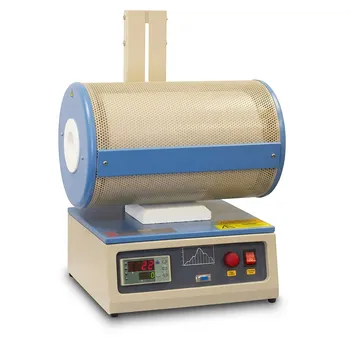
Multi Position Tube Furnace 1100C for Laboratory Material Research and Advanced Industrial Thermal Processing
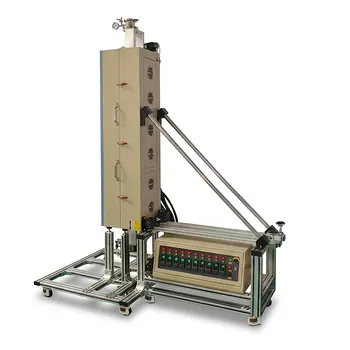
1200°C 10-Zone Split Tube Furnace with Horizontal and Vertical Mounting for Multi-Zone Thermal Gradients and Large Diameter Material Processing

Compact Vertical Split Quartz Tube Furnace with Stainless Steel Vacuum Flanges for Rapid Thermal Quenching and Controlled Atmosphere Material Processing
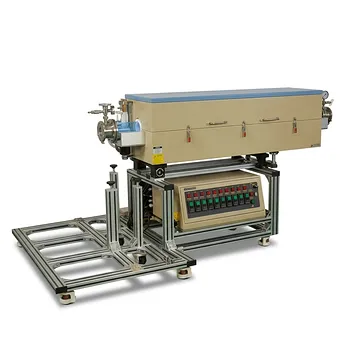
Ten Zone Multi Orientation Laboratory Tube Furnace for 1200C High Temperature Gradient Thermal Processing

Three Zone Tube Furnace with 11 Inch or 15 Inch Quartz Tube and Hinged Flanges for Vacuum Atmosphere Heat Treatment
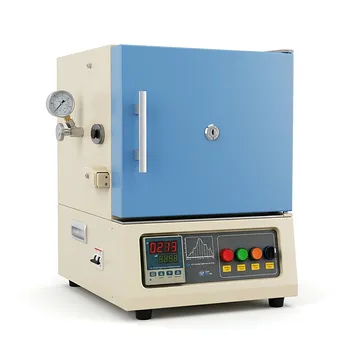
1200C Hybrid Muffle and Tube Furnace for Material Research with Dual Atmosphere Control Quartz Tubes
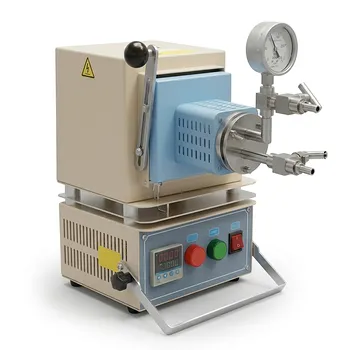
Compact Hybrid Muffle and Tube Furnace for 1000C Controlled Atmosphere Laboratory Material Sintering

High Temperature 1700C Vertical Tube Furnace for Powder Spherification and Material Sintering

1750°C High Temperature Benchtop Vacuum Atmosphere Tube Furnace with Kanthal Super 1800 Heating Elements and 60mm Alumina Processing Tube

1700C High Temperature Alumina Tube Furnace with 18 Inch Heated Zone and Vacuum Sealing Flanges
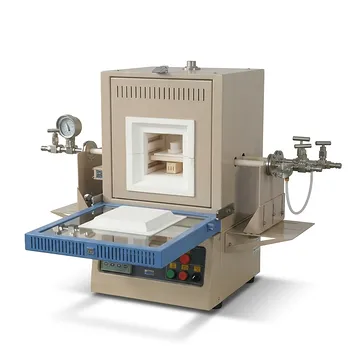
1700C Compact Hybrid Furnace with Dual Layer Box Sintering and Controlled Atmosphere Alumina Tubes
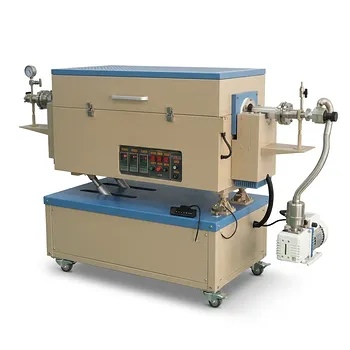
Three Zone Rotary Tube Furnace for High Temperature Powder Processing and Material Research

High Temperature 1700C Six Zone Split Tube Furnace with Alumina Tube and Water Cooled Flanges
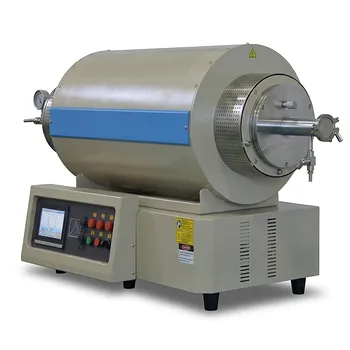
1200C Max Three Zone Tube Furnace 6 Inch OD Max with Tube and Flange
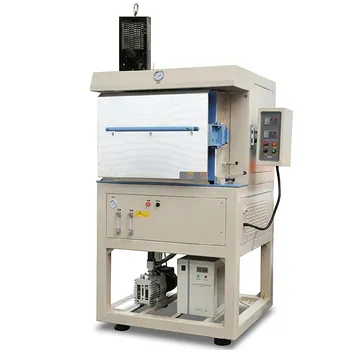
1200C Hydrogen Atmosphere Box Furnace with 5 Heated Sides and 64L Chamber

1200°C 5 Inch Vertical Quartz Tube Furnace with Stainless Steel Vacuum Flanges
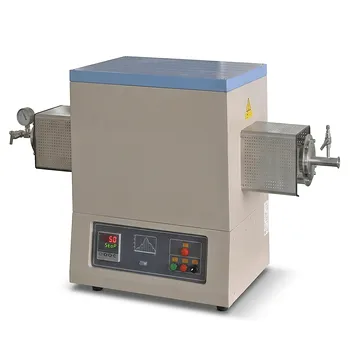
High Temperature 1700C Tube Furnace with 4 Inch OD Alumina Tube and Vacuum Sealing Flanges

High Temperature Automated 5 Inch Tube Furnace for Autonomous Material Research and Advanced Laboratory R&D
