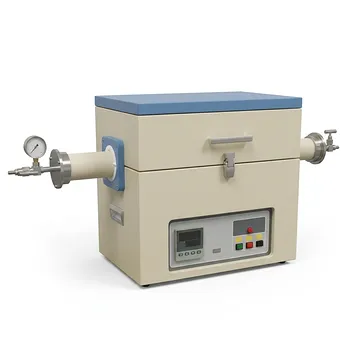
What role does a horizontal tube furnace play in the preparation of magnesium-doped chromium diffusion layers? Expert Guide
Updated 3 months ago
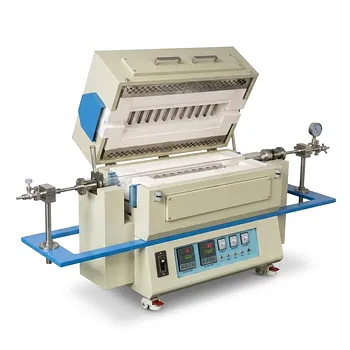
The horizontal tube furnace serves as the high-precision thermal reactor necessary to drive the solid-state diffusion of chromium and magnesium into a substrate. By maintaining constant temperatures, such as 1050°C for durations of up to 8 hours, the furnace provides the kinetic energy required for atoms to penetrate the crystal lattice of the target material. Its sealed architecture further allows for the manipulation of the internal atmosphere, ensuring the chemical environment remains conducive to the doping process.
The horizontal tube furnace is the critical enabler for magnesium-doped chromizing, providing the dual requirements of sustained high-temperature energy and a controlled chemical atmosphere. Without this precise environment, the chromium and magnesium atoms would lack the mobility to form a stable, integrated diffusion layer.
Thermal Precision and Kinetic Activation
Sustaining High-Temperature Stability
The preparation of diffusion layers requires a stable thermal field to ensure uniform atomic migration. A horizontal tube furnace is engineered to maintain high operating temperatures, often reaching 1050°C, with minimal fluctuation over extended periods. This stability is vital because even minor temperature drops can stall the diffusion process or result in an uneven layer thickness.
Providing Energy for Solid-State Diffusion
Diffusion is a thermally activated process where atoms move from areas of high concentration to the substrate. The furnace provides the necessary physical energy to break atomic bonds and allow chromium and magnesium atoms to "jump" into the lattice sites of the metal matrix. This results in an irreversible bond that transforms the surface properties of the material.
Managing Extended Processing Cycles
The formation of a robust magnesium-doped layer is not instantaneous and often requires several hours of soaking time. The furnace is designed for these long-duty cycles, ensuring that the structural integrity of the heating elements and the tube itself remains intact during 8-hour treatments. This reliability is essential for achieving the desired depth and concentration of the doped layer.
Atmospheric Management and Chemical Integrity
Preventing Re-oxidation of Magnesium
Magnesium is highly reactive, particularly when in a vapor or high-temperature state. The sealed structure of the horizontal tube furnace prevents oxygen from entering the chamber, which would otherwise cause the magnesium to oxidize into magnesium oxide (MgO). By excluding oxygen, the furnace ensures that the magnesium remains in a state capable of diffusing into the chromium layer.
Regulation of the Internal Environment
Beyond simply sealing out air, the tube furnace allows for the introduction of specific gases, such as high-purity argon, to create an inert environment. This is similar to the processes used in silicothermic reduction, where a controlled atmosphere is used to protect metallic vapors. In chromizing, this control ensures that the chemical reactions are limited strictly to the intended precursors and the substrate.
Faciliating Precursor Evaporation
The horizontal design often facilitates a temperature gradient where precursors can be placed in a specific "hot zone" to sublimate or react. As these precursors vaporize, the controlled flow within the tube transports the reactive species to the substrate. This ensures an even distribution of the magnesium and chromium atoms across the entire surface of the part being treated.
Understanding the Trade-offs
Throughput and Scaling Limitations
While horizontal tube furnaces offer superior environmental control, they are typically limited by the diameter of the tube. This makes them ideal for laboratory research and small-batch precision components but less efficient for high-volume industrial production compared to large-batch furnaces.
Temperature Gradients and Uniformity
The "high aspect ratio" of a tube furnace can lead to axial temperature gradients where the center is hotter than the ends. If the substrate is too large or improperly positioned, the diffusion layer may be inconsistent in thickness or composition. Operators must carefully calibrate the "constant temperature zone" to ensure the entire part receives the same thermal treatment.
Making the Right Choice for Your Goal
How to Apply This to Your Project
Selecting and operating a horizontal tube furnace requires balancing your specific material needs with the furnace's capabilities.
- If your primary focus is Maximum Diffusion Depth: Prioritize a furnace with high thermal stability over long durations (8+ hours) to allow atoms ample time to penetrate the substrate.
- If your primary focus is Chemical Purity of the Layer: Ensure the furnace has high-quality vacuum seals and the ability to purge with high-purity inert gases to prevent magnesium oxidation.
- If your primary focus is Uniformity Across Large Samples: Identify the furnace’s "sweet spot" or constant temperature zone and ensure your substrate does not extend into the cooler transition zones near the tube ends.
By mastering the thermal and atmospheric variables within the horizontal tube furnace, you can achieve a highly stable and chemically optimized magnesium-doped chromium diffusion layer.
Summary Table:
| Key Function | Technical Purpose | Impact on Diffusion Layer |
|---|---|---|
| Thermal Stability | Maintains 1050°C for 8+ hours | Ensures uniform layer thickness and prevents process stalls. |
| Kinetic Activation | Provides atomic mobility energy | Facilitates chromium and magnesium penetration into the lattice. |
| Sealed Architecture | Prevents magnesium re-oxidation | Maintains chemical purity by excluding oxygen and forming MgO. |
| Gas Management | Enables inert argon/vacuum environments | Protects precursor vapors and ensures a controlled chemical reaction. |
Elevate Your Material Research with THERMUNITS Precision
Is your R&D process demanding absolute thermal precision and atmospheric control? THERMUNITS is a leading manufacturer of high-performance laboratory heat treatment equipment specifically designed for material science and industrial R&D. We provide the robust tools needed to achieve high-quality diffusion layers and advanced material synthesis.
Our comprehensive product lineup includes:
- Advanced Furnaces: Tube (Horizontal/Vertical), Muffle, Vacuum, Atmosphere, Rotary, and Hot Press furnaces.
- Specialized Systems: CVD/PECVD systems, Dental Furnaces, and Vacuum Induction Melting (VIM) furnaces.
- Industrial Solutions: Electric rotary kilns and high-quality Thermal Elements.
Whether you are scaling magnesium-doped chromizing or exploring new thin-film architectures, THERMUNITS delivers the reliability and technical support your project deserves.
Ready to optimize your thermal processing? Contact our engineering team today to find the perfect furnace solution for your laboratory.
References
- Sarra DJEMMAH, H. Bouchafaa. Investigation of microstructural and electrochemical behavior of chromized-doped layers with variant magnesium concentrations. DOI: 10.1007/s12046-024-02573-1
Mentioned Products
- 1200°C 10-Zone Split Tube Furnace with Horizontal and Vertical Mounting for Multi-Zone Thermal Gradients and Large Diameter Material Processing
- Ten Zone Multi Orientation Laboratory Tube Furnace for 1200C High Temperature Gradient Thermal Processing
- 1200C Max Dual Sliding Tube Furnace with 50 mm Tube Flanges for CVD
- 1200C Sliding Tube Furnace for Rapid Thermal Processing and CVD Graphene Growth with 100mm OD Capacity
- 1200C Tube Furnace with Internal Magnetic Sample Sliding for Direct Vaporizing Deposition and Rapid Thermal Processing
People Also Ask
- What is the primary engineering purpose for using a customized ventilation hood when operating a split tube furnace? RCF Safety
- What are the technical advantages of using a multi-zone independently controlled tube furnace in the modified USP process?
- How does a split tube furnace contribute to the thermal stabilization of Clignin@H-TiO2? Achieve Structural Precision
- What are the specific advantages and use cases for a split tube furnace? Optimize Lab Efficiency & Material Research
- What are the advantages of using a split tube furnace for heating a catalytic reactor? Boost Efficiency and Precision

Tech Team · ThermUnits
Last updated on Jun 02, 2026
Related Products
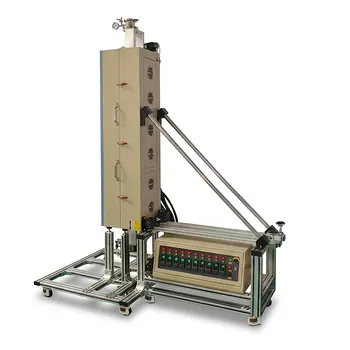
1200°C 10-Zone Split Tube Furnace with Horizontal and Vertical Mounting for Multi-Zone Thermal Gradients and Large Diameter Material Processing
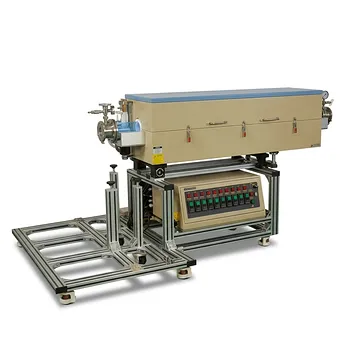
Ten Zone Multi Orientation Laboratory Tube Furnace for 1200C High Temperature Gradient Thermal Processing
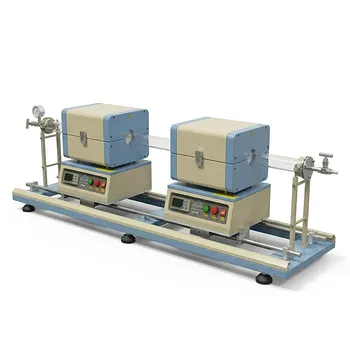
1200C Max Dual Sliding Tube Furnace with 50 mm Tube Flanges for CVD
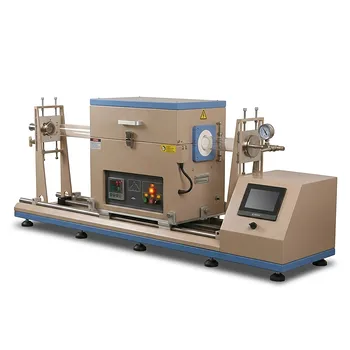
1200C Sliding Tube Furnace for Rapid Thermal Processing and CVD Graphene Growth with 100mm OD Capacity
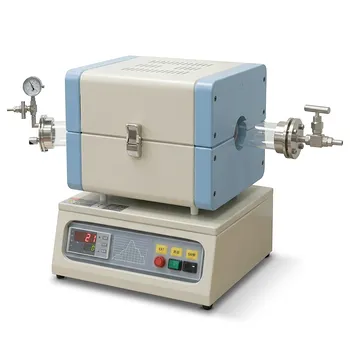
1200C Tube Furnace with Internal Magnetic Sample Sliding for Direct Vaporizing Deposition and Rapid Thermal Processing
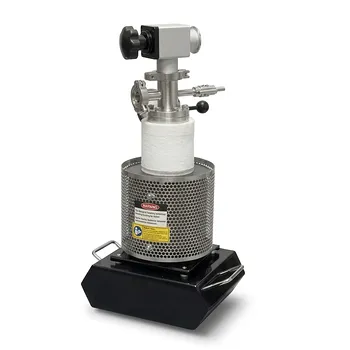
High Temperature 1100C Compact Top Loading Vertical Vacuum Tube Furnace for High Vacuum Noble Metal Melting and Material Research

Compact Vertical Split Quartz Tube Furnace with Stainless Steel Vacuum Flanges for Rapid Thermal Quenching and Controlled Atmosphere Material Processing
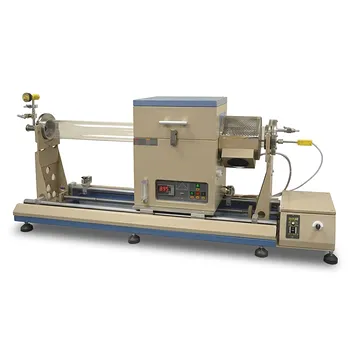
900 ºC Max Sliding RTP Tube Furnace with Rapid IR Heating and 4 Inch OD Quartz Tube
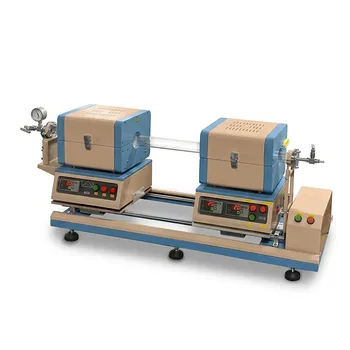
High Temperature 1200C Automatic Sliding Dual Zone Tube Furnace for 2D Transition Metal Dichalcogenides Growth and Material Sublimation Research

Vertical 1700C Vacuum and Atmosphere Tube Furnace with 80mm Alumina Tube

1200°C 5 Inch Vertical Quartz Tube Furnace with Stainless Steel Vacuum Flanges
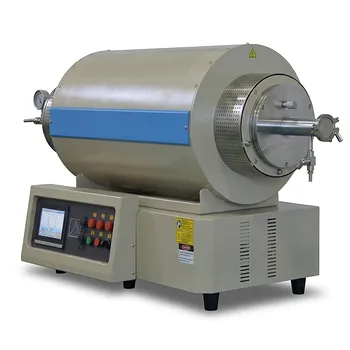
1200C Max Three Zone Tube Furnace 6 Inch OD Max with Tube and Flange
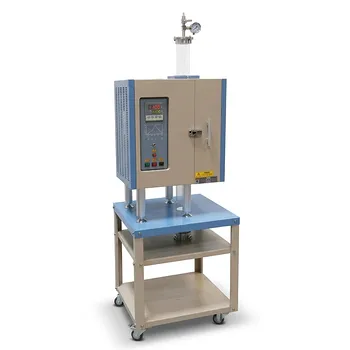
1100°C Split Vertical Tube Furnace with 80mm Quartz Tube and Stainless Steel Vacuum Flanges
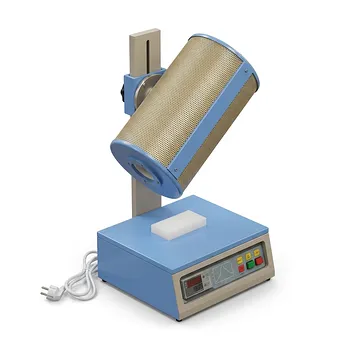
1100°C Vertical Laboratory Furnace for DIY Tubular Reactors with PID Temperature Controller
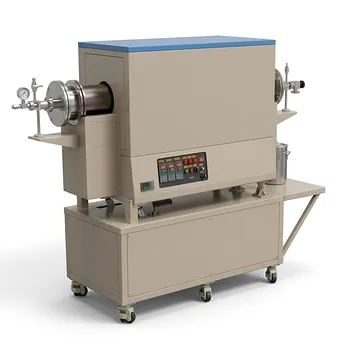
900°C Max Rotary Tube Furnace with 8 Inch 310S Alloy Tube and Optional Multi Zone Heating for Industrial Material Calcination
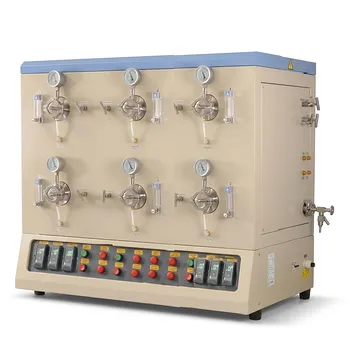
1200C High Throughput Multi Channel Tube Furnace with 50mm Quartz Tubes for Annealing and Material Phase Diagram Research
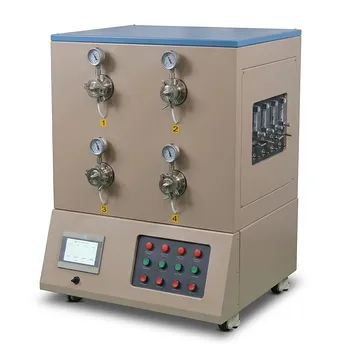
High Throughput 1200C Four Channel Tube Furnace with 3 Inch Quartz Tubes for Multi Zone Annealing and Material Research
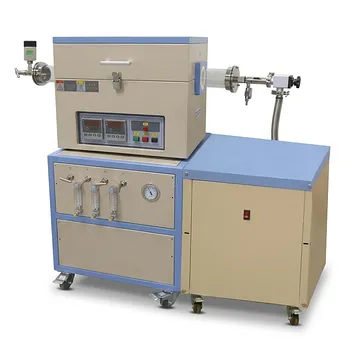
Dual Zone Quartz Tube Furnace with 80mm Diameter 1200C Max Temperature 3 Channel Gas Mixer and Vacuum Pump System
High Temperature Dual Zone Rotating Tube Furnace 1500C Silicon Carbide Heating for Advanced Material Synthesis