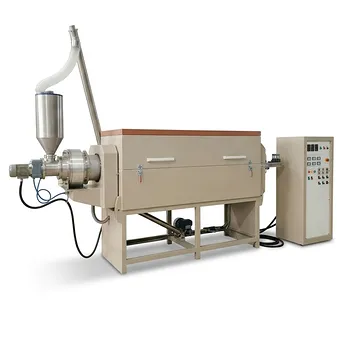
What role does a horizontal tube furnace play in the sludge pyrolysis process? Optimize Biochar and Syngas Yields
Updated 3 months ago
In the sludge pyrolysis process, the horizontal tube furnace acts as the primary thermochemical reactor. It provides the high-precision thermal environment and oxygen-free atmosphere required to decompose complex organic matter into biochar, pyrolytic oil, and syngas. By maintaining temperatures typically between 350°C and 700°C, the furnace ensures that sludge undergoes controlled cracking and carbon reorganization rather than simple combustion.
The horizontal tube furnace is the fundamental tool for converting sludge into value-added products, utilizing precise temperature gradients and inert gas purging to facilitate anaerobic decomposition and carbon stabilization.
Precision Thermal Management for Sludge Conversion
Controlled Temperature for Material Cracking
The horizontal tube furnace provides a stable high-temperature environment that triggers the thermochemical conversion of organic compounds. Precise control over heating rates, often around 10 °C/min, allows for the gradual breakdown of complex molecular chains within the sludge.
Devolatilization and Carbon Reorganization
As the sludge reaches specific temperature thresholds, the furnace facilitates devolatilization, effectively removing volatile organic matter. This process allows the remaining carbon elements to reorganize into stable graphitic or amorphous carbon frameworks, which are essential for producing high-quality biochar.
Regulating Product Characteristics
By using a programmable temperature control system, researchers can adjust the residence time and peak temperature to fine-tune the resulting biochar. This level of precision is the primary mechanism for regulating the specific surface area, porosity, and surface functional groups of the final product.
Maintaining an Inert Environment for Anaerobic Reactions
Preventing Oxidation and Combustion
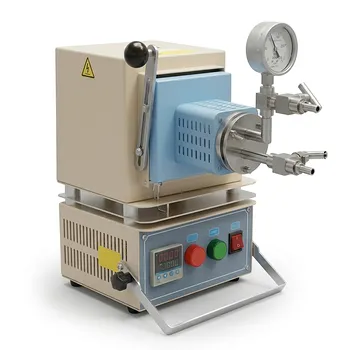
The horizontal design, equipped with sealed flanges, is critical for introducing high-purity nitrogen or argon. This continuous purge creates a strict inert atmosphere, ensuring the material decomposes via pyrolysis rather than burning in the presence of oxygen.
Facilitating Anaerobic Gas Study
Maintaining an oxygen-deficient state allows for the accurate study of gas release under true anaerobic conditions. This is vital for researchers looking to analyze the specific chemical pathways of dealkylation and dehydrogenation that occur during the process.
Supporting Downstream Collection
The configuration of a horizontal tube furnace allows for the seamless connection of downstream devices, such as condensation and absorption units. This setup enables the complete collection and study of migration paths for pyrolysis products, including char, tar, and non-condensable gases.
Understanding the Trade-offs and Limitations
Batch Processing vs. Industrial Scale
While horizontal tube furnaces offer unparalleled precision for laboratory research and small-scale biochar production, they are typically batch-operated. This makes them less suitable for the continuous, high-volume processing required in large-scale municipal waste management.
Material Loading and Heat Distribution
The horizontal orientation can sometimes lead to temperature gradients within the sample bed if the material is too dense. Proper sample distribution is necessary to ensure that the core of the sludge mass reaches the target temperature simultaneously with the surface.
Management of Corrosive Byproducts
Sludge pyrolysis can release sulfur or chlorine-based gases that may interact with the furnace tube or flanges. Regular maintenance and the selection of chemically resistant tube materials (like quartz or alumina) are necessary to prevent equipment degradation over time.
How to Apply This to Your Project
Making the Right Choice for Your Goal
To maximize the effectiveness of a horizontal tube furnace in your sludge treatment workflow, consider the following strategic focuses:
- If your primary focus is Biochar Quality: Prioritize a furnace with a high-precision programmable controller to strictly regulate the heating rate and "soaking" time, which dictates the carbon framework stability.
- If your primary focus is Syngas Analysis: Ensure the furnace has high-quality vacuum-sealed flanges and a reliable gas flow meter to maintain a pure inert environment for accurate gaseous product measurement.
- If your primary focus is Heavy Metal Stabilization: Operate at the higher end of the temperature spectrum (600°C–700°C) to ensure the complete reorganization of the carbon matrix, which helps trap heavy metals within the solid phase.
By mastering the balance of temperature and atmosphere within the horizontal tube furnace, you transform a waste product into a valuable resource through controlled molecular engineering.
Summary Table:
| Feature | Role in Sludge Pyrolysis |
|---|---|
| Primary Function | Acts as the anaerobic thermochemical reactor for material decomposition. |
| Temperature Range | Typically 350°C to 700°C for controlled cracking and carbon reorganization. |
| Atmosphere Control | Uses sealed flanges and inert gas (N2/Ar) to prevent combustion. |
| Key Mechanisms | Devolatilization, carbon stabilization, and heavy metal immobilization. |
| Primary Outputs | High-quality biochar, pyrolytic oil, and syngas. |
Elevate Your Waste-to-Resource Research with THERMUNITS
As a leading manufacturer of high-temperature laboratory equipment, THERMUNITS provides the precision tools required for advanced material science and industrial R&D. Whether you are optimizing sludge pyrolysis or developing new carbon frameworks, our comprehensive range—including Horizontal Tube Furnaces, Vacuum/Atmosphere Furnaces, CVD/PECVD systems, and Rotary Kilns—ensures unmatched thermal stability and atmospheric control.
Ready to transform your thermal processing efficiency? Contact our expert team today to find the perfect furnace for your specific research goals.
References
- Shan Cheng, Hong Tian. Insights into the Synergistic Effect and Inhibition Mechanism of Composite Conditioner on Sulfur-Containing Gases during Sewage Sludge Pyrolysis. DOI: 10.3390/molecules29174110
Mentioned Products
- Multi Position Tube Furnace 1100C for Laboratory Material Research and Advanced Industrial Thermal Processing
- High Temperature 1700C Vertical Tube Furnace for Powder Spherification and Material Sintering
- Split Vertical Tube Furnace with 1200C Quartz Tube and Stainless Steel Vacuum Flanges for Rapid Thermal Processing
- Vertical 1700C Vacuum and Atmosphere Tube Furnace with 80mm Alumina Tube
- High Temperature Vertical Split Tube Furnace with PID Temperature Controller for 1 and 2 Inch Processing Tubes
People Also Ask
- Why use a tube furnace for oxygen annealing LaCrO3/LaMnO3? Optimize Phase Transition & Magnetic Performance.
- What key role does a laboratory high-temperature tube furnace play in the production of carbon nanofibers? Guide
- How is a laboratory high-temperature tube furnace utilized to research the products of aluminothermic reduction? Advanced Metallurgical Solutions
- What is the role of a laboratory tube furnace in the carbonization process of porous carbon foam (PCF)? Master 3D Synthesis
- What role does a laboratory tube furnace play in the pyrolysis and carbonization of biomass? Optimize Thermal Research.

Tech Team · ThermUnits
Last updated on Jun 02, 2026
Related Products
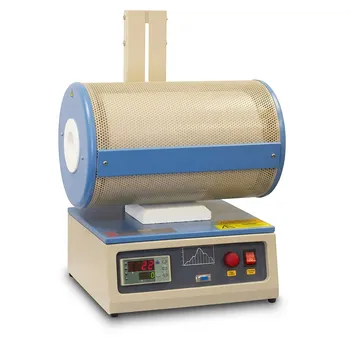
Multi Position Tube Furnace 1100C for Laboratory Material Research and Advanced Industrial Thermal Processing

High Temperature 1700C Vertical Tube Furnace for Powder Spherification and Material Sintering
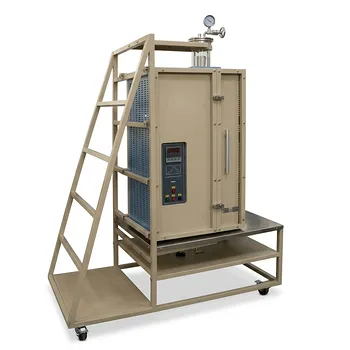
Split Vertical Tube Furnace with 1200C Quartz Tube and Stainless Steel Vacuum Flanges for Rapid Thermal Processing

Vertical 1700C Vacuum and Atmosphere Tube Furnace with 80mm Alumina Tube
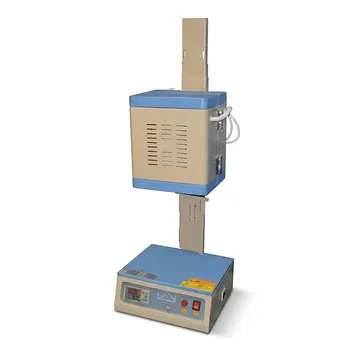
High Temperature Vertical Split Tube Furnace with PID Temperature Controller for 1 and 2 Inch Processing Tubes
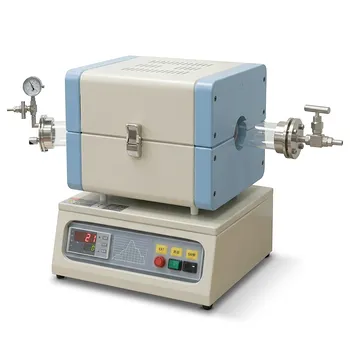
1200C Tube Furnace with Internal Magnetic Sample Sliding for Direct Vaporizing Deposition and Rapid Thermal Processing
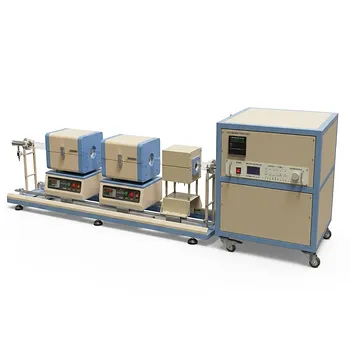
1200C Dual Sliding Tube Furnace with Dual Tubes and Flanges for PECVD Processes
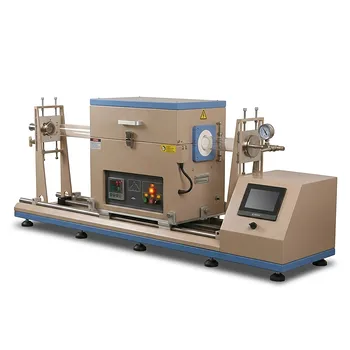
1200C Sliding Tube Furnace for Rapid Thermal Processing and CVD Graphene Growth with 100mm OD Capacity
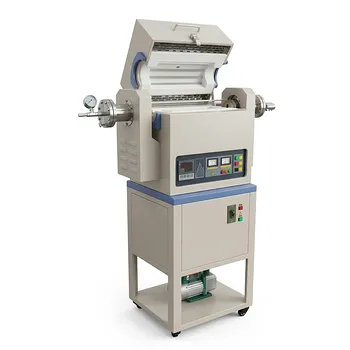
High Temperature Rotary Tilt Tubular Furnaces for Advanced Powder Sintering and Material Processing

1200°C 5 Inch Vertical Quartz Tube Furnace with Stainless Steel Vacuum Flanges
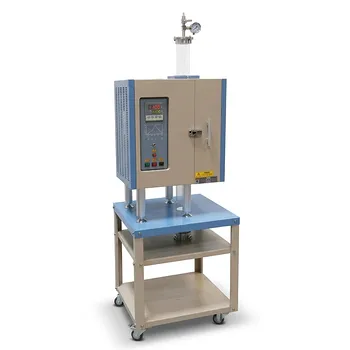
1100°C Split Vertical Tube Furnace with 80mm Quartz Tube and Stainless Steel Vacuum Flanges
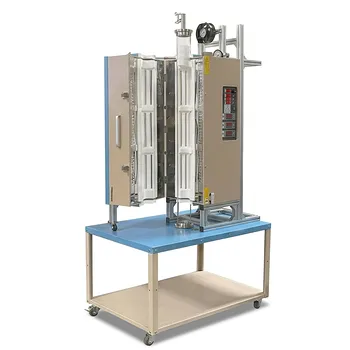
1200C Three Zone Split Vertical Tube Furnace 4 Inch Quartz Tube Stainless Steel Vacuum Flanges
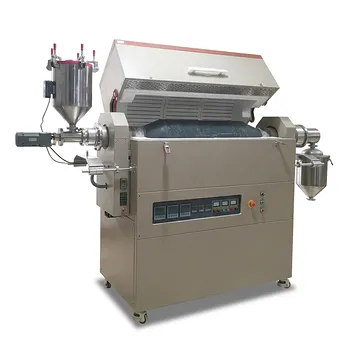
High Temperature Tilting Rotary Tubular Furnace for Continuous Powder Thermal Processing and Controlled Atmosphere Sintering
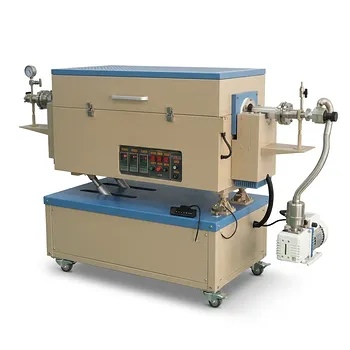
Three Zone Rotary Tube Furnace for High Temperature Powder Processing and Material Research
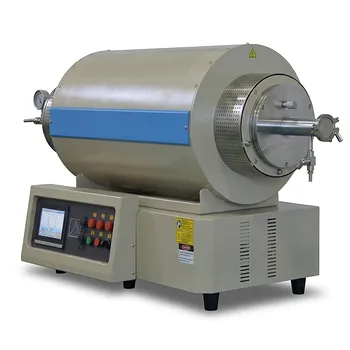
1200C Max Three Zone Tube Furnace 6 Inch OD Max with Tube and Flange
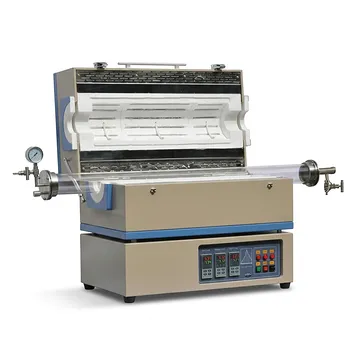
24 Inch Three Zone Split Tube Furnace with Optional Quartz Tube and Vacuum Flange System for High Temperature Material Synthesis
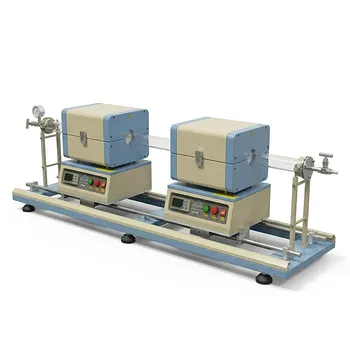
1200C Max Dual Sliding Tube Furnace with 50 mm Tube Flanges for CVD
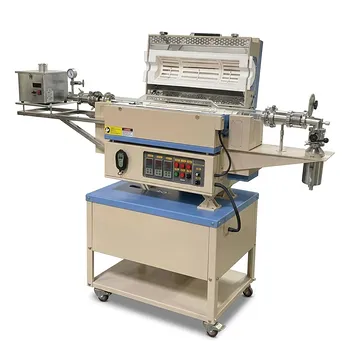
5 Inch Rotary Tube Furnace with Automatic Feeding and Receiving System 1200C Three Zone CVD Powder Processing
Compact Hybrid Muffle and Tube Furnace for 1000C Controlled Atmosphere Laboratory Material Sintering