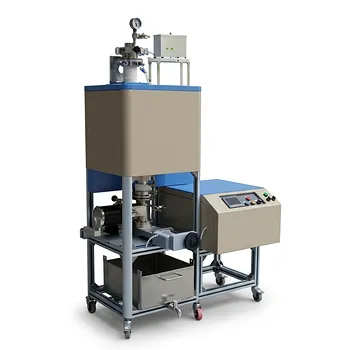
What role does a tube furnace play in the alkali-activated pyrolysis of phytoliths? Optimize Your Adsorbent Production
Updated 6 months ago
The tube furnace serves as the definitive thermal reactor for material synthesis. It provides the precisely controlled, high-temperature environment necessary to transform raw phytoliths into sophisticated, dual-matrix adsorbents. By facilitating temperatures up to 900 °C under anaerobic conditions, the furnace enables the simultaneous carbonization of organic matter and the chemical activation of the silica skeleton.
Core Takeaway: The tube furnace is the critical enabling technology for creating a hierarchical pore structure, using extreme heat and inert atmospheres to trigger the sodium hydroxide etching process that defines the adsorbent's final capacity.
Engineering the Hierarchical Pore Structure
Facilitating Simultaneous Carbonization and Etching
The primary role of the tube furnace is to reach the critical 900 °C threshold required for alkali activation. At these temperatures, the furnace triggers a dual reaction: the carbonization of organic components and the sodium hydroxide (NaOH) etching of the silica skeleton.
This synchronized process results in a unique hierarchical pore structure. The final material consists of macroporous silica combined with mesoporous carbon, a configuration that significantly boosts both the speed and the total volume of contaminant adsorption.
Providing a Stable Anaerobic Environment
The tube furnace uses sealed flanges and inert gas purges, such as Nitrogen or Argon, to maintain a strictly oxygen-free atmosphere. This prevents the direct combustion of the biomass, ensuring the organic matter undergoes thermochemical degradation into stable biochar rather than turning into ash.
By isolating the reaction from oxygen, the furnace protects the structural integrity of the silica skeleton. This controlled environment is essential for the accurate development of the carbon-silica composite required for high-performance filtration.
Precision Control of Thermal Kinetics
Uniform heating is vital for consistent product quality across the entire sample batch. The furnace allows for the exact regulation of heating rates and residence times, which dictates the extent of dehydration and devolatilization.
Precise control ensures that the pore networks do not collapse under erratic temperature spikes. This stability is what allows the resulting material to serve as a high-quality precursor for advanced applications, including the synthesis of carbon quantum dots or heavy metal adsorbents.
Understanding the Trade-offs
Equipment Stress and Operational Costs
Operating at the high temperatures required for phytolith etching—often up to 1000 °C—places significant thermal stress on the furnace's heating elements and work tubes. This leads to higher maintenance requirements and significant energy consumption compared to lower-temperature thermal treatments.
Throughput and Scalability Constraints
Laboratory-scale tube furnaces are typically batch-processing units, which can limit the volume of adsorbent produced in a single cycle. While they offer superior control over the atmosphere and temperature field uniformity, scaling this process for industrial-level adsorbent production requires specialized continuous-feed systems.
Management of Volatile Byproducts
The pyrolysis of agricultural biomass releases tars and volatile gases as the cellulose and lignin decompose. In a sealed tube furnace environment, these byproducts must be carefully managed and exhausted to prevent contamination of the sample or damage to the furnace's internal components.
How to Apply This to Your Project
Making the Right Choice for Your Goal
To achieve the best results in adsorbent production, your furnace settings must align with your specific material objectives.
- If your primary focus is Maximum Surface Area: Utilize high peak temperatures near 900 °C combined with a high ratio of alkali-activating agents to maximize the etching of the silica skeleton.
- If your primary focus is Structural Integrity: Implement slower heating rates (e.g., 5-10 °C/min) to allow for gradual devolatilization, preventing the collapse of the macroporous framework.
- If your primary focus is Consistent Adsorption Rates: Prioritize a long residence time at a stable temperature to ensure the entire volume of biomass reaches a uniform state of carbonization.
By mastering the thermal environment of the tube furnace, you can precisely engineer the physical architecture of phytolith-based materials for any specialized filtration challenge.
Summary Table:
| Key Role | Technical Function | Impact on Adsorbent |
|---|---|---|
| Thermal Reactor | Reaches 900 °C threshold | Triggers simultaneous carbonization and NaOH etching |
| Atmosphere Control | Inert gas purge (N2/Ar) | Prevents combustion; ensures stable biochar formation |
| Structural Engineering | High-temp kinetics control | Creates hierarchical macroporous/mesoporous networks |
| Kinetics Regulation | Precise heating & residence time | Prevents pore collapse and ensures batch consistency |
Elevate Your Research with THERMUNITS Thermal Solutions
Precise material synthesis requires uncompromising thermal control. THERMUNITS is a leading manufacturer of high-temperature laboratory equipment tailored for material science and industrial R&D. Our advanced Tube Furnaces, Vacuum Atmosphere Furnaces, and CVD systems provide the stable anaerobic environments and uniform heating rates essential for engineering high-performance adsorbents and complex carbon-silica composites.
Whether you are scaling phytolith pyrolysis or developing next-generation catalysts, our comprehensive range—including Muffle, Rotary, and Hot Press furnaces—offers the reliability your project demands.
Ready to optimize your thermal processing? Contact our experts today to find the perfect solution for your lab!
References
- Xi Liu, Huaming Yang. Efficient Adsorbent Derived from Phytolith-Rich Ore for Removal of Tetracycline in Wastewater. DOI: 10.1021/acsomega.3c09049
Mentioned Products
- High Temperature Tube Furnace 1500C with Sliding Flanges and 50mm OD for Rapid Thermal Processing Fast Heating and Cooling
- Vertical 1700C Vacuum and Atmosphere Tube Furnace with 80mm Alumina Tube
- 1100C Tube Furnace with Vacuum Flange and Programmable Temperature Controller for Material Science and Industrial Heat Treatment
- Compact High Temperature 1600C Tube Furnace with 50mm Alumina Tube and Vacuum Flanges for Material Sintering
- 900°C Max Rotary Tube Furnace with 8 Inch 310S Alloy Tube and Optional Multi Zone Heating for Industrial Material Calcination
People Also Ask
- How are high-temperature tube furnaces utilized to repair etching damage? Precision Lattice Restoration Solutions
- How does precision tube furnace control influence CoFe nanoparticle formation? Master Your Bimetallic Synthesis.
- What role does a high-temperature tube furnace play in CVD synthesis of silicon nanowires? Master VLS Growth Precision.
- What role does a high-temperature tube furnace play in the sulfidation heat treatment of CoS@C/MXene nanocomposites? Guide
- What core conditions does a high-temperature tube furnace provide for rGO aerogels? Mastering Precision Synthesis.

Tech Team · ThermUnits
Last updated on Apr 14, 2026
Related Products
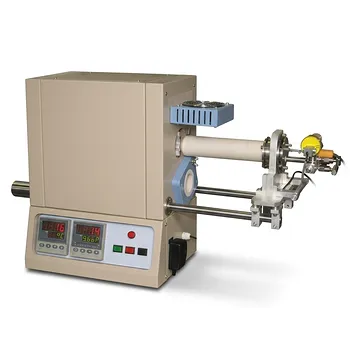
High Temperature Tube Furnace 1500C with Sliding Flanges and 50mm OD for Rapid Thermal Processing Fast Heating and Cooling
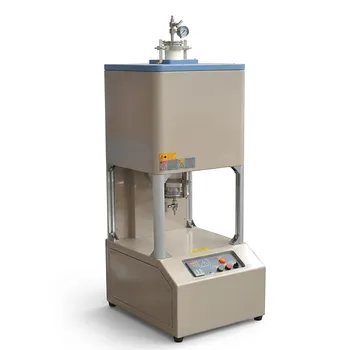
Vertical 1700C Vacuum and Atmosphere Tube Furnace with 80mm Alumina Tube
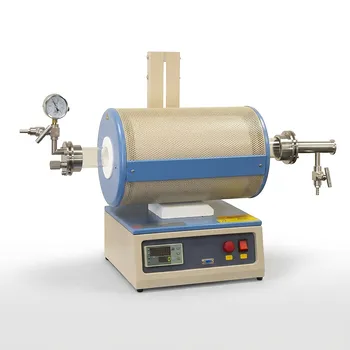
1100C Tube Furnace with Vacuum Flange and Programmable Temperature Controller for Material Science and Industrial Heat Treatment
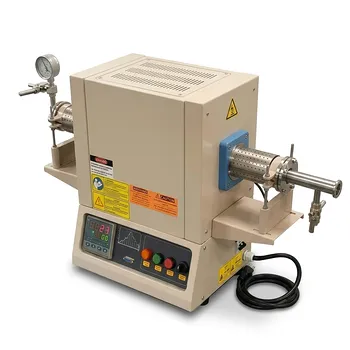
Compact High Temperature 1600C Tube Furnace with 50mm Alumina Tube and Vacuum Flanges for Material Sintering
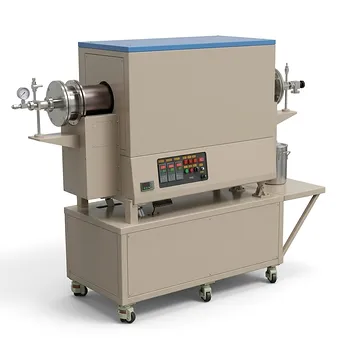
900°C Max Rotary Tube Furnace with 8 Inch 310S Alloy Tube and Optional Multi Zone Heating for Industrial Material Calcination
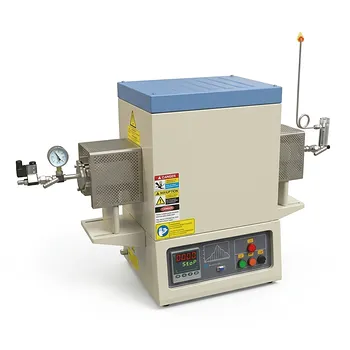
1700C Hydrogen Gas Tube Furnace with 60mm Alumina Process Tube and Integrated Hydrogen Safety Detector
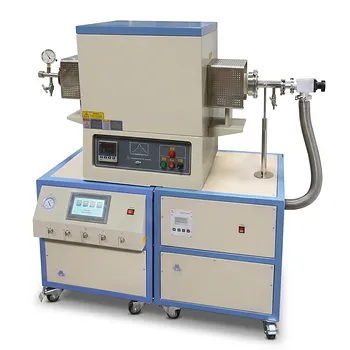
High Temperature 1700C Tube Furnace with High Vacuum Turbomolecular Pump System and Multi Channel Mass Flow Controller Gas Mixer
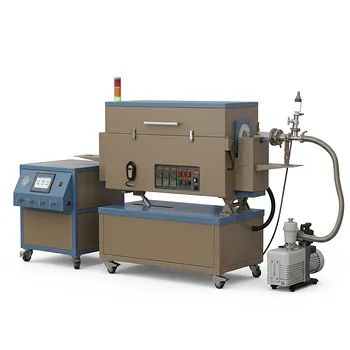
5 Inch Three Zone Rotary Tube Furnace with Integrated Gas Delivery System and 1200C Capability for Advanced Material CVD Processing
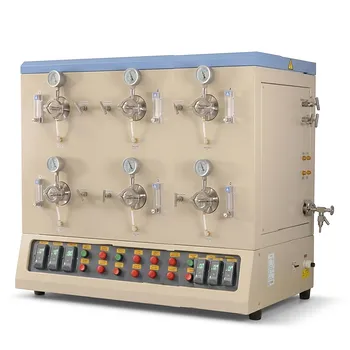
1200C High Throughput Multi Channel Tube Furnace with 50mm Quartz Tubes for Annealing and Material Phase Diagram Research
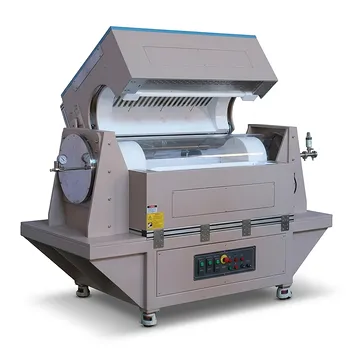
Three Zone Tube Furnace with 11 Inch or 15 Inch Quartz Tube and Hinged Flanges for Vacuum Atmosphere Heat Treatment
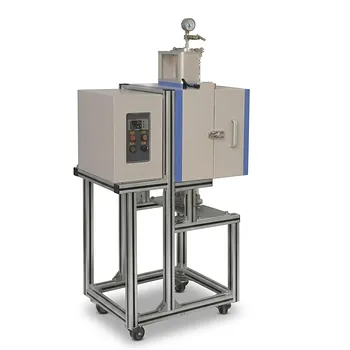
1200°C 5 Inch Vertical Quartz Tube Furnace with Stainless Steel Vacuum Flanges
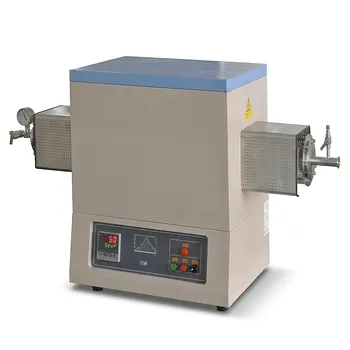
High Temperature 1700C Tube Furnace with 4 Inch OD Alumina Tube and Vacuum Sealing Flanges
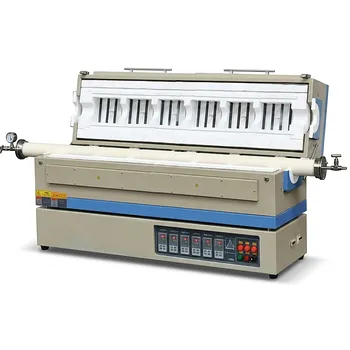
High Temperature 1700C Six Zone Split Tube Furnace with Alumina Tube and Water Cooled Flanges
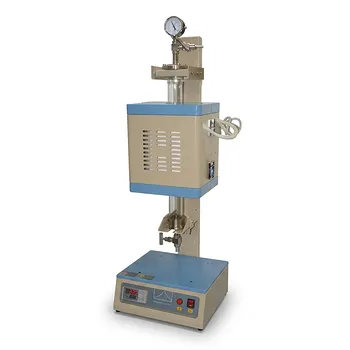
Compact Vertical Split Quartz Tube Furnace with Stainless Steel Vacuum Flanges for Rapid Thermal Quenching and Controlled Atmosphere Material Processing
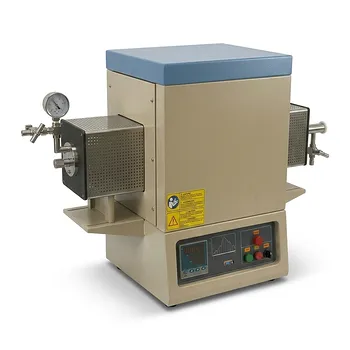
High Temperature 1700C Benchtop Tube Furnace with 5 Inch Heating Zone High Purity Alumina Tube and Vacuum Sealing Flanges
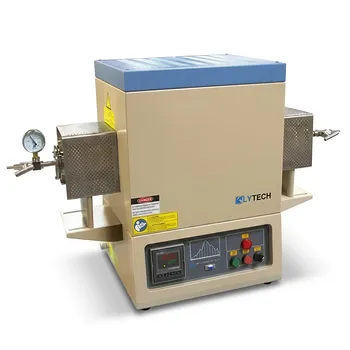
1800C High Temperature Compact Vacuum Tube Furnace with 60mm OD Alumina Tube and Kanthal MoSi2 Heating Elements
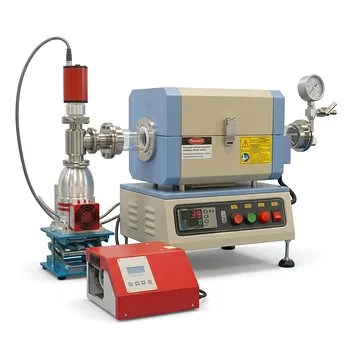
High Vacuum Compact Tube Furnace 1200C with Integrated Turbo Pump System and 8 Inch Heating Zone
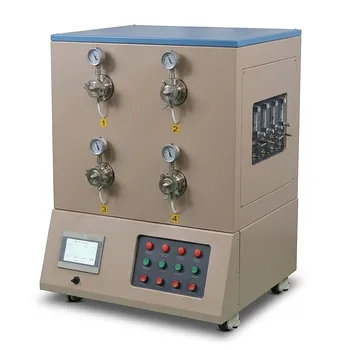
High Throughput 1200C Four Channel Tube Furnace with 3 Inch Quartz Tubes for Multi Zone Annealing and Material Research
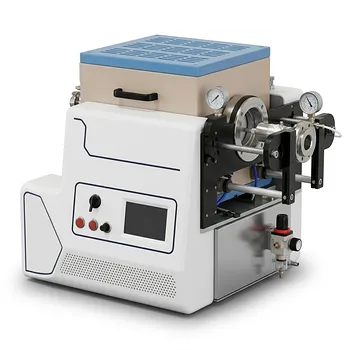
High Temperature Automated 5 Inch Tube Furnace for Autonomous Material Research and Advanced Laboratory R&D