Why are quartz tubes selected as the core components for methane chemical looping reactors? Ensure Purity & Stability
Updated 3 months ago
Quartz tubes are selected for methane chemical looping because they provide a unique combination of extreme chemical inertness and high-temperature structural stability. They can maintain their integrity in methane reduction environments at temperatures up to 1000°C without releasing impurities. This ensures that the chemical interactions observed are solely between the methane and the oxygen carriers, preserving the accuracy of experimental data.
High-purity quartz acts as a chemically neutral "stage" for high-temperature reactions, offering the thermal shock resistance necessary to handle alternating oxidation and reduction cycles. By preventing side reactions and maintaining a gas-tight seal, it ensures both the safety of the process and the purity of the resulting products.
Ensuring Chemical Inertness and Data Integrity
Prevention of Side Reactions
In methane chemical looping, the reactor is exposed to a volatile mix of methane (CH4), carbon dioxide (CO2), hydrogen (H2), and carbon monoxide (CO). Quartz is chosen because it does not participate in these reactions, ensuring the gas composition remains untainted by the reactor walls.
Protection Against Catalyst Contamination
High-purity quartz does not release impurity ions or react with the oxygen carrier particles (catalysts) used in the looping process. This chemical "neutrality" is critical for researchers to accurately measure the performance and lifespan of specific catalyst materials like La-Ni/FST.
Maintaining a Controlled Atmosphere
The material provides a reliable gas-tight seal, isolating the internal reaction from external air and nitrogen-hydrogen protective atmospheres. This isolation prevents extraneous oxidation, ensuring that corrosion or reduction products originate strictly from the intended samples.
Thermal and Mechanical Resilience
Resistance to Thermal Shock
Chemical looping involves rapid transitions between oxidation and reduction gas flows, which creates significant thermal stress. Quartz possesses a low coefficient of thermal expansion, allowing it to survive these rapid heating and cooling cycles without cracking.
Structural Integrity at Extreme Heat
While many materials soften or deform, high-purity quartz maintains its mechanical strength at temperatures exceeding 750°C and up to 1000°C. This allows it to house heavy oxygen carrier particles and facilitate high-flow gas-solid reactions without sagging or losing its shape.
Durability in Corrosive Environments
Beyond methane, quartz is resistant to highly corrosive intermediates and gases like HCl or sulfur vapors. This makes it a versatile core component for reactors that might involve complex feedstocks, such as sludge or polyolefin pyrolysis products.
Understanding the Trade-offs
Temperature Limitations and Devitrification
While quartz is stable up to 1000°C, prolonged exposure to temperatures near its softening point can lead to devitrification. This process turns the clear glass into a crystalline structure, which can become brittle and lose its transparent properties over time.
Mechanical Fragility
Despite its high-temperature strength, quartz is a brittle material and lacks the impact resistance of metallic alloys. It requires careful handling and precise mounting to avoid breakage from mechanical vibration or physical impact during the loading of solid oxygen carriers.
Cost vs. Performance
High-purity quartz is more expensive than standard glass or some lower-grade ceramics. However, the cost is usually justified by the purity of the experimental results, as cheaper materials often introduce side reactions that invalidate sensitive data.
How to Apply This to Your Project
When selecting quartz components for your reactor, consider your specific operational goals:
- If your primary focus is maximum data purity: Invest in high-purity (99.9%+) quartz to ensure no trace elements or ions interfere with your catalyst's chemical signature.
- If your primary focus is rapid cycling (High Throughput): Prioritize clear quartz with uniform wall thickness to maximize thermal shock resistance during quick temperature transitions.
- If your primary focus is long-term reactor safety: Use quartz in conjunction with precise furnace controls to ensure the material never exceeds its devitrification threshold, maintaining gas-tight integrity.
High-purity quartz remains the definitive choice for researchers who require a transparent, inert, and thermally robust environment to study the complex dynamics of methane chemical looping.
Summary Table:
| Feature | Advantage in Chemical Looping |
|---|---|
| Chemical Inertness | Prevents side reactions with CH4, CO2, and H2 gases |
| Thermal Stability | Maintains structural integrity at temperatures up to 1000°C |
| Thermal Shock Resistance | Withstands rapid transitions between oxidation and reduction cycles |
| High Purity | Prevents catalyst contamination and ensures experimental data accuracy |
| Gas-Tight Seal | Isolates reactions from external atmosphere for safety and purity |
Optimize Your High-Temperature Research with THERMUNITS
Elevate your material science research with THERMUNITS' precision-engineered thermal solutions. As a leading manufacturer of high-temperature laboratory equipment, we provide a comprehensive range of systems including CVD/PECVD, Vacuum, Tube, and Muffle furnaces, specifically designed for demanding R&D applications like methane chemical looping.
Our equipment ensures maximum data integrity and operational safety for industrial researchers. Contact our expert team today to discover how our custom heat treatment solutions, including high-purity quartz components and advanced furnace systems, can accelerate your project success.
References
- Yue Lai, Mujun Long. Syngas Production by Fe2SiO4 Oxygen Carrier in Chemical Looping Partial Oxidation of Methane. DOI: 10.3390/catal14120866
Mentioned Products
- Dual Zone Quartz Tube Furnace with 80mm Diameter 1200C Max Temperature 3 Channel Gas Mixer and Vacuum Pump System
- 1200°C 5 Inch Vertical Quartz Tube Furnace with Stainless Steel Vacuum Flanges
- 1100°C Large Diameter Quartz Tube Furnace with 24 Inch Heating Zone and Water Cooled Flanges
- Compact Vertical Split Quartz Tube Furnace with Stainless Steel Vacuum Flanges for Rapid Thermal Quenching and Controlled Atmosphere Material Processing
- 1100°C High Temperature Quartz Chamber Furnace 8 Inch OD with 7.6 Liter Capacity and Vacuum Atmosphere Capability
People Also Ask
- How do dual-zone quartz tube furnaces achieve controllable material preparation? Optimize Perovskite VD Processes
- What are the technical advantages of using a dual-zone tube furnace for growing large PdCoO2 crystals via CVT? Expert Tips
- Purpose of the reverse gradient step in CVT growth? Master Crystal Purity with Dual-Zone Furnaces
- Why is it necessary to place MoS2 devices in a dual-zone tube furnace for annealing? Optimize Lattice Repair & Doping
- Why is a dual-zone tube furnace necessary for ReO3-doped Cu2Te CVD? Essential for precise precursor synchronization.

Tech Team · ThermUnits
Last updated on Jun 02, 2026
Related Products
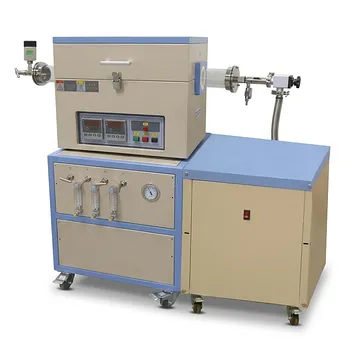
Dual Zone Quartz Tube Furnace with 80mm Diameter 1200C Max Temperature 3 Channel Gas Mixer and Vacuum Pump System

1200°C 5 Inch Vertical Quartz Tube Furnace with Stainless Steel Vacuum Flanges
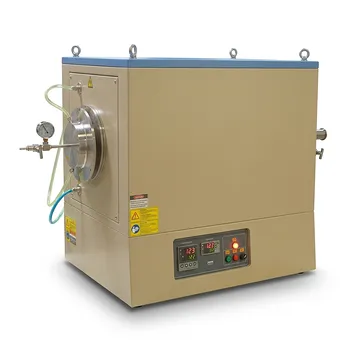
1100°C Large Diameter Quartz Tube Furnace with 24 Inch Heating Zone and Water Cooled Flanges

Compact Vertical Split Quartz Tube Furnace with Stainless Steel Vacuum Flanges for Rapid Thermal Quenching and Controlled Atmosphere Material Processing
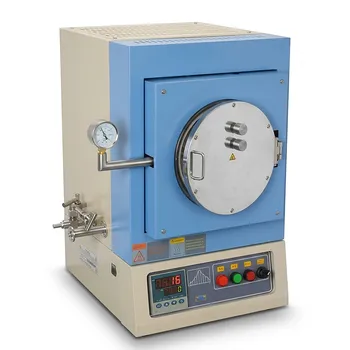
1100°C High Temperature Quartz Chamber Furnace 8 Inch OD with 7.6 Liter Capacity and Vacuum Atmosphere Capability
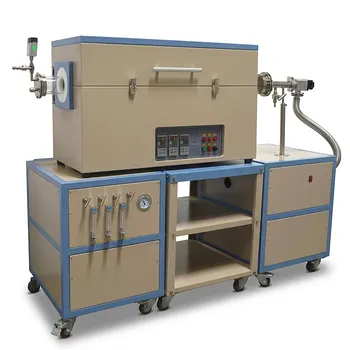
Three Zone Quartz Tube Furnace with 3 Channel Gas Mixer Vacuum Pump and Anti Corrosive Vacuum Gauge
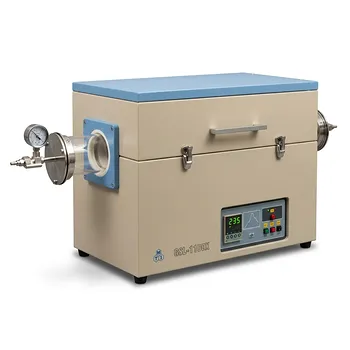
Single Zone Tube Furnace 5 Inch Quartz Tube 36 Inch Heating Zone Vacuum Flanges
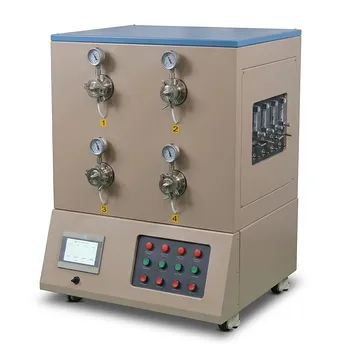
High Throughput 1200C Four Channel Tube Furnace with 3 Inch Quartz Tubes for Multi Zone Annealing and Material Research
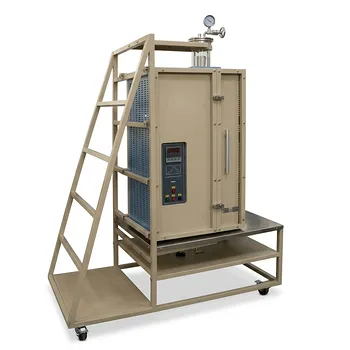
Split Vertical Tube Furnace with 1200C Quartz Tube and Stainless Steel Vacuum Flanges for Rapid Thermal Processing
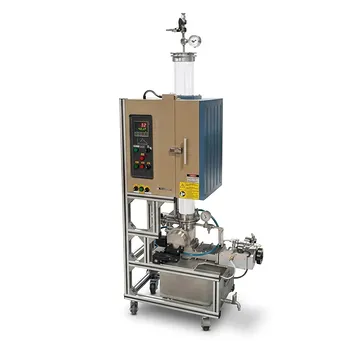
1200C High Temperature Atmosphere Controlled Vertical Quenching Tube Furnace with 4 Inch Quartz Tube
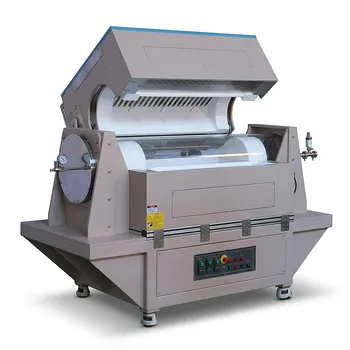
Three Zone Tube Furnace with 11 Inch or 15 Inch Quartz Tube and Hinged Flanges for Vacuum Atmosphere Heat Treatment
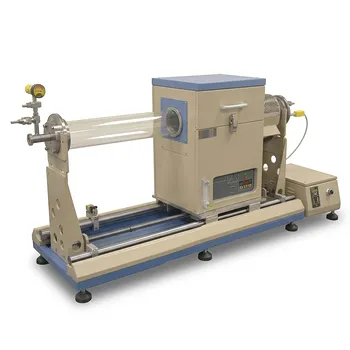
Rapid Thermal Processing Sliding Tube Furnace with 4 Inch OD Quartz Tube and 900C IR Heating
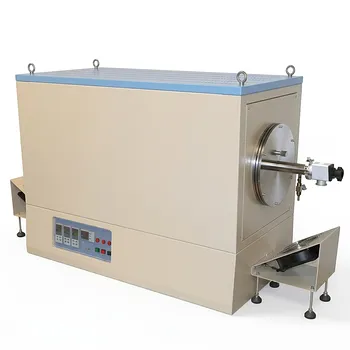
1100°C Three Zone Tube Furnace with 8.5 to 11 Inch OD Quartz Tube and Vacuum Flanges for Large Wafer Processing
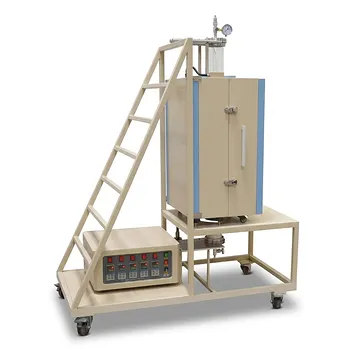
Five Zone Split Vertical Tube Furnace 1200C Max with 4 Inch Quartz Tube and Stainless Steel Vacuum Flanges
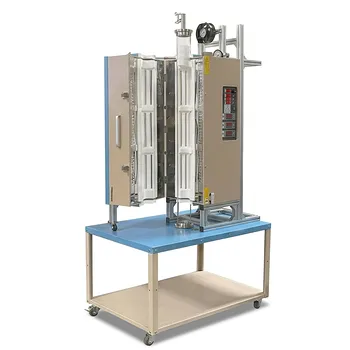
1200C Three Zone Split Vertical Tube Furnace 4 Inch Quartz Tube Stainless Steel Vacuum Flanges
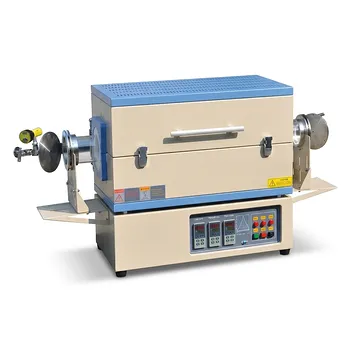
Three Zone Tube Furnace with 24 Inch Heating Length and Hinged Flange Quartz Tube System
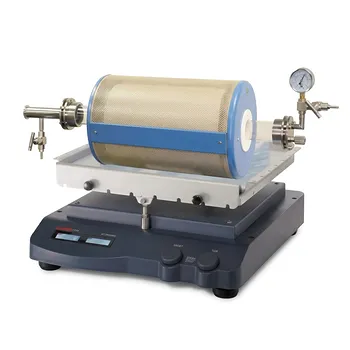
High Temperature Rocking Tube Furnace with Quartz Tube and Vacuum Flange for Materials Synthesis
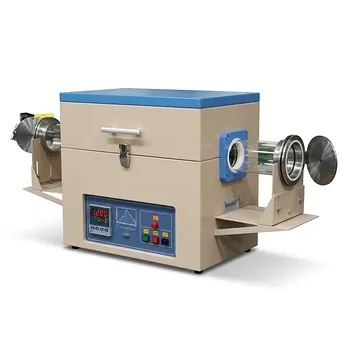
High Temperature 1200C Split Tube Furnace with Hinged Vacuum Flanges and 4 Inch Quartz Tube for Laboratory Research
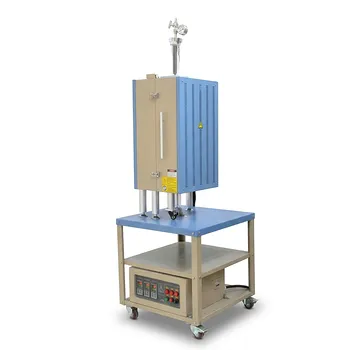
1200C Three Zone Vertical Tube Furnace with 2 Inch Quartz Tube and Vacuum Flanges
