What role does an industrial-grade tube atmosphere furnace play in carbonizing cellulose aerogels? Achieve High Porosity
Updated 3 months ago
The industrial-grade tube atmosphere furnace serves as the critical reaction chamber for anaerobic pyrolysis. It provides the strictly oxygen-free, high-temperature environment required to transform cellulose precursors into inorganic carbon frameworks. By maintaining a precise thermal ramp and an inert gas shield, the furnace ensures the material carbonizes without undergoing oxidative burnout or structural collapse.
Core Takeaway: An atmosphere furnace is essential for converting organic cellulose into conductive carbon aerogels by facilitating high-temperature pyrolysis while isolating the material from oxygen to prevent combustion and preserve the aerogel's porous architecture.
The Critical Role of Atmosphere Control
Total Isolation from Oxygen
The most vital function of the furnace is its ability to create a hermetically sealed environment. This prevents the cellulose from catching fire and turning to ash at high temperatures, a process known as oxidative burnout.
By evacuating oxygen and replacing it with high-purity inert gases like nitrogen, argon, or helium, the furnace allows the organic polymers to decompose into carbon safely. This anaerobic state is the foundation of the entire carbonization process.
Chemical Transformation of Precursors
Beyond carbonizing the cellulose, the furnace facilitates the conversion of added chemical sources into functional components. For example, it can transform loaded titanium sources into titanium dioxide (TiO2) or urea into graphitic carbon nitride (g-C3N4).
These simultaneous reactions result in stable, composite materials used for advanced applications like photocatalysis or electrocatalysis. The furnace acts as a multi-functional reactor that builds the final chemical identity of the aerogel.
Precision Thermal Management
Controlled Heating Rates (Ramping)
Industrial-grade furnaces utilize programmable logic controllers to manage the heating rate, often set between 3 °C and 5 °C per minute. A precise ramp is necessary to allow volatile gases to escape the cellulose structure slowly.
If the temperature rises too quickly, the internal pressure from escaping volatiles can rupture the delicate aerogel pores. Slow, steady heating preserves the hierarchical porous structure that gives carbon aerogels their unique properties.
Impact on Graphitization and Conductivity
The furnace temperature, which typically ranges from 600 °C to 1000 °C, directly dictates the final physical properties of the carbon. Higher temperatures generally increase the degree of graphitization, or the ordering of carbon atoms into a lattice.
This atomic ordering is what makes the material electrically conductive. The furnace’s ability to maintain a long constant temperature zone ensures that the entire sample achieves a uniform level of carbonization and conductivity.
Understanding the Trade-offs
Balancing Temperature and Porosity
While higher temperatures (near 1000 °C) improve electrical conductivity and graphitization, they can also cause the carbon skeleton to shrink or densify. This may reduce the overall surface area and micropore volume of the aerogel.
Heating Rate vs. Structural Integrity
Extremely slow heating rates produce the highest quality aerogels but significantly increase energy consumption and production time. Conversely, rapid heating risks "thermal shock," which can lead to the structural collapse of the carbon framework.
Inert Gas Purity and Cost
Using high-purity argon provides superior protection against oxidation compared to nitrogen but at a much higher operational cost. Any minor leak in the tube's seals during a high-temperature run can result in the total loss of the material due to oxidation.
How to Apply This to Your Project
Tailoring the Process to Your Objectives
- If your primary focus is maximum surface area: Utilize a lower carbonization temperature (around 600 °C to 700 °C) and a very slow heating rate to preserve the most delicate micropores.
- If your primary focus is electrical conductivity: Target higher temperatures (800 °C to 1000 °C) to encourage the formation of a more ordered, graphitic carbon lattice.
- If your primary focus is composite functionality: Ensure your furnace dwell time is sufficient to fully convert precursors like metal salts into their active oxide or carbide forms.
By mastering the balance between inert atmosphere purity and precise thermal ramping, you can consistently produce high-performance carbon aerogels tailored for specific industrial applications.
Summary Table:
| Key Feature | Functional Role | Impact on Aerogel Quality |
|---|---|---|
| Oxygen-Free Environment | Prevents oxidative burnout | Preserves carbon framework and avoids ash formation |
| Thermal Ramping (3-5°C/min) | Controlled volatile release | Maintains hierarchical porous architecture and structural integrity |
| High-Temp Range (600-1000°C) | Facilitates graphitization | Determines final electrical conductivity and atomic ordering |
| Inert Gas Shield (Ar/N2) | Chemical isolation | Ensures stable transformation of precursors into composite components |
Elevate Your Carbon Research with THERMUNITS
Precision is non-negotiable when developing advanced carbon aerogels. As a leading manufacturer of high-temperature laboratory equipment for material science and industrial R&D, THERMUNITS offers a comprehensive range of thermal processing solutions designed to meet your strictest specifications.
Whether you require Atmosphere Tube Furnaces for precise carbonization, Vacuum Induction Melting (VIM) systems, or Rotary Kilns, our equipment ensures uniform heating and superior atmosphere control. Our range also includes Muffle, Hot Press, and Dental Furnaces, as well as CVD/PECVD systems and high-quality thermal elements.
Ready to optimize your heat treatment results? Contact our technical experts today to find the perfect furnace for your R&D application and experience the THERMUNITS advantage in thermal engineering.
References
- Fangqin Liu, Jinyang Chen. One-Pot Synthesis of Cellulose-Based Carbon Aerogel Loaded with TiO2 and g-C3N4 and Its Photocatalytic Degradation of Rhodamine B. DOI: 10.3390/nano14131141
Mentioned Products
- 1650C High Temperature Atmosphere Controlled Box Furnace with 65L Chamber for Advanced Material Sintering and Industrial Heat Treatment
- 1750°C High Temperature Benchtop Vacuum Atmosphere Tube Furnace with Kanthal Super 1800 Heating Elements and 60mm Alumina Processing Tube
- Vertical 1700C Vacuum and Atmosphere Tube Furnace with 80mm Alumina Tube
- 1200C Hybrid Muffle and Tube Furnace for Material Research with Dual Atmosphere Control Quartz Tubes
- 1700C High Temperature Alumina Tube Furnace with 18 Inch Heated Zone and Vacuum Sealing Flanges
People Also Ask
- What role does atmosphere control play in technical ceramics and glass? Master Material Purity and Precision
- What role does a high-temperature atmosphere furnace play in the direct electrochemical reduction of CO2? - Key Insights
- What is the role of a high-temperature box furnace in the solid-state synthesis of Europium-doped M3MgSi2O8 phosphors?
- What is the role of a high-temperature box furnace in Na3MnZr(PO4)3 synthesis? Engineering High-Performance NASICON.
- What physical conditions does a high-temperature atmosphere furnace provide for MXene exfoliation? Process Guide

Tech Team · ThermUnits
Last updated on Jun 02, 2026
Related Products
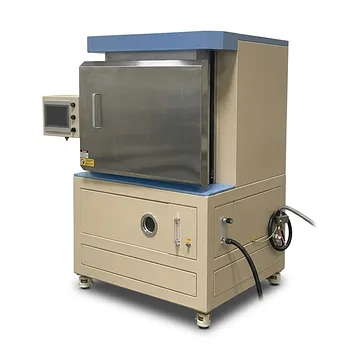
1650C High Temperature Atmosphere Controlled Box Furnace with 65L Chamber for Advanced Material Sintering and Industrial Heat Treatment
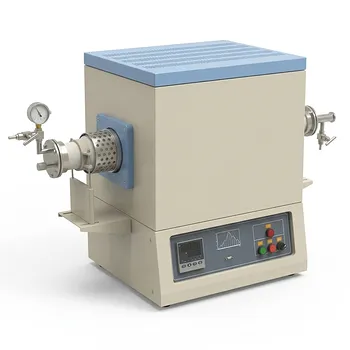
1750°C High Temperature Benchtop Vacuum Atmosphere Tube Furnace with Kanthal Super 1800 Heating Elements and 60mm Alumina Processing Tube

Vertical 1700C Vacuum and Atmosphere Tube Furnace with 80mm Alumina Tube
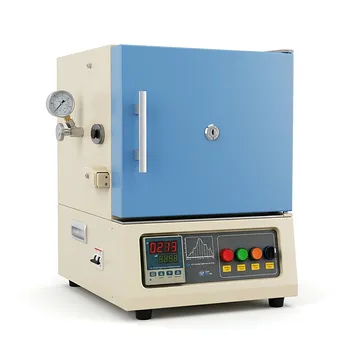
1200C Hybrid Muffle and Tube Furnace for Material Research with Dual Atmosphere Control Quartz Tubes
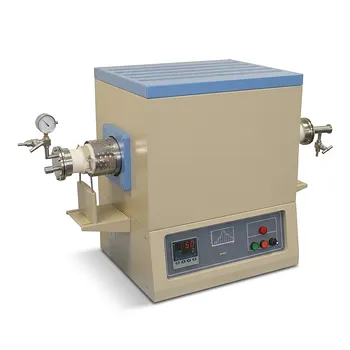
1700C High Temperature Alumina Tube Furnace with 18 Inch Heated Zone and Vacuum Sealing Flanges
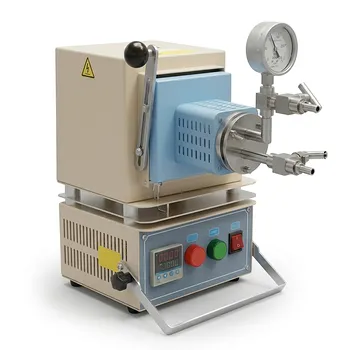
Compact Hybrid Muffle and Tube Furnace for 1000C Controlled Atmosphere Laboratory Material Sintering
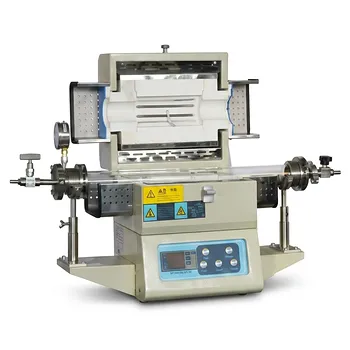
High Temperature 1200C Split Tube Furnace for CVD Research and Vacuum Atmosphere Heat Treatment
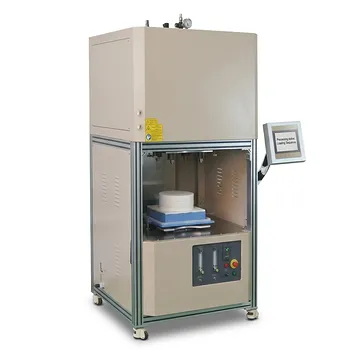
High Temperature Vertical Atmosphere Controlled Furnace with Automatic Bottom Loading and 1700°C Capacity for Advanced Material Research
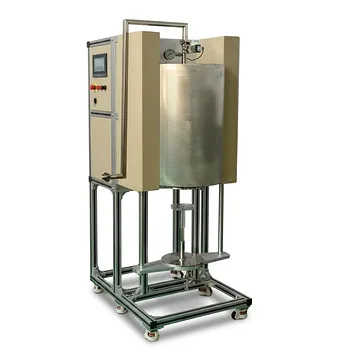
1200°C Atmosphere Controlled Automatic Bottom Loading Furnace with 6 Inch Quartz Tube
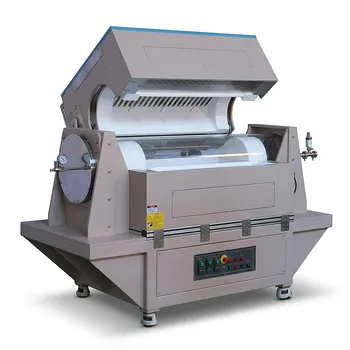
Three Zone Tube Furnace with 11 Inch or 15 Inch Quartz Tube and Hinged Flanges for Vacuum Atmosphere Heat Treatment
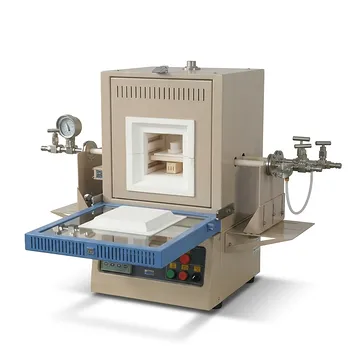
1700C Compact Hybrid Furnace with Dual Layer Box Sintering and Controlled Atmosphere Alumina Tubes
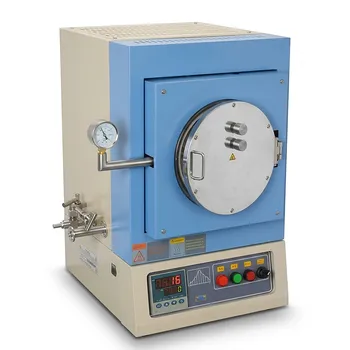
1100°C High Temperature Quartz Chamber Furnace 8 Inch OD with 7.6 Liter Capacity and Vacuum Atmosphere Capability
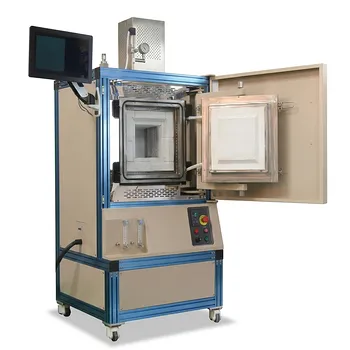
High Temperature Hydrogen Atmosphere Box Furnace 1650C Max Reducing Environment Material Synthesis System 8x8x8 Chamber
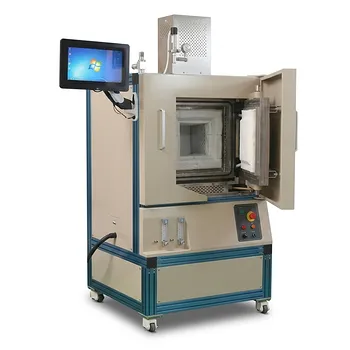
High Temperature Oxygen and Inert Atmosphere Controlled Furnace 8 Liter 1700C Sintering System for Advanced Materials RD
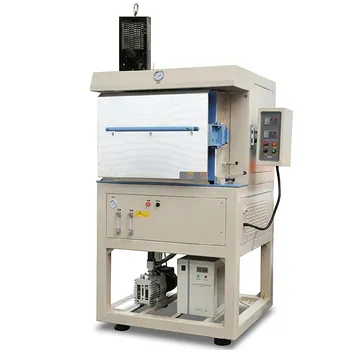
1200C Hydrogen Atmosphere Box Furnace with 5 Heated Sides and 64L Chamber
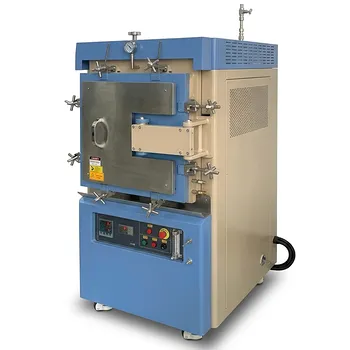
Atmosphere Controlled Muffle Furnace 1700C Maximum Temperature 80L High Capacity Vacuum Inert Gas Box Furnace

Compact High Temperature 1600C Tube Furnace with 50mm Alumina Tube and Vacuum Flanges for Material Sintering
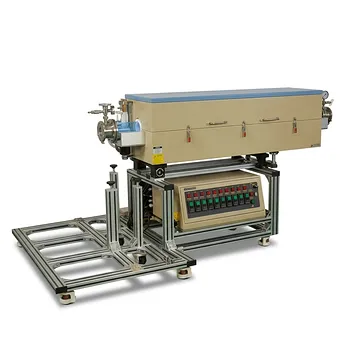
Ten Zone Multi Orientation Laboratory Tube Furnace for 1200C High Temperature Gradient Thermal Processing

High Temperature 1700C Tube Furnace with High Vacuum Turbomolecular Pump System and Multi Channel Mass Flow Controller Gas Mixer
