Why are platinum-rhodium thermocouples used during the lead anode slime reduction smelting process? | Maximize Yields
Updated 3 months ago
Precision temperature control is the cornerstone of efficient metallurgical recovery. Platinum-rhodium (Pt-Rh) thermocouples, specifically S-type and R-type, are utilized in lead anode slime reduction smelting because they provide the high measurement precision and stability required at 1200 °C. Their rapid response times allow for real-time feedback to temperature controllers, which minimizes thermal fluctuations and ensures stable material conversion rates and maximized metal yields.
In the volatile environment of lead anode slime processing, Pt-Rh thermocouples act as the primary safeguard for process stability. They enable the precise control of thermal kinetics necessary to optimize the recovery of high-value metals while preventing equipment damage.
Engineering Accuracy at High Temperatures
Exceptional Thermal Stability
Pt-Rh thermocouples are engineered to operate reliably in neutral or oxidizing atmospheres, which are common in smelting environments. Unlike base-metal sensors, these noble-metal alloys resist oxidation and maintain their calibration over long periods at temperatures exceeding 1200 °C.
Real-Time Kinetic Control
The reduction of lead anode slime involves complex chemical kinetics that are highly sensitive to temperature shifts. High-sensitivity feedback allows the control system to maintain the furnace at the exact set point, ensuring that reduction reactions proceed to completion without stalling or overreacting.
Precision in Distillation
Specific processes, such as tellurium recovery, often have a narrow "optimal point" (identified as 1173 K) where separation efficiency is highest. The high-precision data provided by Pt-Rh sensors prevents the loss of efficiency that occurs when temperatures drift even slightly from these critical thresholds.
Protecting the Integrity of the Process
Chemical and Mechanical Shielding
To survive the corrosive nature of high-temperature melts, these thermocouples are typically housed in alumina protection tubes. This shielding prevents the smelting environment from corroding the delicate platinum wires while simultaneously reducing electromagnetic interference from induction currents.
Preventing Equipment Overheating
By providing accurate real-time data, these sensors prevent the furnace from exceeding safety limits. This protects the refractory lining and crucible integrity, reducing the risk of costly downtime or catastrophic equipment failure during the smelting cycle.
Consistency in Metal Precipitation
In advanced smelting, calculating the "liquid time" is vital for the precipitation of specific compounds. The stability of Pt-Rh sensors ensures that heating rates (often 20 to 25 °C per minute) are followed strictly, allowing for predictable chemical outcomes in the final seam or slag.
Understanding the Trade-offs
The Cost of Noble Metals
The primary drawback of Pt-Rh thermocouples is their high initial cost due to the use of precious metals. This investment is generally justified by the higher yield of recovered metals, but it requires strict inventory management and recycling protocols for spent sensors.
Fragility and Environmental Sensitivity
While chemically stable, these thermocouples are physically fragile and can be easily damaged by mechanical shock or vibration. Additionally, they are susceptible to "poisoning" if exposed to certain reducing atmospheres without adequate protection, which can lead to calibration drift.
Implementing Precise Thermal Monitoring
To achieve the best results in lead anode slime reduction, your choice of sensor configuration should align with your specific metallurgical targets.
- If your primary focus is Maximum Tellurium Recovery: Prioritize high-sensitivity S-type sensors calibrated specifically for the 1173 K (900 °C) range to maintain peak separation efficiency.
- If your primary focus is Equipment Longevity: Invest in high-grade alumina shielding and secondary outer-protection tubes to prevent corrosive slag from reaching the thermocouple wires.
- If your primary focus is Process Throughput: Utilize sensors with high response speeds to allow for aggressive heating rates (up to 25 °C per minute) without overshooting the target temperature.
The strategic use of platinum-rhodium thermocouples transforms high-temperature smelting from a process of estimation into a precise, repeatable science.
Summary Table:
| Feature | Benefit in Smelting | Key Specification |
|---|---|---|
| High Thermal Stability | Maintains accuracy at 1200°C+ | S-type / R-type Noble Metals |
| Oxidation Resistance | Reliability in neutral/oxidizing zones | Pt-Rh Alloy Construction |
| Rapid Response | Real-time feedback for kinetic control | High-sensitivity sensors |
| Alumina Shielding | Protects against corrosive melts/slag | Al2O3 Protection Tubes |
Optimize Your Thermal Processing with THERMUNITS
Precision is the difference between profit and loss in metallurgical R&D. THERMUNITS is a leading manufacturer of high-temperature laboratory equipment specifically designed for material science and industrial research. We empower your lab with advanced thermal solutions, including:
- High-Temp Furnaces: Muffle, Vacuum, Atmosphere, Tube, and Rotary models.
- Advanced Systems: CVD/PECVD, Hot Press, and Vacuum Induction Melting (VIM) furnaces.
- Specialized Tools: Dental Furnaces, Electric Rotary Kilns, and high-performance Thermal Elements.
Whether you are refining lead anode slime or developing new materials, our equipment provides the stability and control your process demands. Contact our technical experts today to find the perfect thermal processing solution for your laboratory needs!
References
- Zhengqiang Dong, Sen Wang. Sb recovery from an As pre-removed lead anode slime using a ZnS-Na2CO3 smelting reduction. DOI: 10.2298/jmmb231230017d
Mentioned Products
- Dual Zone Quartz Tube Furnace with 80mm Diameter 1200C Max Temperature 3 Channel Gas Mixer and Vacuum Pump System
- Induction Heating System with Temperature Control for High Temperature Vacuum Sintering and Melting
- Two Zone IR Heating Rapid Thermal Processing RTP Tube Furnace with 4 Inch ID Quartz Tube and Sliding Sample Holders
- Molybdenum Disilicide MoSi2 Thermal Elements Electric Furnace Heating Element High Temperature Resistance
- High Temperature Tube Furnace 1500C with Sliding Flanges and 50mm OD for Rapid Thermal Processing Fast Heating and Cooling
People Also Ask
- How do dual-zone quartz tube furnaces achieve controllable material preparation? Optimize Perovskite VD Processes
- What are the technical advantages of using a dual-zone tube furnace for growing large PdCoO2 crystals via CVT? Expert Tips
- Purpose of the reverse gradient step in CVT growth? Master Crystal Purity with Dual-Zone Furnaces
- Why is it necessary to place MoS2 devices in a dual-zone tube furnace for annealing? Optimize Lattice Repair & Doping
- Why is a dual-zone tube furnace necessary for ReO3-doped Cu2Te CVD? Essential for precise precursor synchronization.

Tech Team · ThermUnits
Last updated on Jun 02, 2026
Related Products
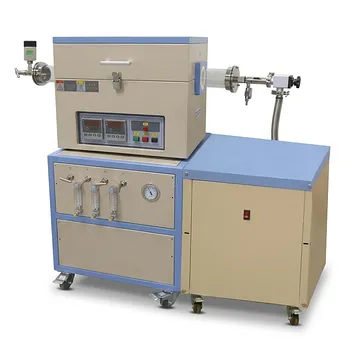
Dual Zone Quartz Tube Furnace with 80mm Diameter 1200C Max Temperature 3 Channel Gas Mixer and Vacuum Pump System
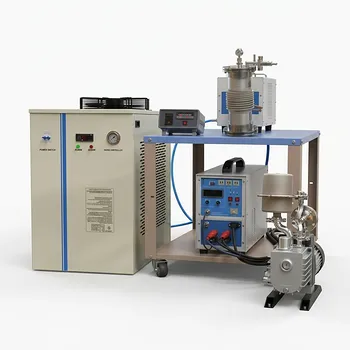
Induction Heating System with Temperature Control for High Temperature Vacuum Sintering and Melting
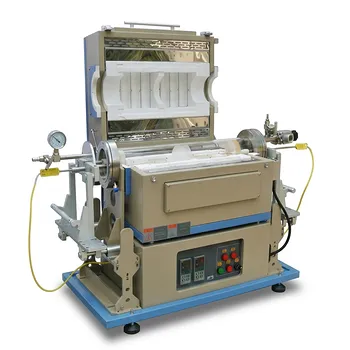
Two Zone IR Heating Rapid Thermal Processing RTP Tube Furnace with 4 Inch ID Quartz Tube and Sliding Sample Holders
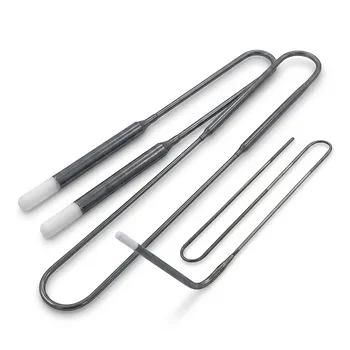
Molybdenum Disilicide MoSi2 Thermal Elements Electric Furnace Heating Element High Temperature Resistance

High Temperature Tube Furnace 1500C with Sliding Flanges and 50mm OD for Rapid Thermal Processing Fast Heating and Cooling
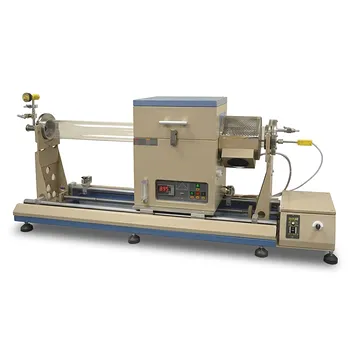
900 ºC Max Sliding RTP Tube Furnace with Rapid IR Heating and 4 Inch OD Quartz Tube
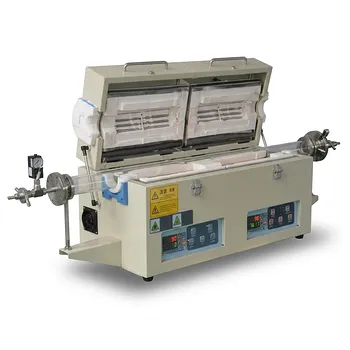
Elongated Two Temperature Zone Pipe Furnace for Industrial Heat Treatment and Material Science Research
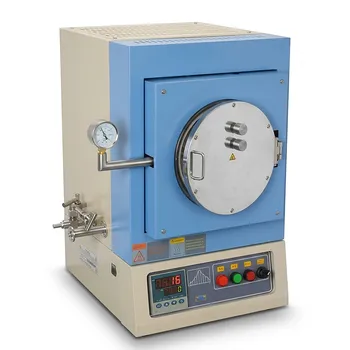
1100°C High Temperature Quartz Chamber Furnace 8 Inch OD with 7.6 Liter Capacity and Vacuum Atmosphere Capability
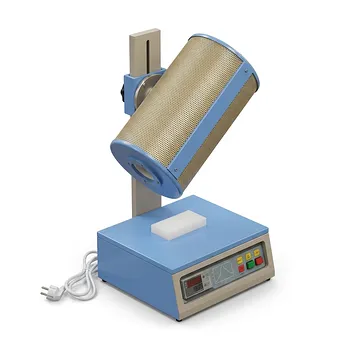
1100°C Vertical Laboratory Furnace for DIY Tubular Reactors with PID Temperature Controller
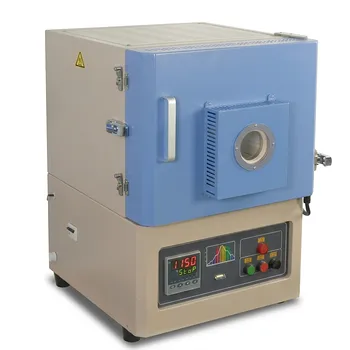
High Temperature Benchtop Muffle Furnace with Quartz Observation Window for Thermal Imaging and Material Analysis
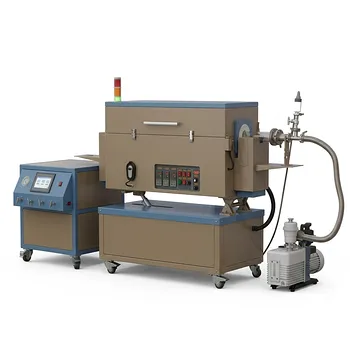
5 Inch Three Zone Rotary Tube Furnace with Integrated Gas Delivery System and 1200C Capability for Advanced Material CVD Processing
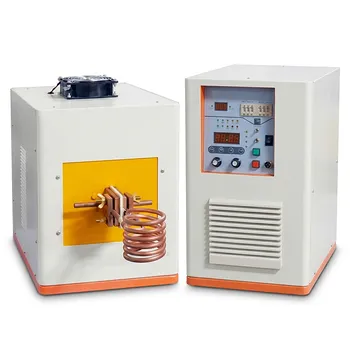
30KW High Frequency Induction Heater for Metal Melting and Industrial Heat Treatment 80-200kHz
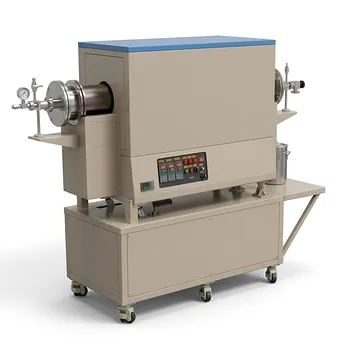
900°C Max Rotary Tube Furnace with 8 Inch 310S Alloy Tube and Optional Multi Zone Heating for Industrial Material Calcination
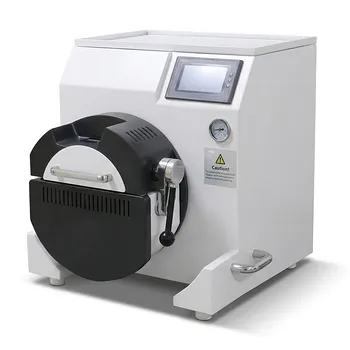
Desktop Induction Melting Furnace with Automatic Rotary Casting Function up to 1700C for Advanced Metal Alloy Research
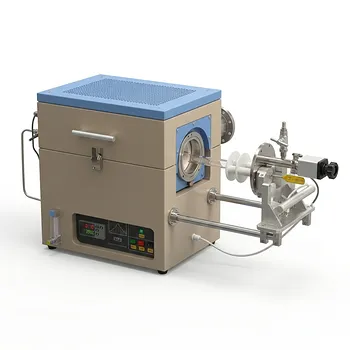
Compact Atmosphere Controlled Rapid Thermal Processing RTP Furnace with 4 Inch ID Quartz Tube 1100C
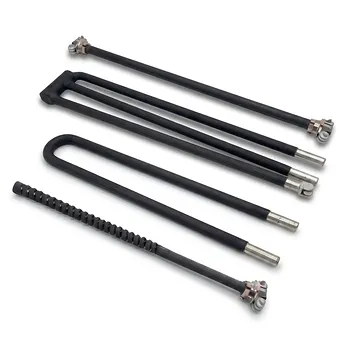
Silicon Carbide SiC Thermal Heating Elements for Industrial Electric Furnaces
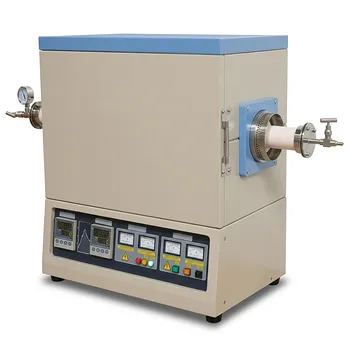
High Temperature 1700C Dual Zone Tube Furnace for Material Science and Industrial Chemical Vapor Deposition Research
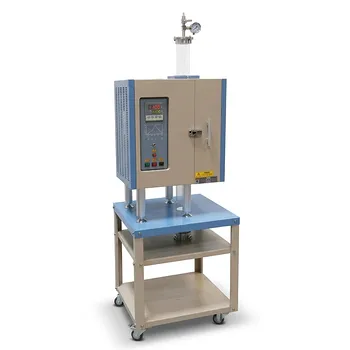
1100°C Split Vertical Tube Furnace with 80mm Quartz Tube and Stainless Steel Vacuum Flanges
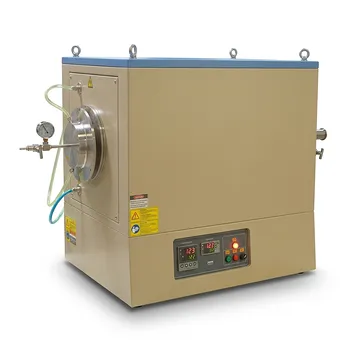
1100°C Large Diameter Quartz Tube Furnace with 24 Inch Heating Zone and Water Cooled Flanges
