Why is N2 flow maintained in a tube furnace for carbon nitride? Oxidation Prevention & Purity
Updated 3 months ago
Maintaining a continuous nitrogen ($N_2$) flow is vital to prevent material oxidation and ensure the chemical purity of the final product. This process displaces oxygen to keep the furnace environment inert, protecting both the carbon nitride precursor and any conductive substrates from thermal degradation. Simultaneously, the flow acts as a carrier gas to remove volatile byproducts, such as ammonia, which is necessary to drive the polymerization reaction to completion.
The $N_2$ flow serves as a dual-purpose mechanism: it acts as a protective shield against oxidative combustion and a chemical scavenger that removes reaction-inhibiting byproducts. This balance is essential for maintaining the structural integrity and electrical conductivity of the material.
Atmospheric Protection and Oxidation Prevention
Excluding Oxygen and Moisture
High-purity nitrogen effectively displaces ambient air within the furnace chamber, preventing the precursor from undergoing oxidative combustion or ashing. At high temperatures, even trace amounts of oxygen can cause the organic material to burn rather than undergo the intended pyrolysis and carbonization.
Preserving Substrate Conductivity
In many carbon nitride applications, the material is synthesized directly onto Fluorine-doped Tin Oxide (FTO) glass. The $N_2$ flow prevents the FTO layer from oxidizing at high temperatures, which would otherwise significantly decrease its conductivity and hinder the charge transport capability of the final photoelectrode.
Preventing Structural "Burn-off"
Maintaining a strictly inert environment ensures that the carbon skeleton and pore structure develop as intended. Without this protection, the material can lose its surface chemical characteristics, resulting in an unstable product with poor nitrogen-to-carbon ratios.
Kinetic and Thermodynamic Regulation
Removal of Gaseous Byproducts
During the formation of graphitic carbon nitride (g-$C_3N_4$), the reaction generates gaseous byproducts like ammonia ($NH_3$). A continuous flow of $N_2$ flushes these gases out of the furnace, preventing them from accumulating and potentially corroding the equipment or interfering with the material purity.
Shifting Reaction Equilibrium
Continuously removing volatile byproducts helps shift the chemical equilibrium toward the desired polymerization. This "sweeeping" effect ensures the reaction proceeds to completion, resulting in a more crystalline and structurally sound carbon nitride product.
Humidity and Volatile Control
The stream of nitrogen removes water vapor and other volatile dehydration products generated during the activation process. This is critical for achieving a stable surface chemistry and precisely managing the oxygen-containing functional groups on the material's surface.
Understanding the Trade-offs
Flow Rate Sensitivity
Selecting the correct flow rate is a balancing act; a rate that is too low may fail to purge oxygen completely, leading to partial oxidation. However, a flow rate that is too high can induce thermal gradients across the tube or physically disturb the delicate precursor powders, leading to non-uniform results.
Gas Purity vs. Material Quality
The use of standard nitrogen versus High-Purity Nitrogen (99.99%) is a significant trade-off in laboratory costs. While standard nitrogen is cheaper, it may contain enough trace oxygen to cause severe oxidation at temperatures exceeding 500°C, potentially ruining sensitive carbon nitride thin films.
How to Apply This to Your Project
The maintenance of a nitrogen atmosphere should be tailored to the specific thermal goals of your synthesis.
- If your primary focus is high electrical conductivity: Maintain a steady, high-purity $N_2$ flow to specifically protect the FTO substrate from oxidation during the entire heating and cooling cycle.
- If your primary focus is material purity and crystallinity: Optimize the flow rate to ensure gaseous ammonia is efficiently removed, thereby driving the polymerization of the carbon nitride precursor.
- If your primary focus is preserving specific surface functional groups: Use a precisely controlled mass flow controller to maintain a constant reducing atmosphere, preventing any "ashing" of the carbon skeleton.
Proper nitrogen flow management transforms a simple heating process into a controlled, high-precision chemical synthesis.
Summary Table:
| Key Function | Mechanism | Impact on Result |
|---|---|---|
| Oxidation Prevention | Displaces oxygen and moisture | Prevents structural "burn-off" and ashing |
| Substrate Protection | Shields FTO/conductive layers | Maintains high electrical conductivity |
| Byproduct Removal | Flushes out $NH_3$ and vapors | Enhances material crystallinity and purity |
| Kinetic Control | Shifts chemical equilibrium | Drives polymerization reaction to completion |
Advanced Thermal Solutions by THERMUNITS
THERMUNITS is a leading manufacturer of high-temperature laboratory equipment, providing professional solutions for material science and industrial R&D. We offer a comprehensive range of thermal processing systems, including Tube Furnaces, Vacuum/Atmosphere Furnaces, CVD/PECVD systems, and Rotary Kilns, all designed to provide the precise atmospheric control required for high-quality carbon nitride synthesis.
Our equipment ensures optimal temperature uniformity and gas flow management, protecting your substrates and maximizing material purity. Whether you need Muffle, Hot Press, or Dental furnaces, THERMUNITS delivers the reliability your research demands.
Contact our experts today to enhance your lab's efficiency!
References
- Ayelet Tashakory, Menny Shalom. Minute‐Scale High‐Temperature Synthesis of Polymeric Carbon Nitride Photoanodes. DOI: 10.1002/sstr.202400123
Mentioned Products
- High Temperature Dual Zone Vacuum Tube Furnace for Material Research and CVD Processing
- 5 Inch Three Zone Rotary Tube Furnace with Integrated Gas Delivery System and 1200C Capability for Advanced Material CVD Processing
- 1200C Sliding Tube Furnace for Rapid Thermal Processing and CVD Graphene Growth with 100mm OD Capacity
- High Temperature Dual Zone Rotating Tube Furnace 1500C Silicon Carbide Heating for Advanced Material Synthesis
- Rapid Thermal Processing Sliding Tube Furnace with 4 Inch OD Quartz Tube and 900C IR Heating
People Also Ask
- What are the primary technical advantages of using a dual-zone tube furnace for MoS2? Optimize CVD Precision & Yield
- What is the primary function of an industrial-grade dual-zone tube furnace? Mastering CuInP2S6 CVT Crystal Growth
- What are the advantages of using a dual-zone tube furnace for MoS2 CVD? Optimize Precursor Control and Material Quality
- Purpose of the reverse gradient step in CVT growth? Master Crystal Purity with Dual-Zone Furnaces
- What are the technical advantages of using a dual-zone tube furnace for growing large PdCoO2 crystals via CVT? Expert Tips

Tech Team · ThermUnits
Last updated on Jun 03, 2026
Related Products
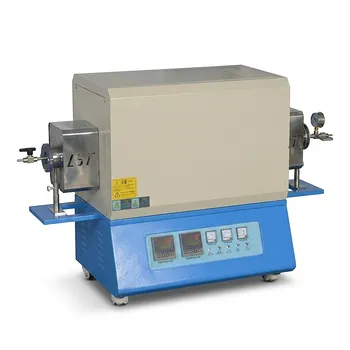
High Temperature Dual Zone Vacuum Tube Furnace for Material Research and CVD Processing

5 Inch Three Zone Rotary Tube Furnace with Integrated Gas Delivery System and 1200C Capability for Advanced Material CVD Processing
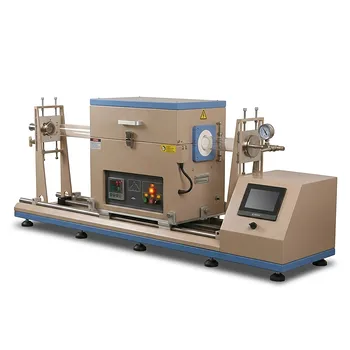
1200C Sliding Tube Furnace for Rapid Thermal Processing and CVD Graphene Growth with 100mm OD Capacity
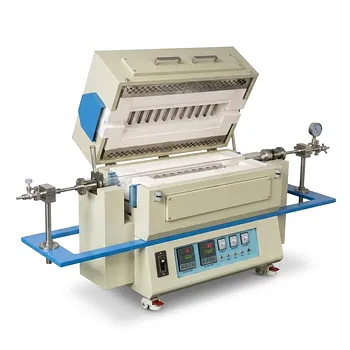
High Temperature Dual Zone Rotating Tube Furnace 1500C Silicon Carbide Heating for Advanced Material Synthesis
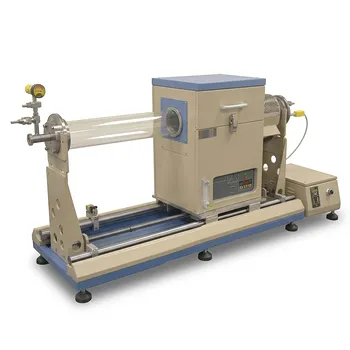
Rapid Thermal Processing Sliding Tube Furnace with 4 Inch OD Quartz Tube and 900C IR Heating
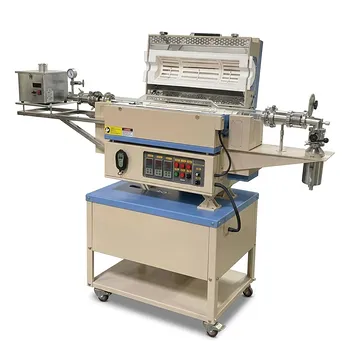
5 Inch Rotary Tube Furnace with Automatic Feeding and Receiving System 1200C Three Zone CVD Powder Processing
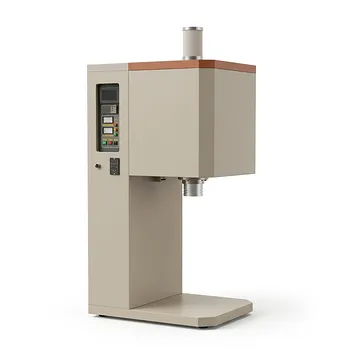
Vertical Openable Tube Furnace 0-1700c High Temperature Laboratory System for CVD and Vacuum Heat Treatment

Compact Vertical Split Quartz Tube Furnace with Stainless Steel Vacuum Flanges for Rapid Thermal Quenching and Controlled Atmosphere Material Processing

High Temperature Tube Furnace 1500C with Sliding Flanges and 50mm OD for Rapid Thermal Processing Fast Heating and Cooling
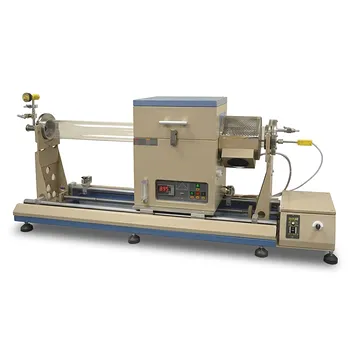
900 ºC Max Sliding RTP Tube Furnace with Rapid IR Heating and 4 Inch OD Quartz Tube
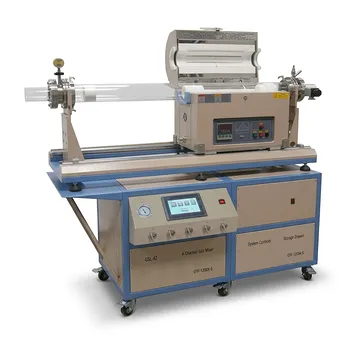
Dual Tube 100mm 80mm CVD Sliding Furnace with 4 Channel Gas Mixing and Vacuum System
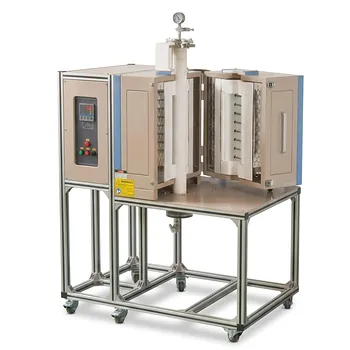
High Temperature 1700C Vertical Split Tube Furnace for Material Quenching and Single Crystal Growth
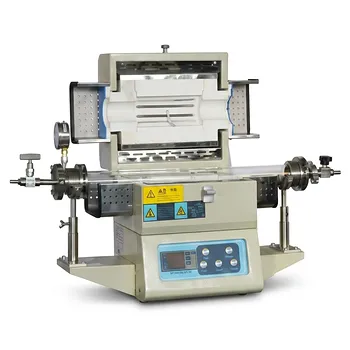
High Temperature 1200C Split Tube Furnace for CVD Research and Vacuum Atmosphere Heat Treatment
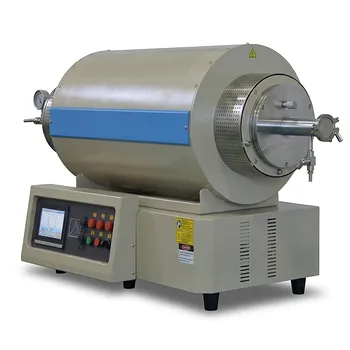
1200C Max Three Zone Tube Furnace 6 Inch OD Max with Tube and Flange

High Temperature 1700C Vertical Tube Furnace for Powder Spherification and Material Sintering
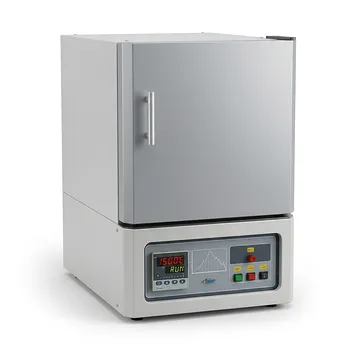
High Temperature 1500C Benchtop Muffle Furnace 3.6L Alumina Fiber Chamber Programmable Controller Sintering Annealing Carbonization Thermal Processing System

Compact High Temperature 1600C Tube Furnace with 50mm Alumina Tube and Vacuum Flanges for Material Sintering

High Temperature Automated 5 Inch Tube Furnace for Autonomous Material Research and Advanced Laboratory R&D

1700C Hydrogen Gas Tube Furnace with 60mm Alumina Process Tube and Integrated Hydrogen Safety Detector
