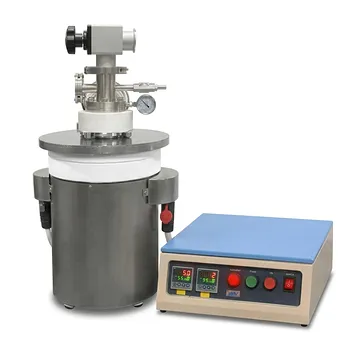
Why is a graphite resistance furnace used in the synthesis of high-purity FeO? Achieve 99% Purity & Superior Stability
Updated 3 months ago
Graphite resistance furnaces are the preferred choice for synthesizing high-purity ferrous oxide (FeO) because they provide the extreme temperatures and rigorous atmospheric isolation required to stabilize the iron in its divalent state. By facilitating a controlled reaction between stoichiometric iron oxide and metallic iron powders, these furnaces prevent the material from further oxidizing into magnetite or hematite. This precise environmental control is the only reliable way to achieve the 99% purity levels required for advanced material research.
The graphite resistance furnace serves as a high-temperature reaction chamber that simultaneously provides heat and acts as a safeguard against oxidation. Its ability to maintain an inert atmosphere while precisely controlling oxygen potential ensures that the ferrous oxide remains chemically stable throughout the synthesis process.
Achieving Thermodynamic Stability
The Requirement for Sustained High Temperatures
Synthesizing FeO requires heating a mixture of iron oxide and metallic iron powders to specific high temperatures for several hours. This duration ensures that the solid-state reaction reaches full chemical equilibrium.
Graphite heating elements are uniquely suited for this task because they remain structurally stable and efficient at the extreme temperatures where other metallic elements might fail or melt. This allows for the consistent thermal energy necessary to drive the stoichiometric conversion.
Managing Stoichiometric Reactions
The synthesis relies on a precise "stoichiometric" balance, meaning the ratio of iron to oxygen must be exactly controlled. If the temperature fluctuates or the environment is inconsistent, the reaction may produce non-stoichiometric phases.
A graphite resistance furnace provides the thermal uniformity required to ensure every part of the powder mixture reacts at the same rate. This uniformity is critical for producing a homogenous final product with a purity exceeding 99%.
Atmospheric Control and Oxidation Prevention
The Importance of Superior Sealing
Ferrous oxide is inherently unstable in the presence of oxygen, especially at high temperatures, where it quickly converts to ferric iron (Fe³⁺). The superior sealing capabilities of a graphite resistance furnace are vital to prevent ambient air from leaking into the hot zone.
By maintaining a hermetic seal, the furnace allows researchers to introduce and maintain an inert atmosphere, such as argon or nitrogen. This isolation is the first line of defense in protecting the chemical integrity of the FeO.
Controlling Oxygen Potential via Graphite
The presence of graphite within the furnace serves a dual purpose beyond just heating. Graphite naturally interacts with any trace amounts of residual oxygen, acting as a "scavenger" to keep the oxygen potential extremely low.
This chemical environment ensures that the iron remains in the ferrous (Fe²⁺) state. Without this specific control, the high-purity FeO would inevitably degrade into lower-purity iron oxides during the cooling phase.
Understanding the Trade-offs
Risk of Carbon Contamination
While graphite elements are excellent for oxygen control, they introduce the risk of carbon vapor or dust entering the sample. At extremely high temperatures, carbon can migrate into the ferrous oxide, potentially altering its electrical or magnetic properties.
Fragility and Maintenance Requirements
Graphite components are sensitive to mechanical shock and can be damaged if exposed to oxygen while hot (causing oxidation of the heating element itself). This requires stringent operational protocols and frequent inspections of the furnace seals to ensure long-term reliability.
Applying This to Your Material Synthesis
To achieve the highest possible purity in your ferrous oxide samples, the furnace setup must be optimized for both temperature and chemical isolation.
- If your primary focus is Maximum Phase Purity: Ensure the furnace is purged with high-purity inert gas for several cycles before heating to eliminate all residual oxygen.
- If your primary focus is Stoichiometric Accuracy: Use finely milled metallic iron and iron oxide powders to increase surface area contact before loading them into the graphite furnace.
- If your primary focus is Minimizing Contamination: Utilize high-purity alumina or platinum crucibles within the graphite furnace to provide a physical barrier between the graphite elements and your FeO sample.
The successful synthesis of high-purity ferrous oxide depends entirely on the furnace’s ability to create a world where oxygen cannot reach the reaction.
Summary Table:
| Key Feature | Role in FeO Synthesis | Benefit to Research |
|---|---|---|
| High-Temp Stability | Sustains heat for stoichiometric reactions | Ensures full chemical equilibrium |
| Hermetic Sealing | Prevents ambient air/oxygen ingress | Protects divalent iron (Fe²⁺) state |
| Oxygen Scavenging | Graphite acts as a residual oxygen sink | Maintains extremely low oxygen potential |
| Thermal Uniformity | Provides consistent heat across sample | Produces homogenous 99%+ pure FeO |
| Inert Atmosphere | Supports argon or nitrogen purging | Eliminates oxidation into magnetite |
Elevate Your Material Research with THERMUNITS Precision
At THERMUNITS, we understand that achieving 99% purity in ferrous oxide synthesis requires uncompromising environmental control. As a leading manufacturer of high-temperature laboratory equipment, we provide the specialized thermal solutions that material science and industrial R&D teams depend on for breakthrough results.
Our comprehensive range includes:
- Advanced Furnaces: Muffle, Vacuum, Atmosphere, Tube, Rotary, and Hot Press furnaces.
- Specialized Systems: CVD/PECVD systems, Dental Furnaces, and Vacuum Induction Melting (VIM) furnaces.
- Industrial Solutions: Electric rotary kilns and high-performance thermal elements.
Whether you are managing stoichiometric accuracy or minimizing carbon contamination, our equipment is designed for stability and longevity. Contact us today to discuss your specific heat treatment requirements and discover how our expertise can optimize your laboratory’s efficiency and output.
References
- Elin Åström, J. Björkvall. Influence of Vanadium Oxide on the Viscosity Within the CaO–SiO2–“FeO”–MgO System. DOI: 10.1007/s11663-024-03322-9
Mentioned Products
- Ultra High Temperature 2300C Induction Heated Graphite Tube Furnace with Infrared Control
- High Temperature Vacuum Graphitization Chamber Furnace 2800C Graphite Heating Elements Bottom Loading
- 1750C Compact Muffle Furnace 1.7L Ultra High Temperature Laboratory Sintering System for Advanced Ceramics and Material Science Research
- Five Side Heating Muffle Furnace High Purity Alumina Fiber 27L Chamber 1200C High Temperature Thermal Processing System for Sintering Annealing and Materials Research
- 1700C Compact Hybrid Furnace with Dual Layer Box Sintering and Controlled Atmosphere Alumina Tubes
People Also Ask
- How does a high-temp furnace enhance thermal conductivity of graphene & CNT films? Superior Material Graphitization
- What conditions does a graphitization furnace provide for pitch-based carbon? Achieve Superior Crystalline Quality
- Why is an ultra-high temperature graphitization furnace required for coal-based graphite? Unlock Crystalline Performance
- What core technical conditions must an ultra-high temperature graphitization furnace meet? Achieve 2800°C Peak Performance
- Why is a high-temperature graphitization furnace needed for ZrC/SiC/C ceramic aerogels? Master UHTC Synthesis at 1700°C

Tech Team · ThermUnits
Last updated on Jun 03, 2026
Related Products
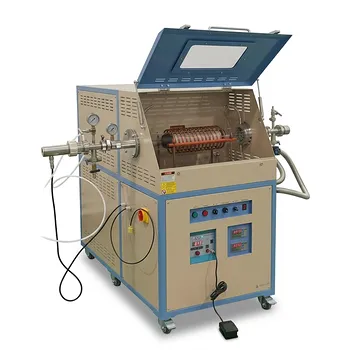
Ultra High Temperature 2300C Induction Heated Graphite Tube Furnace with Infrared Control
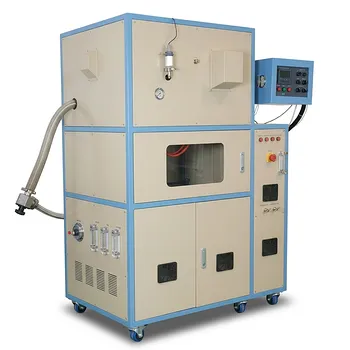
High Temperature Vacuum Graphitization Chamber Furnace 2800C Graphite Heating Elements Bottom Loading
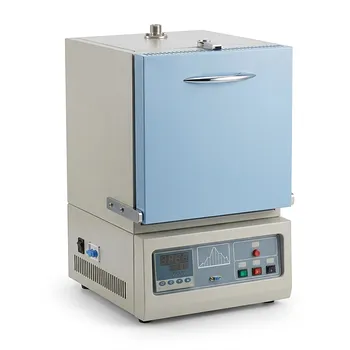
1750C Compact Muffle Furnace 1.7L Ultra High Temperature Laboratory Sintering System for Advanced Ceramics and Material Science Research
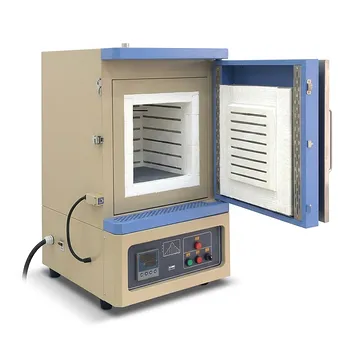
Five Side Heating Muffle Furnace High Purity Alumina Fiber 27L Chamber 1200C High Temperature Thermal Processing System for Sintering Annealing and Materials Research
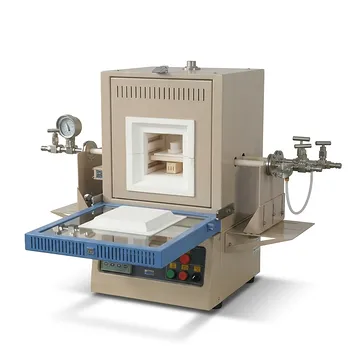
1700C Compact Hybrid Furnace with Dual Layer Box Sintering and Controlled Atmosphere Alumina Tubes
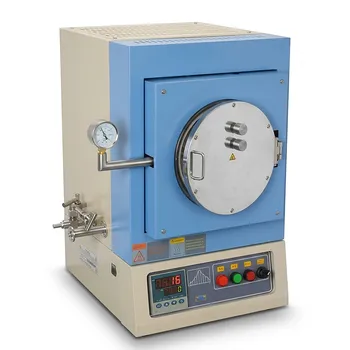
1100°C High Temperature Quartz Chamber Furnace 8 Inch OD with 7.6 Liter Capacity and Vacuum Atmosphere Capability
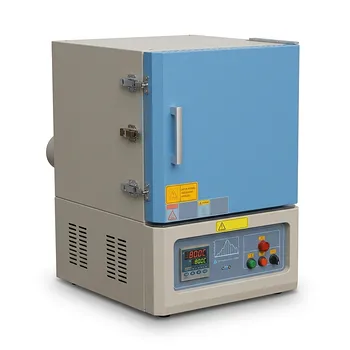
1800C Bench Top Muffle Furnace 18 Liters with Kanthal Super 1900 Heating Elements for High Purity Ceramic Sintering and Material Research
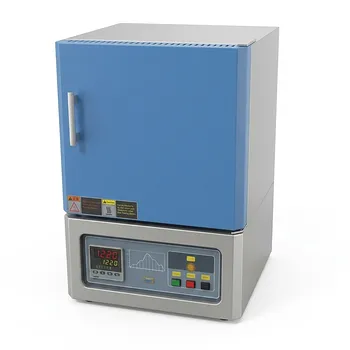
High Temperature Benchtop Muffle Furnace 1700C 10L Chamber Alumina Fiber Insulation MoSi2 Heating Elements
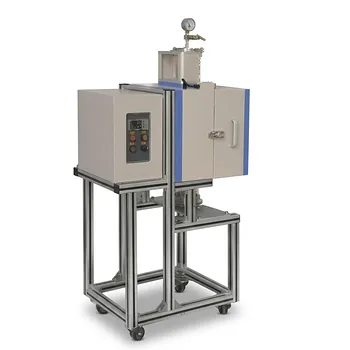
1200°C 5 Inch Vertical Quartz Tube Furnace with Stainless Steel Vacuum Flanges
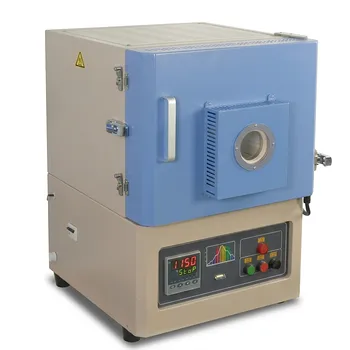
High Temperature Benchtop Muffle Furnace with Quartz Observation Window for Thermal Imaging and Material Analysis
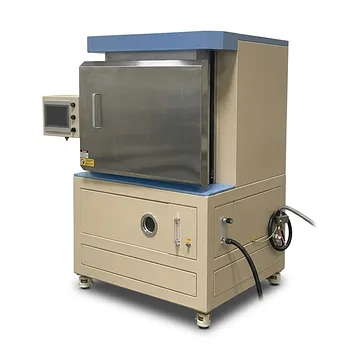
1650C High Temperature Atmosphere Controlled Box Furnace with 65L Chamber for Advanced Material Sintering and Industrial Heat Treatment
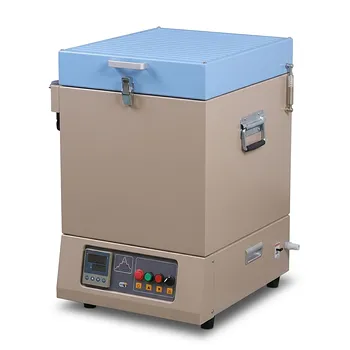
High Temperature Vertical Crucible Furnace with 22L Heating Chamber and 1200C Maximum Temperature
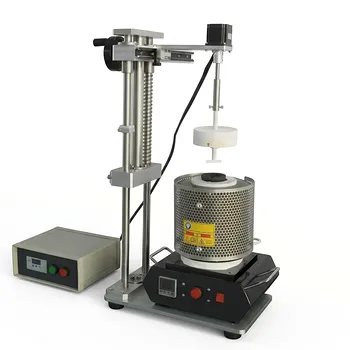
1100C Crucible Melting Furnace with Stirring Function for Glovebox and Air Sensitive Alloy Research
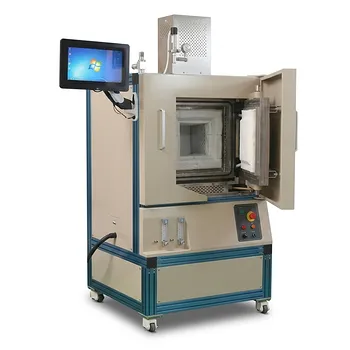
High Temperature Oxygen and Inert Atmosphere Controlled Furnace 8 Liter 1700C Sintering System for Advanced Materials RD
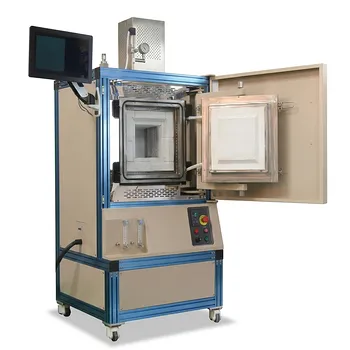
High Temperature Hydrogen Atmosphere Box Furnace 1650C Max Reducing Environment Material Synthesis System 8x8x8 Chamber
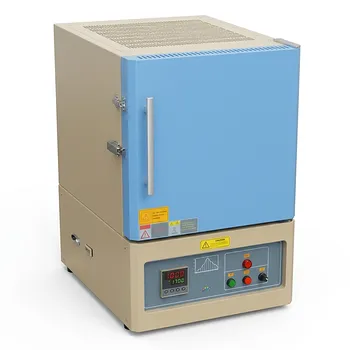
Large Bench Top 1700C High Temperature Muffle Furnace with 19L Chamber for Advanced Material Sintering and Annealing

Compact High Temperature 1600C Tube Furnace with 50mm Alumina Tube and Vacuum Flanges for Material Sintering
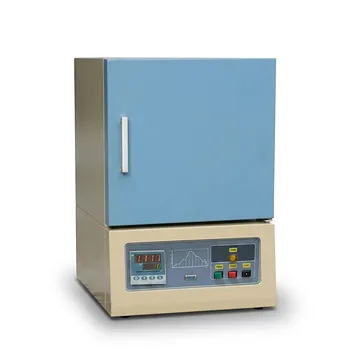
Ultra High Temperature Bench Top Muffle Furnace 1750C Sintering System with Kanthal Super Heating Elements and Precision Digital Control
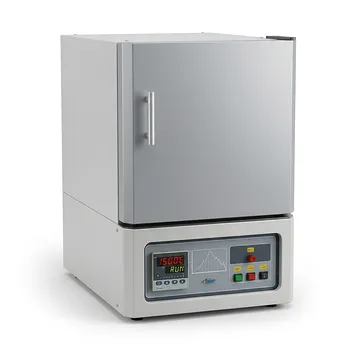
High Temperature 1500C Benchtop Muffle Furnace 3.6L Alumina Fiber Chamber Programmable Controller Sintering Annealing Carbonization Thermal Processing System