Why is a high-purity nitrogen-flow tube furnace required for the carbonization of OPAC? Ensure High-Yield Pyrolysis
Updated 3 months ago
The primary reason a high-purity nitrogen-flow tube furnace is required for the carbonization of Orange Peel Activated Carbon (OPAC) is to create a strictly inert environment that prevents combustion. By displacing oxygen, the furnace ensures the biomass undergoes pyrolysis—a controlled thermal decomposition—rather than simply burning into ash. This process is fundamental to preserving the carbon skeleton and developing the high surface area necessary for an effective filter medium.
Core Takeaway: A nitrogen-flow tube furnace facilitates the transformation of biomass into activated carbon by excluding oxygen, which prevents destructive oxidation and allows for the precise development of a porous, high-surface-area carbon structure.
Preventing Oxidative Combustion
The Shift from Burning to Pyrolysis
At the high temperatures required for carbonization (typically 700°C to 900°C), organic materials like orange peels will naturally ignite and combust if oxygen is present. The constant flow of high-purity nitrogen (N2) displaces atmospheric air, ensuring the material decomposes thermally without catching fire.
Preserving the Carbon Skeleton
Instead of being reduced to useless ash, the orange peel undergoes pyrolysis. This specific chemical reaction strips away non-carbon elements while leaving the carbon atoms behind to form a robust, solid skeleton.
Optimizing Pore Structure and Surface Area
Removal of Volatile By-products
As the biomass heats up, it releases gaseous by-products such as carbon monoxide, carbon dioxide, and various volatile organic compounds. The continuous nitrogen flow (often set at 50 mL/min) acts as a carrier gas that flushes these "volatiles" out of the furnace chamber.
Preventing Secondary Deposition
If these volatile gases are allowed to linger, they can undergo secondary deposition, where they settle back onto the carbon surface and clog the emerging pores. Effective gas flow ensures the "cleanliness" of the carbon, resulting in a more developed and accessible microporous and mesoporous structure.
High-Purity Requirements
Using high-purity nitrogen (99.99%) is critical because even trace amounts of oxygen or moisture can cause surface erosion at 800°C. Maintaining a pure atmosphere protects delicate structures, such as nanosheets or hollow tubes, from being destroyed by thermal oxidation.
Precise Thermal Management
Maintaining Constant Temperatures
A tube furnace is uniquely suited for this task because it provides a precisely controlled constant temperature environment. This stability is vital for ensuring that the activating agents (like KOH or NaOH) react uniformly with the carbonized material.
Guaranteeing Material Yield
By isolating the carbon source from reactive gases, the furnace maximizes the yield of the final product. Without this protection, a significant portion of the biomass would be lost to gasification, leaving very little activated carbon to be harvested.
Understanding the Trade-offs
Purity vs. Cost
While 99.99% high-purity nitrogen is the gold standard, it increases the operational cost per gram of activated carbon produced. In industrial settings, a balance must be found between the cost of gas and the required quality of the final pore structure.
Flow Rate Sensitivity
The nitrogen flow rate must be carefully calibrated; a flow that is too slow fails to remove volatiles, leading to clogged pores. Conversely, an excessively high flow rate can cause thermal gradients within the tube, leading to uneven carbonization and wasted gas.
How to Apply This to Your Project
Recommendations for Optimal Carbonization
- If your primary focus is maximum surface area: Ensure a high-purity nitrogen flow of at least 99.99% to prevent any surface etching or pore blockage from residual oxygen.
- If your primary focus is high material yield: Strictly maintain an anaerobic environment throughout the entire heating and cooling cycle to prevent the carbon from oxidizing as it cools.
- If your primary focus is structural integrity: Use a tube furnace with precise PID temperature controllers to avoid rapid temperature spikes that can warp the carbon nanosheets.
The use of a nitrogen-flow tube furnace is the non-negotiable foundation for turning raw biomass into a high-performance, porous technical material.
Summary Table:
| Feature | Key Benefit for OPAC Carbonization |
|---|---|
| Inert Atmosphere | Prevents combustion; ensures pyrolysis instead of burning to ash. |
| Nitrogen Flow | Flushes volatile by-products to prevent pore clogging and deposition. |
| 99.99% Purity | Protects delicate carbon structures from oxidative erosion at 800°C+. |
| Thermal Stability | Provides precise PID control for uniform activation and maximum yield. |
Elevate Your Material Research with THERMUNITS
Precision is non-negotiable when transforming biomass into high-performance technical materials. THERMUNITS is a leading manufacturer of high-temperature laboratory equipment, providing the specialized thermal solutions required for advanced material science and industrial R&D.
Our comprehensive range includes Tube, Vacuum, Atmosphere, and Muffle furnaces, as well as CVD/PECVD systems and Rotary Kilns, all designed to deliver the strictly controlled environments your carbonization and heat treatment processes demand.
Ready to optimize your lab’s efficiency and product yield?
Contact our technical experts today to discuss your specific requirements and discover how our advanced thermal processing solutions can empower your research.
References
- Asmaa Khalil, Ahmed El Nemr. Orange peel magnetic activated carbon for removal of acid orange 7 dye from water. DOI: 10.1038/s41598-023-50273-3
Mentioned Products
- High Temperature Rotary Tube Furnace with Integrated Ball Milling and Gas Flow Function for Powder Nitriding
- High Temperature Vertical Atmosphere Controlled Furnace with Automatic Bottom Loading and 1700°C Capacity for Advanced Material Research
- High Temperature 1700C Vertical Tube Furnace for Powder Spherification and Material Sintering
- Electric Rotary Kiln Small Rotary Furnace for Activated Carbon Regeneration
- 1200C High Throughput Multi Channel Tube Furnace with 50mm Quartz Tubes for Annealing and Material Phase Diagram Research
People Also Ask
- How does a rotary tube furnace improve the processing of granular materials? Enhance Uniformity and Reaction Kinetics
- Why use a rotary tube furnace for FACS carbonization? Ensure uniform morphology and prevent sphere agglomeration.
- In what ways do rotary tube furnaces enhance chemical and specialty mineral processing? Drive Precision and Uniformity.
- Why is the precise optimization of residence time essential in the catalyst calcination process? Maximize Your Yields.
- What are the typical operating temperature ranges and mechanical specifications for rotary furnaces? A Complete Guide

Tech Team · ThermUnits
Last updated on Jun 03, 2026
Related Products
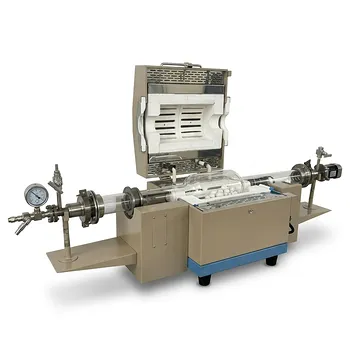
High Temperature Rotary Tube Furnace with Integrated Ball Milling and Gas Flow Function for Powder Nitriding
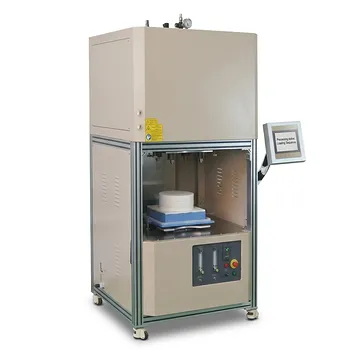
High Temperature Vertical Atmosphere Controlled Furnace with Automatic Bottom Loading and 1700°C Capacity for Advanced Material Research

High Temperature 1700C Vertical Tube Furnace for Powder Spherification and Material Sintering
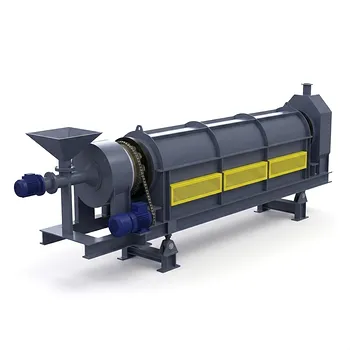
Electric Rotary Kiln Small Rotary Furnace for Activated Carbon Regeneration
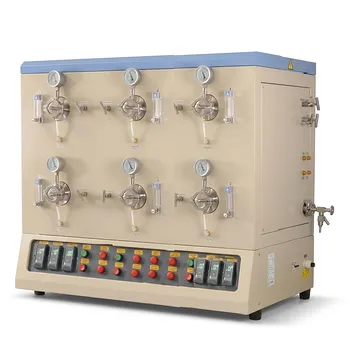
1200C High Throughput Multi Channel Tube Furnace with 50mm Quartz Tubes for Annealing and Material Phase Diagram Research

High Temperature Automated 5 Inch Tube Furnace for Autonomous Material Research and Advanced Laboratory R&D
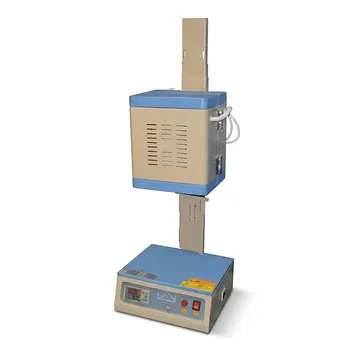
High Temperature Vertical Split Tube Furnace with PID Temperature Controller for 1 and 2 Inch Processing Tubes
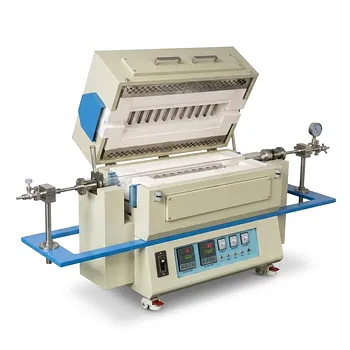
High Temperature Dual Zone Rotating Tube Furnace 1500C Silicon Carbide Heating for Advanced Material Synthesis
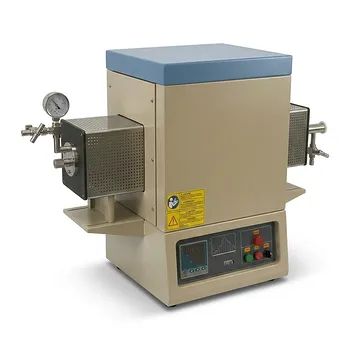
High Temperature 1700C Benchtop Tube Furnace with 5 Inch Heating Zone High Purity Alumina Tube and Vacuum Sealing Flanges
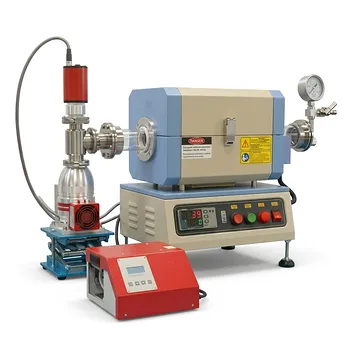
High Vacuum Compact Tube Furnace 1200C with Integrated Turbo Pump System and 8 Inch Heating Zone

Compact High Temperature 1600C Tube Furnace with 50mm Alumina Tube and Vacuum Flanges for Material Sintering
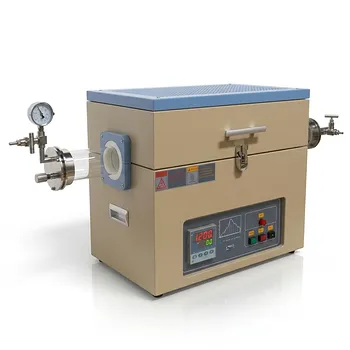
High Temperature 1200C Split Tube Furnace with Optional Quartz Tube Sizes and Vacuum Sealing Flanges for Material Science Research
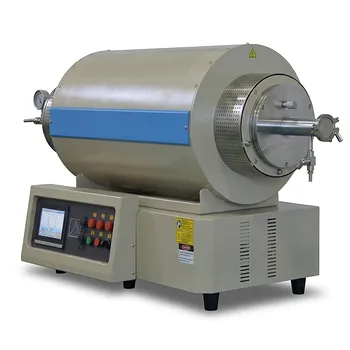
1200C Max Three Zone Tube Furnace 6 Inch OD Max with Tube and Flange
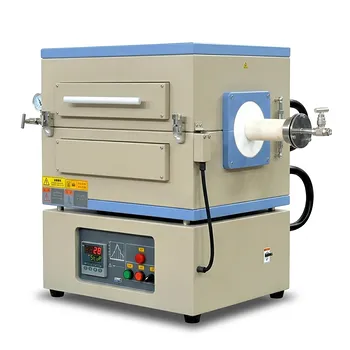
1500°C Split Tube Furnace with Alumina Tube and Vacuum Sealing Flanges for Material Research
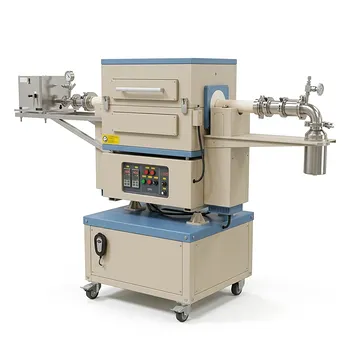
1500C Max Dual Zone Rotary Tube Furnace with 60 mm OD Alumina Tube for High Temperature Material Synthesis
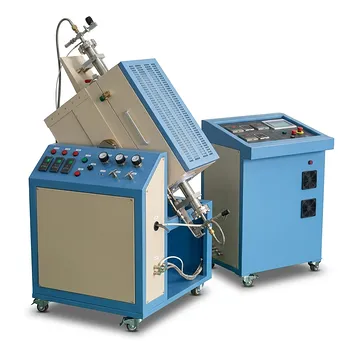
1100C High Pressure Rocking Tube Furnace with 2 Inch Super Alloy Processing Tube for Material Synthesis
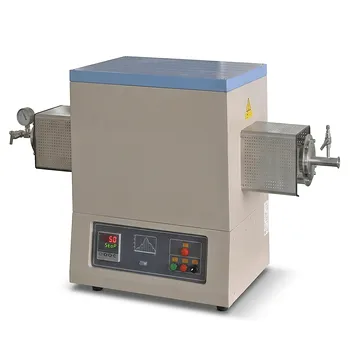
High Temperature 1700C Tube Furnace with 4 Inch OD Alumina Tube and Vacuum Sealing Flanges
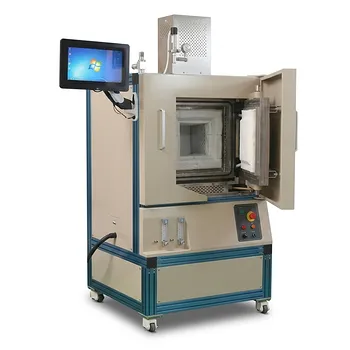
High Temperature Oxygen and Inert Atmosphere Controlled Furnace 8 Liter 1700C Sintering System for Advanced Materials RD
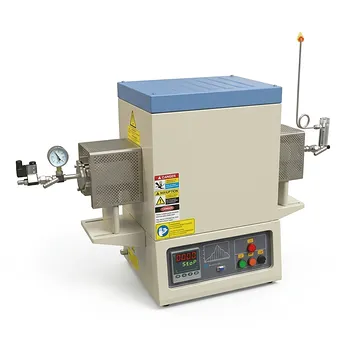
1700C Hydrogen Gas Tube Furnace with 60mm Alumina Process Tube and Integrated Hydrogen Safety Detector