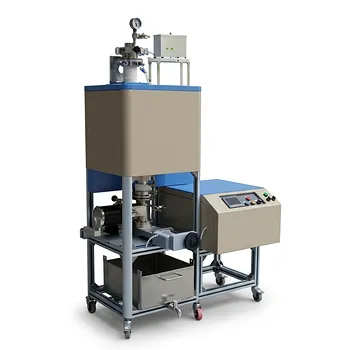
Why is N2 needed for phytolith pyrolysis in a tube furnace? Protect Active Surface Chemistry & Pore Structure.
Updated 6 months ago
High-purity nitrogen is the critical safeguard that prevents the thermal destruction of your adsorbent's active surface chemistry. During pyrolysis at temperatures reaching 900°C, nitrogen creates a strictly inert, oxygen-free environment that stops carbonaceous components from undergoing oxidative combustion. This ensures that the organic matter in phytoliths is converted into a stable carbon layer rather than being lost as ash, preserving the structural and chemical traits required for effective adsorption.
Core Takeaway: High-purity nitrogen acts as both a protective shield and a transport medium; it prevents the combustion of carbon structures and preserves essential oxygen-containing functional groups, ensuring the final material possesses the pore structure and chemical potential needed for contaminant removal.
Preventing the Transformation from Pyrolysis to Combustion
Eliminating Oxidative Combustion
At the high temperatures required for phytolith carbonization (often around 900°C), any trace of oxygen would cause the raw material to ignite and burn. Instead of producing a carbon-rich adsorbent, aerobic conditions would result in oxidative combustion, leaving behind mostly inorganic ash with no adsorption capacity.
Establishing an Inert Foundation
High-purity nitrogen ($N_2$) is used to purge the reaction chamber before heating begins and is maintained throughout the process. This ensures that the thermal decomposition occurs through pure thermochemical cracking, where heat breaks chemical bonds in the absence of oxygen to create a high-quality carbon skeleton.
Preserving the Chemical and Physical Architecture
Protecting Surface Functional Groups
For phytolith-based adsorbents, the ability to grab contaminants depends on oxygen-containing functional groups and persistent free radicals (PFRs). An inert nitrogen atmosphere protects these delicate chemical sites from premature oxidation, ensuring the material retains the chemical potential necessary to reduce or bind pollutants like hexavalent chromium.
Ensuring Micro-Pore Development
The nitrogen flow facilitates the complete development of the pore structure by preventing oxygen from "etching" or over-oxidizing the carbon walls. By maintaining structural integrity, the process creates a disordered carbon layer supported on the silica surface of the phytolith, maximizing the available surface area for adsorption.
Transporting Volatile Byproducts
The continuous flow of nitrogen acts as a carrier gas, rapidly moving pyrolysis vapors and volatiles out of the hot zone. This prevents secondary reactions between the vapors and the solid carbon, which could otherwise clog pores or degrade the quality of the final adsorbent.
Understanding the Technical Trade-offs
The Cost of Purity vs. Product Quality
While lower-grade nitrogen is cheaper, the presence of even trace oxygen can significantly reduce the yield of your biochar. Using anything less than high-purity nitrogen risks localized oxidation, which thins the carbon layer and degrades the adsorption sites, potentially rendering the material useless for precision applications.
Flow Rate Balancing
There is a delicate balance between the nitrogen flow rate and thermal stability. A flow that is too slow may fail to effectively purge oxygen or remove volatiles, while a flow that is too fast can cause temperature fluctuations within the tube furnace, leading to inconsistent carbonization across the sample.
How to Apply This to Your Process
When configuring your tube furnace for phytolith-based adsorbent production, align your nitrogen strategy with your specific material goals:
- If your primary focus is Maximum Surface Area: Ensure a continuous, steady nitrogen flow (e.g., 10–50 ml/min) to rapidly remove volatiles and prevent pore blockages.
- If your primary focus is Chemical Reactivity: Use the highest purity nitrogen available (99.99% or higher) to strictly protect oxygen-containing functional groups from oxidative degradation.
- If your primary focus is High Process Yield: Implement a rigorous pre-heating purge cycle to ensure every trace of residual air is displaced before the temperature exceeds 200°C.
Maintaining a rigorous nitrogen-shielded environment is the single most important factor in ensuring your pyrolysis process yields a high-performance adsorbent rather than a simple byproduct.
Summary Table:
| Key Function of N2 | Impact on Material | Benefit for Adsorption |
|---|---|---|
| Oxygen Displacement | Prevents oxidative combustion | Preserves the stable carbon skeleton |
| Surface Protection | Safeguards oxygen-containing functional groups | Maintains high chemical reactivity/PFRs |
| Volatile Transport | Removes byproduct vapors from the hot zone | Prevents pore clogging and secondary reactions |
| Structural Shielding | Prevents chemical "etching" of carbon walls | Optimizes micro-pore volume and surface area |
Elevate Your Research with Precision Thermal Solutions
Achieving the perfect carbon structure requires more than just heat; it requires absolute atmospheric control. THERMUNITS is a leading manufacturer of high-temperature laboratory equipment specifically designed for material science and industrial R&D.
We provide high-performance Tube Furnaces, Atmosphere Furnaces, and CVD/PECVD systems that offer the rigorous gas-flow control and high-purity environments necessary for successful phytolith pyrolysis and advanced material synthesis. Whether your work involves carbonization, sintering, or chemical vapor deposition, our comprehensive range—including Muffle, Vacuum, Rotary, and Hot Press furnaces—ensures your lab achieves repeatable, high-quality results.
Ready to optimize your thermal processing? Contact our expert engineering team today to discuss the ideal equipment configuration for your specific research goals.
References
- Xi Liu, Huaming Yang. Efficient Adsorbent Derived from Phytolith-Rich Ore for Removal of Tetracycline in Wastewater. DOI: 10.1021/acsomega.3c09049
Mentioned Products
- High Temperature Tube Furnace 1500C with Sliding Flanges and 50mm OD for Rapid Thermal Processing Fast Heating and Cooling
- Vertical 1700C Vacuum and Atmosphere Tube Furnace with 80mm Alumina Tube
- 1100C Tube Furnace with Vacuum Flange and Programmable Temperature Controller for Material Science and Industrial Heat Treatment
- Compact High Temperature 1600C Tube Furnace with 50mm Alumina Tube and Vacuum Flanges for Material Sintering
- 900°C Max Rotary Tube Furnace with 8 Inch 310S Alloy Tube and Optional Multi Zone Heating for Industrial Material Calcination
People Also Ask
- How are high-temperature tube furnaces utilized to repair etching damage? Precision Lattice Restoration Solutions
- How does precision tube furnace control influence CoFe nanoparticle formation? Master Your Bimetallic Synthesis.
- What role does a high-temperature tube furnace play in CVD synthesis of silicon nanowires? Master VLS Growth Precision.
- What role does a high-temperature tube furnace play in the sulfidation heat treatment of CoS@C/MXene nanocomposites? Guide
- What core conditions does a high-temperature tube furnace provide for rGO aerogels? Mastering Precision Synthesis.

Tech Team · ThermUnits
Last updated on Apr 14, 2026
Related Products
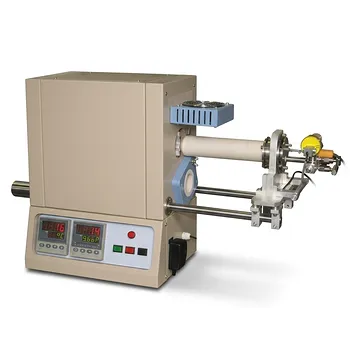
High Temperature Tube Furnace 1500C with Sliding Flanges and 50mm OD for Rapid Thermal Processing Fast Heating and Cooling
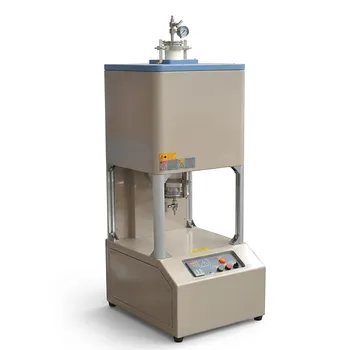
Vertical 1700C Vacuum and Atmosphere Tube Furnace with 80mm Alumina Tube
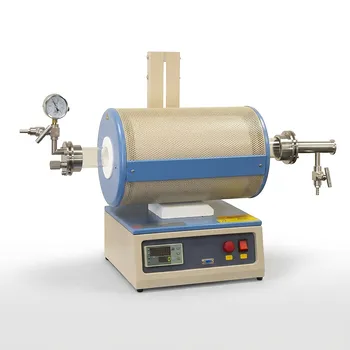
1100C Tube Furnace with Vacuum Flange and Programmable Temperature Controller for Material Science and Industrial Heat Treatment
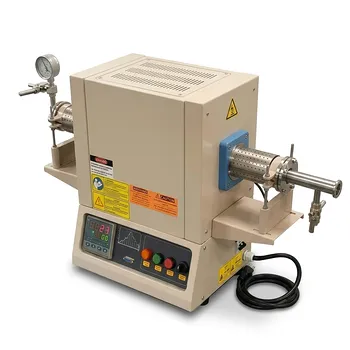
Compact High Temperature 1600C Tube Furnace with 50mm Alumina Tube and Vacuum Flanges for Material Sintering
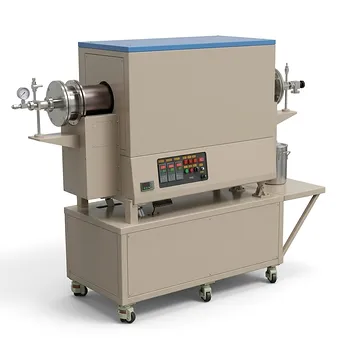
900°C Max Rotary Tube Furnace with 8 Inch 310S Alloy Tube and Optional Multi Zone Heating for Industrial Material Calcination
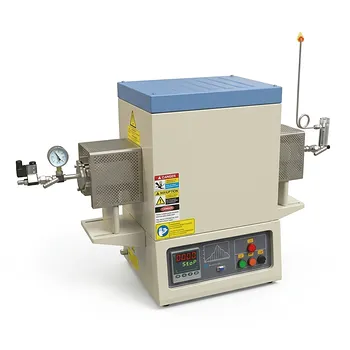
1700C Hydrogen Gas Tube Furnace with 60mm Alumina Process Tube and Integrated Hydrogen Safety Detector
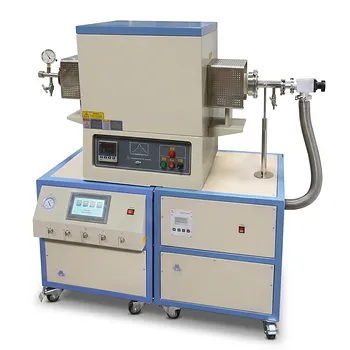
High Temperature 1700C Tube Furnace with High Vacuum Turbomolecular Pump System and Multi Channel Mass Flow Controller Gas Mixer
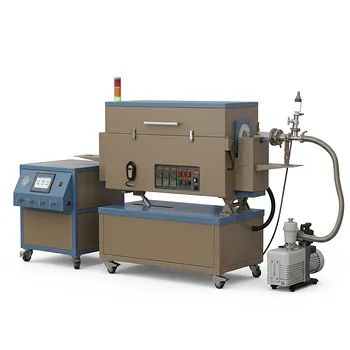
5 Inch Three Zone Rotary Tube Furnace with Integrated Gas Delivery System and 1200C Capability for Advanced Material CVD Processing
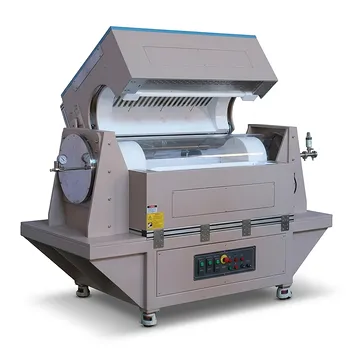
Three Zone Tube Furnace with 11 Inch or 15 Inch Quartz Tube and Hinged Flanges for Vacuum Atmosphere Heat Treatment
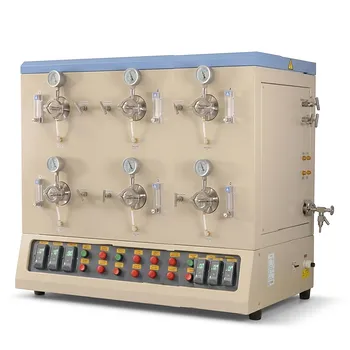
1200C High Throughput Multi Channel Tube Furnace with 50mm Quartz Tubes for Annealing and Material Phase Diagram Research
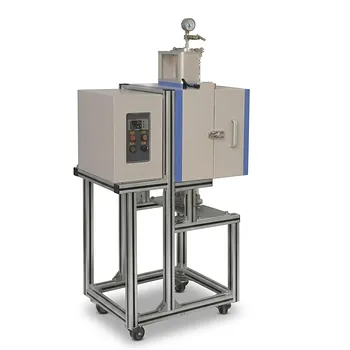
1200°C 5 Inch Vertical Quartz Tube Furnace with Stainless Steel Vacuum Flanges
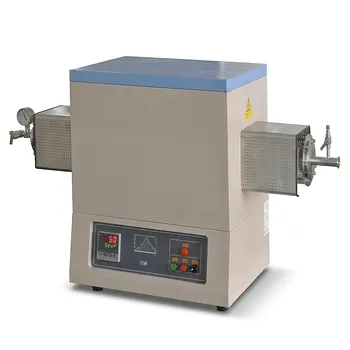
High Temperature 1700C Tube Furnace with 4 Inch OD Alumina Tube and Vacuum Sealing Flanges
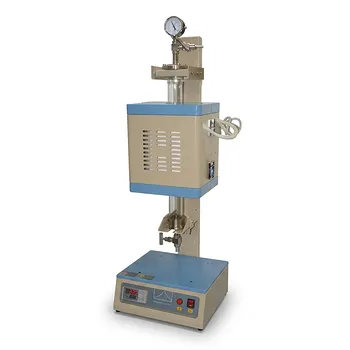
Compact Vertical Split Quartz Tube Furnace with Stainless Steel Vacuum Flanges for Rapid Thermal Quenching and Controlled Atmosphere Material Processing
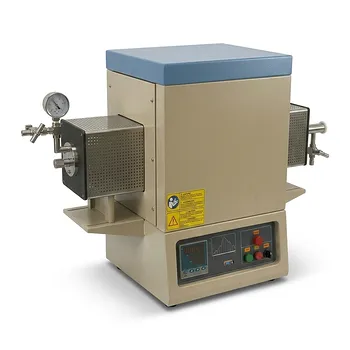
High Temperature 1700C Benchtop Tube Furnace with 5 Inch Heating Zone High Purity Alumina Tube and Vacuum Sealing Flanges
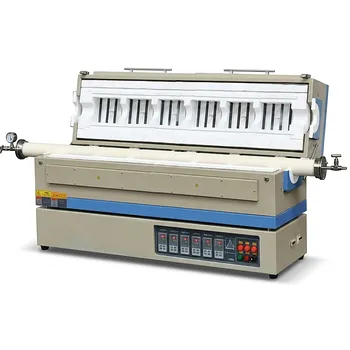
High Temperature 1700C Six Zone Split Tube Furnace with Alumina Tube and Water Cooled Flanges
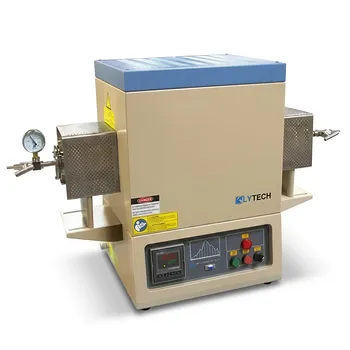
1800C High Temperature Compact Vacuum Tube Furnace with 60mm OD Alumina Tube and Kanthal MoSi2 Heating Elements
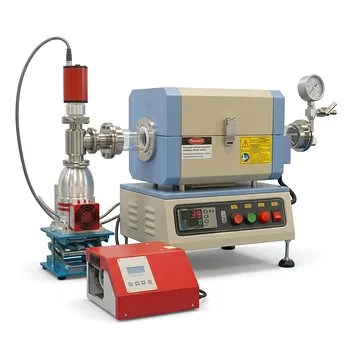
High Vacuum Compact Tube Furnace 1200C with Integrated Turbo Pump System and 8 Inch Heating Zone
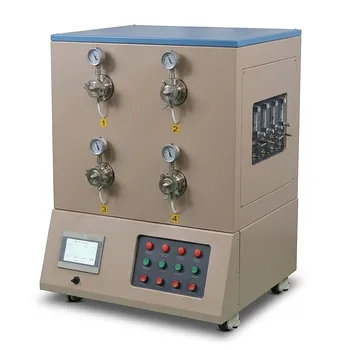
High Throughput 1200C Four Channel Tube Furnace with 3 Inch Quartz Tubes for Multi Zone Annealing and Material Research
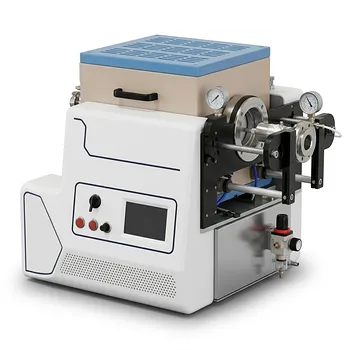
High Temperature Automated 5 Inch Tube Furnace for Autonomous Material Research and Advanced Laboratory R&D