Why is a high-purity quartz boat used as the sample container during the sulfation roasting? Ensure Pure Recovery
Updated 3 months ago
High-purity quartz boats are the industry standard for sulfation roasting due to their unique combination of thermal resilience and chemical inertness. During the roasting of lithium-ion battery waste, these boats withstand temperatures exceeding 850°C while remaining completely non-reactive toward corrosive SO2 gas. This prevents the introduction of metallic impurities and ensures the structural integrity of the container throughout the recovery process.
The primary value of a high-purity quartz boat lies in its role as a chemically "invisible" vessel that does not interfere with the reaction kinetics. By resisting corrosion from sulfurous gases and preventing the migration of container elements into the sample, it ensures the final recovered materials meet strict purity requirements for battery recycling.
Thermal Integrity Under Extreme Heat
Maintaining Structural Stability at 850°C
Sulfation roasting requires consistent high temperatures to convert lithium and cobalt into water-soluble sulfates. High-purity quartz maintains its shape and structural integrity even at temperatures reaching 1000°C, ensuring the sample remains contained without the boat warping or sagging.
Superior Thermal Shock Resistance
The recovery process often involves rapid temperature transitions during the heating and cooling phases. Quartz glass possesses an exceptionally low coefficient of thermal expansion, which allows it to withstand severe temperature fluctuations without cracking or shattering.
Chemical Inertness in Corrosive Environments
Defense Against Sulfurous Gas Corrosion
The roasting process generates SO2 (sulfur dioxide) and other corrosive vapors that can aggressively attack standard laboratory containers. Quartz is uniquely resistant to these acidic atmospheres, ensuring that the container does not degrade or react with the sulfur-based reagents.
Prevention of Metallic Contamination
Maintaining the electrochemical performance of recycled battery materials requires the total absence of foreign metals. Unlike metal-based or lower-grade ceramic containers, high-purity quartz does not allow container components to migrate into the roasted product, preserving the exact stoichiometric composition of the waste.
Enabling Complete Product Collection
The smooth, non-porous surface of the quartz boat prevents the battery waste from adhering to the container walls. This characteristic allows for the complete collection of the roasted products, which is essential for accurate mass balance calculations and maximizing recovery yields.
Understanding the Trade-offs
While quartz boats are ideal for purity and chemical resistance, they are not without limitations. Brittleness is a significant factor; they are far more susceptible to physical impact damage compared to metallic or high-strength alumina containers.
Over prolonged use at high temperatures, quartz can also undergo devitrification, a process where the glass transitions into a crystalline state. This can eventually lead to cloudiness and structural weakness, necessitating periodic replacement to maintain experimental consistency.
Furthermore, while quartz resists most acids and sulfurous gases, it is vulnerable to strong alkaline activators or certain fluoride salts at high temperatures. In specialized recycling processes involving these chemicals, alternative materials like ceramic or nickel may be required despite the risk of contamination.
How to Apply This to Your Roasting Process
Selecting the right container depends on your specific recovery goals and the chemical nature of your reagents. Consider the following recommendations based on your project requirements:
- If your primary focus is high-purity material recovery: Utilize high-purity quartz to eliminate the risk of metallic cross-contamination from the vessel.
- If your primary focus is process durability with alkaline reagents: Consider high-quality ceramic or specialized alloy boats that can better resist basic (high pH) erosion.
- If your primary focus is rapid-cycle testing: Prioritize quartz for its superior thermal shock resistance, allowing for faster cooling and heating cycles without vessel failure.
- If your primary focus is cost-sensitive bulk processing: Evaluate high-grade alumina as a more durable, lower-cost alternative, provided that minor alumina migration does not compromise your end-product specifications.
By matching the container material to the specific thermal and chemical demands of your roasting environment, you ensure both the safety of your equipment and the integrity of your recovered battery materials.
Summary Table:
| Feature | Advantage in Sulfation Roasting | Technical Impact |
|---|---|---|
| Thermal Stability | Resists warping up to 1000°C | Maintains structural integrity during roasting |
| Chemical Inertness | High resistance to SO2 gas | Prevents acid corrosion and sample contamination |
| Thermal Shock Resistance | Low expansion coefficient | Prevents cracking during rapid heating/cooling |
| Non-Porous Surface | Smooth, non-stick finish | Ensures complete product collection for high yields |
| Material Purity | Zero metallic migration | Preserves stoichiometric purity of recovered Li and Co |
Optimize Your Material Recovery with THERMUNITS
As a leading manufacturer of high-temperature laboratory equipment for material science and industrial R&D, THERMUNITS provides the precision thermal solutions required for advanced battery recycling. Whether you need reliable Muffle, Vacuum, Atmosphere, Tube, or Rotary furnaces, or specialized CVD/PECVD systems and Thermal Elements, we deliver the tools to ensure your heat treatment processes meet the strictest purity standards.
Ready to elevate your research efficiency? Contact THERMUNITS Today to discuss our comprehensive range of furnaces—from Hot Press to Vacuum Induction Melting (VIM)—tailored for your specific laboratory and industrial needs.
References
- Lassi Klemettinen, Ari Jokilaakso. Roasting-Water Leaching-Slag Cleaning Process for Recovery of Valuable Metals from Li-ion Battery Scrap. DOI: 10.1007/s40831-024-00988-y
Mentioned Products
- 1100°C High Temperature Quartz Chamber Furnace 8 Inch OD with 7.6 Liter Capacity and Vacuum Atmosphere Capability
- 1200°C 5 Inch Vertical Quartz Tube Furnace with Stainless Steel Vacuum Flanges
- High Temperature 1200C Split Tube Furnace with Hinged Vacuum Flanges and 4 Inch Quartz Tube for Laboratory Research
- High Temperature Vertical Atmosphere Controlled Furnace with Automatic Bottom Loading and 1700°C Capacity for Advanced Material Research
- 1100C High Temperature Vacuum Crucible Furnace with Quartz Chamber for Thermal Processing and Sintering
People Also Ask
- Why is a quartz tube furnace necessary for phosphorus-doped MoS2/GO preparation? Ensure Purity & Precise Synthesis
- Benefits of high-vacuum quartz tube furnaces with N2 for Co3O4 nanosheets: Purity and Structural Integrity.
- What conditions does a quartz tube furnace provide for AlxCoCrFeNi steam corrosion tests? Achieve Precise R&D Control.
- Why is high-temperature annealing in a quartz tube furnace done after HfO2 deposition? Unlock peak film performance.
- Why is a high-purity quartz tube used for SP-Fe3O4-C? Ensure Chemical Purity & Catalytic Stability

Tech Team · ThermUnits
Last updated on Jun 02, 2026
Related Products
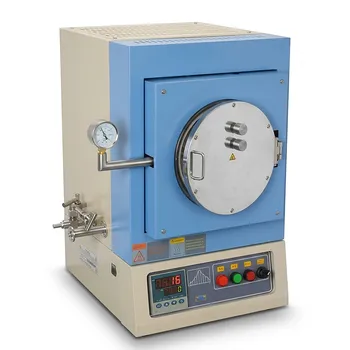
1100°C High Temperature Quartz Chamber Furnace 8 Inch OD with 7.6 Liter Capacity and Vacuum Atmosphere Capability

1200°C 5 Inch Vertical Quartz Tube Furnace with Stainless Steel Vacuum Flanges
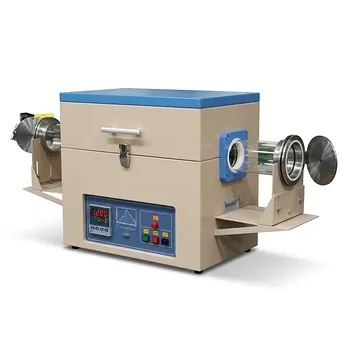
High Temperature 1200C Split Tube Furnace with Hinged Vacuum Flanges and 4 Inch Quartz Tube for Laboratory Research
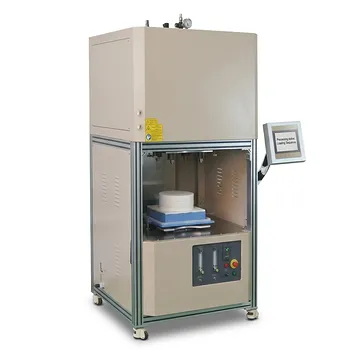
High Temperature Vertical Atmosphere Controlled Furnace with Automatic Bottom Loading and 1700°C Capacity for Advanced Material Research
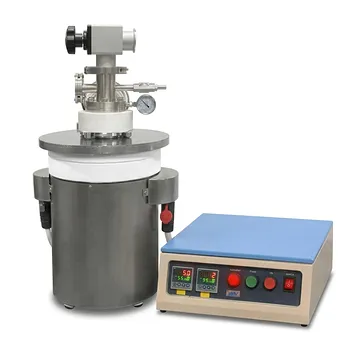
1100C High Temperature Vacuum Crucible Furnace with Quartz Chamber for Thermal Processing and Sintering
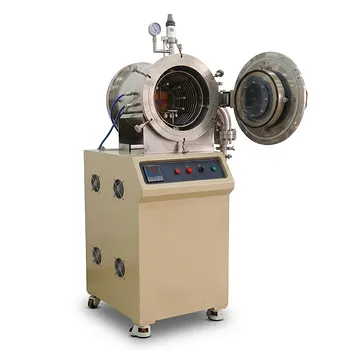
High Temperature Cold Wall High Vacuum Chamber Furnace 1400C for Advanced Material Processing
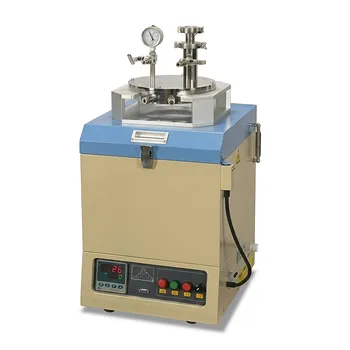
Vertical Vacuum Furnace 1100C High Temperature 8 Inch Quartz Chamber Water Cold Flange System
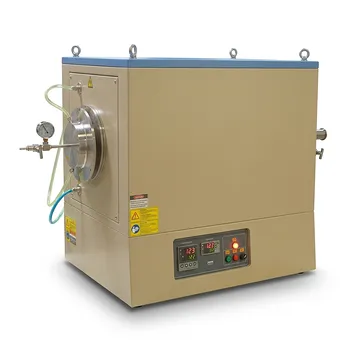
1100°C Large Diameter Quartz Tube Furnace with 24 Inch Heating Zone and Water Cooled Flanges
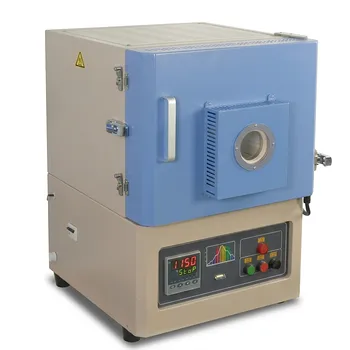
High Temperature Benchtop Muffle Furnace with Quartz Observation Window for Thermal Imaging and Material Analysis
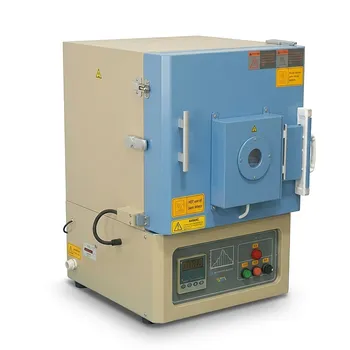
High Temperature Benchtop Muffle Furnace 1500C with 3.6L Chamber and Quartz Observation Window
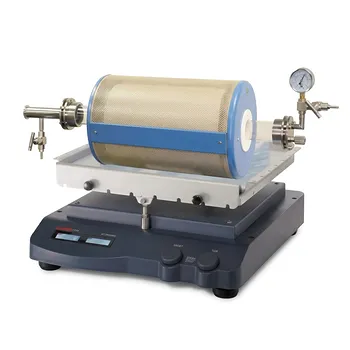
High Temperature Rocking Tube Furnace with Quartz Tube and Vacuum Flange for Materials Synthesis

High Temperature Automated 5 Inch Tube Furnace for Autonomous Material Research and Advanced Laboratory R&D