Why is a high-temperature tube furnace required to sinter Indium Tin Oxide (ITO) ceramic sensors at 1200 °C?
Updated 3 months ago
To sinter Indium Tin Oxide (ITO) ceramic sensors at 1200 °C, a high-temperature tube furnace is required because it provides the extreme thermal energy necessary to overcome the high lattice energy of ceramics. Unlike metallic materials, ITO requires these elevated temperatures to trigger the atomic diffusion, grain growth, and densification needed for a robust sensor. Furthermore, the tube furnace creates a controlled environment to optimize oxygen vacancies, which are critical for the sensor's electrical stability in high-temperature applications.
Core Takeaway: A high-temperature tube furnace is essential because it provides the stable 1200 °C thermal drive required for densification and chemical bonding, while simultaneously calibrating the oxygen vacancy concentration that dictates the sensor's electrical performance.
Driving Physical and Chemical Densification
Overcoming High Lattice Energy
As a conductive ceramic, Indium Tin Oxide (ITO) possesses significantly higher lattice energy than metallic alternatives like silver. This energy barrier must be overcome to initiate the movement of atoms across particle boundaries.
The 1200 °C environment provides the thermal drive necessary for grain growth and the elimination of internal pores. Without this specific temperature, the material remains a loose collection of particles rather than a dense, continuous conductive network.
Promoting Substrate Adhesion
High-temperature sensors often utilize alumina substrates for their refractory properties. The tube furnace facilitates strong physical and chemical bonding between the ITO particles and the alumina surface.
At 1200 °C, solid-state reactions occur at the interface of the material and the substrate. This ensures that the sensor remains mechanically attached and functional even when exposed to harsh industrial environments.
Calibrating Electrical Characteristics
Optimizing Oxygen Vacancy Concentration
The electrical conductivity of ITO is highly dependent on its oxygen vacancy concentration. Sintering in a tube furnace allows for the introduction of a stable air stream at precise temperatures.
This process "tunes" the internal chemistry of the ITO, ensuring the sensor provides consistent electrical readings. This calibration is what allows the sensor to operate accurately in environments reaching up to 1000 °C.
Ensuring Microstructural Uniformity
A tube furnace provides a precisely controlled temperature field, which is vital for preventing internal stresses. Uniform heat distribution ensures that phase transformations occur consistently throughout the material.
By maintaining high consistency during the heat treatment, the furnace prevents structural defects. This results in a final product with high-purity and stable performance indicators.
Understanding the Trade-offs
Thermal Stress and Cooling Rates
While 1200 °C is necessary for densification, it introduces the risk of thermal shock. If the cooling process is not strictly controlled within the furnace, the difference in thermal expansion between the ITO and the substrate can cause cracking.
Energy Consumption vs. Material Integrity
Operating at these temperatures requires significant energy and specialized refractory equipment. Attempting to sinter at lower temperatures to save costs will result in a porous material with poor mechanical strength and drifting electrical resistance.
Atmosphere Sensitivity
If the furnace atmosphere is not correctly managed, the ITO may undergo unwanted oxidation or contamination. This highlights the necessity of a tube furnace over a standard muffle furnace, as the tube design allows for more rigorous control of the gaseous environment.
How to Apply This to Your Project
Recommendations for Sintering Success
- If your primary focus is electrical precision: Use a tube furnace with an integrated mass flow controller to maintain a constant dry air stream, ensuring stable oxygen vacancy levels.
- If your primary focus is mechanical durability: Prioritize a long "soak time" at 1200 °C (typically 18-24 hours) to ensure full grain growth and maximum density.
- If your primary focus is preventing material failure: Implement a slow, programmed cooling ramp to alleviate internal stresses and prevent delamination from the alumina substrate.
The high-temperature tube furnace is not merely a heat source, but a critical tool for engineering the specific atomic structure required for high-performance ceramic sensing.
Summary Table:
| Key Sintering Requirement | Purpose in ITO Processing | Impact on Sensor Performance |
|---|---|---|
| 1200 °C Thermal Drive | Overcomes high lattice energy | Ensures dense, conductive network and grain growth |
| Atmosphere Control | Calibrates oxygen vacancy concentration | Guarantees stable and consistent electrical readings |
| Uniform Heat Field | Ensures consistent phase transformation | Prevents structural defects and internal stresses |
| Controlled Cooling | Manages thermal expansion differentials | Prevents cracking and delamination from substrates |
| Refractory Stability | Maintains integrity at extreme heat | Ensures high-purity results without contamination |
Elevate Your Sensor Research with THERMUNITS Precision
Achieving the perfect 1200 °C sinter for ITO ceramic sensors requires absolute thermal precision and atmospheric control. THERMUNITS is a leading manufacturer of high-temperature laboratory equipment dedicated to material science and industrial R&D. We provide the specialized tools you need to ensure microstructural uniformity and electrical stability in every batch.
Our comprehensive range of thermal solutions includes:
- High-Precision Tube & Atmosphere Furnaces for controlled sintering.
- Vacuum, Muffle, and Rotary Furnaces for diverse heat treatments.
- Advanced CVD/PECVD & Hot Press Systems for cutting-edge material synthesis.
- Specialized Equipment: Dental Furnaces, Vacuum Induction Melting (VIM), and high-quality Thermal Elements.
Don't let thermal instability compromise your sensor integrity. Contact the THERMUNITS expert team today to find the ideal furnace solution for your high-temperature R&D requirements!
References
- Kevin M. Tennant, Edward M. Sabolsky. Wireless Passive Ceramic Sensor for Far-Field Temperature Measurement at High Temperatures. DOI: 10.3390/s24051407
Mentioned Products
- 1200C High Temperature Muffle Furnace with Motorized Door and Automated PC Control for Industrial Sintering and Material Processing 27 Liter
- 1200°C 5 Inch Vertical Quartz Tube Furnace with Stainless Steel Vacuum Flanges
- Split Vertical Tube Furnace with 1200C Quartz Tube and Stainless Steel Vacuum Flanges for Rapid Thermal Processing
- High Temperature 1200C Split Tube Furnace with Optional Quartz Tube Sizes and Vacuum Sealing Flanges for Material Science Research
- 1200C Max Four Zone Split Tube Furnace with Optional Large Diameter Quartz Tubes
People Also Ask
- What is the role of a High-Temperature Muffle Furnace in the synthesis of bulk graphitic carbon nitride (CN)? Expert Guide
- What safety features are standard in high-temperature muffle furnaces? Essential Guide to Laboratory Equipment Safety
- What is the purpose of preheating charcoal in a high-temperature muffle furnace? Ensure Accuracy in Zinc Reduction.
- What is the role of a high-temperature muffle furnace or tube furnace in the preparation of Na2WO4/SiO2 catalysts?
- What role does a high-temperature muffle furnace play in ash content analysis? Ensure Purity & Adsorption Efficiency

Tech Team · ThermUnits
Last updated on Jun 02, 2026
Related Products
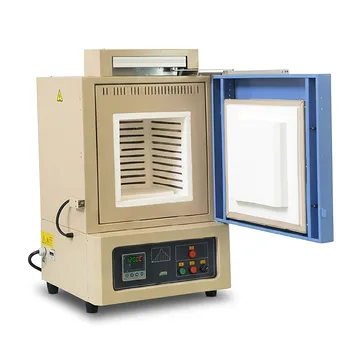
1200C High Temperature Muffle Furnace with Motorized Door and Automated PC Control for Industrial Sintering and Material Processing 27 Liter
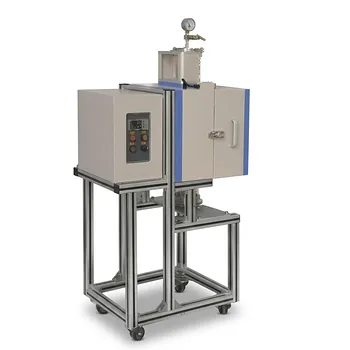
1200°C 5 Inch Vertical Quartz Tube Furnace with Stainless Steel Vacuum Flanges
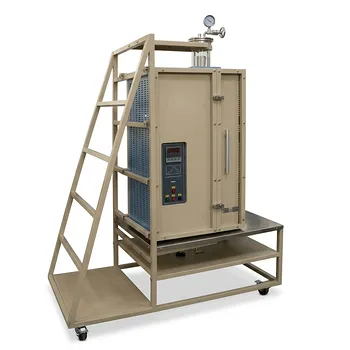
Split Vertical Tube Furnace with 1200C Quartz Tube and Stainless Steel Vacuum Flanges for Rapid Thermal Processing
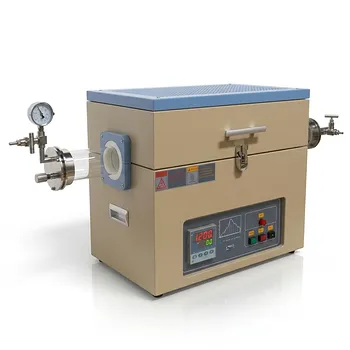
High Temperature 1200C Split Tube Furnace with Optional Quartz Tube Sizes and Vacuum Sealing Flanges for Material Science Research
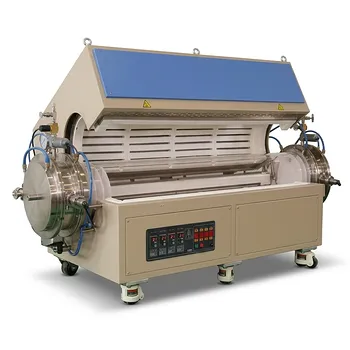
1200C Max Four Zone Split Tube Furnace with Optional Large Diameter Quartz Tubes
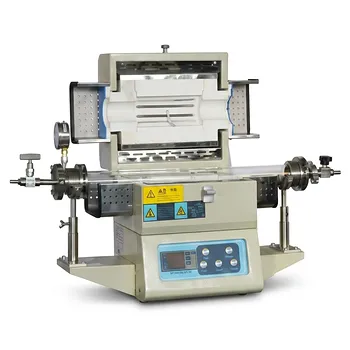
High Temperature 1200C Split Tube Furnace for CVD Research and Vacuum Atmosphere Heat Treatment
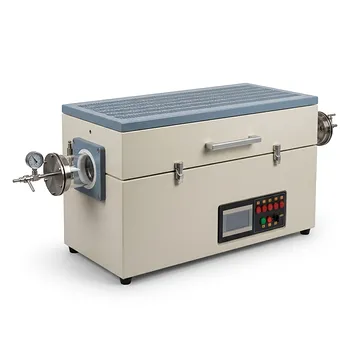
Five Zone 1200C High Temperature Split Tube Furnace with Touch Screen Controller and Multiple Quartz Tube Options
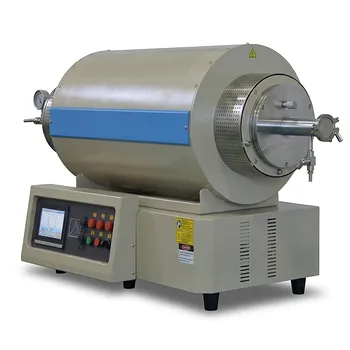
1200C Max Three Zone Tube Furnace 6 Inch OD Max with Tube and Flange

High Temperature Automated 5 Inch Tube Furnace for Autonomous Material Research and Advanced Laboratory R&D

High Temperature 1700C Vertical Tube Furnace for Powder Spherification and Material Sintering
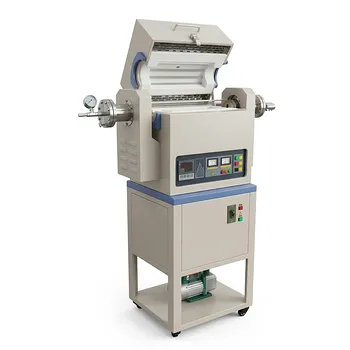
High Temperature Rotary Tilt Tubular Furnaces for Advanced Powder Sintering and Material Processing

Compact High Temperature 1600C Tube Furnace with 50mm Alumina Tube and Vacuum Flanges for Material Sintering
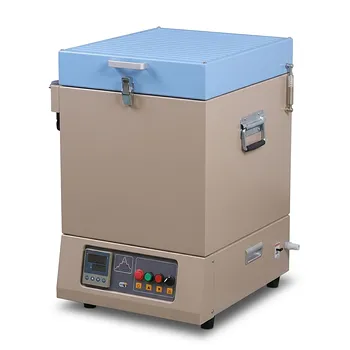
High Temperature Vertical Crucible Furnace with 22L Heating Chamber and 1200C Maximum Temperature
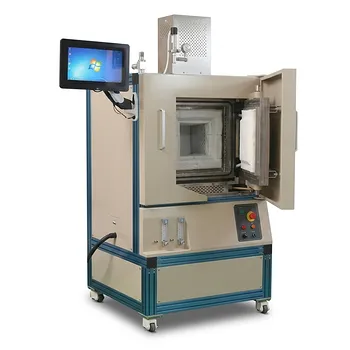
High Temperature Oxygen and Inert Atmosphere Controlled Furnace 8 Liter 1700C Sintering System for Advanced Materials RD
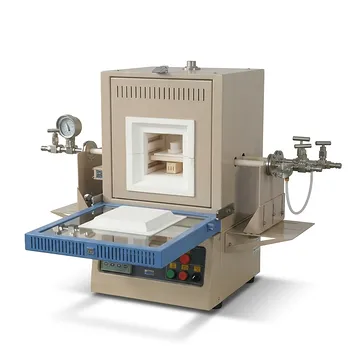
1700C Compact Hybrid Furnace with Dual Layer Box Sintering and Controlled Atmosphere Alumina Tubes
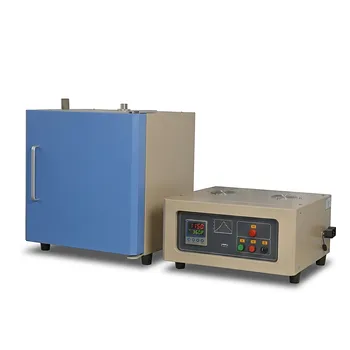
High Temperature Muffle Furnace with Alloy Chamber for Debinding and Sintering Applications
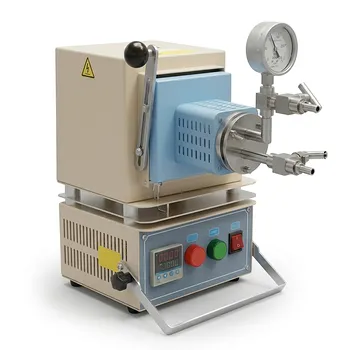
Compact Hybrid Muffle and Tube Furnace for 1000C Controlled Atmosphere Laboratory Material Sintering
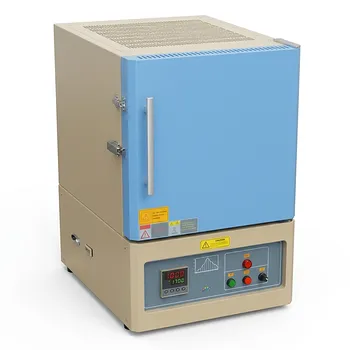
Large Bench Top 1700C High Temperature Muffle Furnace with 19L Chamber for Advanced Material Sintering and Annealing
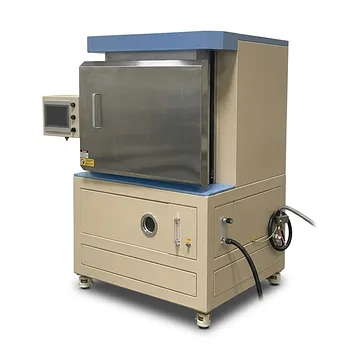
1650C High Temperature Atmosphere Controlled Box Furnace with 65L Chamber for Advanced Material Sintering and Industrial Heat Treatment