Why is a K-type thermocouple essential for monitoring the reaction kinetics of rice husk pyrolysis? Precision Modeling
Updated 6 months ago
The K-type thermocouple is the primary tool for capturing high-resolution thermal data within the reactor's core. It provides the real-time temperature sequences necessary to calculate activation energy ($E_a$) and the pre-exponential factor ($A$) via the Arrhenius equation, ensuring the mathematical models used to describe rice husk decomposition are accurate and scientifically valid.
Core Takeaway: By providing precise, direct measurements of the reaction zone rather than the furnace wall, the K-type thermocouple allows researchers to account for the endothermic and exothermic shifts that define pyrolysis kinetics.
The Mathematical Necessity for Kinetic Modeling
Precision in the Arrhenius Equation
Reaction kinetics are fundamentally governed by the Arrhenius equation, where temperature is the most sensitive variable. Because activation energy calculations depend on the rate of temperature change over time, even minor inaccuracies can lead to significant errors in the resulting kinetic parameters.
Capturing Thermal Fluctuations
Rice husk pyrolysis involves complex endothermic and exothermic phases that cause the sample temperature to deviate from the ambient furnace temperature. A K-type thermocouple tracks these internal fluctuations, providing the "real" temperature data needed to understand the energy barriers of the reaction.
Identifying Inflection Points
By comparing the temperature of the material core to the heating chamber, researchers can identify the exact inflection point where the reaction becomes self-sustaining. This data is critical for determining induction times and evaluating the reactivity of the biomass.
Ensuring Structural and Process Control
Wide Operational Temperature Range
Constructed from nickel-chromium and nickel-aluminum, K-type thermocouples operate effectively between 0°C and 1200°C. This range comfortably covers the standard pyrolysis window for rice husks, which typically occurs between 300°C and 800°C.
Integration with PID Control Systems
When paired with a Proportional-Integral-Derivative (PID) controller, the thermocouple enables a closed-loop feedback system. This setup maintains heating rates—such as a steady 20 °C/min—with an error margin as low as ±2.5°C, ensuring experimental repeatability.
Monitoring Temperature Field Distribution
Using multi-point thermocouples allows for the mapping of the temperature field across the reactor. This prevents local overheating and ensures that the heat distribution is uniform, which is essential for consistent biochar quality and gas yield.
Understanding the Trade-offs
Bed Temperature vs. Furnace Temperature
A common pitfall is relying on the furnace's built-in sensors rather than placing a thermocouple directly in the sample bed. Because gasification and pyrolysis are strongly endothermic, the furnace wall temperature is often significantly higher than the actual reaction site, leading to "ghost" data if not measured locally.
Sensitivity to Harsh Environments
While K-type thermocouples are robust, the corrosive gases released during rice husk pyrolysis (like acetic acid or sulfur compounds) can degrade the sensor over time. This degradation can lead to "sensor drift," where the accuracy slowly diminishes, requiring regular calibration or replacement to maintain data integrity.
Thermal Lag Realities
There is an inherent thermal lag between the reaction and the sensor's reading. In ultra-fast pyrolysis, the thermocouple might not capture instantaneous shifts as quickly as the reaction occurs, necessitating the use of thin-wire probes to minimize thermal mass.
How to Apply This to Your Project
Making the Right Choice for Your Goal
To maximize the utility of K-type thermocouples in your pyrolysis setup, align your implementation with your specific research or production objectives:
- If your primary focus is Kinetic Modeling: Place the thermocouple probe directly into the center of the rice husk sample to ensure the Arrhenius calculations reflect the actual material temperature.
- If your primary focus is Biochar Consistency: Utilize a multi-point setup to monitor both the furnace walls and the biomass layer, preventing "hot spots" that cause over-burning.
- If your primary focus is System Automation: Integrate the thermocouple into a PID control unit to automate heating ramps, ensuring the reaction stays within the optimal temperature window for oil yield.
Precise thermal feedback is the bridge between theoretical chemistry and the practical optimization of biomass energy conversion.
Summary Table:
| Feature | Benefit for Rice Husk Pyrolysis | Technical Impact |
|---|---|---|
| Wide Temp Range | Operates from 0°C to 1200°C | Covers the 300-800°C pyrolysis window |
| Direct Measurement | Captures internal sample bed temperature | Eliminates "ghost data" from furnace walls |
| PID Compatibility | Enables automated closed-loop feedback | Maintains steady heating rates (e.g., ±2.5°C) |
| Kinetic Sensitivity | Tracks endothermic/exothermic shifts | Ensures accurate Activation Energy ($E_a$) results |
Optimize Your Pyrolysis Research with THERMUNITS
Precise thermal data is the foundation of successful material science. THERMUNITS is a leading manufacturer of high-temperature laboratory equipment, providing the accuracy and reliability required for advanced industrial R&D.
Our comprehensive range of thermal processing solutions—including Muffle, Vacuum, Atmosphere, Tube, Rotary, and Hot Press furnaces, as well as CVD/PECVD systems and Vacuum Induction Melting furnaces (VIM)—are designed to integrate seamlessly with high-precision sensors like K-type thermocouples. Whether you are modeling rice husk kinetics or developing new carbon materials, our equipment ensures uniform heat distribution and repeatable results.
Ready to enhance your lab's thermal precision? Contact us today to discuss your custom heat treatment requirements!
References
- Wusana Agung Wibowo, Arief Budiman. Modified Koufopanos' Mechanism in the Kinetics of in-situ Catalytic Pyrolysis of Co-pelletized Rice Husks and Ash. DOI: 10.3311/ppch.36920
Mentioned Products
- High Temperature Three Zone Tube Furnace 1700C with Alumina Tube and Water Cooled Flanges
- Triple Tube Compact Hybrid Muffle Furnace 1000C High Vacuum Thermal Processing System
- High Temperature Benchtop Muffle Furnace with Quartz Observation Window for Thermal Imaging and Material Analysis
- High Temperature Tube Furnace 1500C with Sliding Flanges and 50mm OD for Rapid Thermal Processing Fast Heating and Cooling
- 5 Inch Three Zone Rotary Tube Furnace with Integrated Gas Delivery System and 1200C Capability for Advanced Material CVD Processing
People Also Ask
- What functions does a 3-zone tube furnace provide for graphene-coated alumina fibers? Expert CVD Heat Treatment Guide
- What is the role of a high-temperature tube furnace in the calcination process of ZnO/In2O3 nanocomposites?
- How are high-temperature tube furnaces utilized to repair etching damage? Precision Lattice Restoration Solutions
- How does a high-temp tube furnace ensure stability for Rare Earth Hexaborides? Expert Atmospheric & Thermal Control
- What is the function of a high-temperature tube furnace in the annealing of Ni-N-C composites? Optimize Catalyst Synthesis

Tech Team · ThermUnits
Last updated on Apr 14, 2026
Related Products
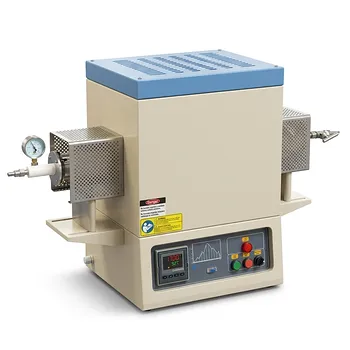
High Temperature Three Zone Tube Furnace 1700C with Alumina Tube and Water Cooled Flanges
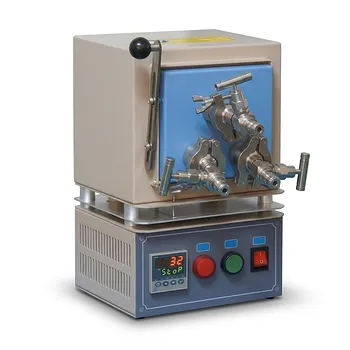
Triple Tube Compact Hybrid Muffle Furnace 1000C High Vacuum Thermal Processing System
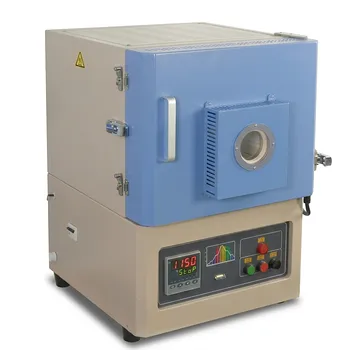
High Temperature Benchtop Muffle Furnace with Quartz Observation Window for Thermal Imaging and Material Analysis
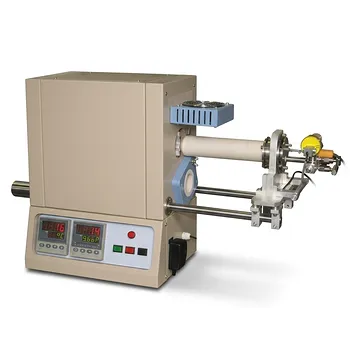
High Temperature Tube Furnace 1500C with Sliding Flanges and 50mm OD for Rapid Thermal Processing Fast Heating and Cooling
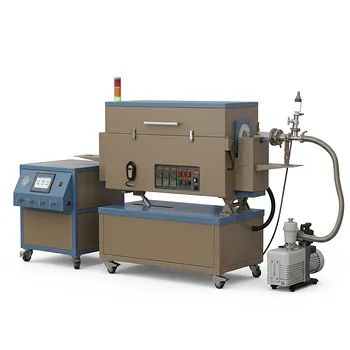
5 Inch Three Zone Rotary Tube Furnace with Integrated Gas Delivery System and 1200C Capability for Advanced Material CVD Processing
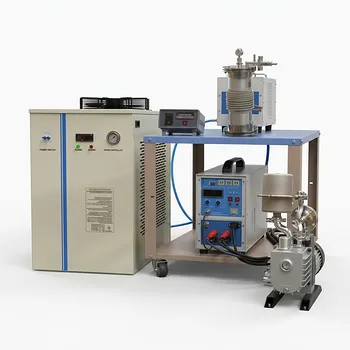
Induction Heating System with Temperature Control for High Temperature Vacuum Sintering and Melting
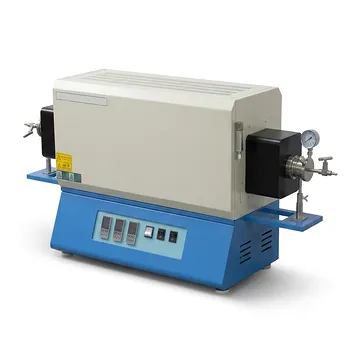
High Temperature Three Temperature Zone Tube Furnace for Advanced Material Science Sintering and Chemical Vapor Deposition Applications
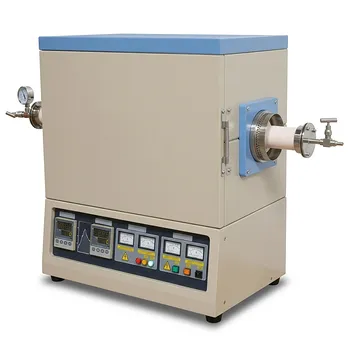
High Temperature 1700C Dual Zone Tube Furnace for Material Science and Industrial Chemical Vapor Deposition Research
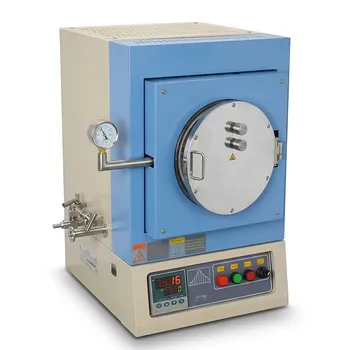
1100°C High Temperature Quartz Chamber Furnace 8 Inch OD with 7.6 Liter Capacity and Vacuum Atmosphere Capability
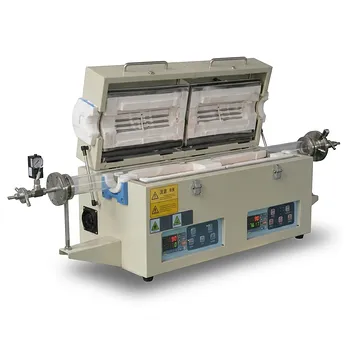
Elongated Two Temperature Zone Pipe Furnace for Industrial Heat Treatment and Material Science Research
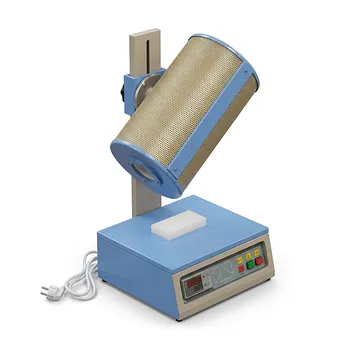
1100°C Vertical Laboratory Furnace for DIY Tubular Reactors with PID Temperature Controller
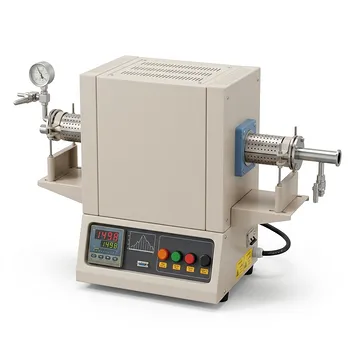
1500C High Temperature Compact Tube Furnace 2 Inch OD with Vacuum Flanges and Complete Accessories
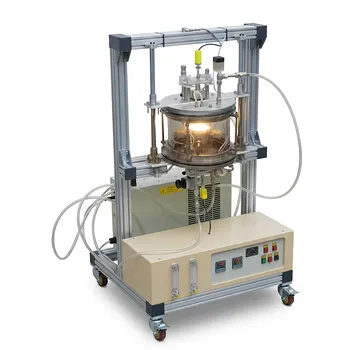
Two Zones CSS Furnace for Rapid Thermal Processing Thin Film Coating 3 Inch Diameter 650C
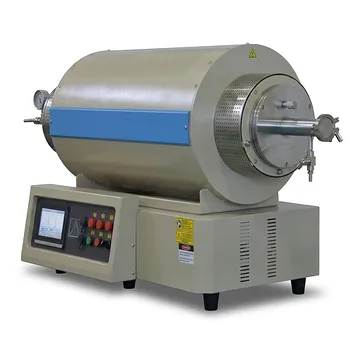
1200C Max Three Zone Tube Furnace 6 Inch OD Max with Tube and Flange
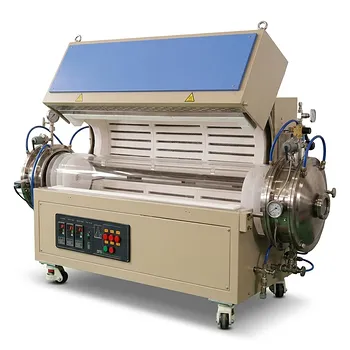
High Temperature Three Zone Split Tube Furnace 1200C Max 35.4 Inch Heating Length 8 Inch ID Tube
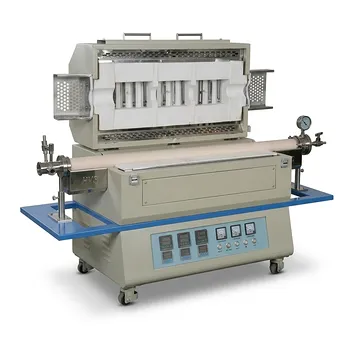
Three Temperature Zone Fast Heating Furnace 1500C Laboratory High Precision Thermal Processing System
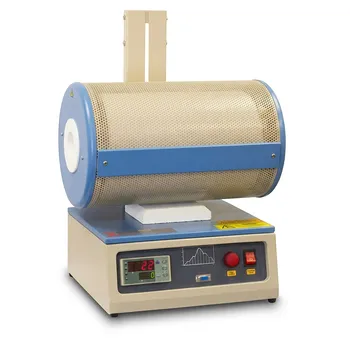
Multi Position Tube Furnace 1100C for Laboratory Material Research and Advanced Industrial Thermal Processing
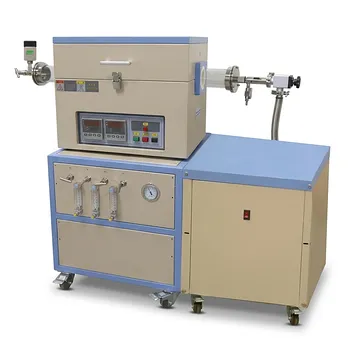
Dual Zone Quartz Tube Furnace with 80mm Diameter 1200C Max Temperature 3 Channel Gas Mixer and Vacuum Pump System
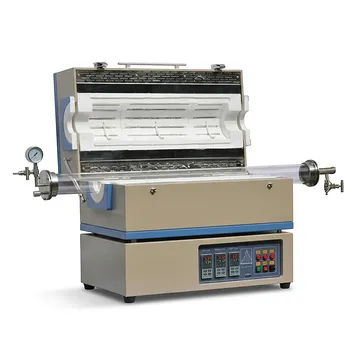
24 Inch Three Zone Split Tube Furnace with Optional Quartz Tube and Vacuum Flange System for High Temperature Material Synthesis