Why is a Laboratory Atmosphere Furnace essential for biochar sintering? Master Pyrolysis & Control Carbon Purity
Updated 3 months ago
The Laboratory Atmosphere Furnace is the critical facilitator of controlled pyrolysis. It provides a strictly oxygen-free environment by introducing protective gases like high-purity nitrogen, which prevents the biomass from combusting or turning to ash at high temperatures. This precise thermal treatment transforms raw materials into high-carbon, porous biochar with the specific chemical profile—namely extremely low nitrogen content—required to optimize performance and reduce nitrogen oxide (NOx) emissions during the sintering process.
A Laboratory Atmosphere Furnace is essential because it replaces oxygen with an inert atmosphere to ensure biomass undergoes carbon-enriching pyrolysis rather than combustion. This controlled environment is the only way to produce biochar with the specific porosity and chemical purity required for advanced sintering applications.
The Mechanics of Atmospheric Exclusion
Preventing Aerobic Combustion and Ashing
At the high temperatures required for biochar production (typically 400°C to 600°C), biomass will naturally ignite and burn if oxygen is present. An atmosphere furnace uses high-purity nitrogen to displace oxygen, creating a vacuum-sealed or positive-pressure environment that inhibits combustion. This ensures the material undergoes thermochemical degradation into carbon, rather than being reduced to useless inorganic ash.
Facilitating Devolatilization
The furnace allows for a process called devolatilization, where wood or other biomass components are heated until their volatile compounds are expelled. By maintaining a strictly controlled environment, the furnace ensures these volatiles are removed without reacting with the remaining solid. This results in a product with high fixed carbon content, which is the primary fuel source needed in the sintering stage.
Implementing Reducing Environments
In specific sintering applications, such as those involving iron-based biomaterials, these furnaces can introduce hydrogen-reducing environments. At temperatures as high as 1120°C, this atmosphere prevents the oxidation of metal powders and reduces existing oxide layers. This facilitates the diffusion of iron atoms, leading to higher-strength, high-purity sintered scaffolds.
Chemical and Structural Engineering of Biochar
Reducing Nitrogen Oxide (NOx) Emissions
One of the most critical reasons for using an atmosphere furnace is to manage the biochar’s chemical signature. By precisely controlling the pyrolysis environment, researchers can produce biochar with extremely low nitrogen content. When this biochar is subsequently used in sintering, it significantly reduces the release of harmful nitrogen oxide emissions, making the industrial process more environmentally sustainable.
Developing High-Porosity Frameworks
The furnace’s ability to maintain a stable, inert environment allows for the orderly breakdown of cellular structures in the biomass. This creates a richly porous carbonaceous material with a high specific surface area. These pores are essential for the biochar's reactivity and its ability to act as a solid skeletal structure during the chemical activation or sintering phases.
Precision Heating and Isothermal Holding
Atmosphere furnaces offer advanced control over heating rates and isothermal holding times. This precision is vital for ensuring the "orderly" decomposition of wood components. Without this level of control, the biochar may develop unstable physical structures that would fail under the thermal stresses of a sintering plant.
Understanding the Trade-offs
Equipment Sealing and Gas Integrity
The primary challenge of using atmosphere furnaces is the requirement for a strictly airtight environment. Any leak that allows oxygen to enter during high-temperature cycles can lead to "ashing," which ruins the batch and may damage the heating elements. Maintaining these seals requires regular maintenance and high-quality vacuum or pressure gauges.
Operational Costs and Gas Consumption
Producing experimental biochar in an atmosphere furnace is significantly more expensive than standard muffle furnace heating. The constant flow of high-purity inert gases (like nitrogen or argon) adds a continuous operational cost. Furthermore, the time required to purge the chamber before heating and cool it under gas flow extends the production cycle compared to open-air processes.
Making the Right Choice for Your Goal
How to Apply This to Your Project
Determining the necessity of an atmosphere furnace depends on your specific experimental outcomes and the nature of your raw materials.
- If your primary focus is reducing environmental impact: Utilize an atmosphere furnace at 600°C with nitrogen to minimize nitrogen content in the final biochar, thereby reducing NOx emissions during sintering.
- If your primary focus is maximizing surface area: Use a tube atmosphere furnace to facilitate secondary thermal treatments at 900°C, which induces superior pore development for gas adsorption.
- If your primary focus is metal-based sintering: Opt for an atmosphere furnace capable of handling hydrogen to create a reducing environment that prevents powder oxidation and ensures high-strength bonds.
The Laboratory Atmosphere Furnace is not merely a heating tool, but a chemical reactor that dictates the fundamental properties of the biochar used in modern sintering.
Summary Table:
| Feature | Function in Biochar Production | Primary Benefit |
|---|---|---|
| Inert Atmosphere | Displaces oxygen using high-purity Nitrogen | Prevents combustion and ensures carbon enrichment |
| Devolatilization | Controlled removal of volatile compounds | Results in high fixed carbon and porous structures |
| Reducing Environment | Introduces Hydrogen at high temperatures | Prevents oxidation in metal-based sintering scaffolds |
| Thermal Precision | Stable heating rates and isothermal holding | Creates stable physical structures for industrial use |
Elevate Your Material Research with THERMUNITS
As a leading manufacturer of high-temperature laboratory equipment, THERMUNITS empowers material science and industrial R&D with unmatched thermal precision. Producing high-quality biochar requires strict atmospheric integrity—our advanced Atmosphere Furnaces and Vacuum Systems provide the oxygen-free environments necessary for superior carbonization and sintering results.
Our comprehensive thermal processing solutions include:
- Furnaces: Muffle, Vacuum, Atmosphere, Tube, Rotary, and Hot Press Furnaces.
- Advanced Systems: CVD/PECVD systems, Dental Furnaces, and Electric Rotary Kilns.
- Specialized Equipment: Vacuum Induction Melting (VIM) furnaces and high-grade Thermal Elements.
Ready to enhance your lab's efficiency and achieve precise chemical profiles in your materials?
Contact THERMUNITS Today to Discuss Your Project
References
- Shiwang Han, Zhiqiang Wang. The mechanism of NO<sub><i>x</i></sub> removal in the sintering process based on source reduction of carbon emissions. DOI: 10.1039/d4ra01102c
Mentioned Products
- 1200°C Five Side Heating Atmosphere Controlled Muffle Furnace 64 Liter High Uniformity Box Furnace for Material Synthesis
- Bottom Loaded Inert Gas Atmosphere Box Furnace 1400C Maximum Temperature 125L High Capacity Laboratory Heat Treatment System
- 1000C Mini Tube Furnace with 20mm Quartz Tube and Vacuum Flanges for Material Science Research and Controlled Atmosphere Small Sample Processing
- Compact 1000C Muffle Furnace with Programmable Controller and 2 Inch Top Port for Vacuum and Atmosphere Material Research
- 1700C High Temperature Alumina Tube Furnace with 18 Inch Heated Zone and Vacuum Sealing Flanges
People Also Ask
- What role does a laboratory high-temperature muffle furnace play in the ash analysis phase of biomass co-firing research? [Guide]
- What role does a laboratory muffle furnace play in the pre-carbonization of bagasse? Mastering Biomass Pyrolysis
- What is the primary use of a laboratory muffle furnace in evaluating pyrolyzed biomass? Master Biomass Fuel Analysis.
- What is the application of a muffle furnace in evaluating grubs-derived biochar? Master Ash & Purity Analysis
- What is the role of a laboratory muffle furnace in the preparation of corncob biochar? Optimize Your Biochar Synthesis.

Tech Team · ThermUnits
Last updated on Jun 03, 2026
Related Products
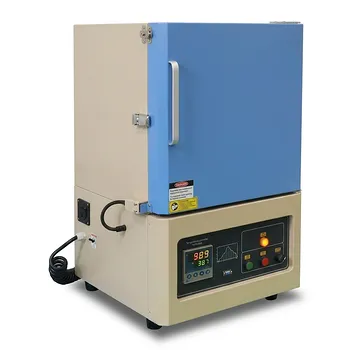
1200°C Five Side Heating Atmosphere Controlled Muffle Furnace 64 Liter High Uniformity Box Furnace for Material Synthesis
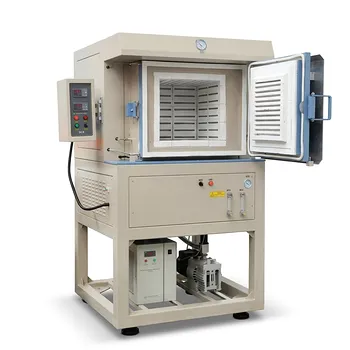
Bottom Loaded Inert Gas Atmosphere Box Furnace 1400C Maximum Temperature 125L High Capacity Laboratory Heat Treatment System
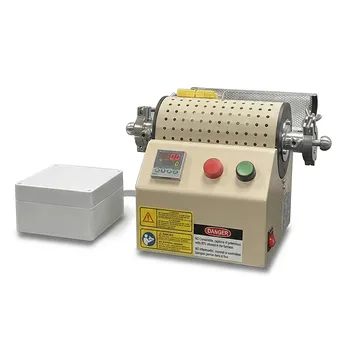
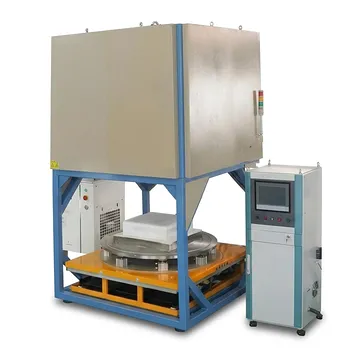
1000C Mini Tube Furnace with 20mm Quartz Tube and Vacuum Flanges for Material Science Research and Controlled Atmosphere Small Sample Processing
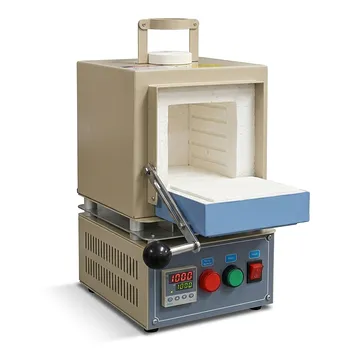
Compact 1000C Muffle Furnace with Programmable Controller and 2 Inch Top Port for Vacuum and Atmosphere Material Research
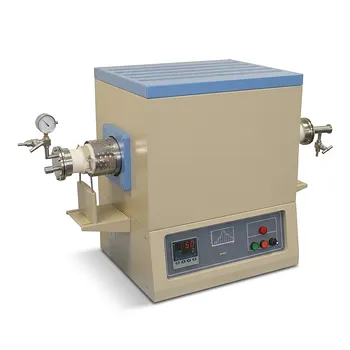
1700C High Temperature Alumina Tube Furnace with 18 Inch Heated Zone and Vacuum Sealing Flanges
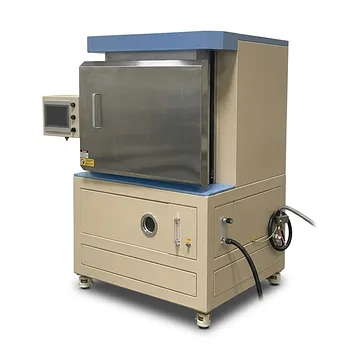
1650C High Temperature Atmosphere Controlled Box Furnace with 65L Chamber for Advanced Material Sintering and Industrial Heat Treatment
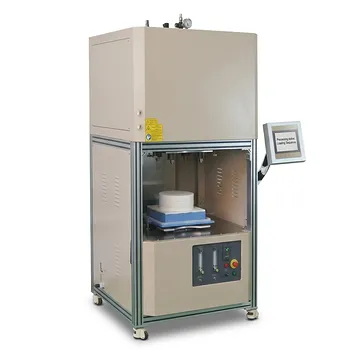
High Temperature Vertical Atmosphere Controlled Furnace with Automatic Bottom Loading and 1700°C Capacity for Advanced Material Research
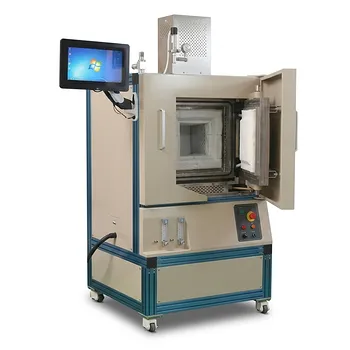
High Temperature Oxygen and Inert Atmosphere Controlled Furnace 8 Liter 1700C Sintering System for Advanced Materials RD
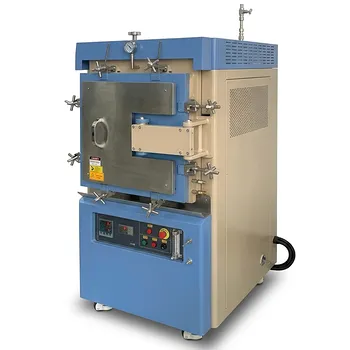
Atmosphere Controlled Muffle Furnace 1700C Maximum Temperature 80L High Capacity Vacuum Inert Gas Box Furnace
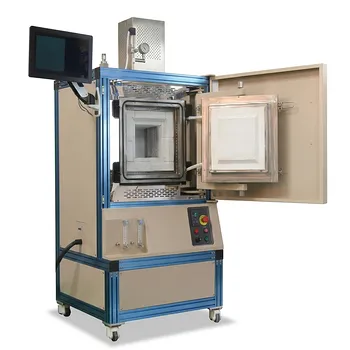
High Temperature Hydrogen Atmosphere Box Furnace 1650C Max Reducing Environment Material Synthesis System 8x8x8 Chamber
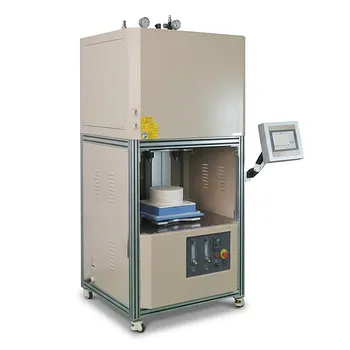
High Temperature Vertical Atmosphere Controlled Furnace 1700C Automatic Bottom Loading 13 Liter Vacuum Thermal System
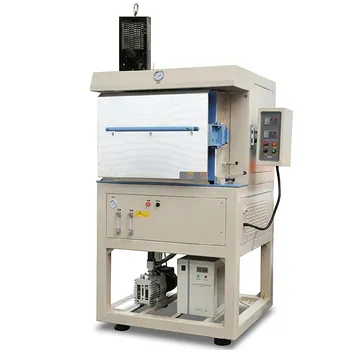
1200C Hydrogen Atmosphere Box Furnace with 5 Heated Sides and 64L Chamber
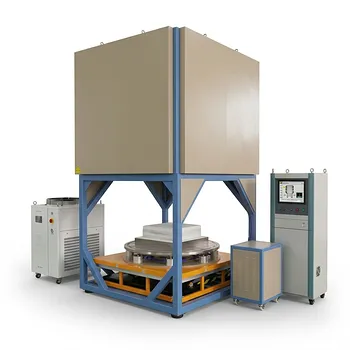
Bottom Loaded Inert Gas Atmosphere Box Furnace 1700C 1300C 216L Large Capacity Industrial Thermal Processing System
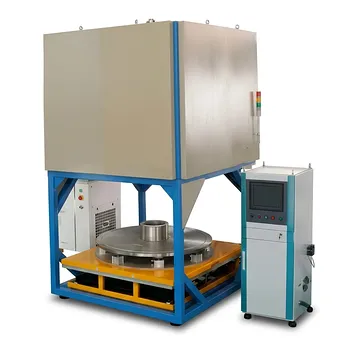
1400C Bottom Loaded Inert Gas Atmosphere Box Furnace with 125L Capacity and Precision Hydraulic Lift
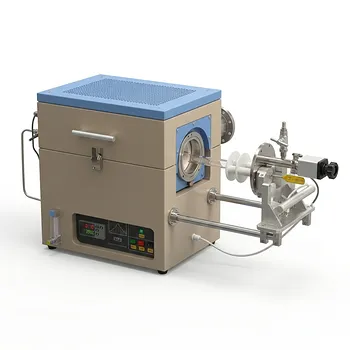
Compact Atmosphere Controlled Rapid Thermal Processing RTP Furnace with 4 Inch ID Quartz Tube 1100C
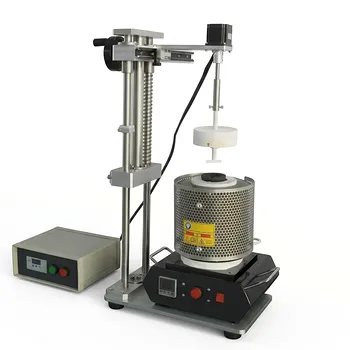
1100C Crucible Melting Furnace with Stirring Function for Glovebox and Air Sensitive Alloy Research
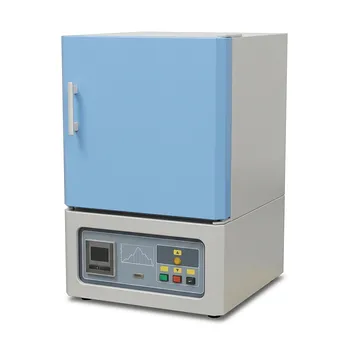
1800C Bench Top Muffle Furnace with Kanthal Super 1900 Heating Elements and 3.6L Alumina Fiber Chamber
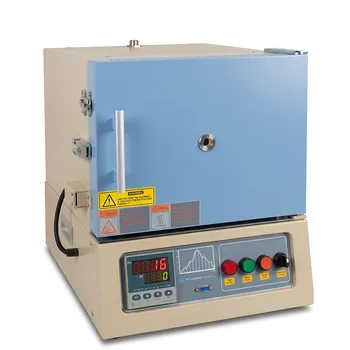
1200C Muffle Furnace 12x8x5 7.2L Heating Chamber with Quartz Observation Window and Vent Port
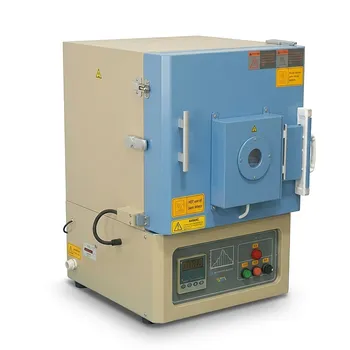
High Temperature Benchtop Muffle Furnace 1500C with 3.6L Chamber and Quartz Observation Window